
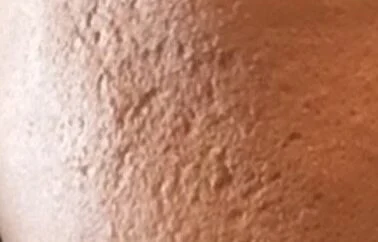
The clinical definition of acne vulgaris is often reduced to a temporary dermatological condition, yet for millions, the physiological aftermath—permanent scarring and hyperpigmentation—serves as a lifelong psychological burden. For one 40-year-old South Asian lawyer based in Canada, the transition from adolescent breakouts to severe adult cystic acne has fundamentally altered her interaction with the world. Her experience highlights a pervasive issue in modern dermatology: the disconnect between the clinical management of skin disease and the profound psychosocial impact of the resulting disfigurement.
The Chronology of a Dermatological Crisis
The trajectory of this patient’s condition mirrors a common but often overlooked pattern in adult-onset acne. While the subject first experienced mild acne at age 20 during the onset of her university education, the condition remained manageable for over a decade. The inflection point occurred in her early 30s, when the nature of her skin condition shifted rapidly.
Within a few months, the subject describes a "relentless" progression of cystic acne—deep, painful, and inflammatory lesions that penetrated the dermal layer of the skin. Unlike superficial breakouts, these cysts caused extensive tissue damage, leading to the development of deep-pitted scars and post-inflammatory hyperpigmentation (PIH). By the time the active cystic phase was brought under medical control, the structural integrity of her skin had been permanently compromised. This timeline—a decade of relative health followed by an acute, destructive phase in early adulthood—is a documented phenomenon that can be triggered by hormonal fluctuations, systemic stress, or immune system shifts, though the exact etiology often remains elusive in individual cases.

The Intersection of Ethnicity and Dermatological Risk
The subject’s experience underscores a critical reality in dermatology: the risk of permanent scarring is not distributed equally across all demographics. As a South Asian woman, she faced a dual clinical challenge. Research consistently shows that individuals with higher melanin content are significantly more susceptible to post-inflammatory hyperpigmentation. When an inflammatory lesion heals, the excess production of melanin often results in dark, persistent spots that can last for years, or even indefinitely, without intervention.
Furthermore, medical literature confirms that certain skin types are more prone to keloid or hypertrophic scarring following severe cystic acne. The subject noted that her ethnic background also intersected with social challenges, citing a cultural environment where unsolicited, often insensitive, commentary regarding physical appearance is common. This cultural layer creates an isolating feedback loop, where the patient must navigate both the physiological damage of the skin and the sociological stigma attached to it within her own community.
Supporting Data: The Psychosocial Burden of Acne
To categorize acne as a mere "cosmetic concern" is to ignore the weight of existing psychiatric and dermatological data. Studies published in journals such as the British Journal of Dermatology indicate that patients with moderate-to-severe acne report higher rates of social anxiety, depression, and body dysmorphic disorder (BDD) compared to the general population.
The subject’s admission that she avoids social media and in-person gatherings due to the way lighting and makeup interact with her scarring is a textbook example of "avoidance behavior." This behavioral shift is a significant clinical indicator of a diminished quality of life. For the patient, the "weight" of these scars is not merely aesthetic; it is a constant reminder of a traumatic period of physical pain. The feeling of being "shattered," as she describes, is common among those who view their face as a primary marker of identity. When that marker is altered by disease, the psychological recovery often lags significantly behind the physical healing.
Medical and Societal Implications
The broader implications of this case point to a need for more comprehensive care models. Dermatologists are increasingly encouraged to adopt a holistic approach that treats the active disease while simultaneously addressing the potential for long-term scarring. The subject suggests that while she struggled to find adequate support years ago, the current landscape of dermatological resources is far more robust.
The medical community has responded by diversifying treatment options, including:
- Early Intervention: Aggressive treatment of cystic acne to prevent the onset of scarring rather than treating it retroactively.
- Advanced Laser Therapy: Technologies such as fractional CO2 lasers and picosecond lasers, which have revolutionized the treatment of deep-pitted scars.
- Psychodermatology: A specialized field that recognizes the nexus between skin health and mental health, providing patients with the tools to manage the emotional fallout of visible skin conditions.
Despite these advancements, the "unrealistic beauty expectations" cited by the subject remain a societal hurdle. The prevalence of filtered imagery on social media platforms creates a standard of "flawless" skin that is biologically unattainable for many, exacerbating the shame associated with natural skin texture and scarring.
A Perspective on Empathy and Resilience
One of the most profound aspects of the subject’s experience is her shift toward empathy. By navigating her own "physical and emotional wounds," she has developed a heightened awareness of others suffering from more severe facial disfigurement. She notes that her struggle with acne has served as a conduit for understanding the intensity of the challenges faced by those with injuries or permanent facial differences.
This evolution is a significant psychological milestone. By moving the focus from her own perceived imperfections to an empathetic view of others, she has begun to process the trauma of her condition. However, she remains candid about the reality of her recovery: she does not claim to have reached a state of complete "self-love." This honesty is vital. It counters the toxic positivity often found in modern wellness culture, which can make individuals feel as though they are failing if they cannot immediately "accept" their physical changes.
Conclusion: A Call for Evidence-Based Awareness
The case of this Canadian professional serves as a stark reminder that dermatological conditions are deeply intertwined with the human experience. The physical manifestation of acne is only the beginning of a complex journey that involves medical intervention, psychological adjustment, and societal navigation.
As we look toward the future of dermatological care, the focus must remain on two parallel tracks: the continued innovation of medical treatments that prevent and treat scarring, and the dismantling of the stigma that isolates those living with the aftermath of skin disease. By fostering a culture that recognizes the validity of these struggles, medical professionals and society at large can help alleviate the "heavy weight" carried by those who, like the subject, are working to reconcile their reflection with their identity.
Her message to those currently in the midst of their own skin battles is one of pragmatic urgency: conduct thorough research, seek out the growing number of professional resources, and understand that the emotional toll of these conditions is a legitimate health concern, not a failure of character or self-esteem. The scars may remain, but the isolation that accompanies them need not be permanent.
