
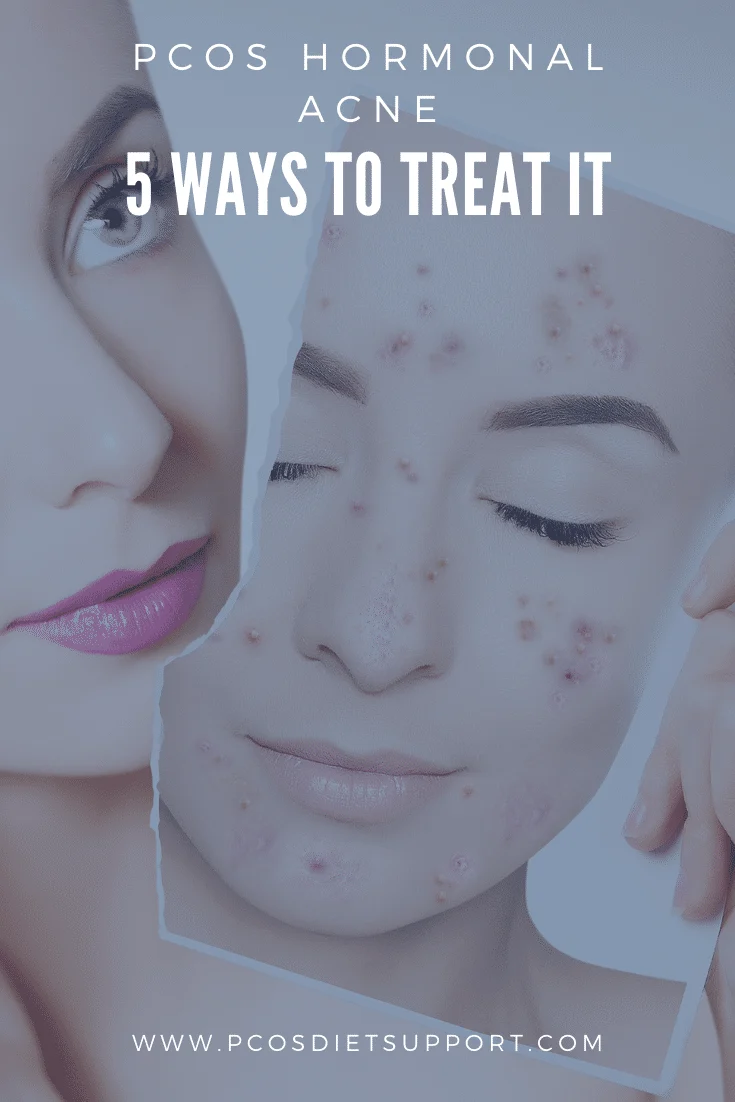
Polycystic Ovary Syndrome (PCOS) affects an estimated 8 to 13 percent of reproductive-aged women globally, yet the profound dermatological manifestations of the endocrine disorder are frequently minimized as routine cosmetic concerns. While standard adolescent or cyclical acne typically responds to over-the-counter topicals and basic hygiene, endocrine-driven breakouts tied to PCOS resist conventional interventions because their root cause originates deep within the neuroendocrine system. For millions of patients, unpredictable hormonal fluctuations transform skin management into a chronic clinical challenge, compounding the psychological burden of a multifaceted metabolic syndrome.
The Neuroendocrine Origins of PCOS Dermatopathology
The pathophysiological cascade responsible for PCOS-associated acne begins in the pituitary gland, the master regulator of human endocrine function. Under normal physiological conditions, the pituitary orchestrates a delicate balance of gonadotropins that dictate the synthesis of estrogen, progesterone, and androgens. Although androgens—such as testosterone—are frequently mischaracterized exclusively as male hormones, female physiology requires precise baseline levels of androgens to maintain skeletal integrity, optimize bone mineral density, and support reproductive tissue repair.
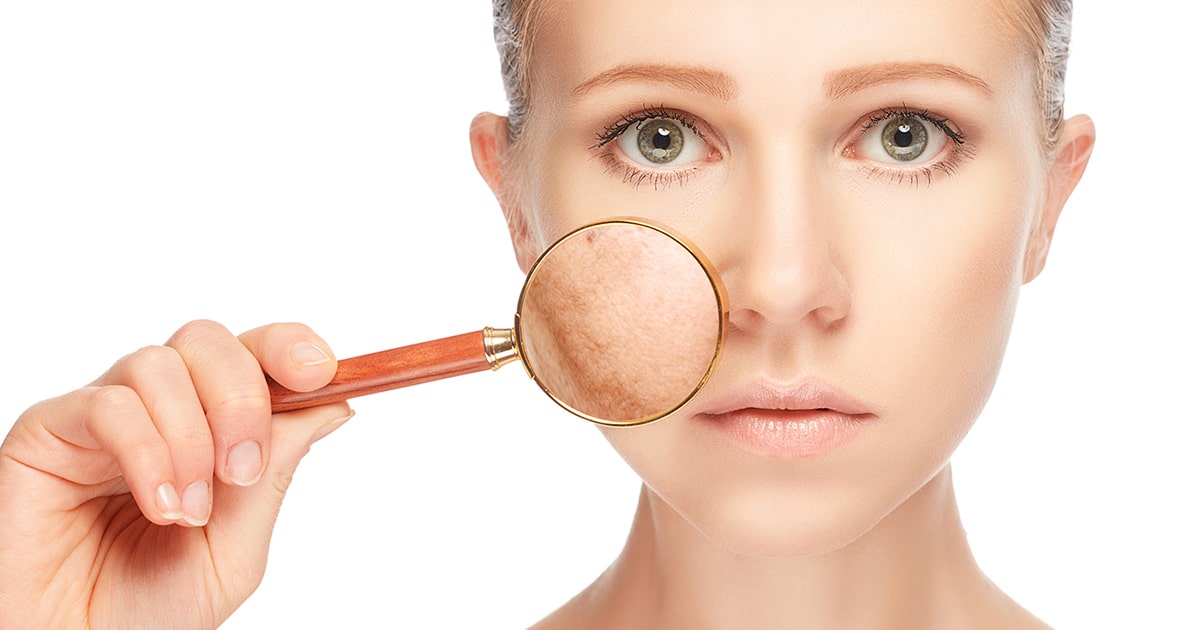
In a patient with PCOS, however, the signaling pathways governing hormonal synthesis become chronically dysregulated. Interrupted feedback loops prompt the pituitary gland to overproduce androgens while simultaneously suppressing the production of estrogen and progesterone. Because the ovaries in individuals with PCOS exhibit heightened sensitivity to circulating insulin, hyperinsulinemia frequently coexists with this hormonal imbalance. This metabolic dysfunction drives the ovarian theca cells to secrete excess testosterone.
When surplus circulating androgens bind to androgen receptors within the sebaceous glands of the skin, they stimulate sebocyte proliferation and dramatically increase sebum production. This excess oil, combined with irregular cellular shedding within the hair follicles, creates an environment where Cutibacterium acnes bacteria proliferate, resulting in deep, inflammatory, cystic lesions typically localized along the jawline, chin, and neck. Furthermore, because these breakouts are manifestations of systemic endocrine disruption, conventional surface-level treatments fail to address the underlying biochemical triggers.
Chronology of Dermatological Interventions
For decades, the standard medical approach to treating adult female acne relied heavily on topical keratolytics and systemic antibiotics. However, the recognition of PCOS as a distinct metabolic and endocrine disorder has shifted clinical timelines toward multi-modal, targeted therapies designed to normalize androgen activity and mitigate systemic inflammation.
Dietary Modification and Metabolic Regulation
Clinical observations compiled over years of nutritional endocrinology research indicate that targeted dietary interventions represent a critical first-line defense. Because ovarian hyperandrogenism is intrinsically linked to insulin resistance, stabilizing blood glucose levels directly influences testosterone production. Dermatological nutritionists frequently recommend the elimination of specific dietary inflammatory triggers, most notably dairy products. Clinical data suggest that the hormones and bioactive peptides naturally present in dairy can exacerbate insulin-like growth factor 1 (IGF-1) signaling, thereby accelerating sebum production and worsening inflammatory acne within weeks of dietary exclusion.
Prescription Retinoid Therapy
When dietary adjustments prove insufficient to clear deeply embedded lesions, dermatologists frequently turn to retinoids—derivatives of vitamin A. Introduced to the dermatological market in the early 1970s for acne management, prescription-strength topical retinoids such as tretinoin function by accelerating cellular turnover within the epithelium. By preventing dead skin cells from clumping together and blocking the pores, topical retinoids successfully prevent microcomedone formation.
For severe, recalcitrant nodulocystic acne, oral isotretinoin (commonly known by the legacy brand name Accutane) may be prescribed. Administered in weight-based dosages over a standard 15- to 20-week course, oral retinoids permanently shrink sebaceous glands and dramatically reduce oil production. However, due to its severe teratogenicity—proven to cause catastrophic fetal anomalies, spontaneous abortions, and premature birth—strict regulatory programs govern its distribution to female patients of childbearing potential. Furthermore, while retinoids successfully manage the physical symptoms of acne, clinicians emphasize that they do not correct the underlying neuroendocrine dysfunction driving PCOS.

Antiandrogen Pharmacotherapy
To directly combat the hormonal catalyst of PCOS acne, physicians frequently prescribe antiandrogen medications, also classified as androgen receptor antagonists. Compounds such as spironolactone and cyproterone acetate function by competitively binding to androgen receptor sites in target tissues, blocking testosterone and dihydrotestosterone from exerting their stimulatory effects on the sebaceous glands.
Spironolactone, originally developed as a potassium-sparing diuretic, has a clinical history spanning over three decades in female dermatology for the successful reduction of hirsutism and hormonal acne. By lowering bioavailable androgen activity, these medications help normalize skin texture and reduce inflammatory lesion counts without requiring surgical or invasive dermatological procedures.
Hormonal Contraceptives
Oral contraceptive pills (OCPs) represent another cornerstone of endocrine management for PCOS-associated skin conditions. By delivering a combination of synthetic estrogen and progestin, hormonal birth control suppresses ovarian androgen production and increases the hepatic synthesis of sex hormone-binding globulin (SHBG), which binds free testosterone and renders it inactive.

Despite their efficacy in clearing skin and regularizing the menstrual cycle, oral contraceptives carry specific clinical contraindications. Patients with a history of thromboembolism, hypertension, breast cancer, or those over the age of 35 who smoke tobacco face significantly elevated risks of life-threatening blood clots when utilizing estrogen-containing contraceptives. Moreover, clinicians note that OCPs function primarily as a symptom-masking agent; upon cessation of the medication, underlying PCOS symptoms frequently return.
Psychosocial Implications and Stress Management
The physical manifestations of PCOS extend far beyond dermatology, frequently exacting a heavy psychological toll. The co-occurrence of inflammatory cystic acne, unwanted facial hair growth (hirsutism), and metabolic weight gain often precipitates plummeting self-esteem, social anxiety, and clinical depression.
Crucially, this psychological distress triggers a physiological feedback loop. The release of cortisol—the body’s primary stress hormone—stimulates systemic inflammation and can further exacerbate sebum production, intensifying the severity of acne breakouts. Consequently, modern clinical guidelines increasingly incorporate stress-mitigation protocols into comprehensive treatment plans. Evidence-based modalities such as mindfulness-based stress reduction, structured cognitive behavioral therapy, regular low-impact exercise, and targeted sleep hygiene protocols are deployed to blunt the neuroendocrine stress response and support overall dermatological healing.
Broader Impact and Future Outlook
The management of PCOS-related hormonal acne underscores a broader paradigm shift in modern medicine: the necessity of viewing dermatology through an endocrinological lens. Because skin health serves as an external barometer of internal metabolic and hormonal stability, treating patients with PCOS requires close collaboration between primary care physicians, endocrinologists, and dermatologists.
As ongoing clinical research continues to unravel the complex interplay between insulin resistance, ovarian androgen synthesis, and cutaneous inflammation, future therapeutic pipelines will likely yield more targeted, mechanism-specific interventions. For the millions of women navigating the daily challenges of PCOS, an integrated approach combining metabolic regulation, targeted antiandrogen therapy, and psychological support offers a clear pathway toward sustained clinical remission and restored quality of life.
