
Polycystic Ovary Syndrome (PCOS) is a complex endocrine and metabolic disorder that affects an estimated 8 to 13 percent of reproductive-aged women globally, according to data from the World Health Organization (WHO). Characterized by a constellation of symptoms ranging from menstrual irregularities to metabolic disruptions, PCOS frequently manifests through outward dermatological and trichological challenges. Among the most persistent and distressing of these symptoms is hyperseborrhea, commonly known as greasy or oily hair. For millions of women, waking up with a clean slate only to experience heavy, limp, and oil-slicked locks by mid-afternoon is a daily frustration rooted deeply in internal hormonal dysregulation.
Understanding the physiological mechanisms driving this symptom is essential for developing an effective management plan. Rather than a mere consequence of poor hygiene or unsuitable cosmetics, PCOS-induced oily hair is the direct result of hyperandrogenism—an overproduction of male sex hormones, such as testosterone, by the ovaries. These elevated androgen levels stimulate the sebaceous glands across the body, including those on the scalp, causing them to produce an excess of sebum. While topical treatments offer temporary relief, clinical experts emphasize that long-term control requires a multi-pronged approach encompassing scalp health, dietary interventions, targeted nutritional supplementation, and overall metabolic regulation.
The Endocrinological Roots of Hyperseborrhea
To comprehend why standard hair care routines frequently fail women with PCOS, one must examine the endocrine pathways governing sebum production. The human scalp is densely populated with sebaceous glands, which secrete sebum—an oily substance designed to waterproof and protect the hair and skin. In individuals with PCOS, the endocrine system operates under chronic hormonal imbalances.
Clinical research published in endocrinology journals indicates that approximately 70 to 80 percent of women with PCOS exhibit hyperandrogenism, either biochemically through elevated blood tests or clinically through symptoms like hirsutism, acne, and alopecia. Testosterone and its potent derivative, dihydrotestosterone (DHT), bind to receptors on the sebaceous glands. This binding accelerates cellular proliferation within the glands and upregulates lipid synthesis. Consequently, the scalp is flooded with surplus oil that travels rapidly down the hair shaft, weighing down fine strands and creating a persistent greasy appearance.

Endocrinologists note that this hormonal cascade is frequently compounded by insulin resistance, a metabolic hallmark affecting up to 70 percent of PCOS patients, regardless of their weight. Insulin resistance forces the pancreas to secrete higher amounts of insulin to maintain normal blood glucose levels. Circulating hyperinsulinemia directly stimulates the ovaries to synthesize additional androgens, further exacerbating hyperseborrhea and creating a cyclical challenge for patients seeking symptom relief.
Elevating Scalp Care and Avoiding Common Product Pitfalls
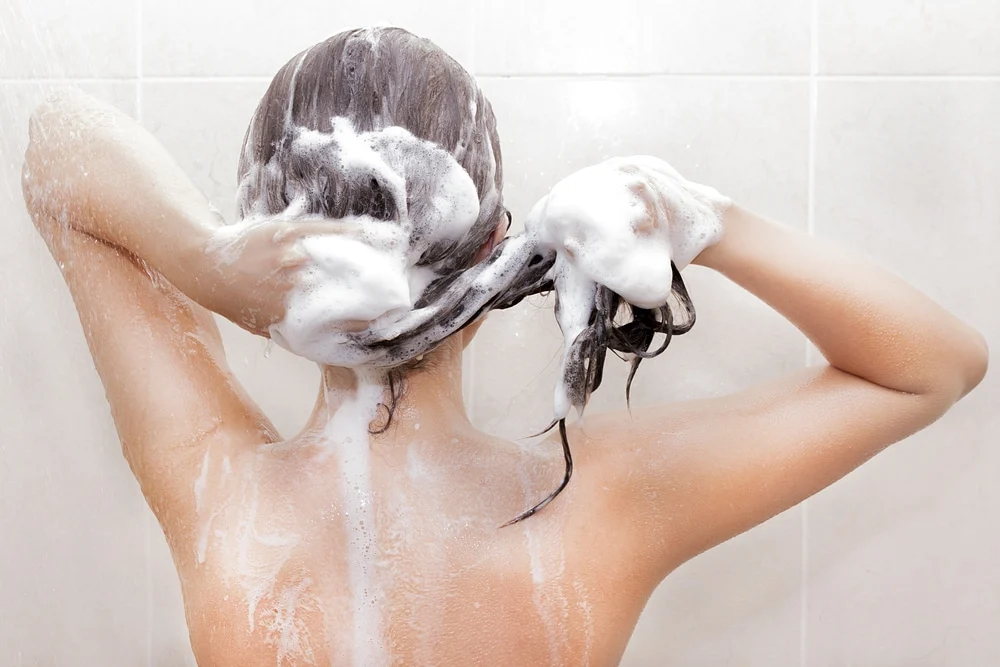
Given that the root cause of the oiliness is internal, managing the physical symptoms requires a strategic shift in external hair care regimens. Dermatologists and trichologists frequently observe that conventional commercial shampoos can inadvertently worsen scalp conditions. Many high-street hair care products contain harsh surfactants such as sodium lauryl sulfate (SLS) and sodium laureth sulfate (SLES), alongside heavy silicones and parabens.
Sulfates are synthetic cleansing agents prized by manufacturers for their ability to create a rich, bubbly lather. However, their aggressive surfactant action strips the scalp of its essential moisture barrier. When the natural lipid barrier is entirely eradicated, the scalp reacts defensively, signaling the sebaceous glands to hyper-compensate by producing even more oil. Furthermore, silicones—frequently added to conditioners and smoothing serums to impart a temporary, glossy finish—are hydrophobic polymers. They accumulate on the scalp and hair shaft over time, forming a non-soluble film that traps dirt, dead skin cells, and excess sebum. This accumulation clogs hair follicles, potentially stunting healthy hair growth and perpetuating the greasy cycle.
Transitioning to a sulfate-free, paraben-free, and silicone-free routine requires patience. Because sulfate-free formulas do not produce the familiar, dense foam associated with conventional shampoos, users often mistakenly believe the product is failing to clean the hair adequately. Hair care specialists recommend utilizing additional water rather than more product to activate the gentle cleansing agents. Over time, eliminating these chemical irritants allows the scalp’s microbiome to stabilize, reducing baseline oil production.
Integrating Strategic Clarifying Protocols
Even with a dedicated low-toxin hair care routine, environmental pollutants, hard water minerals, and natural sebum can accumulate on the scalp. To counteract this, dermatologists recommend incorporating a clarifying shampoo into the schedule on a periodic basis.

Unlike daily maintenance shampoos, clarifying formulations are engineered with stronger chelating and cleansing agents designed to strip away stubborn product residue and heavy oil buildup. However, because of their potency, overuse can lead to cuticle dehydration, structural fragility, and scalp irritation. Experts suggest a measured approach: introducing a clarifying wash once every two weeks, or adjusting to weekly intervals if living in a hard-water region or utilizing heavy styling products. Monitoring the hair’s tactile response is critical; if strands begin to feel coarse or brittle, the frequency of clarification should be reduced, and deep-conditioning treatments should be applied strictly to the mid-lengths and ends.
The Role of Frequency: Breaking the Over-Washing Cycle
A common behavioral response to greasy hair is frequent washing—often twice a day or every single morning. From a physiological standpoint, this habit can be counterproductive.
Chronically washing the hair signals the scalp that its protective coating is continually being removed, triggering a persistent feedback loop of increased sebum synthesis. Dermatological guidelines for managing seborrheic conditions often involve a tapering schedule. By gradually extending the interval between washes—moving from daily to every alternate day—patients allow the scalp’s sebaceous glands time to downregulate their output.
During the transitional adjustment phase, when the scalp is adapting to the new washing frequency, short-term management tools become invaluable. Dry shampoos serve as an effective interim solution. Formulated with starch- or clay-based powders, these products absorb excess surface sebum instantaneously. When applied correctly—held approximately 30 centimeters from the roots and massaged thoroughly into the scalp—dry shampoo not only mattifies the hair but also adds structural volume to the hair shaft, benefiting individuals experiencing fine or thinning hair textures associated with hormonal imbalances.
Metabolic Regulation: Diet, Insulin, and Exercise
Because PCOS is fundamentally a systemic metabolic and endocrine disorder, localized cosmetic fixes can only yield limited results. True, sustainable management of hyperandrogenism and its dermatological manifestations requires addressing the internal environment, specifically insulin resistance.

Clinical nutritionists advocate for a dietary framework designed to stabilize blood glucose levels and suppress hyperinsulinemia. The cornerstone of a therapeutic PCOS diet involves minimizing the intake of refined carbohydrates, added sugars, and highly processed foods, which provoke rapid insulin spikes. Instead, dietary patterns should emphasize low-glycemic-index whole foods, high-fiber vegetables, lean proteins, and healthy monounsaturated and polyunsaturated fats.
Physical activity plays an equally critical role in metabolic optimization. Structured exercise regimens—incorporating a blend of cardiovascular conditioning and resistance training—improve skeletal muscle glucose uptake independently of insulin. Clinical data demonstrates that consistent physical activity enhances insulin sensitivity, reduces circulating androgen levels, and mitigates secondary complications such as obesity and chronic systemic inflammation, which otherwise exacerbate PCOS symptoms.
Nutritional Supplementation: The Impact of Omega-3 Fatty Acids
In addition to macronutrient adjustments, specific micronutrient interventions have gained empirical support within endocrinology and dermatology. Among these, Omega-3 polyunsaturated fatty acids—abundantly found in oily fish such as salmon, mackerel, and sardines, as well as plant sources like flaxseeds and walnuts—are recognized for their therapeutic potential in PCOS management.
Randomized controlled trials investigating Omega-3 supplementation in women with PCOS have demonstrated significant reductions in circulating testosterone and free androgen index levels. Furthermore, Omega-3 fatty acids possess potent anti-inflammatory properties that help attenuate the systemic inflammation characteristic of the syndrome. From a trichological perspective, these essential fatty acids nourish the hair follicle microenvironment, supporting cellular membrane integrity, reducing scalp inflammation, and promoting optimal hair growth cycles. Healthcare providers frequently recommend integrating high-quality marine oil supplements or increasing dietary marine lipids as part of a comprehensive management strategy.
Conclusion: A Holistic Path Forward
Managing greasy hair in the context of Polycystic Ovary Syndrome underscores the intricate connection between systemic metabolic health and exterior dermatological presentation. Because hyperseborrhea is driven by internal endocrine disruptions—specifically hyperandrogenism and insulin resistance—topical interventions alone cannot provide a permanent resolution.

Achieving lasting scalp health and revitalized hair requires an integrated strategy combining gentle, non-stripping scalp care, strategic washing schedules, and targeted metabolic interventions through diet, physical activity, and evidence-based supplementation. By addressing the root physiological drivers of PCOS, individuals can successfully navigate symptom management, improving both their physical well-being and their quality of life.
