
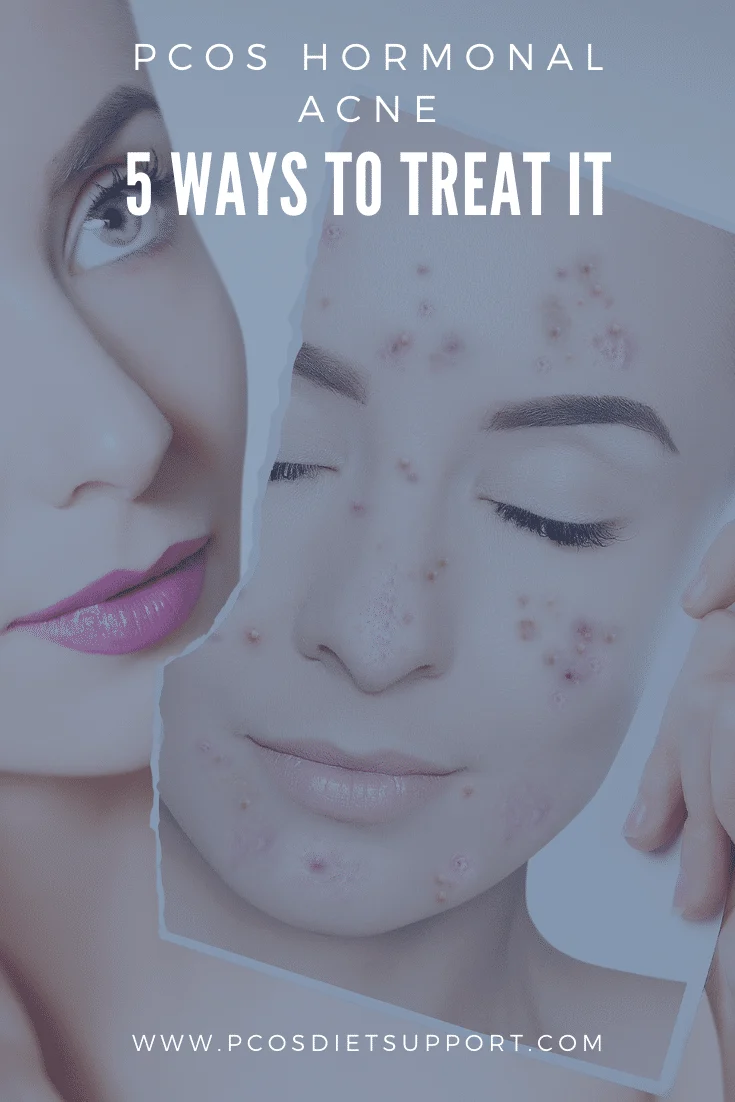
Polycystic Ovary Syndrome (PCOS) affects an estimated 8 to 13 percent of reproductive-aged women globally, presenting a complex web of metabolic and endocrine manifestations. Among the most psychologically distressing symptoms of this chronic condition is persistent hormonal acne. Unlike standard adolescent acne, which typically responds to topical over-the-counter washes and spot treatments, PCOS-related breakouts are rooted in deep-seated physiological imbalances originating within the hypothalamic-pituitary-adrenal axis and the ovaries. For the millions of women managing this condition, conventional skincare routines often prove ineffective, necessitating a multidisciplinary approach that bridges endocrinology, dermatology, and nutritional science.
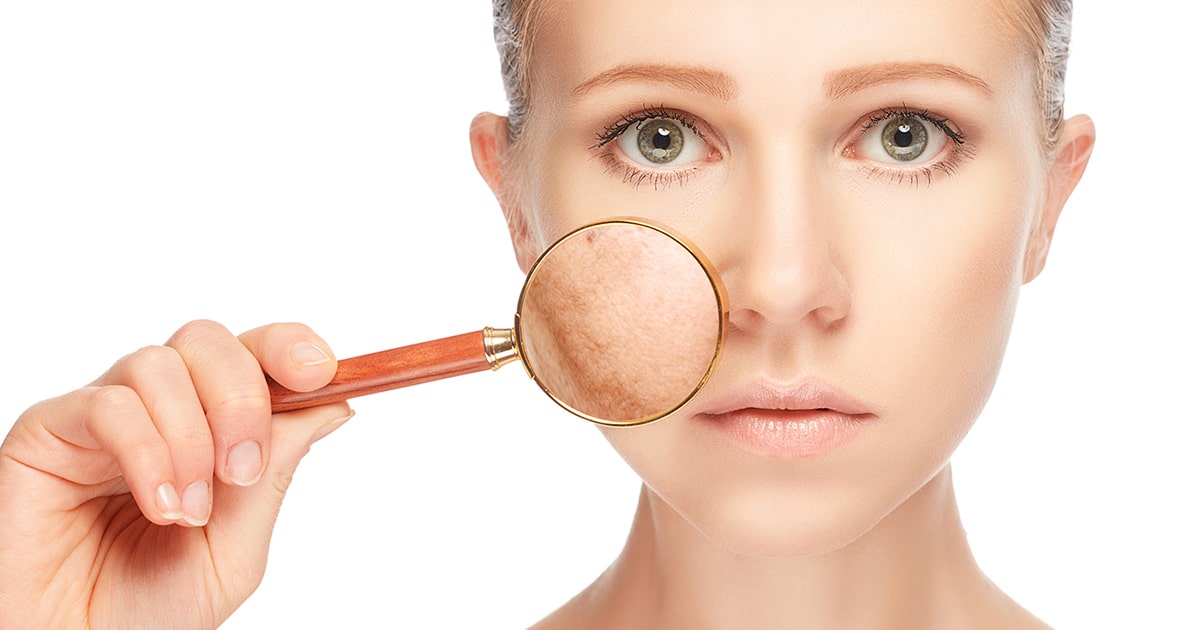
Pathophysiology: The Endocrine Origins of PCOS Acne
The root cause of acne in patients with Polycystic Ovary Syndrome lies in a cascade of hormonal dysregulation. The pituitary gland, which normally acts as the master conductor for synthesizing balanced levels of testosterone, progesterone, and estrogen, experiences disrupted signaling mechanisms in women with PCOS. This disruption frequently results in elevated production of androgens—predominantly testosterone—accompanied by a corresponding suppression of progesterone and estrogen.
While androgens are traditionally classified as male sex hormones, female bodies also require them in tightly regulated quantities for bone density maintenance and tissue repair. However, when androgen levels surge due to PCOS, sebaceous glands become hypersensitive. These glands enlarge and produce an excess of sebum, an oily substance that, when combined with trapped dead skin cells, clogs pores and creates an optimal environment for Cutibacterium acnes bacterial proliferation.
Compounding this endocrine challenge is the role of insulin resistance, a metabolic hallmark affecting up to 70 percent of women with PCOS. Elevated circulating insulin levels stimulate the ovaries to synthesize even higher quantities of testosterone, further exacerbating the skin’s inflammatory response. Consequently, dermatological manifestations rarely resolve without addressing the underlying metabolic and hormonal triggers.
The Chronology of Treatment Paradigms
Historically, the management of adult female acne—particularly cases complicated by endocrinopathies—relied heavily on standard antibiotic therapies and topical keratolytics. However, throughout the late 20th century, clinical understanding shifted significantly. The landmark introduction of prescription topical retinoids in 1971 marked a major turning point in dermatology, providing clinicians with a tool to normalize follicular epithelial cell turnover.

By the 1980s and 1990s, dermatologists and endocrinologists increasingly recognized the efficacy of systemic antiandrogen therapies, such as spironolactone, in treating the dermatological sequelae of hyperandrogenism. In contemporary clinical practice, treatment protocols have evolved into a highly personalized matrix. Modern guidelines emphasize that effective management requires a synchronous approach: combining targeted medical therapies to regulate hormones, dietary adjustments to control insulin spikes, and psychological support to mitigate the stress-acne feedback loop.
Evidence-Based Treatment Pathways
Medical professionals and dermatological researchers currently advocate for several primary interventions to manage and mitigate PCOS-related hormonal acne.

1. Nutritional Modifications and Insulin Management
Because hyperinsulinemia directly drives ovarian androgen production, stabilizing blood sugar is a critical first step in clearing the skin. Clinical observations from dietary interventions highlight the removal of specific inflammatory triggers. In particular, eliminating dairy products has been widely documented by clinical nutritionists to yield noticeable improvements in acne severity within a two-to-four-week window. Dairy products often contain bioactive hormones and can stimulate insulin-like growth factor 1 (IGF-1), which further promotes sebum production and follicular hyperkeratinization.
2. Prescription Retinoids
Topical retinoids—derived from vitamin A—remain a cornerstone of acne therapeutics. Applied topically under prescription guidance, molecules such as tretinoin accelerate cellular turnover, prevent dead skin cells from congregating within pores, and diminish the likelihood of hyperpigmentation and scarring. For severe, treatment-resistant nodulocystic acne, systemic retinoids such as oral isotretinoin may be prescribed. While highly effective, systemic retinoids require rigorous medical monitoring due to teratogenicity and potential systemic side effects, necessitating strict contraceptive protocols for female patients of childbearing potential.
3. Antiandrogen Medications
To neutralize the direct impact of excess testosterone on sebaceous glands, physicians frequently prescribe androgen receptor antagonists. Spironolactone, originally developed as a potassium-sparing diuretic, has a robust multi-decade history of safely reducing sebum production and ameliorating both hirsutism (excess facial and body hair) and hormonal acne in women with PCOS. Similarly, cyproterone acetate is utilized in various international jurisdictions to suppress androgen synthesis and improve cutaneous health.
4. Oral Contraceptives
Combined hormonal contraceptives containing both estrogen and progestin are frequently prescribed to regulate menstrual cycles and suppress ovarian androgen production. By elevating sex hormone-binding globulin (SHBG), these medications bind free testosterone, reducing its bioavailability to skin receptors. However, clinicians must carefully evaluate patient risk profiles, as oral contraceptives are generally contraindicated for women over the age of 35 who smoke, or those with a history of thromboembolism, hypertension, or high cardiovascular risk associated with metabolic syndrome.

5. Stress Mitigation Strategies
Psychological stress triggers the release of cortisol, a glucocorticoid hormone that can further stimulate sebaceous gland activity and exacerbate systemic inflammation. For women grappling with the visible symptoms of PCOS—including weight gain, facial hair growth, and acne—the emotional toll can precipitate a chronic stress loop. Integrating mindfulness-based stress reduction, consistent low-impact physical activity, and behavioral counseling into daily routines serves as an essential adjunctive therapy to lower systemic cortisol levels and support dermatological healing.
Broader Implications and Future Outlook
The burden of PCOS-related hormonal acne extends far beyond the physical discomfort of skin lesions; it profoundly impacts quality of life, professional confidence, and mental health. Traditional trial-and-error approaches utilizing generic over-the-counter regimens frequently lead to patient frustration and financial fatigue.

As medical science moves toward a more integrated model of care, healthcare providers increasingly emphasize cross-disciplinary collaboration. Endocrinologists, gynecologists, and dermatologists are aligning diagnostic and therapeutic protocols to treat PCOS as a systemic condition rather than a collection of isolated symptoms. By targeting the root endocrine imbalances through a combination of tailored nutrition, targeted pharmacology, and lifestyle modifications, patients can achieve sustained clinical remission, paving the way for improved long-term health outcomes and restored self-confidence.
