
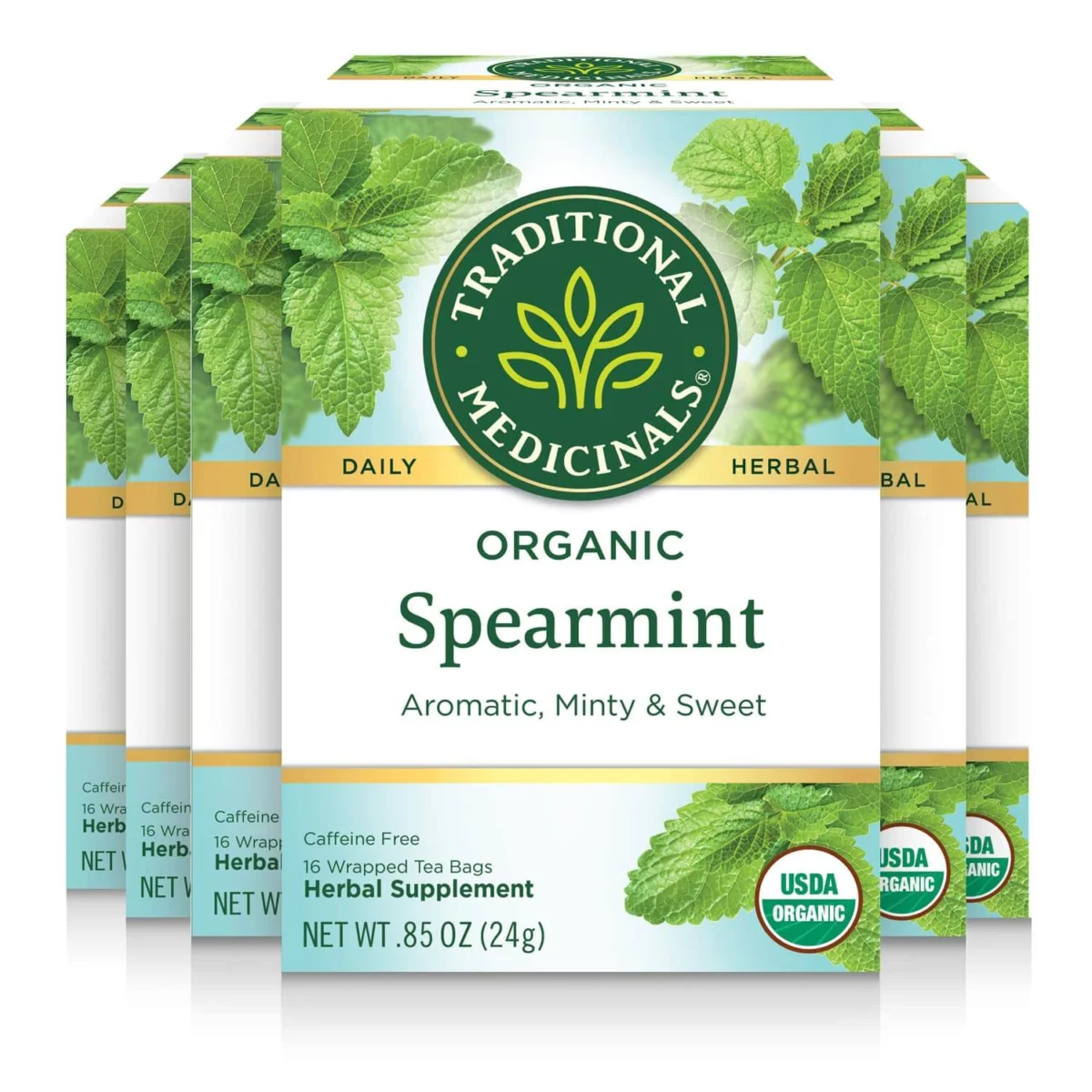
Polycystic Ovary Syndrome (PCOS) is a complex endocrine and metabolic disorder affecting an estimated 6 to 12 percent of reproductive-aged women globally, equating to millions of individuals dealing with symptoms ranging from hormonal acne and unwanted hair growth to severe metabolic irregularities. As the medical community continues to explore both pharmaceutical interventions and lifestyle modifications, recent clinical interest has turned toward natural remedies capable of mitigating the burden of this condition. Among the most promising botanical interventions gaining traction in nutritional science is spearmint tea. Valued for centuries for its culinary and medicinal properties, modern scientific inquiry is beginning to validate what traditional herbalists have long claimed: regular consumption of spearmint tea may offer significant therapeutic benefits for women navigating the physiological challenges of PCOS.
The scientific foundation supporting spearmint tea primarily centers on its potent anti-androgen properties. Elevated levels of androgens—male sex hormones such as testosterone—are a hallmark characteristic of PCOS, driving many of the most distressing symptoms experienced by patients, including hirsutism (excess facial and body hair), female-pattern hair loss, and persistent inflammatory acne. Clinical investigations into the endocrine effects of spearmint have provided measurable insight into how botanical compounds interact with human hormone regulation.
Clinical Trials and Endocrine Implications
A landmark randomized controlled trial investigating the physiological impacts of spearmint tea on women with PCOS provided foundational data for its current clinical application. In the study, 42 female participants diagnosed with PCOS were divided into two distinct cohorts: one group consumed spearmint tea twice daily for a period of one month, while the control group consumed a placebo herbal tea.
The biochemical analysis yielded notable results. Participants in the spearmint tea group exhibited significantly lower levels of total and free testosterone compared to the control group. Furthermore, the study observed an increase in luteinizing hormone (LH) and follicle-stimulating hormone (FSH), indicating a modulation of the hypothalamic-pituitary-ovarian axis. Although the one-month duration of the trial was insufficient to yield clinically measurable changes in entrenched hirsutism, subjective reporting from participants indicated a perceived reduction in unwanted hair growth.

Dermatological evaluations have similarly highlighted the efficacy of spearmint in managing PCOS-related skin conditions. A study published by the American Academy of Dermatology demonstrated that individuals consuming two cups of organic spearmint tea daily experienced a 25 percent reduction in inflammatory acne lesions after one month, with improvements increasing to 51 percent after three months of consistent intake. These findings underscore the capacity of spearmint’s bioactive constituents to systematically influence androgen-driven dermatological manifestations over time.
Metabolic Health and Blood Sugar Regulation
Beyond hormonal imbalances, PCOS is frequently intertwined with metabolic dysfunction, most notably insulin resistance. Up to 70 percent of women with PCOS exhibit some degree of insulin resistance, a condition where the body’s cells fail to respond effectively to insulin, leading to elevated circulating insulin and glucose levels. This metabolic disruption not only exacerbates hyperandrogenism by signaling the ovaries to produce more testosterone, but it also significantly increases the lifetime risk of developing type 2 diabetes and cardiovascular disease.

While human clinical trials specifically targeting insulin resistance via spearmint tea remain limited, preclinical animal studies have yielded encouraging data. Research evaluating aqueous extracts of spearmint leaves in diabetic rodent models demonstrated notable hypoglycemic, hypocholesterolemic, and antioxidant activities, resulting in a reduction in blood sugar levels. Translating these findings to human physiology suggests that incorporating spearmint tea into a comprehensive dietary strategy may assist in supporting metabolic stability and mitigating insulin resistance.
Furthermore, women with PCOS are disproportionately affected by systemic oxidative stress—an imbalance between free radicals and antioxidant defenses that contributes to chronic low-grade inflammation. Spearmint is rich in phenolic compounds and powerful antioxidants that help neutralize oxidative stress, thereby offering cellular protection and supporting overall systemic health.
Cognitive Function and Neurological Benefits

The clinical presentation of PCOS extends beyond physical and metabolic symptoms; many patients report struggling with chronic fatigue, low energy, and cognitive difficulties commonly described as "brain fog." These neurological symptoms are frequently linked to chronic inflammation, hormonal fluctuations, and metabolic exhaustion.
Emerging research into the cognitive impacts of spearmint extracts suggests potential neuroprotective benefits. A clinical study examining individuals experiencing age-associated memory impairment found that supplementation with spearmint extract over a 90-day period resulted in significant improvements in working memory, mental focus, and overall cognitive function. By reducing oxidative stress and supporting neurovascular health, spearmint compounds may help alleviate the cognitive fatigue commonly reported within the PCOS community.
Chronology of Results and Dosage Guidelines
Medical professionals and clinical researchers emphasize that botanical interventions require consistency and patience. Unlike pharmaceutical interventions designed to force immediate physiological shifts, herbal teas work gradually to modulate bodily systems. Clinical trials evaluating spearmint tea generally indicate that visible or measurable improvements in hormonal markers, skin clarity, and hair growth require sustained consumption over a period of three to six months.
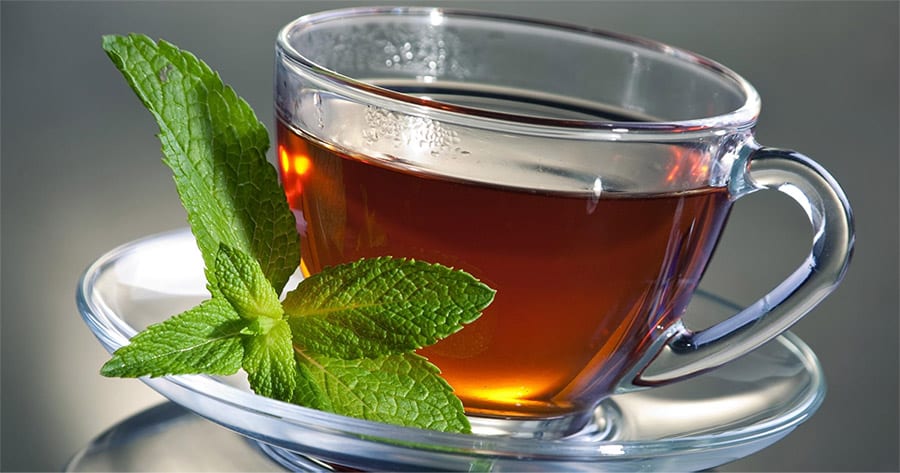
Regarding dosage, standard protocols derived from clinical research typically recommend consuming two cups of spearmint tea per day. This equates to utilizing approximately one gram of dried spearmint steeped in roughly 12 ounces of hot water. Preparation is straightforward: boiling water is poured over the loose leaves or tea bag and allowed to steep for approximately 10 minutes to ensure the extraction of active botanical compounds. The beverage can be consumed either hot or iced, depending on individual preference, without diminishing its biochemical efficacy.
Precautions, Potential Side Effects, and Contraindications

While spearmint tea is generally recognized as safe for the vast majority of the population, medical experts advise caution when introducing any new dietary supplement or herbal remedy. Mild gastrointestinal upset has occasionally been reported, particularly with the overconsumption of concentrated spearmint extracts or supplements rather than standard brewed tea.
Furthermore, individuals diagnosed with gastroesophageal reflux disease (GERD) should exercise restraint, as mint derivatives can relax the lower esophageal sphincter, potentially exacerbating acid reflux symptoms. Pregnant or breastfeeding individuals, as well as those managing complex underlying medical conditions, are strongly advised to consult a qualified healthcare professional prior to incorporating regular therapeutic doses of spearmint tea into their routines. Patients utilizing concentrated spearmint essential oils must proceed with extreme caution, as oral ingestion of essential oils should only be undertaken under direct medical supervision to prevent toxicity or incorrect dosing.
Broader Implications and Integrative Management
The integration of spearmint tea into modern wellness protocols highlights a broader shift toward integrative medicine in the management of chronic endocrine disorders. While lifestyle modifications, nutritional therapy, and pharmaceutical treatments remain cornerstones of comprehensive PCOS care, accessible dietary interventions empower patients to take an active role in managing their symptoms.
As nutritional science continues to bridge the gap between traditional herbal practices and evidence-based medicine, therapies like spearmint tea offer a low-risk, cost-effective adjunct to conventional care. By targeting the underlying drivers of hyperandrogenism, supporting metabolic equilibrium, and providing antioxidant defense, spearmint tea stands out as a valuable, science-backed tool in the multifaceted approach to polycystic ovary syndrome management.
