
For decades, the beauty and wellness industries have perpetuated a widespread belief regarding hair care: that the repetitive cycle of wetting and drying hair inherently degrades its structural integrity. Often termed "hygral fatigue," this concept has frequently been cited by dermatologists, trichologists, and digital content creators alike as a primary justification for limiting hair-washing frequency, avoiding daily showers, or investing in specialized sealing treatments. However, recent analyses from cosmetic scientists suggest that this foundational concept may be largely a scientific myth. According to updated research in hair chemistry, the simple act of water entering and leaving the hair fiber does not inherently cause structural damage, upending conventional wisdom regarding daily hygiene routines and hair health maintenance.
The persistence of the hygral fatigue narrative has heavily influenced consumer behavior, prompting many individuals to stretch the time between washes out of fear that water exposure will cause cumulative, irreversible harm. To evaluate the validity of these claims, experts have returned to the fundamental molecular architecture of human hair, examining how water interacts with internal bonds and outer cuticles at a microscopic level. While the implications of these findings do not eliminate the need for gentle handling—particularly given that hair exhibits increased fragility when wet—they fundamentally redefine the relationship between daily washing and structural hair degradation.
Molecular Mechanics and the Chemistry of Hair Bonds
To understand why hygral fatigue is scientifically implausible, one must first examine the chemical bonds that hold human hair together. Hair is primarily composed of a tough, fibrous protein called keratin, which relies on a network of chemical bonds to maintain its shape, elasticity, and strength. These include permanent covalent disulfide bonds, which determine the hair’s inherent curl pattern and overall strength, and temporary hydrogen bonds, which are easily disrupted and reformed by moisture and thermal styling.
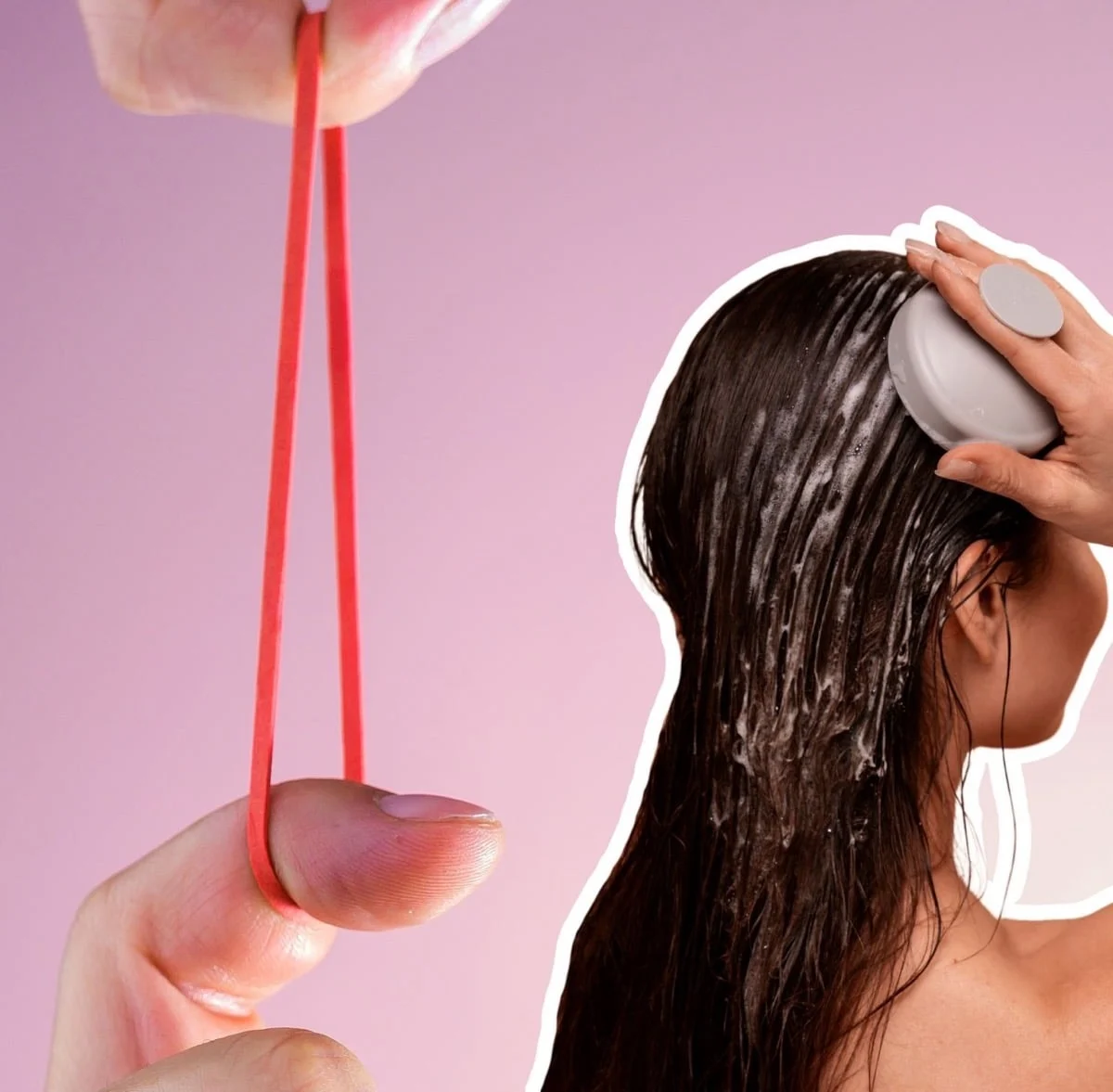
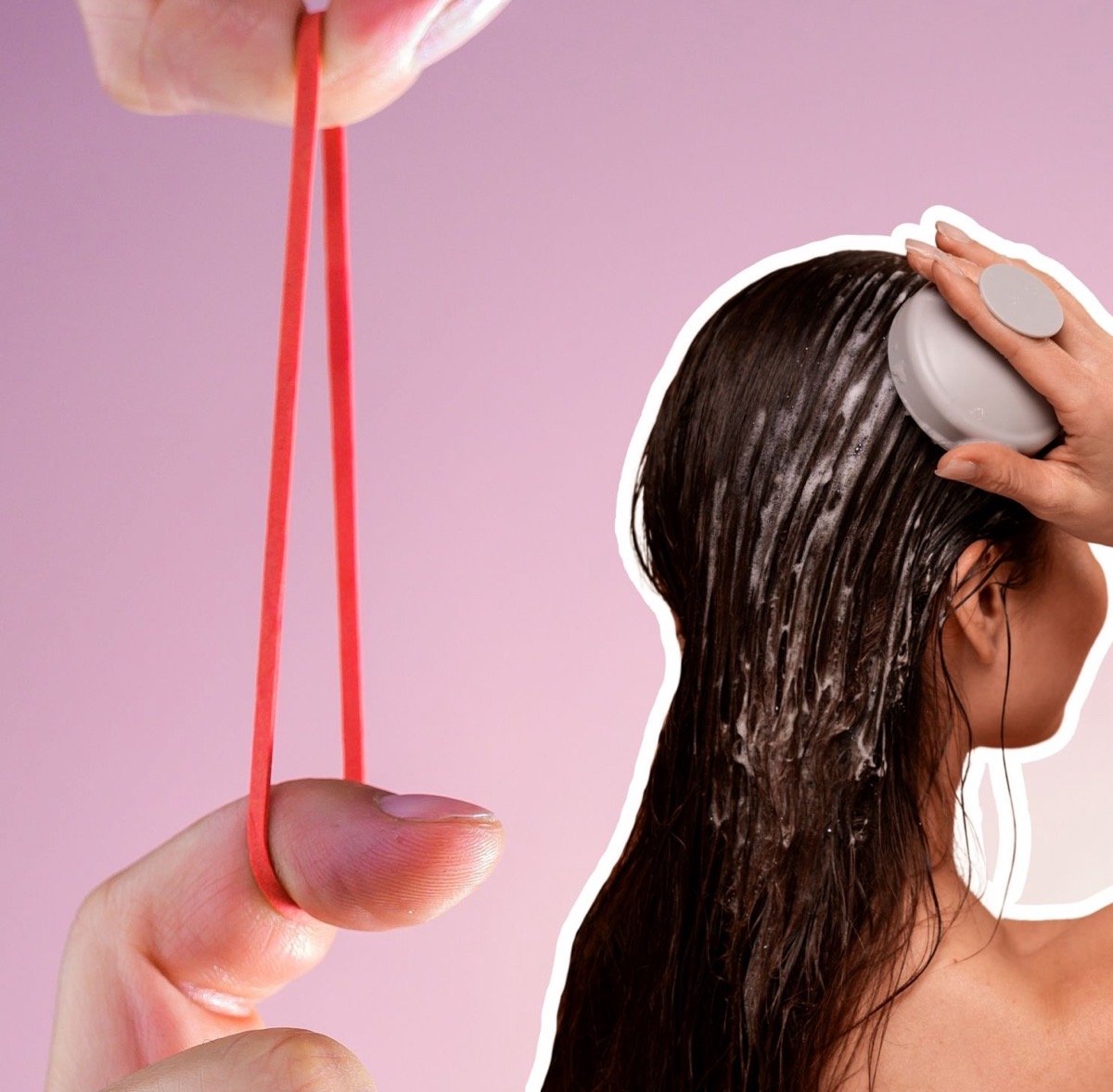
When water penetrates the hair shaft, it interacts primarily with these temporary hydrogen bonds. Popular analogies often compare this process to stretching a rubber band repeatedly until it snaps from fatigue. In a rubber band, mechanical stretching breaks permanent polymer chains that cannot repair themselves, eventually accumulating into microscopic fractures. Hair, however, functions entirely differently. Water breaks hydrogen bonds temporarily, but these bonds reform spontaneously and effortlessly as the hair dries. The atoms involved in hydrogen bonding are exceptionally durable, possessing protons and electrons that do not wear down through repeated wetting and drying cycles.
A more accurate mechanical analogy involves interlocking Lego bricks. The pieces can be taken apart and reassembled indefinitely without losing their structural integrity. Consequently, the cyclical swelling and deswelling of hair caused by water absorption does not result in cumulative fatigue. Nevertheless, wet hair does exhibit a temporarily compromised tensile strength compared to dry hair, meaning that aggressive detangling or rough towel-drying while wet can lead to physical breakage. Yet, this damage stems from mechanical manipulation rather than the water molecules themselves moving in and out of the fiber.
Scrutinizing Peer-Reviewed Literature on Hair Drying
The genesis of the hygral fatigue myth can be traced partly to misinterpretations of historical peer-reviewed literature. Over the years, several scientific studies have investigated hair damage related to washing, drying, and moisture retention, though their findings have frequently been extrapolated beyond their original scope.
A prominent point of reference in these discussions is a 2011 study examining the effects of various hair-drying methods on hair shaft morphology. Researchers in that study evaluated damage patterns resulting from natural air drying versus blow-drying at varying distances and temperatures. While the study concluded that controlled low-temperature blow-drying minimized certain types of surface disruption, it also observed unusual structural anomalies—specifically, localized bulges—in air-dried hair samples. The original researchers hypothesized that these bulges were a consequence of prolonged swelling caused by retained moisture during the air-drying process.
Cosmetic scientists and industry researchers have since questioned the validity of this specific conclusion. Natural air drying is a universal human practice and a standard baseline across biological and cosmetic experiments. If air drying inherently caused severe structural bulges, such phenomena would be systematically documented across a vast body of trichological research. Instead, independent reviewers suggest that the anomalies observed in the 2011 study were likely the result of experimental artifacts, sample preparation inconsistencies, or pre-existing environmental damage—such as ultraviolet degradation—sustained by the specific biological samples before collection.
The Coconut Oil Controversy and Moisture Barriers
Further compounding the hygral fatigue discourse are commercial studies evaluating the efficacy of lipid-based treatments, particularly coconut oil, in protecting hair. Multiple scientific investigations published over the past two decades have proposed that applying coconut oil to hair can create a hydrophobic barrier, thereby preventing excessive water absorption and mitigating purported hygral fatigue. While several of these papers explicitly invoke the term hygral fatigue, a critical review reveals that they frequently omit citations to empirical evidence demonstrating that hygral fatigue actually occurs in vivo.
Moreover, the mechanism by which coconut oil interacts with hair moisture has faced methodological challenges. Early experiments utilizing dynamic vapor sorption apparatuses measured weight changes in oil-coated hair exposed to varying humidity levels. Because hair treated with coconut oil showed a smaller percentage increase in weight compared to untreated hair, researchers concluded that the oil successfully blocked moisture absorption.
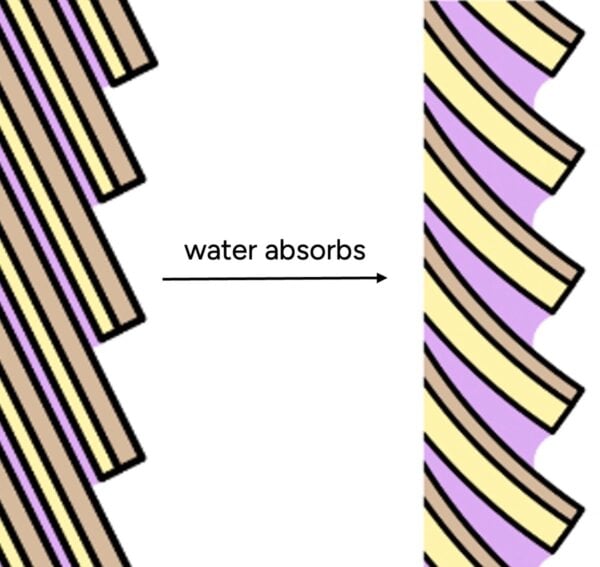
However, independent hair scientists, such as Trefor Evans, have pointed out potential mathematical and experimental errors in these conclusions. Because the baseline weight of the hair increases after the application of oil, calculating absorbed water as a percentage of total fiber weight inherently yields a smaller relative value. In reality, the complex structural geometry of the hair cuticle—resembling overlapping pinecone scales with microscopic gaps—makes it virtually impossible for topical oils to completely seal out microscopic water vapor. The overall moisture content of a human hair fiber remains heavily governed by the ambient relative humidity of its surrounding environment rather than surface-applied sealants.
Industry Implications and Recommendations for Hair Care Routines
Despite the scientific refutation of moisture-blocking claims, lipid treatments such as coconut oil retain significant practical value for hair health. Rather than acting as impermeable moisture barriers, botanical oils function primarily as surface lubricants. By smoothing the cuticle scales, oils reduce friction during combing and styling, thereby preventing mechanical surface wear and tear. Furthermore, research indicates that coconut oil possesses a unique molecular structure allowing it to penetrate deeper into the hair fiber than many other mineral or vegetable oils. This penetration helps fill microscopic voids within the cell membrane complex—the lipid-rich matrix binding the internal cells of the hair shaft together—which can reduce internal cracking and enhance overall resilience.
The debunking of hygral fatigue carries substantial implications for consumer habits and personal care routines. For years, individuals with textured, curly, or porous hair types were advised to minimize washing to prevent structural degradation from water exposure. Dermatological and cosmetic science consensus now indicates that daily or frequent washing is entirely safe for hair health, provided that proper conditioning agents are utilized and mechanical handling remains gentle.
As regulatory bodies, cosmetic chemists, and independent science communicators continue to disseminate findings based on molecular mechanics rather than marketing lore, consumer routines are shifting. The focus of modern hair care is moving away from the fear of water exposure and toward proper mechanical handling, thermal protection, and evidence-based conditioning practices. Ultimately, water remains a fundamental component of hair hydration and cleansing, posing no inherent threat to the structural longevity of human keratin fibers.
