

For many, the transition into adulthood is marked by the shedding of adolescent insecurities, yet for a significant portion of the population, a persistent dermatological condition can serve as a lifelong reminder of physical trauma. A 40-year-old Canadian lawyer, who has requested anonymity to discuss the private nature of her dermatological journey, offers a sobering perspective on the intersection of chronic skin conditions, mental health, and the societal pressures placed on individuals with visible facial scarring. Her narrative, which began during her undergraduate studies and intensified during her thirties, serves as a poignant case study of the "silent" epidemic of adult acne and the complex, often debilitating, emotional residue it leaves behind.
The Chronology of a Condition
The subject’s experience with acne began at age 20, a common period for hormonal shifts and stress-induced breakouts. However, the trajectory of her condition shifted dramatically in her early thirties. What began as manageable breakouts transformed into a "relentless" progression of deep, cystic acne.
For many, the physical manifestation of acne is only the initial stage. The subject notes that within a matter of months, her facial landscape was fundamentally altered by painful, inflamed lesions. As an individual of South Asian descent, she faced an additional hurdle: the physiological predisposition toward post-inflammatory hyperpigmentation (PIH). In darker skin tones, the inflammatory process often triggers an overproduction of melanin, resulting in persistent dark spots that can take years to fade, if they fade at all. This specific biological response not only complicates the treatment path but also creates a dual burden: the physical indentation of scarring combined with the visual permanence of discoloration.

The Intersection of Culture and Stigma
Beyond the clinical aspects of the condition, the subject highlights the compounding effect of cultural perception. In many South Asian communities, skin clarity is often conflated with health, status, and desirability. The subject recalls that unsolicited comments—often described as callous or insensitive—were a regular occurrence. This social pressure, combined with the professional demands of a career in law, created an environment where the subject felt constantly scrutinized.
The psychological impact of facial disfigurement is well-documented in medical literature. Dermatologists often observe a phenomenon where the severity of the patient’s distress does not necessarily correlate with the clinical severity of the acne. Even mild scarring can lead to social withdrawal, body dysmorphic tendencies, and severe anxiety. For this subject, the mirror became an object of dread, and social settings were approached with a tactical strategy to avoid harsh lighting or close-up interactions.
Supporting Data and Dermatological Context
Medical research indicates that adult-onset acne is increasingly prevalent, particularly among women. According to the American Academy of Dermatology (AAD), acne affects up to 50 million Americans annually, with a growing number of adults seeking treatment for acne that persists well into their 30s, 40s, and 50s. The psychological toll is statistically significant; studies published in the Journal of the American Academy of Dermatology have demonstrated that acne patients experience higher rates of depression, anxiety, and unemployment compared to the general population.
The cost of treatment and the difficulty of finding effective remedies are also significant barriers. For patients with deep cystic scarring, standard over-the-counter topicals are often ineffective. Clinical interventions such as laser resurfacing, chemical peels, and microneedling represent substantial financial investments, often categorized as "cosmetic" by insurance providers, thereby leaving patients to shoulder the burden of treatment costs alone.
Clinical Perspectives on Acne Scarring
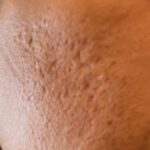
Dermatologists emphasize that the "wait and see" approach is no longer the standard of care for cystic acne. Because cystic lesions penetrate deep into the dermis, they carry a high probability of permanent scarring. Early intervention is critical to preventing the type of long-term damage described by the subject.
"When we talk about acne, we aren’t just talking about a surface-level inconvenience," says Dr. Elena Rossi, a dermatologist specializing in inflammatory skin conditions. "We are talking about a systemic inflammatory process that has the potential to leave permanent structural changes in the skin. The emotional component is equally systemic. When a patient feels they have lost control over their appearance, it disrupts their self-identity."
For patients of color, the medical community is increasingly acknowledging the need for tailored treatment plans. Standard lasers or high-intensity light therapies that work for lighter skin tones can sometimes exacerbate hyperpigmentation or cause burns in deeper skin tones. The development of specialized protocols for melanin-rich skin is an active area of research, yet access to these specialized treatments remains uneven across different geographic and socioeconomic sectors.
The Burden of Unrealistic Beauty Standards
The subject’s reflection on the "unrealistic beauty expectations" of the modern era touches upon a broader societal issue. With the rise of high-definition photography, social media filters, and a beauty industry that relentlessly markets "glass skin," the bar for what is considered acceptable is higher than ever.
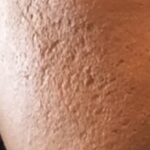
The subject notes that she limits her social media engagement, recognizing that the curated, filtered reality presented online is a primary driver of the shame she feels. This sentiment is echoed by mental health professionals who specialize in body image. The "filter culture" creates a psychological dissonance for individuals whose natural skin texture does not match the airbrushed perfection seen on digital platforms. This phenomenon is particularly damaging for younger generations, who are being socialized to view their natural skin texture as a flaw to be corrected rather than a biological reality.
Navigating the Path to Resilience
Despite the ongoing struggle, the subject finds a glimmer of resilience in the development of empathy. By experiencing the vulnerability that comes with a visible, often misunderstood condition, she has cultivated a deeper, more profound compassion for others dealing with facial disfigurement or injury. This "empathy expansion" is a common byproduct of chronic health struggles, where the sufferer learns to look past physical aesthetics to understand the internal human experience.
For those currently navigating the early stages of acne or the aftermath of scarring, the subject offers advice that centers on proactivity and self-advocacy. She stresses the importance of thorough research and the pursuit of qualified dermatological care rather than relying solely on anecdotal remedies or social media trends.
Implications for the Future of Dermatology
The case of the anonymous Canadian lawyer highlights a critical need for the medical and psychological communities to work in tandem. The future of acne treatment must move beyond the clinical clearing of pores and address the holistic health of the patient. This includes:

- Integrated Mental Health Support: Integrating counselors or therapists into dermatology practices to help patients manage the psychological trauma associated with skin conditions.
- Inclusive Clinical Training: Ensuring that medical professionals are trained in the nuances of treating skin of color, thereby reducing the risk of complications and improving treatment outcomes.
- Policy Reform: Re-evaluating the classification of "cosmetic" procedures for acne scarring. If a condition is proven to cause significant psychological distress and social impairment, there is a strong argument for insurance coverage for reconstructive procedures.
- Public Awareness Campaigns: Shifting the narrative around skin health to promote the normalization of skin texture, including scars, hyperpigmentation, and the realities of aging.
As the subject poignantly notes, the weight of carrying scars on one’s face is a heavy one. However, by bringing these experiences into the public discourse, there is a potential for a shift in societal attitudes. The goal is not merely to "cure" the skin, but to create a culture that is more resilient to the pressures of perfection and more empathetic toward the diverse realities of the human condition. While she may not yet have found total peace with her reflection, her willingness to speak out serves as a reminder that the scars, while visible, do not define the entirety of an individual’s worth or professional success. The journey toward acceptance is not a destination but a series of small, often difficult, daily victories.
