

Polycystic Ovary Syndrome (PCOS) is a complex endocrine and metabolic disorder affecting an estimated 8 to 13 percent of reproductive-aged women globally. Beyond the reproductive challenges it presents, one of the most persistent and distressing clinical manifestations of the condition is weight management resistance. For individuals diagnosed with PCOS, shedding excess weight frequently feels like an unyielding uphill battle, deeply rooted in the physiological mechanisms of the syndrome itself.
Clinical research demonstrates that weight gain in PCOS is not merely a consequence of lifestyle factors, but rather the direct result of interrelated endocrine disruptions. To address this clinical hurdle, medical practitioners and researchers increasingly focus on targeted nutritional supplementation as an adjunct to lifestyle interventions. Below is an examination of five key supplements—Inositol, N-acetylcysteine (NAC), Omega-3 fatty acids, Berberine, and Vitamin D—evaluated for their efficacy in supporting metabolic regulation and weight loss in patients with PCOS.
The Metabolic Framework: Why Weight Loss is Challenged in PCOS
The fundamental drivers of weight retention in PCOS are insulin resistance, chronic low-grade systemic inflammation, and hyperandrogenism (elevated levels of male hormones). Understanding these underlying physiological pathways provides crucial context for why standard weight-loss paradigms often fail for this demographic.
Insulin resistance is present in up to 70 to 80 percent of women with PCOS, regardless of whether they have a higher body mass index (BMI). When cells become resistant to insulin, the pancreas compensates by secreting higher volumes of the hormone into the bloodstream. Chronically elevated insulin—hyperinsulinemia—signals the body to store energy preferentially as visceral adipose tissue, particularly around the abdomen. Furthermore, excess insulin stimulates the ovaries to produce higher levels of testosterone. Elevated androgens amplify abdominal fat storage, increase appetite, and suppress the body’s natural capacity to oxidize fat, thereby locking the individual into a challenging metabolic feedback loop.
Simultaneously, imbalances in estrogen, progesterone, and metabolic hormones further hinder weight regulation, often triggering intense carbohydrate cravings and metabolic sluggishness. Consequently, medical consensus dictates that successful weight management for PCOS patients requires interventions that directly target insulin sensitivity and hormonal balance, rather than simple caloric restriction alone.
1. Inositol: Restoring Insulin Signaling at the Cellular Level
Inositol, historically classified as Vitamin B8 though technically a carbocyclic sugar alcohol, has emerged as a cornerstone in the nutritional management of PCOS. Naturally synthesized by the human body and found in various foods, inositol acts as a secondary messenger in cellular signaling, playing a pivotal role in glucose uptake and the action of insulin.
Mechanism of Action and Clinical Efficacy
In women with PCOS, the intracellular signaling pathways dependent on inositol are frequently impaired, contributing significantly to insulin resistance. Clinical data indicate that supplementing with specific stereoisomers of inositol—namely myo-inositol (MI) and D-chiro-inositol (DCI)—improves insulin receptor sensitivity. By enhancing the body’s utilization of insulin, these supplements reduce the systemic demand for high insulin production.

Lower circulating insulin levels consequently signal the ovaries to decrease testosterone synthesis. Clinical trials have documented that this reduction in hyperandrogenism leads to improvements in menstrual regularity, a decrease in hirsutism and acne, and statistically significant reductions in body weight and BMI.
Administration and Safety Profile
Inositol is typically available in powder and capsule formulations. Extensive research points to an optimal physiological ratio of 40:1—specifically 4 grams of myo-inositol paired with a corresponding dose of D-chiro-inositol daily. Side effects are generally rare and mild, occasionally manifesting as transient gastrointestinal discomfort, nausea, or headaches during the initial days of integration.
2. N-Acetylcysteine (NAC): Combating Oxidative Stress and Insulin Resistance
N-acetylcysteine (NAC) is the acetylated variant of the amino acid L-cysteine. For decades, clinical medicine has utilized NAC for its mucolytic properties and its capacity to replenish glutathione, the body’s master endogenous antioxidant. In recent years, endocrinologists have increasingly studied its utility in managing endocrine disorders.
Role in Metabolic Regulation
Chronic low-grade inflammation is a hallmark of PCOS, exacerbating insulin resistance and impairing metabolic function. NAC addresses these pathways by reducing systemic inflammation and improving insulin sensitivity at the cellular level. By mitigating oxidative stress, NAC helps restore normal ovarian function, promotes regular ovulation, and improves fertility metrics among women attempting to conceive.

Furthermore, clinical investigations show that NAC positively influences adiponectin, a protein hormone involved in regulating glucose levels and fatty acid breakdown. Elevated adiponectin levels support enhanced metabolic rate and fat oxidation, facilitating gradual weight loss.
Dosage and Considerations
Clinical protocols for PCOS generally utilize daily doses ranging from 600 milligrams to 1,200 milligrams, administered under medical supervision. While NAC is well-tolerated by the majority of patients, mild gastrointestinal upset or skin rashes may occasionally occur. Patients with a clinical history of asthma should exercise caution, as inhaled or oral forms can occasionally trigger bronchospasm.
3. Omega-3 Fatty Acids: Modulating Lipid Profiles and Reducing Visceral Adiposity
Omega-3 polyunsaturated fatty acids—specifically eicosapentaenoic acid (EPA) and docosahexaenoic acid (DHA)—are essential nutrients that the human body cannot synthesize independently. Epidemiological and clinical studies consistently reveal that women with PCOS frequently exhibit suboptimal circulating levels of omega-3 fatty acids compared to the general population.
Impact on Inflammation and Weight Loss
Omega-3 supplementation exerts profound anti-inflammatory effects by inhibiting inflammatory cytokine pathways. Within the context of PCOS, these healthy fats contribute to improved lipid profiles, reduced cardiovascular risk markers, and enhanced insulin sensitivity.

From a weight management perspective, clinical trials involving overweight women with PCOS demonstrate that consistent omega-3 supplementation correlates with notable reductions in body weight, decreased waist circumference, and lower overall BMI. Additionally, omega-3 fatty acids have been observed to assist in appetite regulation by influencing satiety hormones, thereby supporting adherence to a balanced nutritional plan.
Dietary and Supplemental Sources
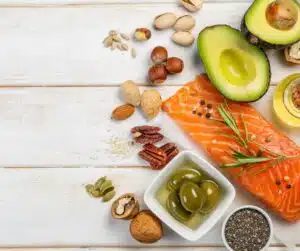
Primary marine sources include fatty fish such as wild salmon, mackerel, sardines, and anchovies. For individuals following vegetarian or vegan diets, algae-derived supplements, flaxseeds, chia seeds, and walnuts offer plant-based alternatives. High-quality marine oil supplements in liquid or capsule formats remain a reliable method for achieving therapeutic dosages.
4. Berberine: A Botanical Compound Targeting Metabolic Pathways
Berberine is a bioactive alkaloid extracted from various plants of the Berberis genus, possessing a long history of utilization in traditional herbal systems. Modern clinical pharmacology has validated many of its metabolic applications, frequently comparing its efficacy to conventional pharmaceutical insulin-sensitizing agents.
Mechanisms Supporting Weight Management
Berberine operates through several distinct physiological pathways. Primarily, it activates adenosine monophosphate-activated protein kinase (AMPK), an enzyme often referred to as the body’s "master metabolic switch." Activation of AMPK stimulates glucose uptake into cells, improves insulin sensitivity, and encourages fatty acid oxidation in the liver.
In addition to its metabolic benefits, berberine has been shown to modulate the gut microbiome, fostering an environment favorable to short-chain fatty acid production, which correlates with improved metabolic health and reduced systemic inflammation. By stabilizing blood glucose levels, berberine effectively dampens the sharp glycemic fluctuations that drive intense carbohydrate cravings and subsequent overeating.
5. Vitamin D: Addressing Deficiency to Support Endocrine Function
Vitamin D functions as a fat-soluble secosteroid hormone rather than a standard micronutrient, influencing the expression of numerous genes involved in insulin signaling, inflammatory response, and metabolic regulation.
Clinical Implications for PCOS
Clinical data indicate that a substantial majority of women diagnosed with PCOS suffer from concurrent Vitamin D deficiency or insufficiency. Low Vitamin D status is directly linked to the exacerbation of insulin resistance, chronic inflammation, and elevated androgen levels.
Restoring optimal serum concentrations of Vitamin D has been shown in clinical trials to improve insulin sensitivity, decrease circulating androgen levels, and facilitate fat loss when combined with appropriate dietary measures. Furthermore, adequate Vitamin D levels support mental health by aiding in neurotransmitter synthesis, potentially mitigating the anxiety and depressive symptoms frequently reported within this patient population.
Sources and Supplementation
While endogenous synthesis occurs via adequate exposure to ultraviolet-B (UV-B) sunlight, geographical limitations, lifestyle factors, and skin pigmentation frequently necessitate dietary intake or supplementation. Foods rich in Vitamin D include egg yolks, fatty fish, and fortified dairy or plant-based alternatives. Given the risk of hypercalcemia associated with excessive intake, patients should undergo baseline 25-hydroxyvitamin D blood testing to determine appropriate individualized supplemental dosages under clinical guidance.
Broader Implications and Comprehensive Management
While targeted supplementation with compounds such as inositol, NAC, omega-3 fatty acids, berberine, and Vitamin D offers scientifically validated support for metabolic health, experts emphasize that supplements represent only one component of a comprehensive treatment strategy.
Endocrinologists and registered dietitians advocate for a multi-modal approach that integrates evidence-based nutritional modifications, consistent structured physical activity, and effective stress management protocols. Addressing sleep hygiene and cortisol regulation is equally vital, as chronic stress significantly worsens insulin resistance and abdominal weight retention.
Patients considering the integration of any new nutritional supplement into their healthcare regimen are strongly advised to consult with a qualified physician or endocrinologist. Professional medical guidance ensures safe administration, appropriate dosage calibration, and the prevention of potential interactions with existing pharmaceutical interventions, ultimately fostering sustainable long-term health outcomes for individuals managing Polycystic Ovary Syndrome.
