
For a significant portion of the global female population, the arrival of menstruation is regarded as a routine inconvenience, typically managed with over-the-counter analgesics, dietary comforts, and rest. However, for the estimated 10 percent of women of reproductive age worldwide who live with Polycystic Ovary Syndrome (PCOS), the physiological reality of the menstrual cycle is markedly different. This complex endocrine disorder fundamentally alters reproductive physiology, often rendering conventional approaches to menstrual management wholly inadequate. Sufferers face a constellation of debilitating symptoms that frequently extend beyond simple discomfort, requiring an elevated, multi-faceted clinical and lifestyle intervention strategy to maintain baseline daily functioning.
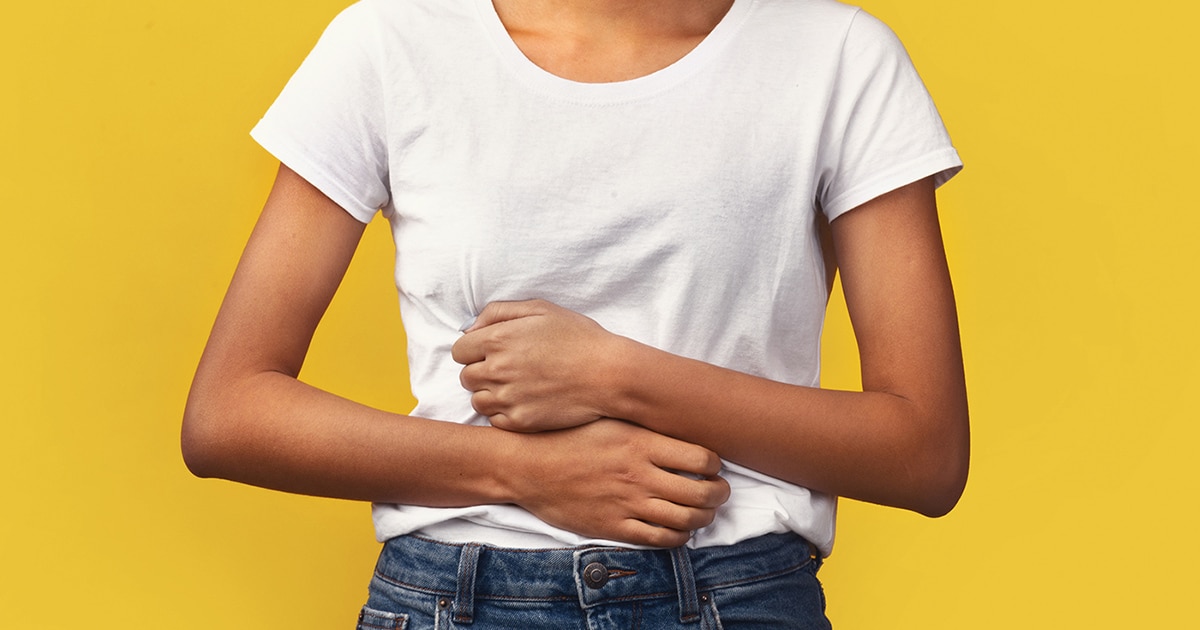
PCOS is characterized by a triad of diagnostic features: excess androgen production, polycystic ovarian morphology (enlarged ovaries containing numerous small fluid-filled follicles), and ovulatory dysfunction resulting in irregular, unpredictable, or absent periods. When menstruation does occur for individuals with PCOS, it is frequently accompanied by profound dysmenorrhea—severe, painful uterine cramping. Because these cycles are often irregular, the resulting uterine lining buildup can be significantly thicker, leading to heavier bleeding, the passage of large clots, and an intensified muscular response from the uterus. This leaves many patients physically incapacitated, unable to sustain employment, academic, or social routines. Traditional remedies, such as mild analgesics paired with rest, routinely fail to control the depth of pain associated with endocrine-driven dysmenorrhea, necessitating a specialized framework of care.
Understanding the Mechanisms of PCOS-Associated Dysmenorrhea
To comprehend why individuals with PCOS experience heightened levels of menstrual pain, it is necessary to examine the underlying biological processes of menstruation. During a typical cycle, the muscular walls of the uterus contract to facilitate the shedding and expulsion of the endometrial lining. These contractions are regulated by prostaglandins, a group of lipid compounds derived from fatty acids that exert hormone-like effects on the reproductive system.
While moderate prostaglandin activity is a normal component of menstruation, elevated concentrations of these compounds trigger hyper-contractions of the myometrium, severely constricting blood flow and oxygen supply to the uterine tissue. This oxygen deprivation leads directly to ischemic pain, clinically recognized as dysmenorrhea. Dysmenorrhea is broadly classified into two categories: primary dysmenorrhea, which involves common menstrual cramps without an underlying pelvic pathology, and secondary dysmenorrhea, where pain is directly attributable to a distinct reproductive disorder, such as endometriosis, uterine fibroids, or PCOS.
Clinical literature underscores a distinct correlation between polycystic ovarian morphology and exacerbated primary or secondary dysmenorrhea. A notable 2019 study published in Obstetrics & Gynecology Science investigated the prevalence and characteristics of menstrual pain in relation to ovarian morphology, noting that young women presenting with polycystic ovaries frequently report significantly higher pain scores and more intense systemic symptoms. Beyond deep aches and stabbing sensations localized in the lower abdomen, pelvis, and lumbar region—often radiating down the anterior thighs—affected individuals frequently endure systemic manifestations. These include gastrointestinal disturbances such as loose stools and vomiting, autonomic symptoms like dizziness and severe fatigue, and high-volume blood loss that significantly increases the lifetime risk of developing secondary iron-deficiency anemia.
The Evolution of Clinical and Holistic Pain Management
Historically, women’s health concerns, particularly regarding menstrual disorders, have experienced under-representation in clinical research and therapeutic development. For generations, patients presenting with severe menstrual pain were routinely told to endure the discomfort as an immutable aspect of womanhood. However, advances in endocrinology, gynecology, and nutritional science over the past two decades have driven a paradigm shift. Modern clinical consensus now recognizes PCOS as a systemic metabolic and endocrine condition rather than merely a localized reproductive anomaly.
This expanding scientific understanding has paved the way for a diverse taxonomy of evidence-based interventions. Rather than relying on a single pharmaceutical or lifestyle adjustment, contemporary protocols advocate for a comprehensive, holistic approach. By integrating conventional pharmacology with targeted nutritional modifications, physical activity regimens, and stress-reduction techniques, healthcare providers can help patients mitigate the inflammatory cascade responsible for severe PCOS cramps.
Eight Evidence-Based Strategies for Managing PCOS Cramps and Period Pain
Mitigating the severity of menstrual pain in the context of PCOS requires targeting the root drivers of discomfort: systemic inflammation, elevated prostaglandin synthesis, insulin resistance, and hormonal imbalance. Medical and wellness professionals recommend an integrated protocol comprising eight primary strategies.
1. Targeted Pharmacological Intervention with NSAIDs
Nonsteroidal anti-inflammatory drugs (NSAIDs), such as ibuprofen, naproxen, and high-strength formulations, remain a primary frontline defense against dysmenorrhea. For individuals with PCOS, NSAIDs serve a dual purpose: they alleviate pain while simultaneously addressing the mechanisms driving heavy menstrual bleeding.
Pharmacologically, NSAIDs act by inhibiting cyclooxygenase (COX) enzymes—specifically COX-1 and COX-2. These enzymes are catalysts in the biosynthesis of prostaglandins. By suppressing COX activity, NSAIDs successfully reduce the systemic concentration of prostaglandins available to signal myometrial contractions. With fewer of these lipid compounds circulating, the intensity of uterine cramping subsides. When over-the-counter options prove insufficient, patients are advised to consult gynecological specialists for prescription-strength alternatives tailored to their specific bleeding profiles.
2. Structured Physical Activity and Exercise Protocols
The onset of acute menstrual cramps naturally induces a behavioral response toward rest and physical inactivity. However, clinical data demonstrates that maintaining structured, moderate physical activity can positively influence menstrual regularity and pain perception in women with PCOS. A 2017 study published in the Saudi Journal of Sports Medicine highlighted that regular exercise protocols significantly improve menstrual cycle regularity and assist in weight management—a critical factor given that excess adipose tissue can exacerbate systemic inflammation and insulin resistance in PCOS patients.

While high-intensity workouts may be unappealing during acute dysmenorrhea, engaging in moderate activities such as brisk walking, cycling, swimming, water aerobics, or low-impact strength training helps stimulate blood circulation, release endorphins (natural analgesics), and reduce pelvic congestion. Patients are encouraged to tailor exercise intensity to their cyclical energy levels, ensuring that even lighter forms of movement are integrated consistently.
3. Prescription Hormonal Contraceptives
For patients whose symptoms are refractory to lifestyle interventions and simple analgesics, prescription hormonal contraception represents a robust clinical option. Oral contraceptive pills (OCPs)—comprising both combination options (estrogen and progestin) and progestin-only formulations (often termed mini-pills)—are frequently prescribed to regulate the hypothalamic-pituitary-ovarian axis.
Combination OCPs maintain steady exogenous hormone levels, preventing the unchecked proliferation of the endometrium and thereby reducing the sheer volume of tissue that must be shed during menstruation. This reduction in endometrial mass inherently lowers prostaglandin production and decreases both cramping severity and blood loss volume. Alternative delivery systems, such as the transdermal contraceptive patch or the vaginal ring, offer comparable endocrine regulation with distinct pharmacokinetic profiles, though patients must be carefully monitored for potential side effects including mood fluctuations, nausea, and venous thromboembolism risks.
4. Application of Localized Heat Therapy
Heat therapy is a non-pharmacological intervention supported by both historical precedent and contemporary physiological research. The application of external heat—via electric heating pads, heated gel packs, adhesive thermal wraps, or traditional hot water bottles—relaxes the myometrial smooth muscle tissue, counteracting the intense vasospasm and ischemic contraction responsible for menstrual cramps.
Furthermore, recent endocrinological research points to broader metabolic benefits associated with thermal therapy in PCOS cohorts. A 2019 study featured in the American Journal of Physiology-Endocrinology and Metabolism demonstrated that regular heat therapy sessions in obese women with PCOS improved adipose tissue insulin signaling and enhanced glucose tolerance. This suggests that thermal interventions may offer systemic metabolic advantages alongside immediate pain relief.
5. Micronutrient Optimization and Supplementation
Nutritional status plays a profound role in modulating the inflammatory pathways underlying dysmenorrhea. Clinical data indicates that a substantial majority—approximately 85 percent—of women diagnosed with PCOS present with concurrent Vitamin D deficiencies. Vitamin D is essential for regulating systemic inflammation, down-regulating pro-inflammatory cytokines, and optimizing calcium homeostasis within muscle tissue.

Similarly, magnesium, Vitamin E, and omega-3 polyunsaturated fatty acids are critical components of an anti-inflammatory nutritional strategy. Magnesium acts as a natural calcium antagonist, relaxing smooth muscle tissue to prevent severe uterine spasms. Omega-3 fatty acids, found abundantly in fatty fish and select nuts, compete with arachidonic acid in cellular membranes, thereby shifting the body’s prostaglandin balance away from inflammatory series-2 prostaglandins toward less inflammatory series-3 compounds. When dietary intake is insufficient, targeted supplementation under medical supervision is standard clinical practice.
6. Elimination of Dietary Stimulants and Refined Sugars
Dietary choices during menstruation can either ameliorate or exacerbate pain pathways. Consuming caffeine—found in coffee, energy drinks, and certain sodas—causes systemic vasoconstriction, tightening blood vessels throughout the body, including the vasculature supplying the uterus, which can intensify cramping intensity.
Similarly, refined sugars and high-glycemic carbohydrates provoke rapid spikes and crashes in blood glucose levels, triggering inflammatory cytokine releases that worsen dysmenorrhea. Maintaining strict dietary discipline by avoiding sugary beverages and high-caffeine products during the perimenstrual window is a vital component of symptom management.
7. Incorporation of Functional Herbal Teas
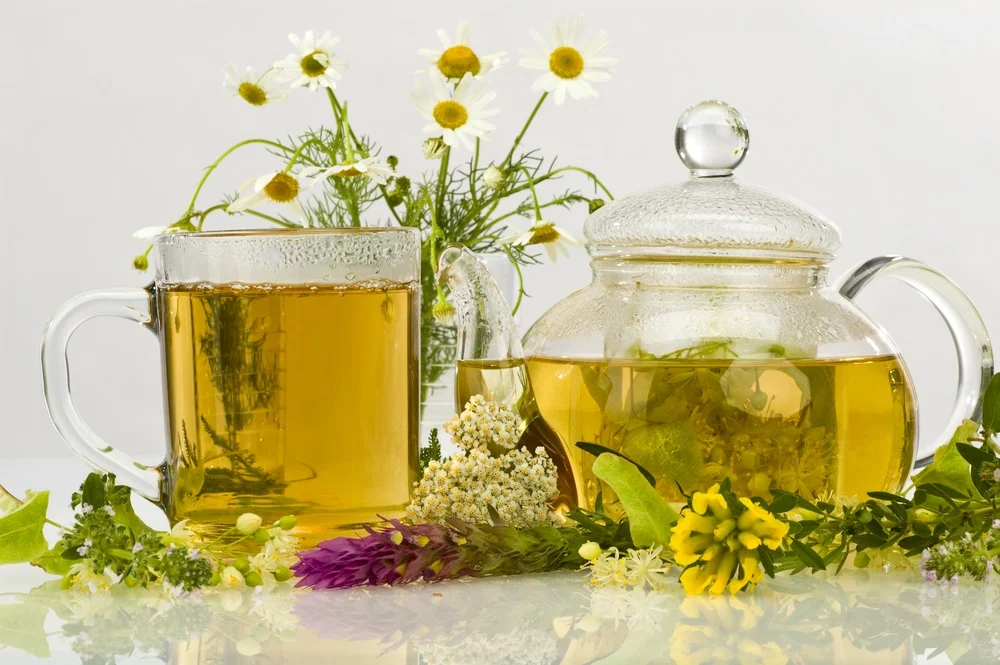
Integrating specific botanical infusions offers a dual benefit of hydration and targeted biochemical support. Red reishi mushroom tea contains bioactive adaptogens that assist the endocrine system in modulating the physiological response to stress. Because cortisol and chronic stress can exacerbate both PCOS-related hyperandrogenism and menstrual severity, adaptogenic support is clinically valuable.
Additionally, stinging nettle (Urtica dioica) tea functions as a natural anti-inflammatory agent. Pharmacological evaluations indicate that nettle leaf infusions can assist in lowering circulating testosterone levels and stabilizing blood glucose, addressing two foundational mechanisms of PCOS pathology while providing gentle relief from uterine cramping.
8. Rigorous Hydration Protocols
Systemic hydration is an essential yet frequently overlooked element of menstrual health management. Inadequate fluid intake encourages the body to retain sodium, leading to generalized fluid retention and abdominal bloating. The physical pressure exerted by interstitial bloating exacerbates pelvic discomfort and compounds the perception of pain during menstruation.

Consuming ample water—particularly warm or hot water throughout the day—promotes general vasodilation, supports renal excretion of excess sodium, and relaxes internal smooth musculature, thereby dampening the frequency and severity of uterine contractions.
Broader Implications and Outlook for PCOS Care
The management of period pain within the context of Polycystic Ovary Syndrome requires a departure from generalized menstrual care. Because PCOS is a multifaceted endocrine disorder involving chronic low-grade inflammation, insulin resistance, and hormonal dysregulation, standard approaches frequently fall short.
By embracing an integrated care model that combines pharmacological tools like NSAIDs and hormonal contraceptives with evidence-based lifestyle modifications—including targeted exercise, micronutrient repletion, thermal therapy, and nutritional optimization—patients can reclaim significant control over their health and daily lives. Continued advancements in clinical research and women’s health advocacy remain essential to ensure that conditions like PCOS receive the rigorous diagnostic attention and therapeutic innovation necessary to alleviate the burden on millions of affected individuals worldwide.
