
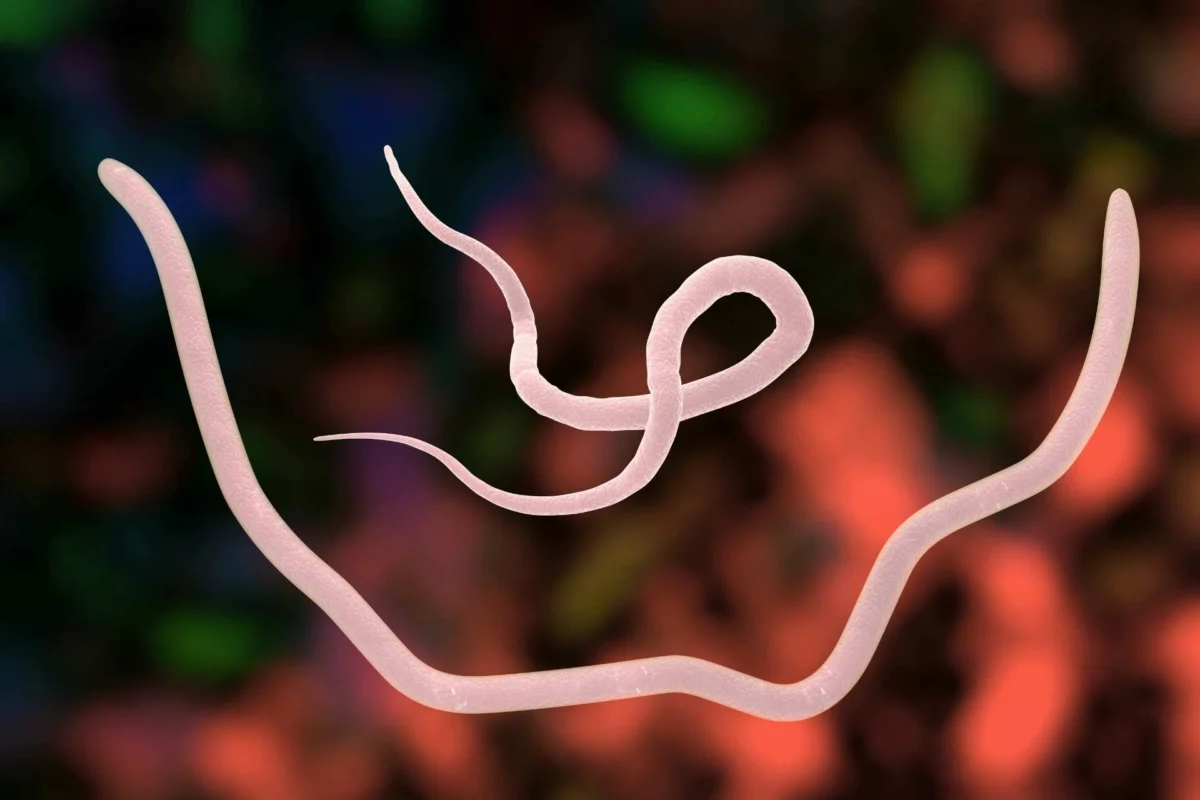
Parasitic worms, scientifically known as helminths, have coexisted with mammalian hosts for millions of years, establishing complex biological relationships that fundamentally shape human and animal physiology. While modern sanitation, hygiene, and widespread deworming initiatives have successfully eradicated these organisms from industrialized societies, emerging scientific research suggests that this historical separation may carry unintended immunological consequences. A groundbreaking study published in the journal Cell Host & Microbe reveals that maternal exposure to helminths alters the maternal gut microbiome in a manner that produces a specific microbial metabolite, indole-3-propionic acid (IPA). This molecule is subsequently transmitted to offspring, fortifying their pulmonary cells against severe respiratory viral infections such as influenza and respiratory syncytial virus (RSV).
The implications of this discovery extend far beyond laboratory models, offering novel insights into the hygiene hypothesis—the theory that a lack of early-life exposure to microorganisms increases susceptibility to allergic and infectious diseases. By mapping the precise biochemical pathways through which maternal parasitic infection enhances neonatal immunity, researchers are beginning to decode the hidden evolutionary benefits of ancient host-parasite dynamics and opening new avenues for prophylactic interventions in human health.
The Experimental Framework and Methodology
Led by Krist Antunes Fernandes and a multidisciplinary team of immunologists and microbiologists at Princeton University in New Jersey, the research was designed to investigate the transgenerational effects of chronic helminth colonization. Modern medical science has increasingly recognized that a mother transfers not only genetic material to her offspring, but also foundational microbial communities and immunological signals during gestation and early postnatal development.
To determine whether maternal parasitic infection could confer long-term protective advantages against respiratory pathogens, the research team administered helminths to female mice prior to conception and gestation. Crucially, the offspring did not inherit the parasites themselves, ensuring that any observed physiological differences were the result of systemic, maternally mediated signals rather than direct parasitic infection in the pups.
Following birth, the researchers evaluated the offspring’s resilience against viral challenge by exposing them to influenza and RSV. The results demonstrated a striking divergence in health outcomes between the pups born to helminth-exposed mothers and those born to uninfected control groups. Pups from the infected cohort exhibited heightened baseline antiviral gene activity within their pulmonary tissue. When subsequently infected with influenza, these juvenile mice experienced significantly less weight loss, reduced viral titers in their lungs, diminished pulmonary inflammation, and notably higher survival rates when subjected to lethal viral loads.
The Mechanism of Protection: Decoding Maternal-Microbial Crosstalk
To pinpoint the precise driver of this enhanced immunity, Fernandes and her colleagues conducted a series of depletion and transfer experiments. Their findings ruled out the direct involvement of maternal antibodies, which are traditionally credited with providing passive immunity to newborns. Instead, the protective phenotype was definitively traced back to the maternal gut microbiota and its metabolic output.
Helminths are known to profoundly remodel the gut ecosystem, altering the composition and metabolic activity of resident bacterial populations. In the Princeton study, maternal helminth colonization stimulated specific shifts in the gut microbiome, driving an enrichment of bacterial genera renowned for their metabolic capacity, including Lactobacillus, Bifidobacterium, and Clostridium species.
These altered microbial communities demonstrated an enhanced ability to metabolize dietary tryptophan into specialized signaling molecules. Among these metabolites, indole-3-propionic acid (IPA) emerged as the primary biochemical effector. IPA acts as a potent systemic signaling molecule that crosses biological barriers to condition distant tissues, specifically priming the developing respiratory tract of the fetus and neonate.
When the researchers administered pure IPA to uninfected newborn mice, mimicking the metabolic output observed in the helminth-exposed mothers, they replicated the protective effects entirely. Treated pups exhibited increased antiviral gene transcription in their lung cells. Upon subsequent exposure to influenza A and RSV, these IPA-supplemented mice displayed the same resilience observed in the offspring of helminth-infected mothers: minimized weight loss, suppressed viral replication, controlled pulmonary inflammation, and elevated survival rates against severe infections. Furthermore, when human airway cells were exposed to IPA in an in vitro laboratory environment, the molecule similarly boosted intrinsic antiviral responses, underscoring the cross-species translational potential of the findings.
Comparative Analysis Across Human Populations
To contextualize these laboratory discoveries within human populations, the research team collaborated with international cohorts to examine how differing environmental exposures impact gut microbiome functionality. Specifically, the researchers compared the metabolic profiles of helminth-colonized Indigenous communities in Malaysia with those of urban populations in the same region, where parasitic worms have been largely eliminated through modern public health measures.
The comparative analysis revealed pronounced functional differences in the gut microbiomes of the two groups. The gut bacteria of the helminth-colonized Indigenous communities possessed a significantly greater enzymatic capacity to process dietary tryptophan into immune-shaping metabolites, most notably IPA. In contrast, urban cohorts, despite living in environments with reduced parasite burdens, lacked this specialized metabolic reserve, potentially leaving them more vulnerable to modern immunopathological conditions and viral vulnerabilities.
This geographical and sociological comparison bridges the gap between murine models and human epidemiology. It suggests that the widespread eradication of helminths in developed nations may have inadvertently altered the baseline metabolic capacity of the human gut microbiome, stripping populations of ancestral immune-priming molecules that evolved to protect against acute infectious diseases.
Broader Implications for Pediatric Medicine and Immunology
The publication of these findings in Cell Host & Microbe arrives at a critical juncture in global health, as healthcare systems continue to grapple with the seasonal burdens of influenza, RSV, and emerging respiratory pathogens. While vaccination remains the cornerstone of viral prevention, vulnerable populations—particularly neonates whose immune systems are immature—frequently lack robust, immediate defense mechanisms during their first months of life.
The identification of IPA as a key mediator of antiviral defense introduces an actionable pharmacological and nutritional strategy. Rather than attempting to reintroduce parasitic worms into modern medicine—a therapeutic avenue fraught with clinical risks and pathological complications—researchers can focus on harnessing the downstream metabolites produced by host-microbiome interactions.
Immunologists note that administering microbial metabolites or targeted prebiotics designed to stimulate IPA production could bypass the need for live biological agents while still conferring the evolutionary benefits of the helminth-host relationship. This approach aligns with the burgeoning field of microbiome-based therapeutics, which seeks to treat and prevent disease by restoring lost metabolic functions rather than simply supplementing live bacterial strains.
Expert Reactions and Future Research Directions
The scientific community has responded to the study with considerable enthusiasm, viewing it as a major step forward in understanding the intricate communication pathways between the gut, the immune system, and the lungs—frequently referred to in modern literature as the gut-lung axis.
Dr. Fernandes and her co-authors summarized the significance of their work by emphasizing the transgenerational nature of the findings. This work uncovers the importance of maternal helminth-driven trans-kingdom crosstalk across generations and highlights microbial metabolites as actionable strategies to strengthen antiviral defense, the authors noted in their concluding remarks.
Independent immunologists reviewing the study have pointed out several avenues for future investigation. Key priorities include determining the optimal therapeutic windows for IPA administration during human gestation or early infancy, evaluating the safety profile of sustained IPA supplementation, and exploring whether similar metabolic pathways influence susceptibility to bacterial coinfections or chronic inflammatory disorders like asthma.
As clinical researchers move closer to translating these preclinical insights into human trials, the paradigm surrounding host-parasite interactions continues to shift. Once viewed solely as pathogens to be eradicated at all costs, helminths are increasingly recognized by science as architects of mammalian evolution, teaching researchers valuable lessons about metabolic resilience that may ultimately safeguard the next generation against viral threats.
