
Polycystic Ovary Syndrome (PCOS) affects an estimated 8 to 13 percent of reproductive-aged women globally, presenting a complex web of hormonal, metabolic, and psychological challenges. Characterized by hyperandrogenism, irregular menstrual cycles, and polycystic ovaries, the condition often requires multifaceted management strategies. While conventional treatments typically involve pharmacological interventions such as oral contraceptives or anti-androgen medications, a growing body of clinical research is investigating accessible, plant-based adjunct therapies. Among these, spearmint (Mentha spicata) tea has emerged as a subject of significant scientific interest due to its potential anti-androgenic and antioxidant properties.
Clinical Evidence and Hormone Regulation
The pharmacological exploration of spearmint tea in the context of PCOS gained substantial traction following a landmark randomized controlled trial published in Phytotherapy Research. The study evaluated 42 women diagnosed with PCOS, dividing them into two cohorts. One group consumed spearmint herbal tea twice daily for a period of one month, while the control group received a placebo herbal tea.
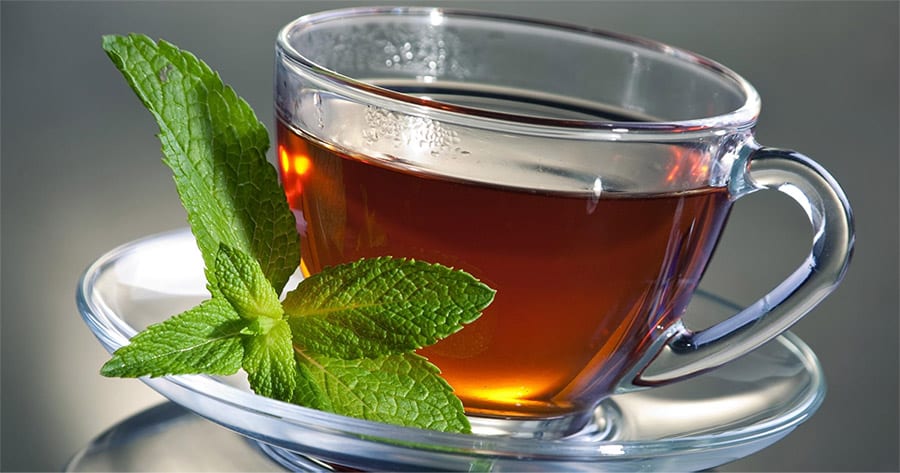
The findings revealed measurable endocrine shifts among the participants in the experimental group. Women who consumed the spearmint tea exhibited significantly lower levels of both total and free testosterone, alongside compensatory increases in luteinizing hormone (LH) and follicle-stimulating hormone (FSH). Although clinical evaluations of hirsutism—excessive male-pattern hair growth—did not yield observable changes within the brief 30-day timeframe, subjects reported subjective reductions in unwanted hair growth.
Subsequent dermatological research has reinforced these hormonal observations. A 2015 study published through channels associated with the American Academy of Dermatology indicated that the daily ingestion of two cups of organic spearmint tea correlated with a 25 percent reduction in inflammatory acne lesions after one month, scaling to a 51 percent reduction by the three-month mark. Researchers attribute these outcomes to spearmint’s capacity to suppress circulating androgen levels, mitigating the dermatological and physiological manifestations driven by hormonal excess.
Metabolic Implications and Insulin Resistance
Beyond hyperandrogenism, PCOS is intrinsically linked to metabolic dysfunction, notably insulin resistance, which affects up to 70 percent of individuals with the condition. Insulin resistance not only exacerbates androgen production by the ovaries but also elevates the long-term risk of developing type 2 diabetes and metabolic syndrome.

While direct human clinical trials assessing spearmint’s impact on human blood glucose regulation remain limited, preclinical animal studies provide foundational data. Research published in the Iranian Journal of Pharmaceutical Research demonstrated that aqueous extracts of Mentha spicata leaves successfully reduced blood sugar, cholesterol, and oxidative markers in diabetic rat models. Researchers posit that regular consumption of spearmint tea may assist in modulating insulin sensitivity, offering a complementary dietary approach for individuals managing prediabetic states associated with PCOS.
Furthermore, chronic low-grade inflammation and elevated oxidative stress are recognized hallmarks of PCOS pathophysiology. Systematic reviews published in reproductive health literature emphasize that women with the condition experience heightened oxidative stress markers, which contribute to vascular and metabolic complications. The high concentration of polyphenols and antioxidant compounds found naturally in spearmint leaves helps scavenge free radicals, potentially reducing systemic oxidative burden.
Menstrual Regulation and Ovarian Morphology
Menstrual irregularities, ranging from oligomenorrhea (infrequent periods) to amenorrhea (absence of menstruation), are among the primary diagnostic criteria for PCOS. These irregularities are typically driven by anovulation, caused by hormonal imbalances and the accumulation of multiple small ovarian follicles.

Because spearmint tea exhibits anti-androgenic activity, it aids in normalizing the broader endocrine environment. By lowering free testosterone and supporting balanced gonadotropin levels, spearmint consumption may encourage proper follicular maturation and regular ovulation. Over extended periods, this hormonal recalibration can contribute to a more predictable menstrual cycle, reducing the physiological strain associated with chronic menstrual unpredictability.
Cognitive Function and Quality of Life
The clinical profile of PCOS extends beyond physical symptoms, frequently encompassing chronic fatigue, sleep disturbances, and cognitive difficulties commonly described as "brain fog." These neurological symptoms can severely impact professional and personal quality of life.
Investigations into spearmint extract—specifically proprietary formulations rich in polyphenols—have demonstrated promising cognitive benefits. A clinical trial examining individuals with age-associated memory impairment found that supplementation with spearmint extract over a 90-day period resulted in statistically significant improvements in working memory, sustained attention, and overall cognitive function. While these specific trials focused on standardized extracts rather than standard brewed tea, the underlying neuroprotective and anti-inflammatory properties of spearmint suggest potential auxiliary benefits for individuals experiencing cognitive fatigue linked to chronic metabolic conditions.

Preparation Guidelines and Dosage Protocols
For individuals seeking to incorporate spearmint tea into a wellness regimen, understanding preparation methods and appropriate dosages is critical. Clinical studies typically utilize a standardized preparation involving approximately one gram of dried spearmint leaves steeped in approximately 12 ounces of boiling water for 10 to 15 minutes.
The standard therapeutic dosage evaluated in clinical literature generally corresponds to two cups per day. Consistency is essential; researchers note that physiological changes—particularly regarding hair growth and hormonal stabilization—typically require sustained consumption over a period of three to six months before measurable clinical outcomes become apparent.
Safety Considerations, Side Effects, and Contraindications
While spearmint tea is generally recognized as safe for the general population when consumed as a beverage, medical professionals advise caution, particularly when utilizing concentrated extracts or commercial herbal supplements.
Overconsumption of concentrated spearmint supplements has been associated with mild gastrointestinal distress. Additionally, individuals diagnosed with gastroesophageal reflux disease (GERD) should exercise discretion, as mint family herbs can relax the lower esophageal sphincter, potentially exacerbating acid reflux symptoms.
Pregnant and breastfeeding women, as well as individuals managing specific endocrine disorders, are strongly advised to consult a qualified healthcare provider prior to introducing regular herbal therapies or dietary supplements to ensure compatibility with existing treatment plans.
Integration into Comprehensive Care

Spearmint tea represents a low-risk, cost-effective, and natural dietary adjunct for managing specific symptom clusters associated with Polycystic Ovary Syndrome, particularly hyperandrogenism, acne, and mild hirsutism. However, healthcare professionals emphasize that herbal interventions should not replace comprehensive medical care. Effective PCOS management typically requires a multidisciplinary approach, combining personalized nutritional strategies, regular physical activity, targeted pharmacological therapies under medical supervision, and continuous monitoring of metabolic and endocrine health markers.
