
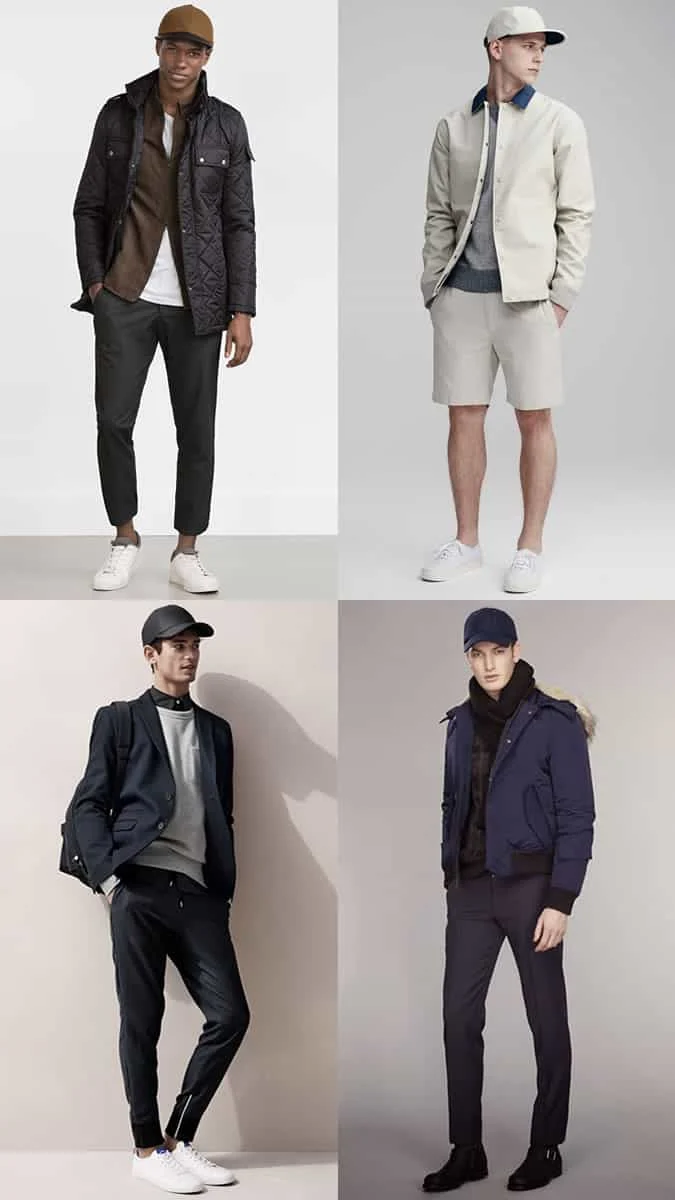
The baseball cap has evolved from a niche piece of sporting equipment into a cornerstone of global fashion, transcending its humble origins to become a permanent fixture in the modern wardrobe. As we enter 2026, the accessory continues to balance utility and aesthetics, maintaining its relevance across diverse demographics, from the high-fashion runways of Milan to the daily commutes of urban professionals. Despite shifting trends and the cyclical nature of menswear, the baseball cap remains an enduring symbol of casual, functional design.

A Chronology of the Baseball Cap: From the Diamond to the Streets
The genesis of the baseball cap can be traced back to 1860, when the Brooklyn Excelsiors, an amateur baseball team, introduced a precursor to the modern cap. This original iteration was characterized by a long, rounded peak designed specifically to shield a player’s eyes from glare, with a button at the crown. This utilitarian design diverged significantly from the headwear popular at the time, such as the flat caps seen in the mid-19th century.
By the 1940s, the cap underwent a structural revolution. Manufacturers began incorporating latex to the interior of the crown, allowing for a more rigid, consistent shape that could withstand the rigors of athletic activity. This period marked the transition from a simple fabric covering to a structured piece of sports equipment.
The post-war era saw the cap migrate from the baseball diamond into broader society. It was adopted by various institutions, including the United States military—most notably by submarine crews who utilized distinct, color-coded caps to identify officer roles. By the 1980s and 1990s, the cap had been fully co-opted by pop culture, cemented as a staple of streetwear, hip-hop, and celebrity culture, often used as an effective tool for maintaining anonymity in the public eye.
Styling and Technical Considerations
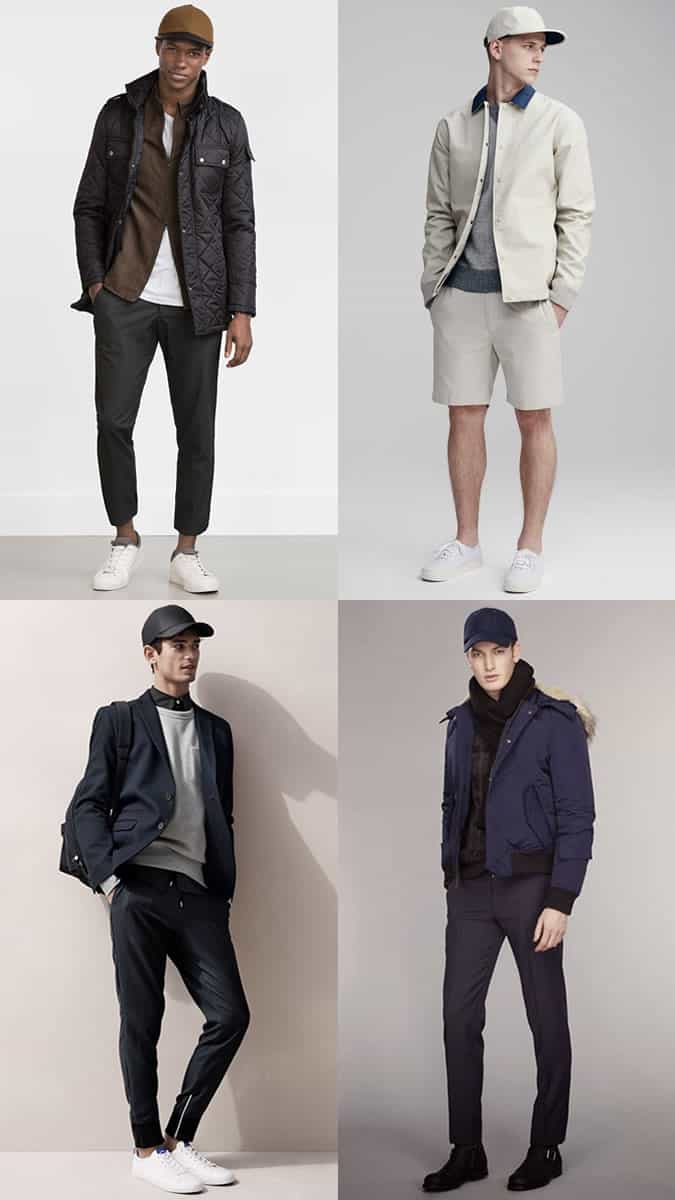
Modern fashion analysts emphasize that the contemporary baseball cap is defined by intentional minimalism. Stylist Alexander McCalla, reflecting on current trends, notes that the most effective accessory choices are often those that prioritize neutral palettes—navies, charcoal greys, blacks, and earth-toned khakis. These colors offer versatility, allowing the piece to integrate seamlessly into a wide range of outfits without appearing cluttered or overly aggressive in its branding.

The technical specifications of a cap are as critical as its color. While cotton remains the industry standard for its breathability and durability, the shape of the crown and the curvature of the brim must be evaluated against an individual’s facial geometry. Current market research indicates a shift toward five-panel constructions and relaxed, unstructured designs, which tend to offer a more forgiving fit compared to the rigid, high-crowned "New Era" styles that dominated the previous decade.
From a styling perspective, the baseball cap is best utilized as a grounding element for casual or smart-casual ensembles. The most successful applications often involve pairing a structured, low-profile cap with jeans, leather or canvas trainers, and a crisp Oxford shirt. The key to avoiding a disjointed look, according to fashion experts, is to refrain from wearing "kit"—meaning, avoiding the temptation to match a branded sports cap with jerseys or team-specific apparel, which can inadvertently mimic a costume.

Leading Brands and Market Influence
As of 2026, the market for premium baseball caps is dominated by a mix of heritage workwear brands and contemporary fashion houses. Each brings a unique manufacturing philosophy to the product.
Carhartt WIP: The Workwear Standard
Carhartt’s Work In Progress (WIP) line remains the benchmark for durable, utility-focused headwear. By blending the company’s New England heritage with contemporary silhouettes, the brand provides a product that is as resilient as it is aesthetic. Their caps are frequently cited for their longevity, often maintaining their structural integrity long after more fashion-forward alternatives have lost their shape.

Ralph Lauren: The Preppy Essential
The Polo Ralph Lauren cotton twill cap is perhaps the most ubiquitous example of the "classic" American cap. Its design remains largely unchanged, prioritizing traditional craftsmanship and embroidery. Market analysis suggests that this specific item continues to sell well due to its versatility; it is as comfortable paired with a tailored blazer as it is with a standard white t-shirt and wide-leg trousers.
Stone Island: Technical Innovation
Stone Island has successfully transitioned its image from regional subculture association to global luxury status. Their approach to headwear is rooted in material science, often utilizing proprietary garment-dyeing techniques that result in unique color saturations. For the consumer, a Stone Island cap serves as a subtle entry point into high-end fashion, providing a recognizable logo without the need for an overt display of wealth.

New Era: The Cultural Icon
The New Era New York Yankees cap remains the most recognizable silhouette in the world. Its cultural impact is immeasurable, having been adopted by figures ranging from entertainment icons to global political leaders. In 2026, the brand continues to hold the largest market share in the sports-licensed headwear category, proving that iconic branding often supersedes seasonal trend shifts.
Nike: The Minimalist’s Choice
Nike occupies the space between high-performance sports gear and lifestyle wear. Their "Swoosh" caps, particularly those utilizing Dri-FIT technology, cater to consumers who demand functional fabrications. These caps are favored by those who prefer a minimalist, athletic look that translates well from the gym to urban environments.

Stüssy: Streetwear Authority
Stüssy’s influence on the baseball cap market cannot be overstated. Originally emerging from the Californian surf scene, the brand has evolved into a global authority on streetwear. Their strapback designs are particularly popular among younger demographics, often serving as a barometer for current youth culture trends.
The Broader Impact on Modern Fashion
The persistent popularity of the baseball cap highlights a broader shift in consumer behavior toward "elevated casual." As professional dress codes continue to relax globally, the baseball cap has filled a gap, acting as an accessory that can temper the formality of other items.

Data from the retail sector indicates that sales of mid-to-high-end baseball caps have remained resilient against economic fluctuations, suggesting that consumers view them as a "low-investment, high-utility" purchase. A well-constructed cap offers immediate aesthetic value for a relatively low price point compared to other designer accessories, such as handbags or high-end footwear.
Furthermore, the rise of "quiet luxury"—a trend characterized by understated design and the absence of flashy logos—has benefited the baseball cap market. Consumers are increasingly seeking out brands like Norse Projects and Hugo Boss, which offer clean, logo-light options that fit the modern desire for functional, unobtrusive attire.

Future Implications and Conclusion
Looking forward, the baseball cap is expected to remain a staple of the fashion industry. The focus is shifting toward sustainable materials, with many brands beginning to incorporate recycled polyesters and organic cottons into their production lines to meet the demands of environmentally conscious consumers.
The "thinking cap," as it were, is no longer just a piece of protection from the elements; it is a critical component of personal branding. Whether chosen for its historical significance, its technical performance, or its aesthetic simplicity, the baseball cap provides a unique opportunity for individual expression. By adhering to the principles of simplicity, proper fit, and high-quality materials, the modern wearer can ensure that this classic accessory remains a timeless addition to their wardrobe for years to come. As we navigate the fashion landscape of 2026, the baseball cap stands as a testament to the idea that the most effective designs are those that manage to adapt without losing their essential identity.
