
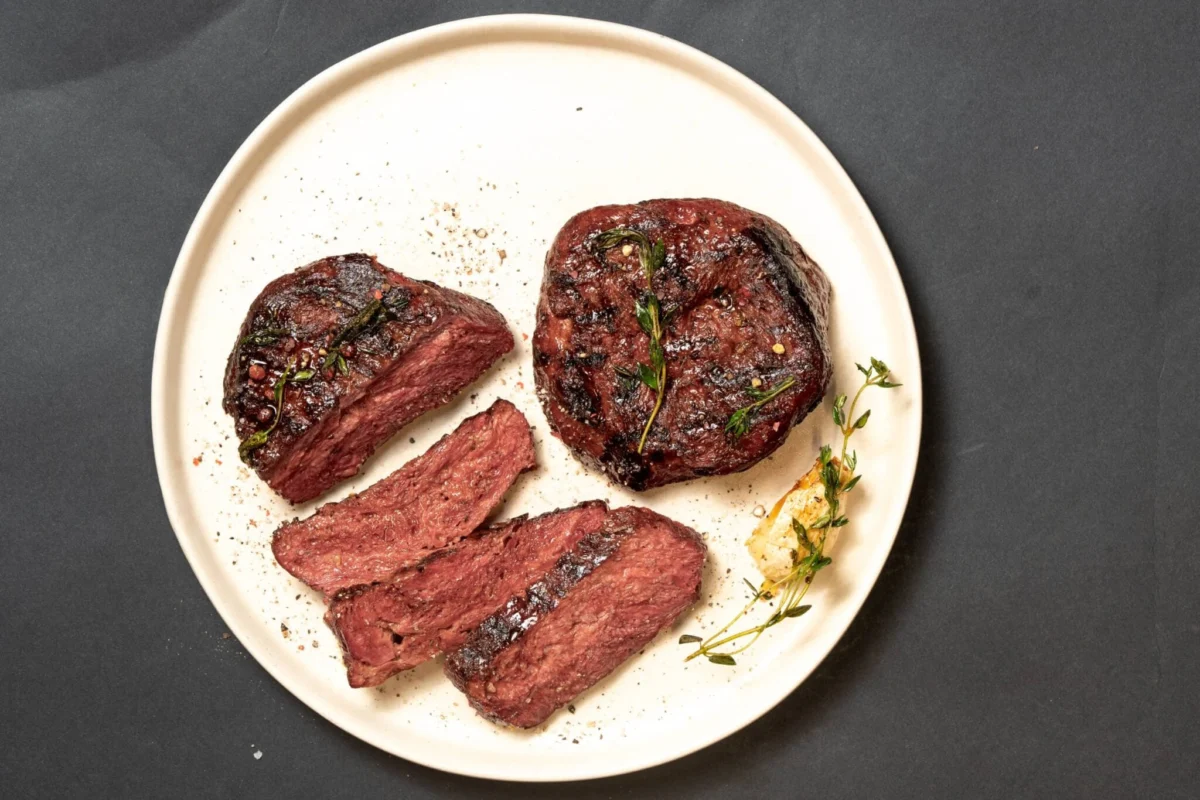
Swiss alternative protein pioneer Planted is experiencing an unprecedented growth surge across Germany, expanding at more than four times the rate of the broader plant-based meat sector in Europe’s most lucrative market. While the wider industry navigates consumer scrutiny, inflationary pressures, and tightening regulatory constraints, the Zurich-headquartered startup has solidified its foothold through aggressive product innovation, clean-label ingredient sourcing, and strategic foodservice collaborations, signaling a significant shift in how European consumers approach meat alternatives.
Market Dynamics and Exponential Growth Metrics
Recent retail data highlights a stark divergence between Planted’s commercial trajectory and the overall performance of the German plant-based market. Year-to-date figures from major German supermarkets indicate that Planted’s sales have surged by 57.6%, accompanied by an equivalent 57.9% increase in sales volume. In contrast, the remainder of the plant-based meat category grew by a comparatively modest 12.5%.
This stellar performance has propelled Planted upward by three positions, making it the eighth-largest plant-based brand by value in Germany. The market significance of this achievement is underscored by broader industry statistics compiled by the Good Food Institute using Circana data. Last year, Germany accounted for 46% of total plant-based meat sales across Europe’s six largest markets, generating roughly €750.8 million in revenue. Today, Planted commands an estimated one in every five euros spent on chilled plant-based steaks and filets within the measured German retail landscape.
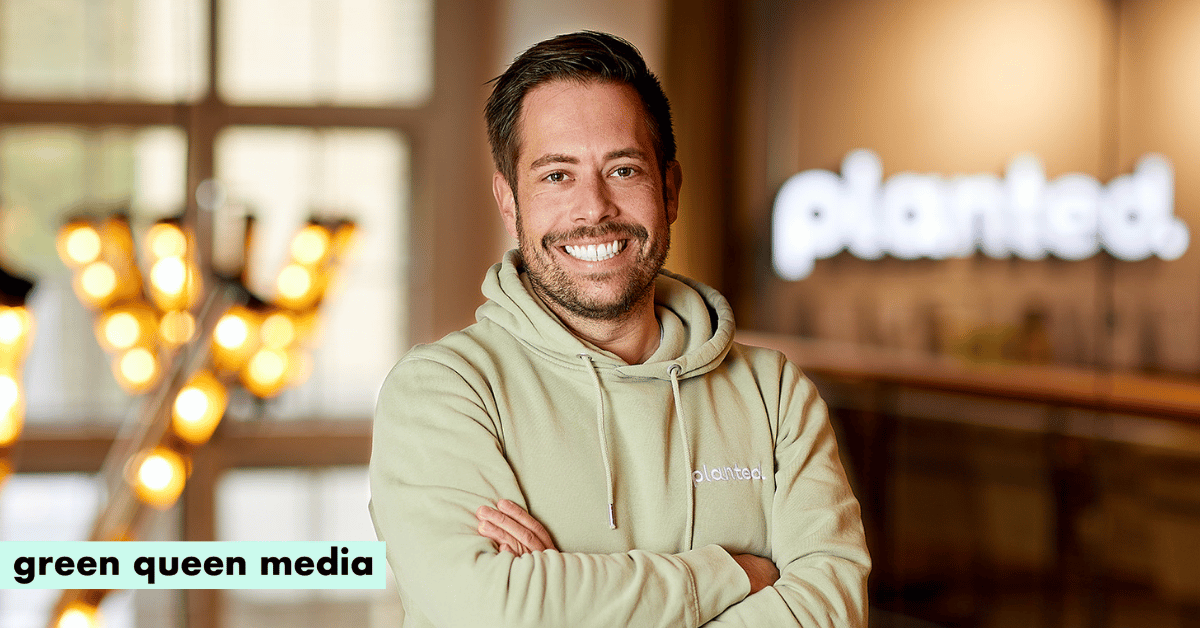
Co-founder Pascal Bieri attributes this momentum to a rigorous focus on consumer expectations rather than ideological positioning. According to Bieri, the brand’s success stems from prioritizing the fundamental eating experience—delivering taste profiles, textures, and convenience that resonate with traditional meat-eaters rather than solely catering to an existing niche of dedicated vegetarians or vegans.
Product Innovation and the Flagship Whole-Cut Steak
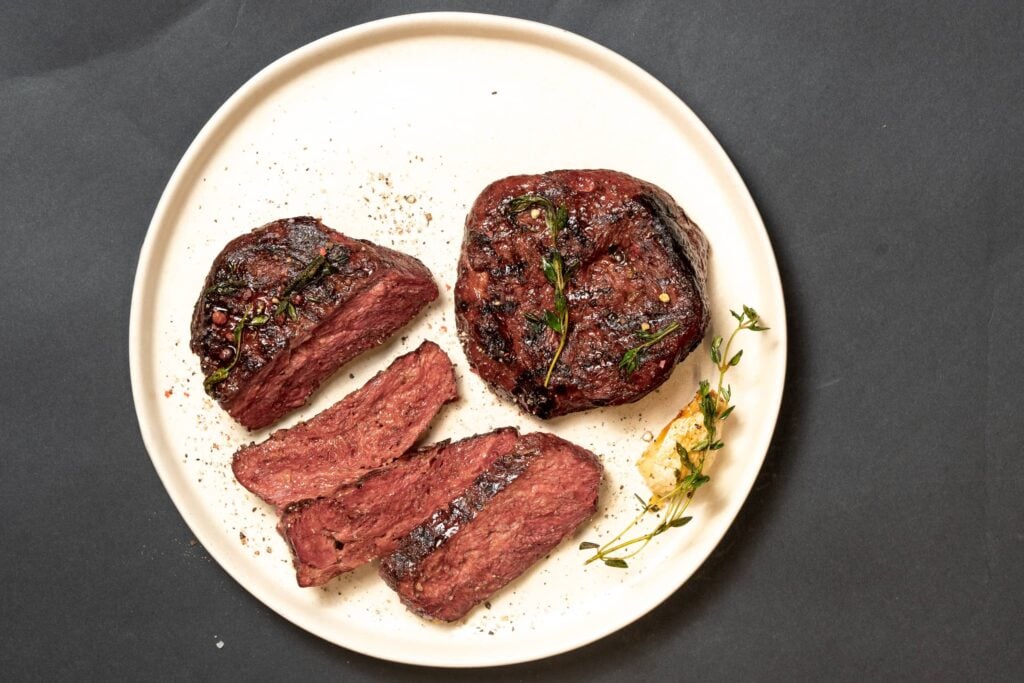
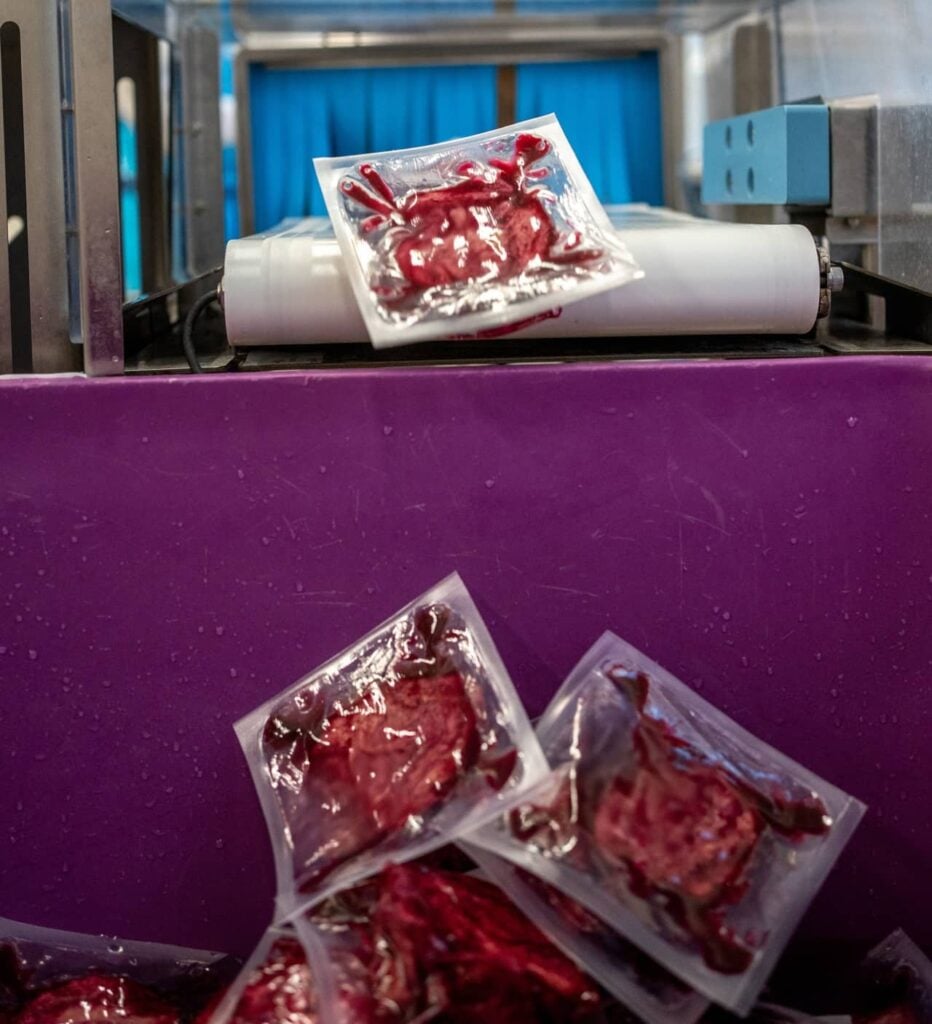
At the heart of Planted’s market penetration is its proprietary fermentation-enabled whole-cut steak. Serving as the brand’s bestselling item in Germany, sales for the flagship product more than doubled during the first seven months of the year. Industry analysts note that whole-cut alternatives have increasingly become the primary battleground for alternative protein manufacturers attempting to replicate the complex fibrous textures of conventional animal muscle.
Rather than relying heavily on temporary price promotions or discounts—which saw their share of Planted’s sales drop from approximately 27% to 22%—the company has focused on organic volume growth, increased distribution density, and consumer value. Addressing the broader economic climate where many food manufacturers have engaged in "shrinkflation," Planted took the counterintuitive step ahead of the barbecue season of increasing its steak portion size from 120 grams to 150 grams while keeping the price point identical. This permanent 25% increase in product volume, coupled with recipe enhancements aimed at maximizing juiciness and tenderness, has accelerated consumer trial and repeat purchase rates.
Strategic Expansion and Foodservice Integration
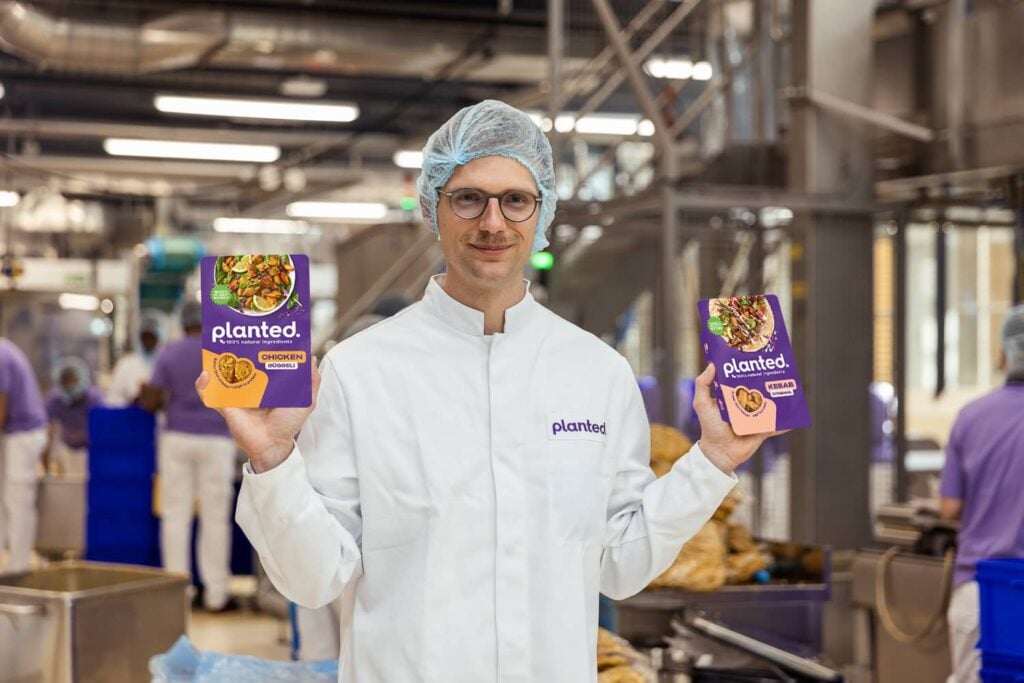
Planted’s expansion strategy relies on a dual-channel approach combining extensive retail placement with high-profile foodservice partnerships. Beyond its native Switzerland and Germany, the company distributes its portfolio across Austria, France, Italy, and the Benelux region, reaching approximately one-third of all stores in the measured German retail market.
A critical milestone in this expansion is Planted’s nationwide partnership with coffeehouse giant Starbucks in Germany. The collaboration integrates Planted’s Pulled Spicy Herbs into the newly introduced Focaccia Chick’n menu item across participating locations. This integration into mainstream quick-service restaurant infrastructure illustrates a broader industry shift, where plant-based proteins are increasingly viewed by major foodservice operators as essential menu components rather than specialty additions.
Industry observers note that such partnerships provide alternative protein manufacturers with invaluable brand visibility and consumer trust. By meeting consumers in high-traffic commercial environments, companies like Planted can bridge the gap between initial trial and integration into household cooking routines.
Navigating Regulatory Headwinds and the EU Labelling Debate
Despite its commercial successes, Planted faces a complex regulatory environment, most notably the European Union’s expanding restrictions on plant-based product nomenclature. The so-called "veggie burger ban" and subsequent legislative tightening prohibit companies from utilizing conventional meat terminology—such as "steak" and "chicken"—on product packaging across several key European jurisdictions.
Planted has emerged as one of the industry’s most vocal critics of these labeling restrictions, arguing that familiar culinary terms provide essential guidance for consumers regarding preparation and usage. Company leadership contends that such regulations create unnecessary administrative burdens, packaging redesign costs, and potential consumer confusion without providing tangible benefits to public health or agricultural transparency.
To navigate these hurdles, Planted is looking to precedent set by dairy alternatives in Europe. Bieri points to Danone’s creative rebrand of Alpro’s "This is Not Milk" product line—now marketed under the banner "Shh… This is Tasty"—as a viable blueprint for regulatory compliance. By relying on robust brand equity, uncompromised product quality, and distinctive visual branding, Planted intends to maintain consumer recognition independently of restricted terminology.
Investment Landscape and Historical Context
Planted’s current operational momentum stands in stark contrast to the broader macroeconomic climate governing alternative protein investments. Founded in 2019 by Pascal Bieri, Lukas Böni, Christoph Jenny, Eric Stirnemann, and Judith Wemmer, the startup has raised upwards of $90 million in total funding to date. Its most substantial capital injection occurred during the industry’s peak investment era, securing a $72 million Series B funding round four years ago.
In the intervening years, macroeconomic volatility, rising interest rates, and investor caution have triggered a significant contraction in venture capital deployment across the alternative protein sector. According to recent industry reports, plant-based meat companies attracted roughly 70% less capital last year compared to the highs of 2022.
Rather than seeking immediate external capital injections, Planted has increasingly prioritized operational efficiency, supply chain optimization, and sustainable unit economics. By focusing on organic revenue growth and disciplined cost management, the company has insulated itself from the funding droughts affecting earlier-stage competitors.
Looking Ahead: The Future of Alternative Proteins
As Planted looks toward the next twelve months, leadership remains focused on expanding its geographical footprint, deepening industrial and retail partnerships, and developing next-generation protein formats that transcend conventional plant-based categories.
The company’s performance in Germany offers a valuable case study for the wider alternative protein sector. It demonstrates that consumer demand remains robust when products successfully deliver on core attributes: exceptional taste, favorable price-to-value ratios, clean-label ingredient decks, and seamless culinary integration.
Ultimately, Planted’s long-term strategy centers not on capturing a larger fraction of a specialized vegetarian market, but on displacing conventional animal agriculture by securing a permanent place in everyday mainstream diets. As the company continues to scale its operations across Europe, its trajectory will likely serve as a critical benchmark for the viability and resilience of the next generation of sustainable food technologies.
