
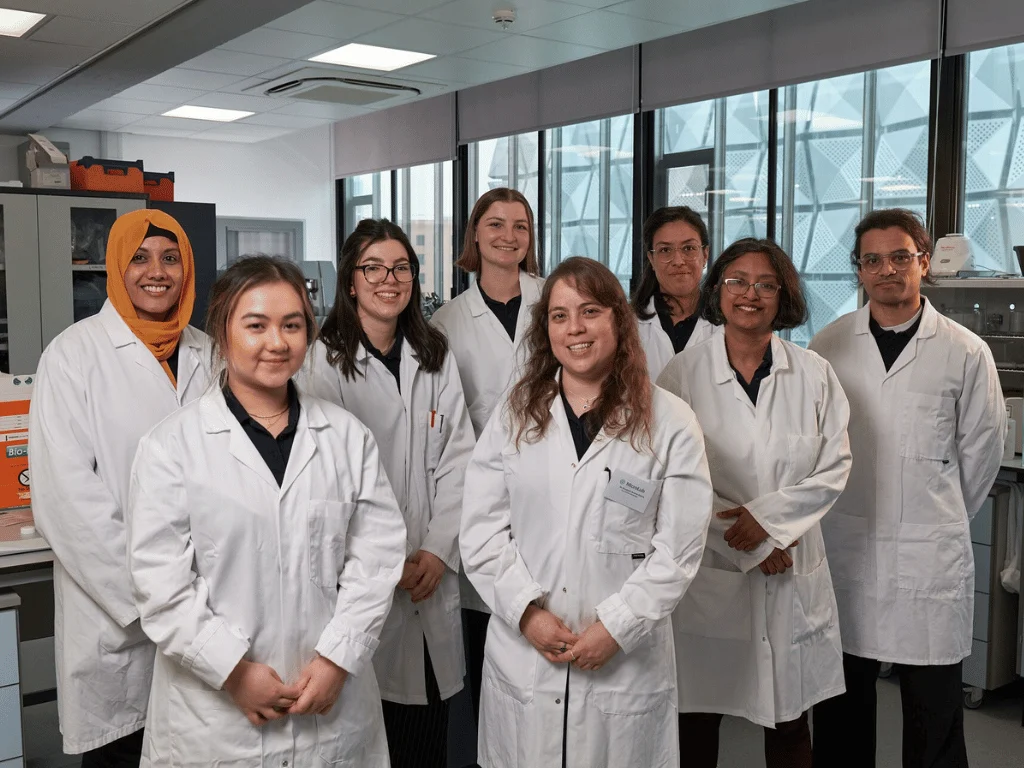
UK-based food technology startup MicroLub has successfully closed a £7.5 million ($10 million) funding round to accelerate its international expansion into the United States and Asian markets. The University of Leeds spinout specializes in an advanced scientific approach that replaces conventional fats in consumer packaged goods with microgels derived from water and proteins. Led by Northern Gritstone, the latest capital infusion also saw participation from all existing investors, including NPIF II – PXN Equity Finance. This brings MicroLub’s total institutional capital raised to $14.5 million since its inception, marking a major milestone for the young enterprise as it transitions from laboratory-scale research to high-volume industrial manufacturing.
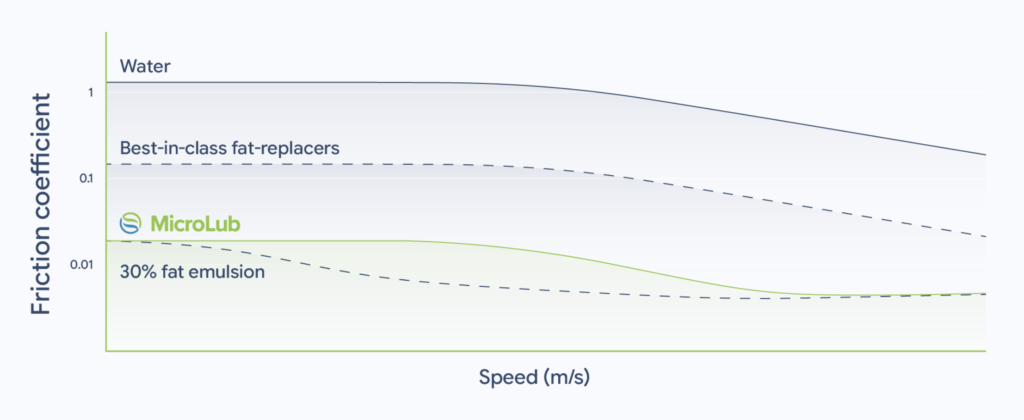
The core of MicroLub’s proprietary innovation lies in addressing one of the food manufacturing sector’s most persistent challenges: reducing fat and calorie content without compromising flavor and texture. Founded in 2023 by Professor Anwesha Sarkar from the University of Leeds’ School of Food Science and Nutrition, the company utilizes a unique physics-based approach to food formulation. Fat serves as the primary carrier of flavor and dictates the "mouthfeel" of food through molecular friction. High friction against the tongue produces unpalatable or sticky sensations, whereas low friction delivers the rich, creamy experience consumers associate with oils and fats.
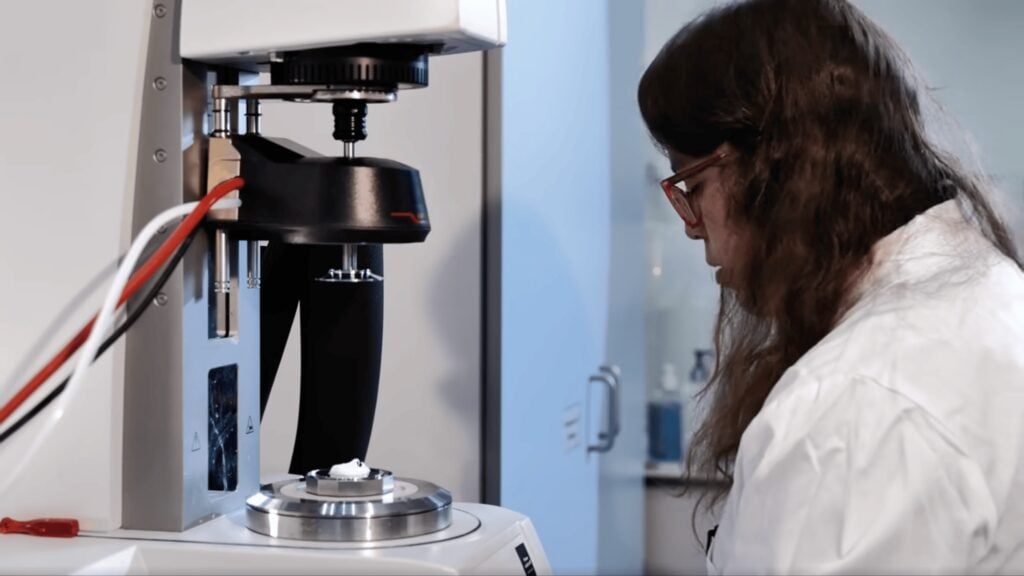
By designing protein scaffolds from a diverse toolbox of plant-based ingredients—such as pea, soy, oat, and fava bean—alongside dairy proteins, and coating them with specific polysaccharides in precise ratios, MicroLub engineers microscopic biolubricants. These microgels, created by breaking down water-and-protein gels using a high-pressure homogenizer, reduce molecular friction by over 20-fold compared to water alone and 10-fold compared to existing commercial fat substitutes. When chewed, the microgels rupture to release water, perfectly mimicking the lubricity of fats while slashing fat and calorie content by up to 75 percent.
The recent £7.5 million funding round arrives at a critical juncture for the global food and beverage industry, which faces mounting pressure to reformulate products in alignment with shifting public health guidelines and consumer preferences. David Peters, CEO of MicroLub and former head of Oatly’s UK business, emphasized the dual benefit of the company’s technology. By replacing fats with protein-water structures, food manufacturers can simultaneously lower lipid content, simplify ingredient declarations by removing emulsifiers and thickeners, and in some cases, boost overall protein content.
The Chronology of MicroLub’s Rapid Growth
The journey of MicroLub reflects the accelerating commercialization pathway typical of modern academic spinouts supported by regional venture ecosystems in the United Kingdom.
In 2023, the enterprise was formally established following years of fundamental food science research led by Professor Sarkar at the University of Leeds. Operating initially out of university laboratories, the startup quickly moved to demonstrate the scalability of its microgel technology, transitioning from benchtop experiments to pilot-scale production.
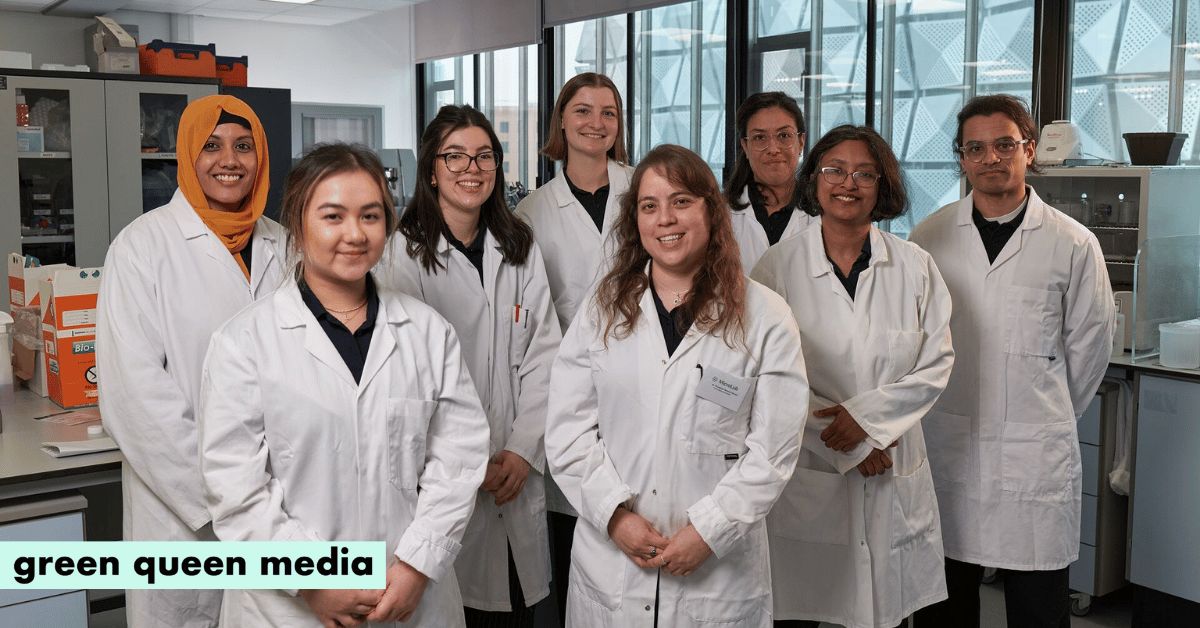
By late 2023 and throughout 2024, MicroLub established its dedicated food innovation laboratory at the Nexus business centre in Leeds. During this period, the company engaged in extensive product trials with multinational food and ingredient corporations. These trials proved instrumental in validating the commercial viability of the technology across diverse product categories, ranging from dairy and baked goods to plant-based alternatives.
The latest funding round in late 2024 and early 2025 cements MicroLub’s operational transition. With the fresh £7.5 million injection, the company aims to convert its existing customer trials into binding commercial agreements, expand its scientific and commercial teams, and establish a physical footprint in key international markets, specifically targeting the United States and Asia.
Broader Market Context: The Rise of GLP-1 Medications and Public Health Demands
MicroLub’s market entry coincides with profound structural shifts in consumer diets and global health trends. The widespread adoption of GLP-1 receptor agonist medications, such as Ozempic and Mounjaro, has radically altered consumer purchasing behavior. In the United Kingdom alone, approximately 9 percent of the population has already utilized GLP-1 medications, with an additional 18 percent actively considering them. These pharmaceutical treatments suppress appetite and diminish cravings for high-fat, high-calorie foods, creating an urgent demand for reformulated products that cater to smaller portion sizes and higher nutritional density, particularly protein enrichment.
Concurrently, public health organizations face an escalating global obesity crisis. According to data from the World Obesity Federation, over half of the global population is on track to be classified as overweight or obese within the next decade. While dietary guidelines continuously advocate for the reduction of saturated fats, fat remains a vital macronutrient that cannot simply be removed from food without rendering it unpalatable. MicroLub’s technology offers a scientifically viable bridge between nutritional necessity and consumer enjoyment.
Furthermore, the environmental implications of conventional fat sourcing present significant hurdles for food manufacturers. Animal fats and tropical oils, such as palm oil, carry substantial carbon footprints and are heavily implicated in global deforestation and biodiversity loss. By utilizing locally sourced dairy proteins or widely cultivated plant proteins like peas and oats, MicroLub offers a sustainable, climate-friendly alternative that aligns with corporate environmental, social, and governance (ESG) targets. The technology also holds substantial potential for the personal care and cosmetics sectors, where petroleum-derived ingredients are frequently used to control the texture and skin-feel of topical creams and lotions.
Investor Perspectives and Industry Reactions
The investment community has responded enthusiastically to MicroLub’s technological proposition, viewing it as a prime example of high-impact academic research yielding commercially scalable solutions.
Duncan Johnson, CEO of Northern Gritstone, underscored the strategic rationale behind the investment. "MicroLub is addressing one of the food industry’s biggest scientific and commercial challenges," Johnson stated. "Its proprietary technology enables manufacturers to reformulate products in response to changing consumer expectations without compromising the sensory experience that drives purchasing decisions. The company has made exceptional progress, scaling its technology and attracting interest from global food manufacturers. This is exactly the kind of world-class university spinout Northern Gritstone was created to support."
Industry analysts note that food tech startups focusing on ingredient replacement rather than entirely novel food products often face lower regulatory barriers and faster pathways to commercial adoption. By slotting seamlessly into existing manufacturing lines and utilizing standard homogenization equipment, MicroLub minimizes the capital expenditure required for food brands looking to reformulate their portfolios.
Looking ahead, MicroLub’s leadership team remains focused on execution. The immediate priority involves deploying the newly secured capital to scale up supply chain partnerships, finalize commercial supply contracts with global food conglomerates, and navigate the regulatory frameworks required for entry into the United States and Asian markets.
As consumer demand for clean-label, low-fat, and high-protein foods continues to accelerate against the backdrop of changing nutritional landscapes, MicroLub’s water-and-protein microgels represent a fundamental reimagining of how everyday foods are constructed at the molecular level.
