
Japanese retail conglomerate Aeon is accelerating its footprint in the sustainable confectionery market by scaling up its portfolio of cocoa-free chocolate alternatives. Building upon the initial success of its proprietary line introduced last year, the retail titan is partnering with ingredient innovation pioneer Fuji Oil to launch three new products formulated with a pea- and carob-based substitute. This strategic expansion underscores a broader industry pivot toward alternative ingredients as traditional cocoa supply chains face unprecedented economic and environmental pressures.
The new product offerings will be made widely accessible to consumers, rolling out across approximately 3,500 retail locations operating under the Aeon, Aeon Style, and MaxValu banners. This expansive distribution footprint highlights the retailer’s confidence in consumer demand for sustainable, cocoa-free treats and signals a transition from niche market testing to mainstream commercial adoption.
Evolution of the Cocoa-Free Portfolio
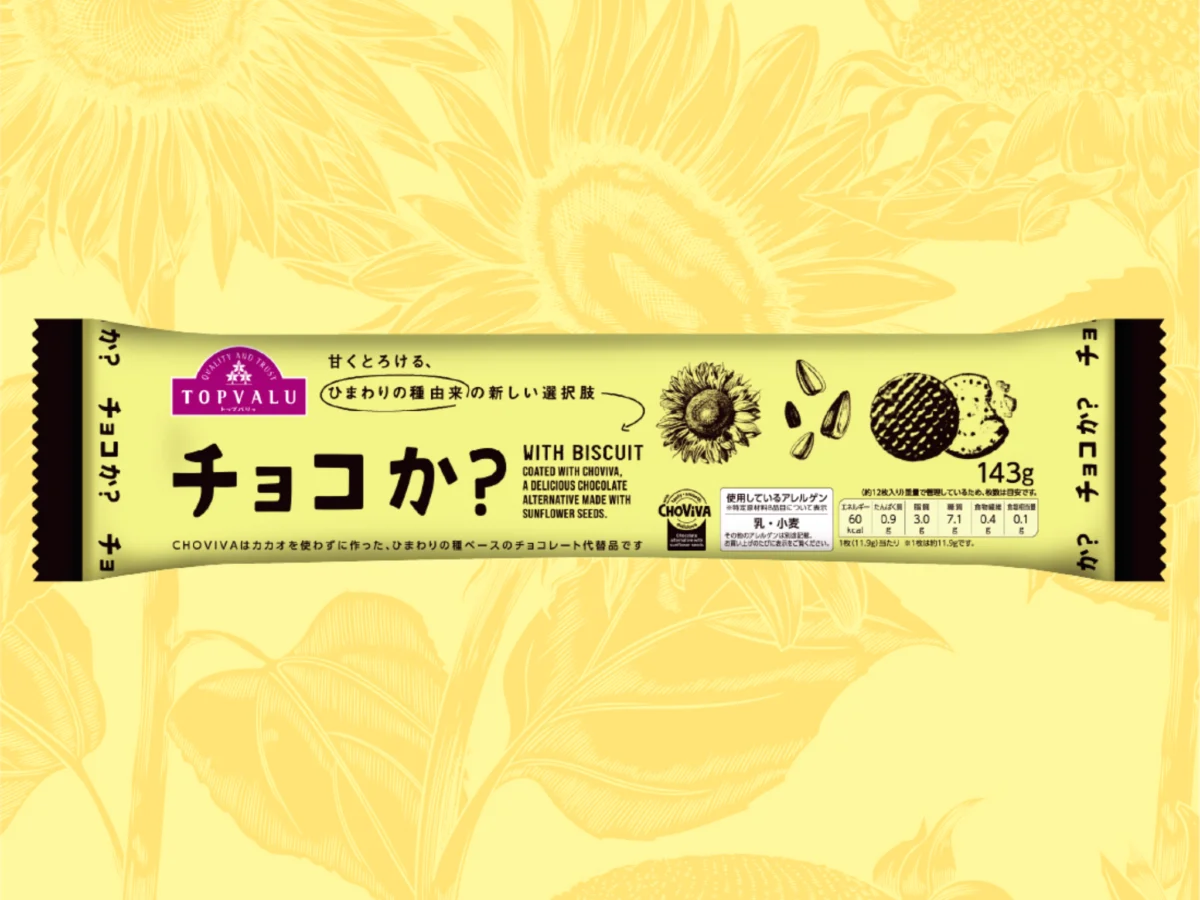
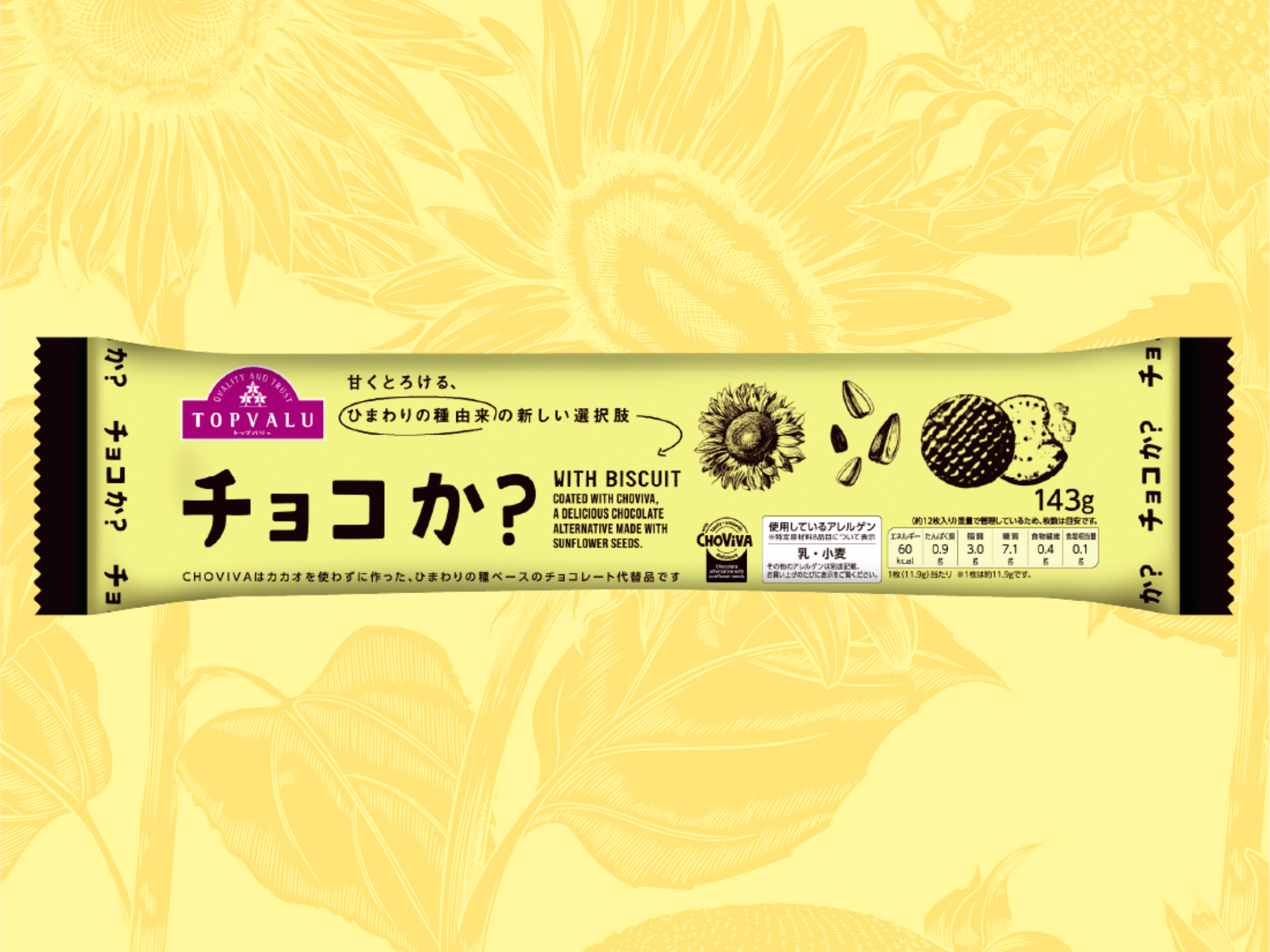
Aeon’s journey into the cocoa-free sector began with the launch of its "Choco Ka?"—translated as "Is It Chocolate?"—product range under its private-label Topvalu brand. Introduced across thousands of stores last year, that initial lineup utilized ChoViva, a sunflower-seed-based chocolate alternative developed by the German food technology startup Planet A Foods. The success of those initial offerings, which included cereal-puff blocks and chocolate-coated biscuits, proved that Japanese consumers were increasingly receptive to novel ingredients that mimic the taste and texture of conventional chocolate without relying on traditional agricultural inputs.
With the introduction of the new Fuji Oil-powered range, Aeon is diversifying its ingredient base. The new products rely on Anoza M, a B2B chocolate substitute developed by Fuji Oil that utilizes pea protein, carob (also known as locust bean), and specialized food-grade fats to replicate the flavor profile of traditional milk chocolate.
The formulation leverages the distinct functional properties of its component ingredients. Pea protein contributes to a richer and smoother mouthfeel, while carob provides authentic cocoa-like aromas and fermented flavor notes. Carob itself is a traditional Mediterranean ingredient that has centuries of culinary history and has been utilized in alternative confectionery formulations for decades.
Diverse Confectionery Offerings
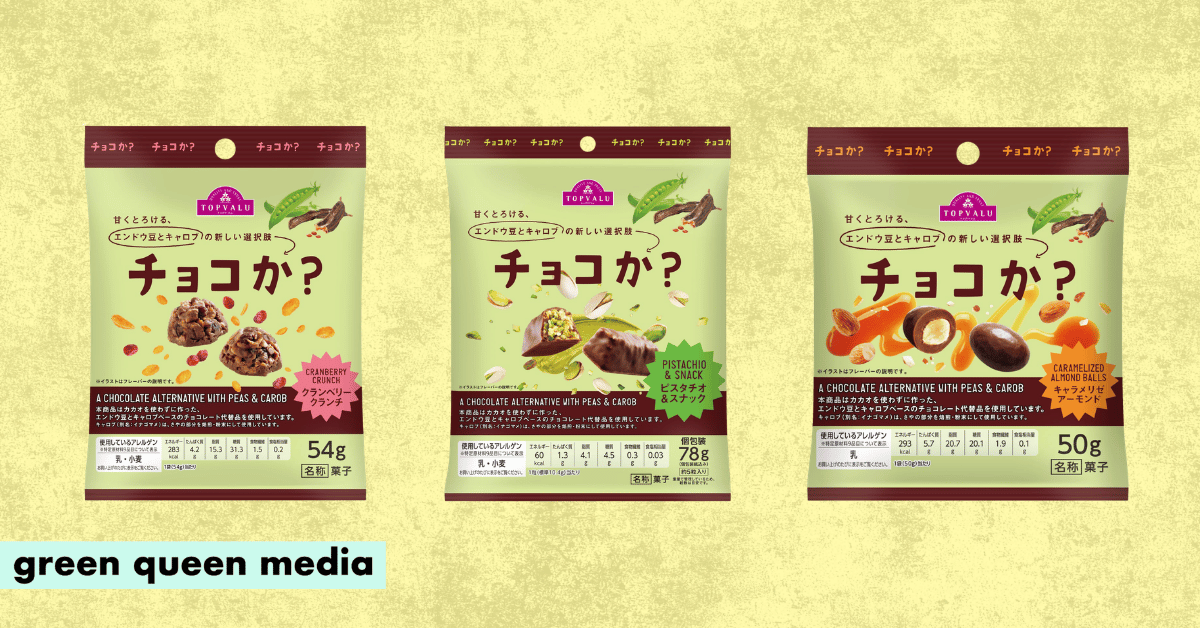
The three new Topvalu products developed in collaboration with Fuji Oil are designed to offer complex textures and distinct flavor profiles tailored to modern consumer preferences:
- Pistachio Snack Bars: These bars feature a crunchy core hardened with a white-chocolate-like coating, which is subsequently enrobed in a milk-chocolate-like alternative to deliver a multi-layered textural experience.
- Caramelized Almond Balls: Coated entirely in the cocoa-free chocolate alternative, these bite-sized treats provide a moderate sweetness designed to elevate the natural nut flavor while maintaining a crisp bite.
- Fruity Cranberry and Feuilletine Bites: This formulation incorporates molasses-soaked dried cranberries and crispy feuilletine flakes, offering a tart, fruity flavor profile paired with a distinct crunch.
Concurrently, Aeon’s original four-strong ChoViva lineup remains available on shelves, ensuring a robust and varied selection of cocoa-free options for shoppers navigating the confectionery aisles.
Fuji Oil’s Innovation Legacy and Industry Context
Fuji Oil’s entry into the modern cocoa-free market is built upon a long-standing history of lipid and confectionery research. The company established its footprint in alternative fats as early as 1955, when it developed Japan’s first cocoa butter substitute utilizing palm kernel oil to create its proprietary Melano Butter.
The unveiling of Anoza M last year represented a natural evolution of this research, driven by the need to create sustainable, reliable alternatives to volatile agricultural commodities. By focusing on plant-based proteins and regionally abundant pods like carob, ingredient suppliers are attempting to decouple the confectionery industry from the environmental and geopolitical vulnerabilities inherent in tropical farming regions.
The Macroeconomic and Environmental Imperative
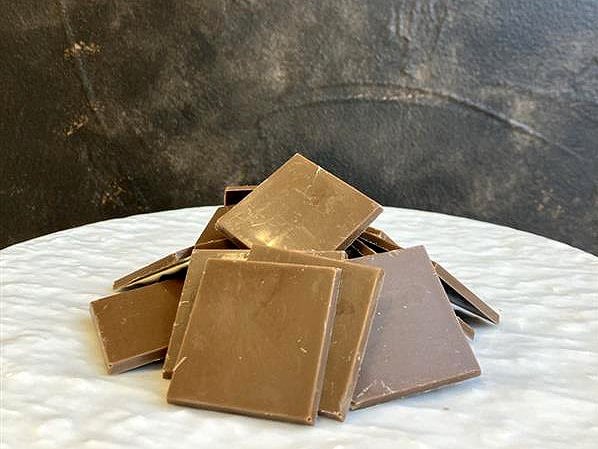
Aeon’s aggressive expansion into cocoa-free alternatives occurs against a backdrop of severe disruption within the global cocoa market. In 2024, global cocoa stocks plummeted to their lowest levels in a decade, driving commodity prices to historic, all-time highs. These supply shocks were primarily precipitated by extreme weather events, prolonged droughts, and widespread crop diseases affecting plantations in Côte d’Ivoire and Ghana, which together account for the vast majority of global cocoa production.
Scientific projections indicate that the situation may worsen over the long term. Climatologists and agricultural researchers warn that up to one-third of the world’s existing cocoa-producing trees could be rendered non-viable by 2050 due to shifting climatic conditions. Furthermore, conventional chocolate production is environmentally intensive; studies show that it generates higher greenhouse gas emissions than almost any other food product aside from beef, while remaining a primary driver of tropical deforestation in West Africa.
In contrast, alternative chocolate manufacturers report significant environmental savings. For instance, production processes developed by companies like Foreverland demonstrate reductions in water consumption by up to 90% and greenhouse gas emissions by 82% to 91% compared to conventional chocolate manufacturing.
A Maturing Global Landscape of Alternatives
The acute pressures facing the cocoa industry have catalyzed an explosion of entrepreneurial activity within the food technology sector. A diverse array of startups is currently pioneering distinct pathways to replace or replicate conventional chocolate:
- Plant-Based Substitutes: Beyond Planet A Foods and Fuji Oil, companies such as Voyage Foods, Foreverland, Döhler-owned Nukoko, Prefer, and Win-Win are engineering beanless and cocoa-free chocolate alternatives using various agricultural upcycled sidestreams, fava beans, and legumes.
- Cell-Cultured Innovation: Other firms, including California Cultured, Kokomodo, and Celleste Bio, are bypassing traditional agriculture altogether by developing lab-grown, cell-cultured cocoa powders and cocoa butter alternatives.
This wave of innovation has naturally attracted the attention of major multinational food corporations. Confectionery and ingredient giants—including Cargill, Puratos, Mondelēz International, and Döhler—have increasingly established strategic partnerships, venture investments, or acquisition pipelines with these emerging biotech and food-tech startups.
Domestic Developments in Japan
Japan’s domestic food sector is also actively responding to the shifting agricultural landscape. Major confectionery player Meiji embarked on a decade-long partnership with California Cultured to co-develop cell-based chocolate products, aiming to secure a stable supply of bioidentical cocoa derived from plant cell cultures. Similarly, Japanese food producer Ahjikan commercialized Govoce, an alternative sweet ingredient utilizing MelBurd, which replaces traditional cocoa components with processed burdock seeds.
Market Implications and Future Outlook
The continuous expansion of Aeon’s cocoa-free product line marks a critical milestone for the commercial viability of alternative confectionery. By placing these products on the shelves of roughly 3,500 stores, the retailer is shifting cocoa alternatives out of specialty health food stores and into the mass consumer market.
Industry analysts suggest that as climate volatility continues to threaten conventional cocoa yields, consumer acceptance in major markets like Japan will serve as a bellwether for global adoption. If retail giants can successfully market pea, carob, and sunflower-seed-based treats as premium, desirable products rather than mere substitutes of necessity, the confectionery industry may undergo a fundamental structural transformation in the decades ahead.
