
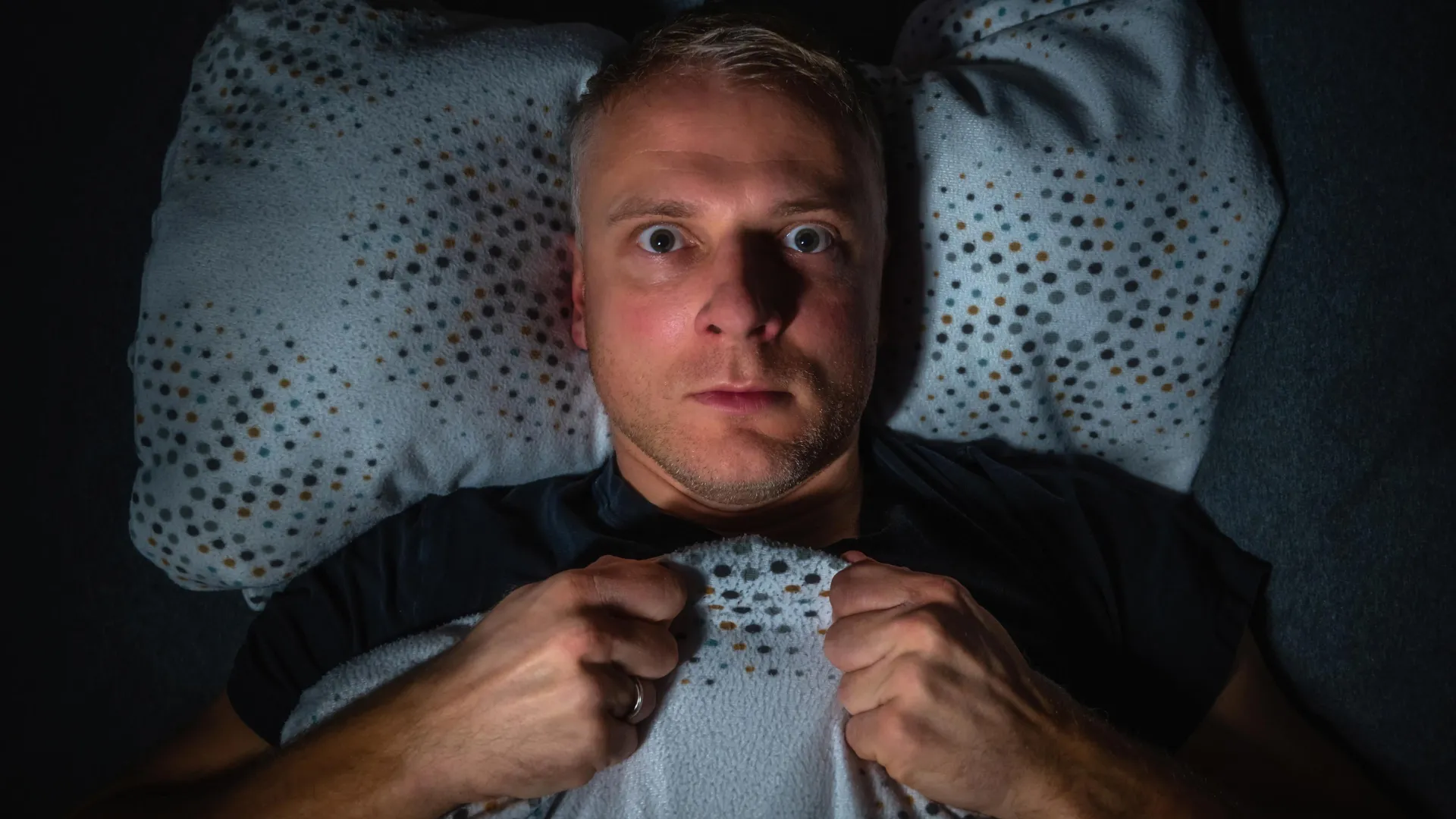
For individuals suffering from post-traumatic stress disorder (PTSD), the descent into sleep is frequently not a transition toward rest and recovery, but rather an involuntary return to the most terrifying moments of their lives. Whether stemming from combat exposure, violent crime, severe accidents, or natural disasters, PTSD leaves deep neurological imprints that resist standard medical interventions. Among the most distressing and persistent symptoms are trauma-related nightmares, which force patients to repeatedly relive catastrophic events in vivid, terrifying detail night after night. These chronic disruptions commonly trigger severe sleep deprivation, hypervigilance, and an acute anxiety surrounding the simple act of going to bed. Because traditional psychiatric medications often fail to adequately target these nocturnal symptoms, the medical community has long sought alternative therapeutic avenues.
Addressing this critical treatment gap, a landmark study recently published in the prestigious medical journal Nature Medicine offers renewed hope for trauma survivors. Conducted by an extensive team of researchers at Charité – Universitätsmedizin Berlin, in collaboration with several prominent German medical institutions including the University Medical Center Hamburg-Eppendorf and the Central Institute for Mental Health in Mannheim, the clinical trial investigated the efficacy of a prescription drug containing Dronabinol—a synthetic form of tetrahydrocannabinol (THC), the primary psychoactive compound found in cannabis. The findings demonstrate that a cannabinoid-based intervention can substantially mitigate trauma-induced nightmares, leading to complete remission for a significant portion of patients and offering a vital pathway toward improved mental and physical well-being.
The Complex Pathology of Trauma-Related Nightmares
The psychological and physiological aftermath of life-threatening events often extends decades past the cessation of physical danger. In individuals diagnosed with PTSD, the brain’s neural circuitry responsible for processing emotional memories frequently malfunctions. Instead of filing traumatic experiences away as historical events, the brain continues to store them in a fragmented, highly reactive state. This dysfunction strips the individual of conscious control, allowing distressing memories to break through involuntarily during waking hours as flashbacks, or during sleep as visceral nightmares.
During sleep, particularly within the rapid eye movement (REM) cycle, the human brain actively processes emotional experiences and regulates stress responses. For PTSD sufferers, this restorative mechanism is hijacked. Instead of consolidating memories safely, REM sleep becomes a theater for repeated traumatization, jolting patients awake in states of sheer panic, elevated heart rate, and profound psychological distress.
Standard pharmacological interventions for PTSD typically rely on selective serotonin reuptake inhibitors (SSRIs) or blood pressure-lowering agents designed to manage daytime hyperarousal and generalized anxiety. However, these conventional drugs demonstrate notoriously limited efficacy when it comes to eradicating trauma-related nightmares. Furthermore, regulatory frameworks in many nations, including Germany, have historically lacked an approved, targeted pharmaceutical specifically indicated for the treatment of trauma-induced sleep disruptions. Consequently, clinicians have been forced to rely on off-label prescribing practices with unpredictable results, leaving countless patients to endure chronic exhaustion and heightened suicide risks associated with severe, untreatable insomnia.
The Endocannabinoid System and the Science of THC
To identify a more effective therapeutic target, Prof. Stefan Röpke, a leading researcher in trauma-related disorders at the Department of Psychiatry and Neurosciences on the Benjamin Franklin Campus of Charité, turned his focus toward the human endocannabinoid system. This intricate cell-signaling network plays a fundamental role in regulating a vast array of physiological and cognitive processes, including mood, appetite, pain sensation, sleep architecture, and the emotional processing of memory.
THC interacts directly with cannabinoid receptors located throughout the central nervous system, effectively modulating neurochemical signaling pathways. By targeting this system, researchers hypothesized that exogenous cannabinoids could influence the neurological mechanisms governing dream activity and nocturnal stress responses.
Explaining the physiological rationale behind the study, Prof. Röpke noted that existing pharmacological and neurobiological evidence suggests THC actively influences brain activity during REM sleep. "There is evidence suggesting that during REM sleep—the intense dream phases in which the brain processes experiences and regulates emotions—THC reduces dream activity and thereby alleviates nocturnal stress responses," he explained. By dampening the hyper-reactive emotional processing that occurs during these deep sleep phases, the compound helps break the cycle of nocturnal retraumatization, allowing patients to achieve uninterrupted rest.
Chronology and Evolution of Cannabis-Based Medicine in Germany
The integration of cannabis-derived compounds into mainstream European medicine represents a gradual shift in regulatory policy and clinical acceptance. For years, cannabis derivatives were strictly controlled substances with exceptionally limited access for clinical researchers and practitioners. However, therapeutic applications for cannabinoids—particularly in the management of chronic, treatment-resistant neuropathic pain—began paving the way for broader medical acceptance.
A pivotal turning point occurred in Germany in 2017 with the enactment of the landmark "Cannabis for medical purposes" legislation. This regulatory reform significantly streamlined access to cannabinoid therapies, permitting physicians to prescribe plant-derived or synthetically produced cannabinoid medications when conventional therapies proved ineffective or caused intolerable side effects. The law not only transformed clinical practice for pain management specialists but also created a legal and ethical framework for rigorous academic investigations into other psychiatric and neurological applications, ultimately laying the groundwork for the Charité-led Dronabinol trial.
Rigorous Methodology of the Charité Clinical Trial
To establish definitive scientific proof regarding the efficacy of THC in treating PTSD nightmares, the research team designed a comprehensive, gold-standard clinical trial. The study enrolled more than 170 adult participants who met the clinical diagnostic criteria for post-traumatic stress disorder and suffered from frequent, severe, and debilitating nightmares.
The trial utilized a randomized, double-blind, placebo-controlled architecture—widely considered the methodological gold standard in medical research. This design ensures that neither the trial participants nor the attending healthcare professionals and researchers knew who was receiving the active pharmaceutical agent and who was receiving the control substance, thereby eliminating subjective bias from the outcomes.
Over a strict ten-week observation period, participants were administered either oral drops of Dronabinol or a specially formulated cannabis-flavored placebo that was visually and sensory identical to the medication. Patients took their assigned drops each evening prior to retiring for bed.
Quantifiable Relief: Data and Patient Outcomes
At the conclusion of the ten-week intervention period, the clinical data revealed a statistically significant divergence in outcomes between the treatment group and the control cohort. Nightmare severity was measured using a standardized clinical rating scale ranging from zero to eight.
Participants in the Dronabinol group experienced an average reduction in their nightmare burden of 3.7 points. By contrast, the placebo group registered an average decrease of 2.2 points. While a numerical drop may appear modest on paper, the clinical reality for the patients was transformative, providing a level of relief that had eluded them for years.
The qualitative metrics reported by the researchers underscored the profound impact of the treatment. "More than a third of the patients treated with Dronabinol reported that they no longer experienced any nightmares after ten weeks," Prof. Röpke stated. "Another 21 percent reported that their nightmare burden had been at least halved. And about five out of six patients in the dronabinol group felt their health had markedly improved."
Interestingly, the therapeutic benefits of the cannabinoid appeared highly specialized. The data indicated that Dronabinol acted specifically on the neurological pathways governing sleep disruption and nocturnal trauma replay, rather than functioning as a comprehensive cure for every symptom associated with PTSD. The researchers were unable to establish a statistically significant reduction in overall PTSD severity scores or concurrent depressive symptoms. Nevertheless, the targeted disruption of chronic nightmares provided enough physiological stabilization to fundamentally improve the daily functioning and quality of life for the majority of participants.
Safety Profile, Tolerability, and Future Implications
From a safety perspective, the clinical trial yielded highly encouraging results. Throughout the ten-week duration, no severe adverse events were documented among the participants receiving Dronabinol. Mild to moderate side effects—predominantly transient symptoms such as dizziness, mild headaches, and an increase in appetite—occurred at a slightly higher frequency in the treatment group compared to the placebo cohort, but these effects were well-tolerated and did not necessitate discontinuation of the regimen.
Furthermore, the study addressed long-standing clinical concerns regarding the addictive potential of THC-based therapeutics. When participants ceased taking their evening doses at the conclusion of the study protocol, researchers monitored them closely for withdrawal symptoms. The findings showed no physical dependence or withdrawal complications, alleviating fears of substance misuse under controlled medical administration.
Despite these promising findings, medical experts emphasize that further research is required before cannabinoid therapies can be universally integrated into standard clinical guidelines for PTSD. Future clinical trials are already being planned to evaluate the long-term safety and sustained efficacy of Dronabinol over extended treatment periods. Additionally, researchers aim to investigate whether patients might gradually develop a physiological tolerance to the drug, which could potentially diminish its therapeutic impact over time.
As the scientific community continues to analyze the implications of the Charité trial, the study marks a vital step forward in addressing one of the most stubborn and distressing symptoms of psychological trauma. By offering a safe, non-addictive method to quiet the nocturnal echoes of past disasters, the research opens a new frontier in psychiatric care, promising a more peaceful night’s rest for those who have endured the unimaginable.
