
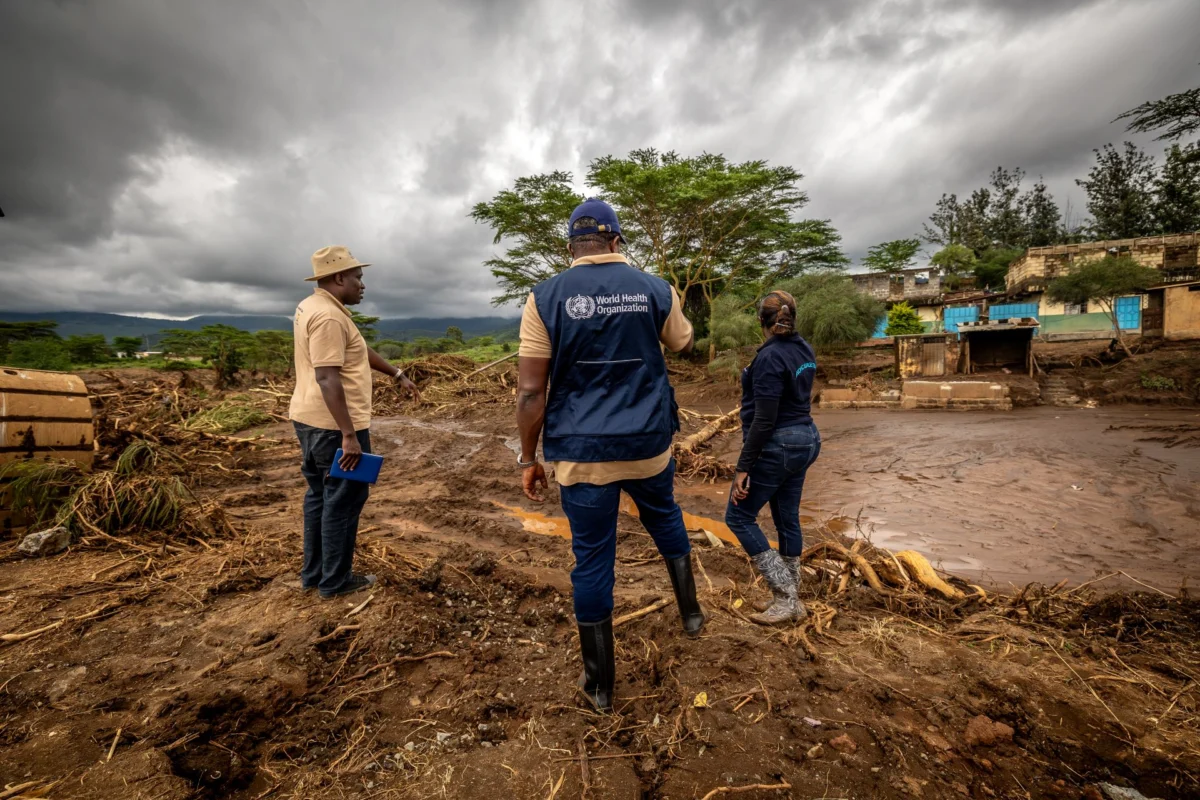
This strategic alliance, solidified by a fresh allocation of €500,000 for 2024, underscores an intensifying international effort to fortify healthcare infrastructure against the backdrop of an accelerating climate crisis. The funding is earmarked specifically to support the Secretariat of the Alliance for Transformative Action on Climate and Health (ATACH), a critical body designed to translate global climate commitments into tangible national health policies.
A Growing Financial and Strategic Commitment
The latest contribution brings the total financial backing provided by the Netherlands to the World Health Organization (WHO) for climate-health initiatives to over €1.1 million since 2023. This financial trajectory mirrors the increasing urgency felt by global health leaders as they grapple with the direct and indirect consequences of extreme weather, shifting disease vectors, and the degradation of environmental health.
The partnership operates under the umbrella of the Dutch Global Health Strategy 2023–2030, a policy framework that explicitly recognizes that the stability of global health systems is inextricably linked to the stability of the planet’s climate. By prioritizing this intersection, the Netherlands has positioned itself as a leading donor in the move toward climate-resilient, low-carbon, and sustainable healthcare delivery.
Chronology of a Strengthening Partnership
The collaboration has evolved rapidly over the past 24 months, shifting from general advocacy to highly targeted technical implementation.
- 2023: The formal partnership was established, focusing on the development of integrated surveillance systems. These systems were deployed across various nations in Africa, Asia, and the Eastern Mediterranean to better predict and respond to climate-sensitive health threats.
- Early 2024: The Netherlands, alongside Peru, spearheaded a diplomatic push at the World Health Assembly (WHA) to modernize international policy.
- May 2024: The WHA 77 adopted a landmark resolution on Climate Change and Health, effectively replacing the aging 2008 framework with a mandate for a global action plan. This resolution explicitly calls for the integration of climate-health data into the WHO’s Fourteenth General Programme of Work (GPW).
- Late 2024: The current renewal of funding aligns with preparations for COP29 in Azerbaijan, where health is expected to be a central pillar of the climate negotiation agenda.
The Science of Resilience: Data and Impact
The necessity of this partnership is grounded in sobering projections. According to the WHO’s latest investment case, strategic investments in climate-resilient health systems are not merely environmental goals but life-saving interventions. The organization estimates that through systematic strengthening of health systems—including improved early warning systems for heatwaves and floods—the global community can save approximately 7.5 million lives over the next four years.
Climate change impacts health through several pathways: direct physical harm from extreme weather events, such as the flash floods witnessed in Kenya in early 2024; the expansion of infectious disease ranges, such as malaria and dengue; and the disruption of essential supply chains for medical goods. By harmonizing early warning systems, the WHO and the Netherlands are providing governments with the lead time necessary to evacuate hospitals, secure vaccine cold chains, and mobilize emergency medical teams before disasters strike.
Official Responses and Diplomatic Strategy
While the WHO acts as the technical lead, the Dutch government serves as the primary diplomatic catalyst. By championing the WHA 77 resolution, the Netherlands has successfully moved the needle from voluntary cooperation to institutional obligation.

Representatives from the Dutch Ministry of Health, Welfare and Sport have repeatedly emphasized that climate change is a "threat multiplier." In diplomatic briefings, Dutch officials have argued that failing to integrate climate strategies into healthcare is a structural risk to national security and economic stability. By supporting the WHO’s ATACH Secretariat, the Netherlands is ensuring that smaller, less-resourced nations have access to the same technical expertise as more developed economies, thereby preventing a "climate-health divide" that could leave vulnerable regions catastrophically exposed.
Fact-Based Analysis of Global Implications
The integration of climate change into the WHO’s Fourteenth General Programme of Work represents a significant shift in the organization’s operational philosophy. Historically, the WHO treated climate change as an environmental issue that caused health problems. Today, it is treated as a fundamental health issue that requires a complete overhaul of how medical services are delivered.
This shift has three major implications for the global health landscape:
- Decarbonization of Health Systems: Healthcare systems are themselves significant contributors to carbon emissions, through energy use, medical waste, and supply chains. The partnership supports countries in transitioning to "green" hospitals, which use renewable energy and sustainable procurement practices.
- Surveillance as a Preventive Tool: The implementation of climate-informed disease surveillance allows for a predictive approach. By monitoring climate patterns, health ministries can now predict outbreaks of waterborne diseases following heavy rainfall, shifting the focus from reaction to mitigation.
- Cross-Sectoral Governance: The partnership necessitates that Ministries of Health work closely with Ministries of Environment and Energy. This "Health in All Policies" approach is increasingly being adopted at the national level, breaking down the traditional silos that have historically hampered effective climate response.
Preparing for COP29 and Beyond
As the global community looks toward the COP29 summit in Azerbaijan, the collaboration between the Netherlands and the WHO serves as a blueprint for multilateral engagement. The focus for the upcoming summit is to move beyond abstract commitments and toward the financing of national adaptation plans (NAPs).
The funding provided by the Netherlands is designed to empower nations to build "readiness." This involves training local health professionals to recognize climate-related illnesses, developing infrastructure that can withstand extreme weather, and establishing digital health monitoring systems that function even during power grid failures.
The Human Cost: A Call for Urgency
The visual evidence of climate-related health disasters—such as the recent devastation in the Mai Mahiu region of Kenya—serves as a constant reminder of the stakes. The WHO reports that in regions experiencing such events, the immediate aftermath often involves secondary health crises, including cholera outbreaks and the collapse of maternal health services due to inaccessible roads.
By focusing on the "last mile" of healthcare delivery, the partnership aims to ensure that when the next extreme weather event occurs, the local health response is robust enough to minimize the loss of life. This strategy is not only an ethical imperative but a pragmatic necessity for global public health stability.
Conclusion
The renewal of the strategic partnership between the WHO and the Netherlands is more than a financial transaction; it is a signal of the maturation of the global climate-health agenda. By embedding climate resilience into the core of the Fourteenth General Programme of Work, the WHO, supported by the Dutch government, is working to ensure that the healthcare systems of tomorrow are capable of surviving the environmental realities of the 21st century. As the world approaches the critical discussions at COP29, this collaboration stands as a testament to the power of targeted, science-driven, and internationally coordinated climate action. The road ahead remains daunting, but with 7.5 million lives potentially at stake, the alignment of Dutch diplomatic resolve and WHO technical expertise offers a vital pathway toward a more resilient global health future.
