
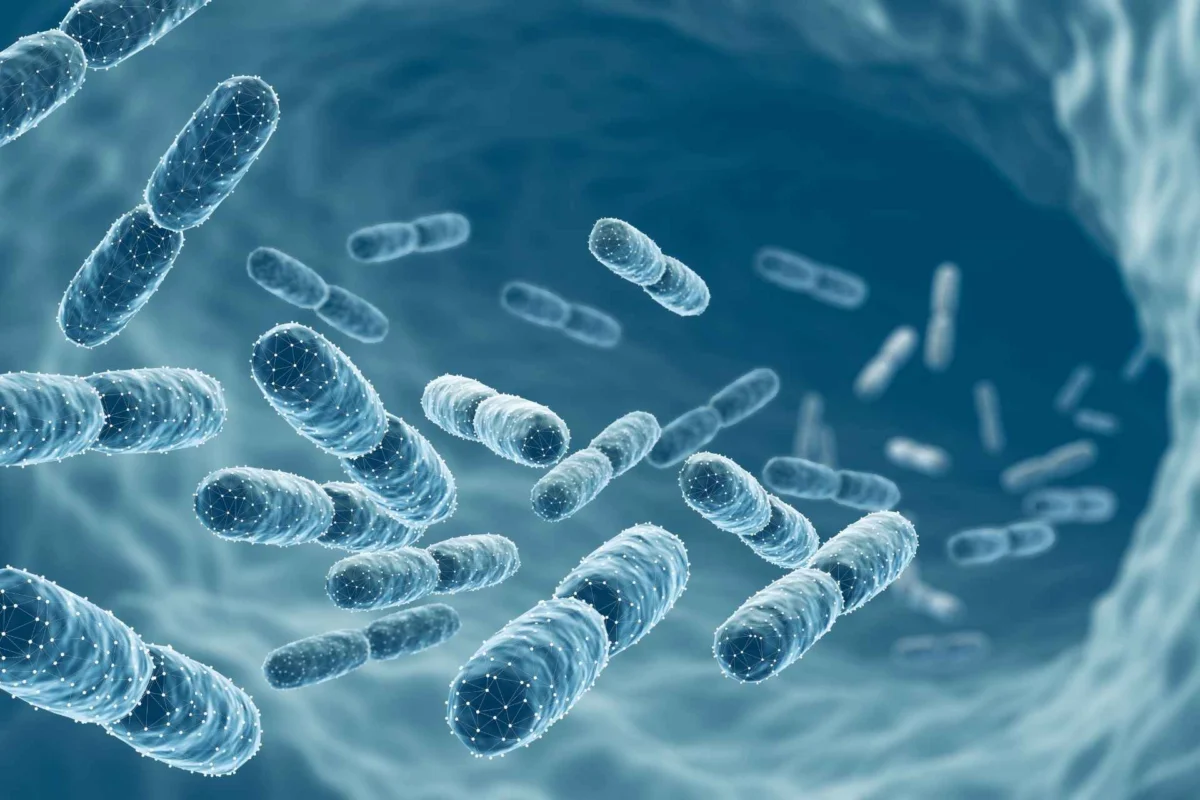
Microbial communities function much like bustling metropolitan economies, where countless species must negotiate for limited resources, establish functional divisions of labor, and avoid destructive direct competition to survive. For decades, microbiological research has overwhelmingly concentrated on how single-celled organisms adapt to abiotic factors—such as fluctuations in nutrient availability, temperature gradients, or shifts in ambient pH levels. However, a growing body of empirical research is shifting this paradigm toward biotic interactions, specifically examining how bacteria dynamically adjust their internal machinery in direct response to the presence of specific neighboring microbes.
Recent experimental findings reveal that bacteria possess the remarkable capacity to fundamentally alter their protein-expression profiles depending on which microbial peers share their immediate environment. When grown alongside different species, these organisms strategically modify their metabolic output to minimize functional redundancies. This neighbor-specific behavioral adaptation not only fosters ecological coexistence but is also directly correlated with enhanced overall community productivity. These insights open a promising frontier in synthetic biology, suggesting that complex microbial ecosystems might soon be deliberately engineered at the protein-expression level to optimize industrial, agricultural, and medical applications.
Investigating the Social Lives of Microbes
To understand how microbial communities self-organize and optimize their collective output, a team of microbiologists and systems biologists designed an intricate experimental framework. Traditionally, studying complex microbial networks—such as those found in human gut microbiomes, agricultural soils, or marine sediments—has been hampered by the sheer number of variables at play. In natural environments, thousands of species interact simultaneously, making it exceptionally difficult to isolate cause-and-effect relationships between specific neighbors and metabolic shifts.
To circumvent this complexity, the research team employed a reductionist approach using defined microbial consortia. They cultivated select bacterial strains either in isolation, in binary pairs, or in structured four-species groups. To test how resource availability influences these social dynamics, the researchers provided two distinct primary energy sources: a simple, readily accessible sugar in the form of fructose, or a structurally complex carbohydrate derived from plant fiber.
By tracking the proteomic output of these cultures using advanced mass spectrometry and high-throughput sequencing technologies, the team could observe precisely how the production of thousands of individual proteins shifted as the social context of the bacteria changed. The results demonstrated that bacterial adaptation is not merely a generalized stress response to crowded conditions; rather, it is a highly nuanced, partner-specific reaction tailored to the unique metabolic capabilities and biochemical signatures of adjacent species.
Chronology of the Research and Experimental Milestones
The path to decoding these sophisticated microbial interactions required a multi-phase methodological timeline, reflecting the evolution of modern proteomics and systems biology.
Phase One involved the selection and genomic characterization of the bacterial strains. Researchers chose model organisms commonly found in plant-associated and gastrointestinal environments, ensuring that their metabolic pathways were well-documented. Preliminary baseline profiling was established by growing each bacterial strain in absolute isolation on both fructose and plant fiber substrates, mapping their baseline protein expression under ideal, competition-free conditions.
Phase Two advanced the complexity by pairing the bacteria in binary co-cultures. This stage was designed to detect pairwise metabolic negotiations. Researchers observed whether strains would double down on competitive resource-grabbing or diverge in their metabolic strategies to avoid overlapping niches. During this timeline window, subtle shifts in growth rates and nutrient consumption ratios were recorded, laying the groundwork for more advanced multi-species models.
Phase Three scaled the experiment up to four-species consortia. This milestone simulated a more ecologically realistic environment, forcing the bacteria to navigate multilateral relationships. It was during this phase that the researchers captured the most pronounced proteomic adjustments. Bacteria systematically dialed down the production of proteins responsible for consuming certain abundant resources if a neighboring species was already efficiently utilizing them, effectively reserving their metabolic energy for alternative biochemical pathways.
Phase Four culminated in the comprehensive data synthesis and computational modeling of community productivity. By correlating the degree of functional overlap with total biomass production and resource-use efficiency across all tested groups, the research team confirmed that minimized functional redundancy was the primary driver behind elevated community output.
Supporting Data and Quantitative Insights
The empirical data gathered throughout the study provide robust quantitative backing for the hypothesis that microbial protein expression is inherently social.
When evaluating cultures grown on simple fructose, bacteria exhibited moderate baseline adjustments when introduced to new peers. Because fructose is easily metabolized by a wide array of species, the potential for direct nutritional competition is exceptionally high. In these settings, bacteria modulated approximately 15% to 22% of their detectable proteome in response to specific pairings, primarily upregulating stress-mitigation proteins and alternative transport systems to secure a share of the sugar.
Conversely, when cultivated on complex plant fiber—a substrate requiring specialized enzymatic degradation—the proteomic adjustments were far more dramatic. Up to 35% of the bacterial proteome underwent significant shifts depending on community composition. In four-species groups utilizing plant fiber, the data revealed a striking division of labor: one species would heavily express cellulase enzymes to break down complex polysaccharides into simpler sugars, while neighboring species downregulated their own cellulase production and instead upregulated proteins dedicated to scavenging secondary breakdown products or synthesizing essential amino acids.
Furthermore, quantitative measurements of community productivity—defined as total protein yield and cumulative biomass over a standard growth cycle—revealed a linear relationship with functional overlap. Consortia that successfully minimized duplicated functions achieved up to 40% higher total productivity compared to communities where species maintained rigid, overlapping metabolic profiles. This demonstrates that cooperative resource partitioning directly translates into superior energetic efficiency for the ecosystem as a whole.
Expert Reactions and Scientific Implications
The broader scientific community has taken profound note of these findings, viewing them as a vital missing link in microbial ecology and synthetic biology. While genetic engineering has traditionally focused on altering the DNA of individual organisms in isolation, these findings highlight the necessity of considering the social context in which engineered microbes operate.
Dr. Elena Vance, a computational systems biologist not directly involved in the study, noted the significance of the proteomic approach. "For years, microbiologists have mapped who is present in a microbiome using DNA sequencing, and we have guessed what they are doing using RNA transcripts. However, proteins are the actual workhorses of the cell. Showing that protein expression is dynamically tuned to specific neighbors proves that microbes are engaged in continuous, real-time biochemical diplomacy."
Industrial microbiologists emphasize that these insights could revolutionize how synthetic consortia are designed for commercial applications. In sectors ranging from biofuel production and wastewater treatment to agricultural bio-fertilizers, multi-strain bacterial mixtures are routinely deployed to carry out complex multi-step chemical conversions. Historically, these engineered communities often suffer from instability, where one dominant strain outcompetes and drives out beneficial partners, leading to system failure.
By understanding how bacteria naturally adjust their protein production to avoid redundancy and complement specific neighbors, bioengineers can now conceptualize predictive design rules. Instead of blindly mixing strains and hoping for synergistic outcomes, researchers can utilize this data to construct synthetic consortia programmed to establish immediate, stable divisions of labor.
Broader Impact on Medicine, Agriculture, and Biotechnology
The implications of neighbor-responsive protein expression extend far beyond industrial fermentation vats, touching upon critical areas of human health and environmental science.
In human medicine, understanding the complex interplay within the gut microbiome is paramount. Therapeutic interventions such as fecal microbiota transplants or the administration of targeted probiotics often yield variable results because researchers have struggled to predict how introduced bacteria will integrate into an existing, highly dense native microbial landscape. If resident microbes actively recalibrate their protein synthesis in response to incoming species—and vice versa—the success of a probiotic treatment may depend entirely on these subtle, partner-specific biochemical negotiations. Medical researchers can leverage these insights to design next-generation live biotherapeutic products that anticipate and harmonize with a patient’s unique resident microbiome.
In agriculture, plant growth-promoting rhizobacteria are increasingly utilized to enhance crop resilience against drought and pathogens. These inoculants must establish themselves within the complex microbial ecosystem of the rhizosphere, competing or cooperating with native soil microbes. By engineering or selecting strains that exhibit high phenotypic plasticity in response to diverse neighbors, agricultural scientists can develop bio-fertilizers that seamlessly integrate into existing soil food webs without disrupting native ecological balance.
As biotechnology enters an era defined by precision manipulation of biological systems, the realization that microbes engage in sophisticated, neighbor-aware proteomic tuning marks a transformative milestone. By looking past the simplistic view of microbes as isolated biological units and embracing the intricate social network of the microscopic world, researchers unlock unprecedented potential to harness, direct, and optimize microbial communities for the betterment of industry, agriculture, and human health.
