
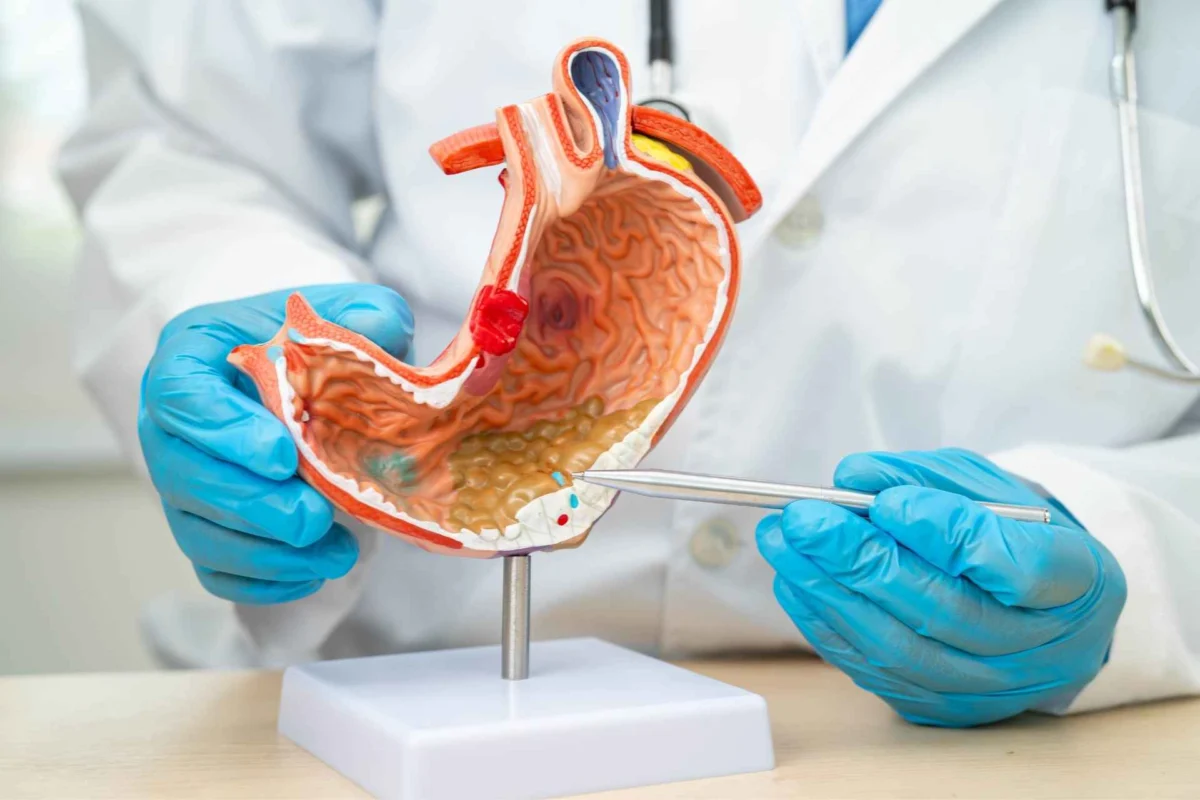
Gastric cancer remains one of the most formidable and lethal malignancies globally, bearing a disproportionately heavy disease burden in East Asia, where regional dietary habits, genetic predispositions, and high prevalence rates of specific pathogens converge to create a major public health challenge. For decades, the medical community has recognized Helicobacter pylori as the primary bacterial culprit behind the development of stomach ulcers and subsequent oncogenesis. Yet, a perplexing epidemiological paradox has long frustrated oncologists and gastroenterologists alike: the vast majority of individuals colonized by H. pylori never actually progress to develop gastric cancer, pointing compellingly toward the existence of a more complex microbial ecosystem influencing disease trajectories.
Now, a groundbreaking investigation published in the peer-reviewed journal Cell Reports Medicine has fundamentally shifted our understanding of this gastrointestinal malignancy. Researchers have revealed that when pathological transformations and chronic inflammatory changes in the stomach create an increasingly hospitable microenvironment within the gut, oral microorganisms can successfully colonize the lower digestive tract. Once established, these migrating mouth-associated microbes actively promote biochemical conditions that directly support tumor proliferation and survival. This revelation not only illuminates a previously underappreciated mechanism of cancer progression but also opens promising new avenues for non-invasive early diagnostics and targeted microbiome-based therapies.
The comprehensive study, spearheaded by lead researcher Youwen Qin and an interdisciplinary team at Southern Medical University in Shenzhen, China, sought to move beyond broad taxonomic associations. While previous scientific inquiries had noted unusual shifts in microbial communities across the stomach, gut, and oral cavities of gastric cancer patients, identifying these shifting populations down to the specific species level had remained an elusive goal. By mapping the intricate genomic landscape of the human microbiome in this vulnerable patient population, the research consortium has successfully established a tangible link between oral health, systemic microbial migration, and gastric oncogenesis.
Tracing the Pathogen Trail: A Methodological Breakthrough
To untangle the complex web of interactions between host physiology and microbial communities, Qin and his colleagues designed a rigorous, large-scale genetic analysis. The research team collected and sequenced the bacterial DNA present in comprehensive stool and saliva samples provided by a well-characterized cohort of 317 human participants. This cohort was carefully stratified to include individuals diagnosed with gastric cancer as well as those suffering from chronic gastritis, a common inflammatory precursor condition that often precedes malignant transformation.
By deploying advanced metagenomic sequencing techniques, the investigators were able to decode the genetic blueprints of the bacteria inhabiting both ends of the digestive tract. The findings yielded a remarkably detailed snapshot of microbial dysbiosis. In the stool samples, which serve as a proxy for the lower gastrointestinal tract, the research team successfully identified 28 distinct bacterial species that shared a robust statistical linkage with the presence of gastric cancer. Conversely, analysis of saliva samples revealed 36 bacterial species whose abundance levels differed significantly between healthy controls and cancer patients. Intriguingly, the majority of these saliva-derived species exhibited a notable decrease in abundance within the oral cavities of those afflicted with the malignancy.
This inverse relationship provided the first crucial clue in tracking microbial translocation. Rather than merely vanishing from the mouth, specific oral populations appeared to be relocating. The data revealed that individuals diagnosed with gastric cancer harbored a significantly higher concentration of mouth-associated bacteria—predominantly belonging to the Streptococcus and Lactobacillus genera—thriving abnormally within their gut environments. Many of the bacterial species that experienced significant population expansions in the guts of cancer patients were versatile organisms naturally equipped to inhabit both the oral cavity and the lower digestive tract.
To substantiate the hypothesis that these microbes were actively migrating rather than simply co-existing by coincidence, the research team performed high-resolution genetic strain tracking. By comparing the exact genetic profiles of bacterial strains found in the saliva and stool samples of the exact same individuals, the investigators uncovered compelling molecular evidence. Genetic markers confirmed that specific Streptococcus strains identified in the gut were genetically identical to those found in the host’s saliva, verifying that a physical migration route from the mouth to the gut does indeed occur under specific pathological conditions.
Biochemical Pathways: How Migrating Microbes Fuel Tumors
The discovery of oral bacteria migrating to the gut naturally raised critical questions regarding their functional impact on host tissues. Microbes do not merely inhabit the human body passively; they engage in continuous biochemical dialogue with host cells, secreting metabolites and signaling molecules that can profoundly alter local tissue physiology. To investigate the functional consequences of this microbial shift, Qin’s team analyzed the genetic machinery encoded within the genomes of the cancer-linked bacteria.
The genomic analysis uncovered a striking metabolic signature: the bacteria associated with gastric cancer carried a significantly higher density of genes dedicated to the production of lactate. Lactate, an organic acid long studied for its role in cellular metabolism, plays a remarkably potent and multifaceted role within the tumor microenvironment.
From a physiological standpoint, an accumulation of lactate can dramatically alter local tissue acidity, creating a hostile environment for normal, healthy cells while simultaneously providing a metabolic energy source for cancer cells. Furthermore, elevated lactate levels are known to exert profound immunomodulatory effects, effectively blunting the immune system’s ability to mount an effective surveillance response against burgeoning neoplastic cells. By dampening anti-tumor immunity and actively influencing tumor behavior and cellular proliferation, these lactate-producing oral interlopers appear to act as active accomplices in cancer progression.
The Chronology and Context of Gastrointestinal Microbiome Research
The publication of these findings in Cell Reports Medicine represents the culmination of a broader scientific evolution in oncology and gastroenterology over the past two decades. Historically, cancer research focused almost exclusively on host genetics and direct carcinogen exposure. However, the advent of high-throughput sequencing technologies in the late 2000s—crystallized by initiatives like the Human Microbiome Project—fundamentally transformed the paradigm, revealing that the human body functions as a complex supra-organism deeply intertwined with trillions of symbiotic and pathogenic microbes.
The timeline of gastric cancer microbiology has long been dominated by the legacy of Helicobacter pylori, a bacterium discovered in 1982 by Australian physicians Barry Marshall and Robin Warren. Their persistence in proving that H. pylori caused gastritis and peptic ulcers—ultimately earning them the Nobel Prize in Physiology or Medicine in 2005—shifted medical orthodoxy and led to widespread eradication therapies utilizing antibiotics. Yet, as public health campaigns successfully drove down H. pylori rates in many parts of the world, researchers observed that gastric cancer incidence did not drop uniformly, particularly in high-risk regions of East Asia.
Throughout the 2010s, smaller pilot studies began pointing toward broader ecological imbalances, or dysbiosis, within the entire gastrointestinal tract. Scientists noticed that patients with gastric atrophy and intestinal metaplasia—precancerous conditions of the stomach—harbored drastically different microbial communities compared to healthy individuals. However, these earlier studies were often limited by small sample sizes, a lack of strain-level resolution, and an inability to distinguish whether altered microbiome compositions were a cause of the disease, a consequence of altered stomach acidity, or merely an incidental correlation.
The Southern Medical University study marks a critical methodological leap forward by addressing these historical limitations. By integrating large-scale clinical cohorts with advanced metagenomic sequencing and strain-tracking algorithms, the 2026 study has provided the most robust evidence to date establishing both the oral origin of specific cancer-associated gut microbes and their direct metabolic contributions to tumor sustenance.
Diagnostic and Therapeutic Implications for Clinical Oncology
Beyond shedding light on the fundamental biology of oncogenesis, the identification of these distinct microbial signatures holds profound translational potential for clinical diagnostics. Currently, the early detection of gastric cancer remains a significant hurdle; the disease is notoriously asymptomatic in its early stages, and screening frequently relies on invasive procedures such as upper gastrointestinal endoscopy, which can be costly, uncomfortable, and impractical for widespread population-wide screening programs.
By leveraging the specific microbial markers discovered in this study, the researchers were able to construct predictive models capable of identifying gastric cancer with a high degree of statistical accuracy using non-invasive biological samples. The predictive algorithms demonstrated that analyzing the microbial composition of either stool or saliva samples could effectively screen for the presence of the malignancy.
This breakthrough points toward a future where routine cancer screenings could potentially involve a simple saliva swab or stool collection kit, dramatically lowering the logistical and financial barriers to early detection. Catching gastric cancer in its earliest developmental phases drastically improves patient prognosis, as late-stage diagnoses are frequently associated with dismal survival rates and limited treatment options.
Furthermore, the study opens exciting new frontiers in therapeutic intervention. If specific mouth-derived bacterial strains are actively contributing to tumor growth by manufacturing lactate and suppressing immune responses, therapeutic strategies could be engineered to neutralize them. Future treatments might incorporate targeted precision antimicrobials, custom probiotic formulations designed to restore a healthy gut barrier, or metabolic inhibitors capable of blocking the tumor-promoting pathways driven by microbial metabolites.
Scientific Caution and the Road Ahead
Despite the profound excitement generated by these findings within the oncology community, the study’s authors have urged a measured and cautious interpretation of the data, emphasizing that significant scientific hurdles remain before these insights can be translated into standard clinical care.
Most notably, the current study was observational and cross-sectional in nature, meaning it successfully captured a statistical snapshot of microbial differences at a single point in time. Consequently, the research design inherently cannot definitively prove a direct causal relationship—whether the migrating oral bacteria actively initiate the carcinogenic cascade from scratch, or whether they simply take advantage of an already compromised, immunologically suppressed, and anatomically altered stomach environment to colonize and thrive.
Additionally, the research cohort was drawn primarily from a specific regional population in East Asia, raising important questions regarding generalizability. Human microbiome compositions are known to be heavily influenced by geography, diet, genetics, and lifestyle factors. Whether the specific Streptococcus and Lactobacillus signatures identified in Chinese patients will hold true for populations in Western nations, South America, or Africa remains to be determined through extensive, multi-center international validation studies.
To definitively establish causality and universal applicability, the scientific community must now undertake large-scale, longitudinal prospective studies. These investigations will need to track healthy individuals over many years, monitoring shifts in their oral and gut microbiomes long before any clinical signs of gastric cancer manifest. Animal model experiments transplanting human-derived oral bacterial strains into germ-free environments will also be necessary to observe whether these microbes can independently drive tumor formation in vivo.
As researchers continue to decode the intricate dialogues taking place between the human host and its resident microbial communities, this landmark study stands as a vital milestone. By bridging the biological divide between the oral cavity and the gastrointestinal tract, science has moved one step closer to dismantling the complex mechanisms behind one of the world’s most lethal malignancies, offering renewed hope for future diagnostic innovations and targeted therapies.
