
The year 2022 marked a significant turning point in American public health policy, catalyzed by the White House Conference on Hunger, Nutrition, and Health. This high-level summit, held in September, represented the first time the federal government convened a national gathering on these interconnected issues since the landmark 1969 conference, which laid the foundation for programs such as the Supplemental Nutrition Assistance Program (SNAP) and the Special Supplemental Nutrition Program for Women, Infants, and Children (WIC). As the United States grapples with rising rates of diet-related diseases, including obesity, type 2 diabetes, and cardiovascular conditions, the administration has set an ambitious goal: to end hunger and increase healthy eating and physical activity by the year 2030.
The Chronology of National Nutrition Policy
To understand the weight of the 2022 initiatives, one must look back at the historical framework of American nutrition. In 1969, the Nixon administration sought to address widespread malnutrition in a country that was simultaneously experiencing an economic boom. That conference resulted in a massive expansion of the federal food safety net. Fast forward to the present day, and the challenge has shifted. While caloric intake is generally high, nutrient density has plummeted, and systemic inequities have created "food deserts" where fresh produce is either unavailable or prohibitively expensive.
Throughout 2022, the lead-up to the conference involved months of regional listening sessions and expert testimony. The resulting "National Strategy on Hunger, Nutrition, and Health" was released in conjunction with the summit, outlining five key pillars: improving food access and affordability, integrating nutrition and health, empowering all consumers to make and have access to healthy choices, supporting physical activity for all, and enhancing nutrition and food security research.
Data-Driven Perspectives on Public Health
The urgency behind this strategy is supported by stark clinical data. According to the Centers for Disease Control and Prevention (CDC), nearly 42% of American adults are classified as obese, and approximately 10% of the population lives in food-insecure households. These statistics are not merely abstract figures; they translate into a massive economic burden on the healthcare system. Diet-related illnesses are among the leading causes of death and disability in the United States, costing the nation billions of dollars annually in direct medical expenses and lost productivity.
Harvard University’s Department of Nutrition has been a vocal participant in the discourse surrounding these goals. Experts, including Drs. Frank Hu, Walter Willett, and Lilian Cheung, have emphasized that while the administration’s strategy is a necessary step forward, it faces structural hurdles that require more than just policy adjustments; they require a systemic transformation of the food environment.
Critical Analysis: Where the Strategy Falls Short
While the national strategy proposes several commendable approaches—such as the expansion of nutrition assistance programs and the pilot testing of medically tailored meals under Medicare—public health scholars have noted significant gaps. One of the primary criticisms involves the lack of stringent regulations regarding the marketing of ultra-processed foods to children. Research has consistently shown that exposure to high-sugar and high-fat food marketing correlates strongly with childhood obesity rates.
Furthermore, the strategy has been criticized for its limited focus on the intersection of nutrition and climate change. Experts argue that the modern food system is a significant contributor to greenhouse gas emissions and environmental degradation. A truly sustainable policy, according to the Harvard team, must address how food production affects planetary health, which in turn dictates the long-term viability of the food supply. By failing to fully integrate environmental sustainability into the primary nutrition strategy, the administration risks creating a policy that is short-sighted, failing to account for the resource constraints the next generation will inevitably face.
The Path Toward 2030: Multi-Sector Collaboration
Achieving the 2030 targets will require a departure from traditional, siloed policymaking. The administration’s plan calls for a "whole-of-government" approach, but academic experts insist this must extend further. The involvement of the private sector is essential, as corporations control the vast majority of the food supply chain. Philanthropic organizations and academic institutions also play a vital role in data collection and the implementation of community-level interventions.
The call to action issued by the Department of Nutrition emphasizes that the public sector cannot act alone. Sustainable change requires a symbiotic relationship between those who grow the food, those who distribute it, and those who regulate it. This includes incentivizing the production of fruits, vegetables, and whole grains, while simultaneously reducing the subsidies that currently favor the mass production of corn and soy for processed products.
Practical Applications for Individual Healthy Living
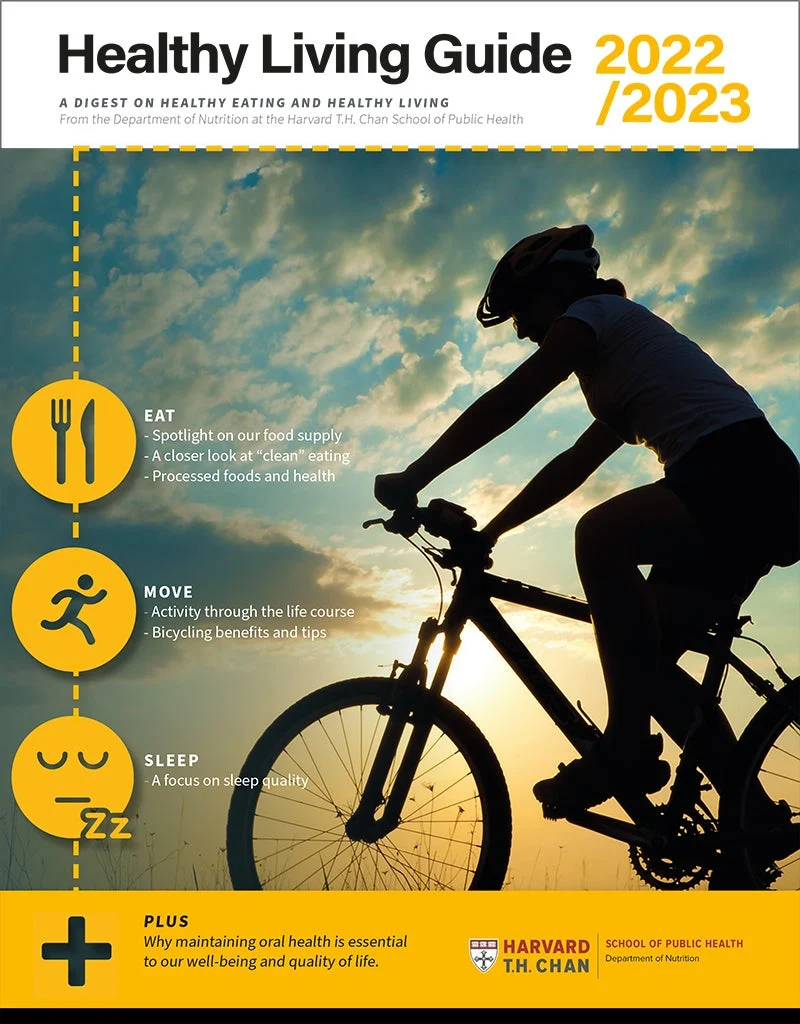
While large-scale policy changes move through the legislative and regulatory processes, individuals are often left wondering how to navigate the current landscape of nutrition. The "Healthy Living Guide," a resource periodically updated by nutritional experts, serves as a bridge between high-level policy and daily habits. It reinforces the idea that dietary shifts do not need to be radical to be effective.
Key takeaways for the average consumer include:
- Prioritizing Whole Foods: Minimizing the intake of ultra-processed items in favor of legumes, nuts, seeds, and whole grains.
- Hydration and Beverage Choices: Reducing sugar-sweetened beverages, which remain the single largest source of added sugar in the American diet.
- Consistent Physical Activity: Integrating movement into daily routines, not as a sporadic exercise regimen, but as a consistent lifestyle habit.
- Mindful Consumption: Paying attention to food labels and understanding the difference between marketing claims and nutritional reality.
The Role of Educational Resources
The dissemination of accurate information is a pillar of the 2030 strategy. The Healthy Living Guide provides a template for how organizations can communicate complex nutritional science to the public. By offering printable tip sheets and summary guides, institutions like Harvard aim to empower individuals to make informed decisions despite the overwhelming amount of conflicting health information available online.
Testing one’s knowledge on these subjects is more than an academic exercise. It helps demystify the myths surrounding "fad diets" and encourages a return to evidence-based eating patterns, such as the Mediterranean diet, which has been extensively documented for its long-term health benefits. As the government continues to refine its strategy, these educational tools act as a safeguard, ensuring that individuals have the information needed to navigate a complex and often misleading food environment.
Conclusion: The Long Road Ahead
The 2022 White House Conference was a landmark event, but it serves only as a starting point. The true test of the national strategy will be its implementation and its ability to withstand political cycles. To reach the 2030 goals, the focus must remain on equity. Access to healthy food must be a right rather than a privilege, and this requires dismantling the structural barriers—such as systemic poverty and transportation deserts—that keep healthy food out of reach for millions of Americans.
As we move deeper into the current decade, the integration of public health policy and environmental stewardship will likely become the defining challenge of the nutrition sector. Whether the administration will incorporate the feedback from leading academic experts regarding food marketing and climate change remains to be seen. In the meantime, the responsibility continues to be shared between policy leaders who set the agenda and individuals who make the daily choices that, in the aggregate, define the health of the nation. Through persistent advocacy, improved policy frameworks, and a commitment to evidence-based healthy living, the ambitious goals set for 2030 remain within reach, provided there is a collective willingness to adapt to the changing realities of our global food system.
