
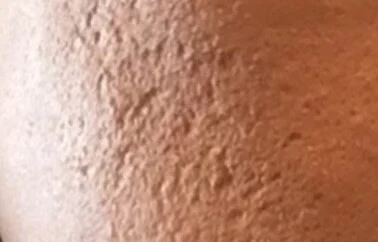
A Canadian lawyer living with severe acne scarring describes her daily existence as an unrelenting struggle, where "every day is a struggle, and the emotional wounds feel just as raw as the physical ones." This stark admission by the 40-year-old South Asian woman, who chooses to remain anonymous, illuminates the profound and often underestimated burden of chronic skin conditions, particularly when they leave indelible marks on one’s face. Her experience transcends mere cosmetic concern, delving deep into issues of self-worth, social interaction, and the pervasive influence of societal beauty standards.
The lawyer’s candour challenges the simplistic adage of "accept yourself, love yourself," highlighting the immense difficulty when the weight of physical scars is carried prominently on one’s face. "The reality is that we carry many scars with us, and when you also carry them on your face, that weight becomes very heavy," she explains. This sentiment resonates with countless individuals globally who grapple with visible differences, often facing a world unprepared to look beyond the surface.
A Life Defined by Visible Marks
The impact on her life is extensive, leading to significant social withdrawal. "To date, there are days when I won’t go out in public," she states, detailing how specific lighting and makeup applications can accentuate the deep scarring, uneven texture, and years of damage. As she ages, the loss of youthful skin elasticity further exacerbates the appearance of the scars, making them more pronounced. This has led her to actively limit social media engagement and in-person socialization. Her concern extends to younger generations, who she believes face an even harder battle given the "unrealistic beauty expectations we are surrounded by" in today’s digital age. The permanence of these scars, she fears, is a "hard thing to accept" for those coming of age in a visually saturated society.
Her journey with acne began in her early twenties, coinciding with her university years. Initially, it was a manageable concern, but in her early thirties, the condition took a dramatic and aggressive turn. "The progression of my acne was swift and relentless," she recalls. Within a few months, her face became "covered in painful, cystic acne." This rapid deterioration not only left deep physical scars but also triggered a profound psychological crisis.
The Dual Burden: Cystic Acne and Hyperpigmentation

For individuals with skin of colour, severe acne presents an additional, complex challenge: post-inflammatory hyperpigmentation (PIH). The lawyer, being South Asian, was at a heightened risk, and indeed, PIH occurred alongside her cystic acne, leaving her with significant dark spots. This dual condition complicated her situation, narrowing her treatment options and prolonging the visible aftermath of each breakout. Hyperpigmentation, characterized by dark spots or patches that remain after an inflammatory lesion has healed, can often be as distressing, if not more so, than the acne itself, particularly for darker skin types where it tends to be more severe and persistent.
The sudden transformation of her skin was not merely a physical inconvenience but "deeply traumatic and emotionally devastating." The sight of her "once-clear skin covered in large, dark and pus-filled hills" left her feeling helpless and shattered her confidence. She developed extreme sensitivity, flinching at both the physical pain and the sight of her reflection. The overwhelming embarrassment led her to avoid mirrors and dread social interactions, fostering a constant sense of being judged.
Cultural Context and Insensitive Commentary
The lawyer’s cultural background, being South Asian, added another painful layer to her experience. She recounts regularly enduring "insensitive comments about skin conditions," which are unfortunately common in certain cultural contexts. These "cruel and unsolicited comments" were "thrown my way with callous disregard to my situation," intensifying her feelings of isolation and shame. In many South Asian cultures, clear skin is often equated with beauty, health, and even social standing, making visible skin conditions particularly stigmatizing. This cultural pressure often exacerbates the psychological toll already inflicted by the condition itself, creating a cycle of self-consciousness and withdrawal.
Understanding Severe Acne and Its Scarring
Acne vulgaris, commonly known as acne, is a chronic inflammatory skin condition affecting the pilosebaceous unit, which includes the hair follicle and sebaceous gland. While often associated with adolescence, it can persist into adulthood or even begin later in life, as was the case for the Canadian lawyer. Severe forms, such as cystic acne and nodular acne, involve deep, painful lesions that are more prone to causing permanent scarring. Cystic acne manifests as large, pus-filled cysts beneath the skin’s surface, while nodules are hard, painful lumps. Both can cause significant inflammation that damages the collagen and elastic fibers in the dermis, leading to various types of scars:
- Ice pick scars: Narrow, deep, pitted scars that resemble punctures.
- Boxcar scars: Broad, box-like depressions with sharply defined edges.
- Rolling scars: Broad depressions with sloping edges, giving the skin a wavy, uneven appearance.
- Hypertrophic scars and keloids: Raised scars, though less common on the face.
The prevalence of acne is substantial, affecting an estimated 85% of individuals between the ages of 12 and 24, with approximately 20% experiencing severe forms. Adult acne, affecting those over 25, is also common, impacting up to 15% of women. In Canada, dermatologists report that acne remains one of the most frequent reasons for patient visits, underscoring its widespread impact. Early and effective treatment is crucial to prevent scarring, yet many individuals, for various reasons including accessibility and awareness, do not receive timely intervention.
The Psychological and Social Ramifications
The psychological burden of severe acne and its scarring extends far beyond cosmetic concerns. Research consistently demonstrates a strong link between acne and mental health issues, including depression, anxiety, social phobia, and poor self-esteem. A study published in the British Journal of Dermatology found that individuals with acne were significantly more likely to develop major depression. The constant visibility of facial scarring can lead to persistent self-consciousness, body image dissatisfaction, and a diminished quality of life.
For the lawyer, this manifested as avoiding public outings and social interactions. This social withdrawal can create a vicious cycle, where isolation further exacerbates feelings of depression and anxiety. The workplace, too, can become a source of stress, with perceived judgment or actual discrimination impacting professional confidence and opportunities, even for a successful lawyer. The emotional trauma she describes is not an exaggeration but a recognized consequence of living with a disfiguring condition, highlighting the need for integrated dermatological and psychological support.
Disparities in Dermatological Care and Hyperpigmentation
The lawyer’s experience with hyperpigmentation underscores a critical issue in dermatological care: racial and ethnic disparities. Individuals with skin of colour are disproportionately affected by post-inflammatory hyperpigmentation (PIH), which can be more severe, persistent, and challenging to treat. This is due to a higher concentration and reactivity of melanocytes (pigment-producing cells) in darker skin tones. Additionally, certain treatments for acne and scarring, particularly aggressive laser therapies, can pose a higher risk of dyspigmentation in darker skin, further complicating management.
Access to culturally competent dermatological care is also a concern. Dermatologists with extensive experience treating diverse skin types are essential for providing effective and safe care, minimizing adverse effects like PIH. Educational initiatives are vital to ensure healthcare providers are aware of these nuances and can offer tailored treatment plans. The lack of such specialized care can leave patients feeling misunderstood and underserved, as implied by the lawyer’s struggle to find effective treatment options that wouldn’t worsen her hyperpigmentation.
Societal Beauty Standards and the Younger Generation
The lawyer expresses profound empathy for the younger generation, facing "unrealistic beauty expectations" amplified by social media. Platforms like Instagram and TikTok, with their filters and curated images, often present an unattainable ideal of flawless skin, making it incredibly difficult for anyone with visible skin conditions to feel adequate. This relentless exposure to perfection can contribute to body dysmorphia, anxiety, and depression among young people.
The digital age has intensified the pressure to conform, turning skin health into a public spectacle. The permanence of acne scars in a society obsessed with fleeting perfection creates a deeply challenging environment for self-acceptance. Advocacy groups and mental health organizations are increasingly working to promote body positivity and realistic beauty standards, but the pervasive influence of media remains a significant hurdle.
The Treatment Landscape and Challenges
While the lawyer acknowledges "many more resources available" today, the path to managing severe acne and scarring is often long, arduous, and expensive. For active acne, treatments range from topical retinoids and antibiotics to oral antibiotics, hormonal therapies, and isotretinoin (Accutane), a powerful systemic retinoid. However, once scarring has occurred, treatment becomes more complex.
Scar revision treatments include:
- Laser therapies: Fractional ablative and non-ablative lasers, pulsed dye lasers, which stimulate collagen production and resurface the skin. These require multiple sessions and can be costly, with varying efficacy and risks, particularly for PIH in darker skin types.
- Microneedling: Creates micro-injuries to stimulate collagen and elastin production.
- Chemical peels: Varying strengths to remove damaged outer layers of skin.
- Subcision: A procedure to release tethered scars by breaking fibrous bands under the skin.
- Dermal fillers: To elevate depressed scars to the level of surrounding skin.
- Punch excision/grafting: For very deep, individual scars.
The lawyer’s experience highlights the limitations and challenges: the high cost of multiple sessions, the potential for complications like worsened hyperpigmentation, and the emotional toll of undergoing repeated procedures with no guarantee of complete resolution. Her advice to "do your research thoroughly" is critical, as patients need to be well-informed about the risks, benefits, and realistic outcomes of each treatment option, especially considering their skin type.
Advocacy and the Path Forward

Despite her ongoing struggles with self-esteem, the lawyer has drawn a profound positive from her experience: "I have developed deep compassion and empathy for people who have had injuries to their face and others who have suffered facial disfigurement." This empathy, born from her personal pain, underscores the broader human need for understanding and support for those with visible differences.
Organizations like Acne Action Canada, which published her story, play a crucial role in patient education, advocacy, and destigmatization. They work to raise awareness about the physical and psychological impact of acne, promote research into new treatments, and advocate for better access to care.
The lawyer’s narrative serves as a powerful reminder that skin conditions are not merely superficial. They impact mental health, social interactions, and overall quality of life. Addressing these challenges requires a multifaceted approach:
- Improved access to dermatological care: Ensuring timely diagnosis and treatment to prevent severe scarring.
- Culturally competent care: Training healthcare providers to address the specific needs of diverse skin types, particularly concerning hyperpigmentation.
- Integrated mental health support: Recognizing and addressing the psychological distress associated with visible skin conditions.
- Public education and destigmatization: Challenging unrealistic beauty standards and fostering greater empathy and understanding for individuals with skin differences.
- Research and development: Continued investment in novel, effective, and safe treatments for both acne and its scars across all skin types.
Her story is not just a personal lament but a call to action, urging society to look beyond the surface and recognize the profound human experience behind every scar. Her compassion for others facing even greater facial challenges speaks to a universal truth: shared vulnerability can forge deep connections and inspire meaningful change. The weight of her scars is indeed heavy, but her voice, amplified, carries the potential to lighten the burden for many.
