
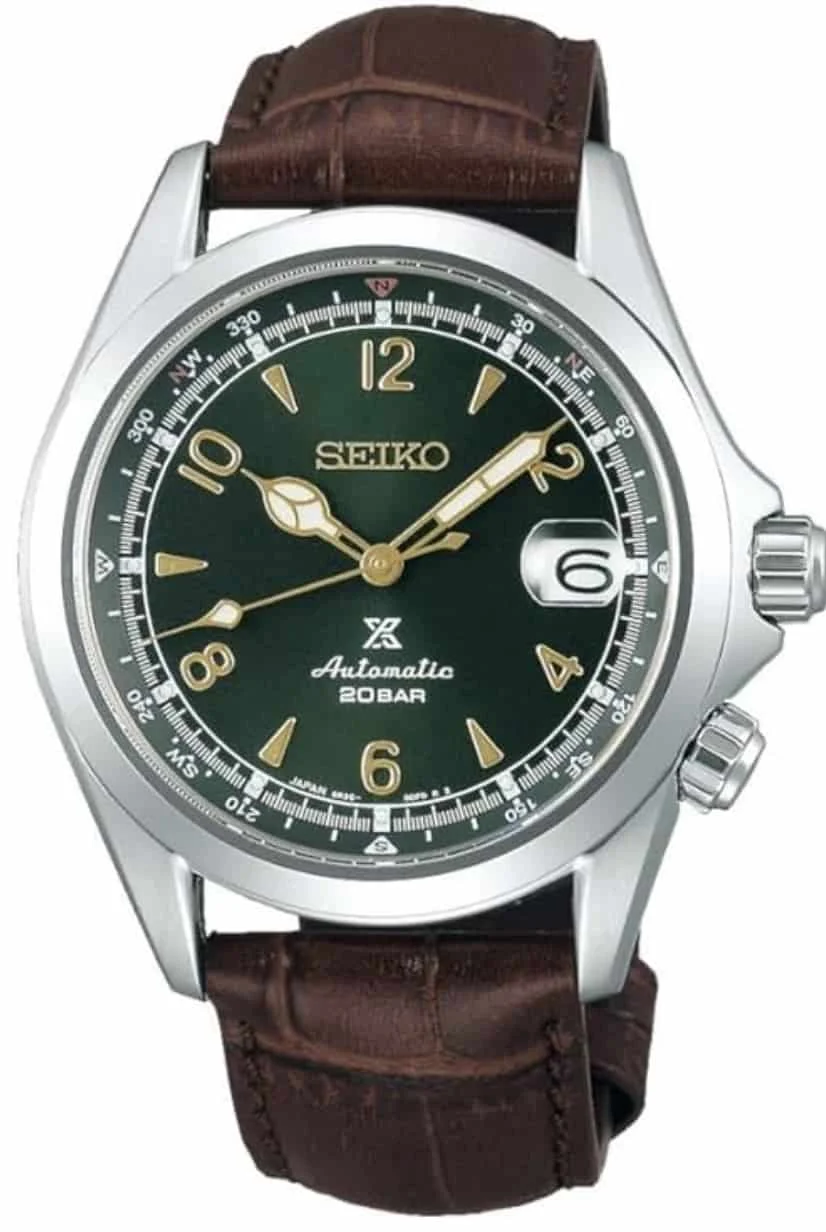
When it comes to selecting a timepiece that can withstand the rigors of outdoor exploration while retaining a sense of refined style, the Seiko Alpinist has long stood as a benchmark. This iconic watch, with its rich heritage and distinctive design, has garnered a dedicated following among watch enthusiasts and adventurers alike. This review delves into the compelling attributes that solidify the Alpinist’s reputation as one of Seiko’s most exceptional offerings, examining its enduring appeal and why it continues to be a top choice for those who demand both performance and aesthetic sophistication.
A Legacy of Exploration: The Origins of the Seiko Alpinist
The Alpinist line was first introduced by Seiko in 1959, a period when exploration and mountaineering were gaining significant traction as popular pastimes. The original concept was to create a robust, reliable, and legible watch specifically designed for mountain climbers and outdoor enthusiasts. The name "Alpinist" itself evokes images of alpine adventures, underscoring its intended purpose. Early models were characterized by their rugged construction, clear dials, and often included features like inner rotating compass bezels, a testament to their utilitarian design philosophy. Over the decades, the Alpinist has evolved, adapting to modern watchmaking standards while staying true to its adventurous spirit. The transition from manual-wind to automatic movements, the incorporation of superior materials like sapphire crystals, and the refinement of case designs have all contributed to its sustained relevance. The Alpinist is not merely a watch; it is a piece of horological history, intrinsically linked to the spirit of discovery and the pursuit of challenging terrains.

Reason 1: The Perfect Harmony of Size and Wearability
One of the most frequently praised aspects of the Seiko Alpinist, particularly in its modern iterations, is its remarkably balanced case size. While product photography can sometimes distort the perception of scale, the Alpinist, typically measuring around 39mm in diameter, strikes an ideal chord for a wide range of wrist sizes. This dimension positions it comfortably between the overly large and the excessively small, offering a presence that is noticeable without being obtrusive. For individuals with wrists measuring approximately 7.25 inches, the 39mm case often provides an exceptional fit, allowing the watch to sit unobtrusively and comfortably throughout the day, whether engaging in strenuous activity or attending a more formal gathering.
This thoughtful sizing is a deliberate choice by Seiko, a brand renowned for its ability to engineer watches that feel perfectly proportioned on diverse wrists. Even for those accustomed to the bolder profiles of larger dive watches or chronographs, the Alpinist’s more compact dimensions often prove surprisingly appealing. This adaptability ensures that the Alpinist can transition seamlessly from the wilderness to the boardroom, a versatility that is increasingly valued in contemporary watch design. The lug-to-lug measurement, typically around 46.4mm, further contributes to its comfortable wearability, preventing excessive overhang on smaller wrists. The overall wearability is enhanced by the thoughtful integration of the strap, which complements the case without overpowering it.

Reason 2: Distinctive Design Elements Rooted in Functionality
In a horological landscape often dominated by dive watches, chronographs, and GMT models, the Seiko Alpinist carves out its own niche with a design language explicitly tailored for mountaineering and exploration. Its uniqueness is immediately apparent in several key features. Foremost among these is the distinctive 4 o’clock crown, a design element that serves a crucial functional purpose. This secondary crown is dedicated to operating the inner rotating compass bezel, a signature complication of the Alpinist line. While the everyday utility of a mechanical compass may be diminished in the age of GPS devices, its inclusion adds a layer of historical authenticity and practical preparedness. In remote environments where electronic devices may fail, a reliable analog compass can prove invaluable. The presence of this complication speaks to the Alpinist’s origins as a tool watch designed for genuine adventure.
Beyond the functional crown, the Alpinist is often characterized by its "cathedral" style hands. These elaborately shaped hands, reminiscent of those found on classic military timepieces, lend a distinctive vintage appeal and enhance legibility, especially in low-light conditions due to their generous application of luminous material. While this design element can be a point of personal preference – some appreciate its unique aesthetic, while others may find it too ornate – it undeniably contributes to the Alpinist’s unique identity. This stylistic choice reinforces the watch’s rugged, adventurous character, setting it apart from more conventional designs and cementing its status as a conversation starter among watch aficionados. The combination of the functional compass bezel and the distinctive cathedral hands creates a visual narrative that speaks to the watch’s adventurous heritage and purposeful design.

Reason 3: The Alluring and Dynamic Green Sunburst Dial
The dial of the Seiko Alpinist is, for many, its most captivating feature, particularly the celebrated green variants. First introduced in 1995, alongside black and beige options, the green Alpinist has evolved into a legendary colorway. Initially, Seiko designers faced skepticism, with projections suggesting that green dials would not resonate with the market. However, the enduring popularity of the green Alpinist, particularly since the reintroduction of modern interpretations in 2006, has proven these early concerns unfounded. It has become a widely recognized and admired alternative to other iconic green dial watches, such as the Rolex Explorer.
The specific shade of green employed by Seiko is a masterclass in tasteful execution. It is a sophisticated hue, often described as a British racing green with subtle olive undertones. What elevates this dial beyond a mere color choice is the application of a sunburst finish. This intricate detailing creates a dynamic interplay of light and shadow across the dial’s surface. In subdued lighting conditions, the green can appear almost black or a muted silvery-grey, offering a sense of understated elegance. Conversely, when exposed to direct sunlight, the sunburst effect comes alive, transforming the dial into a vibrant, almost shimmering green. This remarkable ability to change its character throughout the day, depending on the ambient light, makes the Alpinist feel like multiple watches in one, adding a layer of visual intrigue and depth that few timepieces can match. The applied indices, often with a sharp, faceted design, further enhance legibility and contribute to the dial’s overall visual appeal.

Reason 4: Unrivaled Versatility as a "Strap Monster"
While the Alpinist’s stock crocodile-embossed calfskin strap has been a point of contention for some enthusiasts, its true strength lies in its remarkable adaptability to a vast array of aftermarket straps. This characteristic has earned it the affectionate moniker of a "strap monster" within the watch collecting community. The Alpinist’s dial color, while bold, possesses a surprising neutrality that allows it to pair harmoniously with an extensive spectrum of materials, colors, and styles.
Whether one opts for a rugged canvas strap for an outdoor excursion, a sophisticated leather NATO for a more casual yet stylish look, or even a sleek metal bracelet for a dressier occasion, the Alpinist consistently proves its mettle. Its inherent versatility means that a simple strap change can completely alter the watch’s persona, allowing the wearer to tailor it to specific outfits, activities, or moods. This adaptability is a significant factor in the Alpinist’s enduring appeal, offering owners the opportunity to personalize their timepiece and explore different aesthetic possibilities without compromising the watch’s core identity. This adaptability ensures that the Alpinist can be a one-watch solution for many, seamlessly fitting into diverse aspects of a wearer’s life.

Reason 5: Exceptional Value Proposition and Enduring Quality
The Seiko Alpinist consistently offers an exceptional value proposition, a crucial factor for many discerning watch buyers. While the prices of some older, discontinued models like the SARB017 have seen an increase in the secondary market due to their cult status, the modern Alpinist models, such as the SPB121, continue to provide outstanding quality for their price point.
The original SARB017 Alpinist, when available in good condition, remains a highly recommended option for purists. Many collectors prefer its cleaner aesthetic, lacking the Cyclops date magnifier and the Prospex logo that adorn the newer iterations, thus retaining a more classic and uncluttered appearance. However, for those new to the Alpinist or seeking a readily available option, the newer SPB121 is an undeniably solid choice. It is powered by Seiko’s reliable 6R35 automatic movement, known for its robust performance and impressive 70-hour power reserve. The inclusion of a scratch-resistant sapphire crystal further enhances its durability and longevity.

Priced typically under $800, the Alpinist represents a compelling investment in quality and craftsmanship. Its specifications and finishing often rival those found in timepieces from higher-priced luxury brands, approaching the perceived quality and aesthetic refinement of some Grand Seiko models, albeit at a significantly more accessible price point. This combination of robust engineering, distinctive design, and accessible pricing makes the Alpinist a strong contender for a "one-and-done" watch – a timepiece that can satisfy a wide range of needs and preferences, from daily wear to adventurous pursuits.
Technical Specifications and Performance
The Seiko Alpinist is a testament to Japanese engineering and attention to detail. Key specifications include:

- Case Diameter: 39.5mm (providing a balanced and wearable size)
- Case Thickness: 13.2mm (a substantial yet not overly thick profile)
- Lug-to-Lug Distance: 46.4mm (contributing to comfortable wearability)
- Material: Stainless steel construction, ensuring durability and corrosion resistance.
- Crown: Positioned at 4 o’clock, this crown operates the inner rotating compass bezel, a hallmark of the Alpinist design.
- Water Resistance: 200 meters (20 bar), offering significant protection against water ingress, suitable for various outdoor activities.
- Dial Color: Typically presented in a striking green with a sunburst effect, which manipulates light for a dynamic visual appeal.
- Handset: Cathedral-style hands, offering a distinctive aesthetic and excellent legibility.
- Compass Bezel: Inner rotating bezel marked with cardinal points, activated by the secondary crown.
- Lume: Seiko’s proprietary LumiBrite applied to hands and indices ensures excellent visibility in darkness.
- Crystal Material: Sapphire crystal, renowned for its scratch resistance and clarity. Modern versions often feature an anti-reflective coating on the inner surface to further enhance legibility.
- Movement Caliber: Seiko 6R35 automatic movement, a reliable workhorse known for its durability and substantial power reserve.
- Movement Type: Automatic with manual winding capability.
- Power Reserve: Approximately 70 hours, providing extended operation between windings.
- Accuracy: Rated at +25 to -15 seconds per day, within acceptable parameters for an automatic movement in this price category.
- Jewels: 24 jewels, contributing to the smooth operation and longevity of the movement.
- Strap: Often supplied with a crocodile-embossed calfskin strap, though highly adaptable to aftermarket options.
Navigating the Market: A Note on Authenticity
As with any highly sought-after timepiece, the market for the Seiko Alpinist is not without its challenges. The popularity of the Alpinist has unfortunately led to the proliferation of convincing counterfeit models. Potential buyers are strongly advised to exercise due diligence when purchasing. Thoroughly researching reputable sellers, scrutinizing product images for discrepancies, and being wary of prices that seem too good to be true are essential steps in avoiding fraudulent offerings. Understanding the specific details of genuine models, such as dial printing, case finishing, and movement characteristics, can significantly aid in distinguishing authentic pieces from fakes.
Conclusion: The Enduring Allure of the Seiko Alpinist

The Seiko Alpinist is more than just a watch; it is a carefully crafted instrument that embodies the spirit of adventure, functionality, and enduring style. Its balanced dimensions make it exceptionally wearable, while its unique design elements, including the functional compass bezel and distinctive hands, set it apart from the competition. The captivating green sunburst dial adds a layer of visual dynamism, and its remarkable versatility with strap changes ensures it can adapt to any occasion. Coupled with its exceptional value proposition, the Alpinist solidifies its position as a top-tier adventure watch from Seiko. Whether one chooses a vintage SARB017 or a modern SPB121, the Alpinist is poised to be a cherished companion for countless explorations, a reliable and stylish testament to Seiko’s legacy in watchmaking. Its appeal continues to grow, solidifying its status as a truly iconic timepiece.
