
Polycystic Ovary Syndrome (PCOS) has emerged as the leading cause of ovulatory infertility worldwide, affecting approximately 8% to 13% of women of reproductive age. Characterized by a complex interplay of hormonal imbalances, insulin resistance, and metabolic dysfunction, the condition presents a significant barrier to conception for millions. Recent clinical data and patient advocacy reports suggest that while a diagnosis can be emotionally devastating, a multi-faceted approach involving targeted dietary interventions, weight management, and specific supplementation can substantially improve fertility outcomes. For many women, the journey toward pregnancy involves a rigorous re-evaluation of lifestyle factors to address the underlying endocrine disruptions that define the disorder.
The Biological Landscape of PCOS and Infertility
PCOS is fundamentally an endocrine disorder that disrupts the hypothalamic-pituitary-ovarian axis. In a healthy reproductive cycle, the body produces a delicate balance of Follicle Stimulating Hormone (FSH) and Luteinizing Hormone (LH) to facilitate the maturation and release of an egg. In women with PCOS, this balance is often upended. High levels of androgens—commonly referred to as "male hormones" though present in all women—interfere with the ovulation process. This often results in irregular menstrual cycles, anovulation (the absence of ovulation), and the formation of small, fluid-filled sacs on the ovaries.

The frustration of managing PCOS is often compounded by the unpredictability of symptoms. Patients frequently report difficulty in tracking ovulation, as traditional indicators like basal body temperature or cervical mucus may be obscured by hormonal fluctuations. Furthermore, the psychological toll of "messed up hormones" and the perceived lack of control over one’s reproductive health can lead to significant stress, which may further exacerbate endocrine imbalances.
The Insulin-Testosterone Connection
A critical factor in the management of PCOS-related infertility is the role of hyperinsulinemia. Research indicates that up to 70% of women with PCOS exhibit some degree of insulin resistance, regardless of their Body Mass Index (BMI). When the body’s cells become resistant to insulin, the pancreas compensates by producing more of the hormone. Elevated insulin levels do more than just affect blood sugar; they act directly on the ovaries to stimulate the production of testosterone.
This excess testosterone is a primary driver of the clinical symptoms of PCOS, including acne, hirsutism (excess hair growth), and, most critically, the inhibition of follicle development. Consequently, dietary strategies that focus on blood sugar stabilization are considered the first line of defense. Nutritionists and endocrinologists recommend a diet centered on low Glycemic Index (GI) carbohydrates. These "slow-release" carbs prevent the sharp insulin spikes that trigger androgen production. By balancing carbohydrate intake with high-quality proteins and healthy fats, patients can create a hormonal environment more conducive to regular ovulation.

Environmental and Dietary Estrogens
The role of estrogen in PCOS is equally complex. Many patients experience "estrogen dominance," a state where estrogen levels are disproportionately high relative to progesterone, or conversely, they may suffer from low estrogen levels that prevent the thickening of the uterine lining. Emerging research highlights two external factors that can further complicate this balance: xenoestrogens and dietary estrogens.
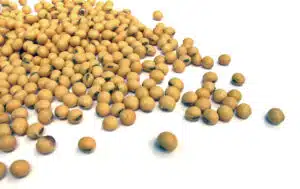
Xenoestrogens are synthetic compounds found in plastics, pesticides, and certain cosmetics that "mimic" natural estrogen in the body. These endocrine disruptors can bind to estrogen receptors, sending false signals to the reproductive system. In addition to environmental factors, dietary sources of estrogen are under increased scrutiny. Phytoestrogens, found in plant-based foods like soy, are a subject of ongoing clinical debate. These compounds can occupy estrogen receptors; depending on the individual’s internal hormonal state, they may either block the body’s natural estrogen or provide a weak estrogenic effect. Some studies suggest that high soy consumption can delay ovulation in certain women, leading many fertility specialists to recommend a cautious or restrictive approach to soy during the conception phase.
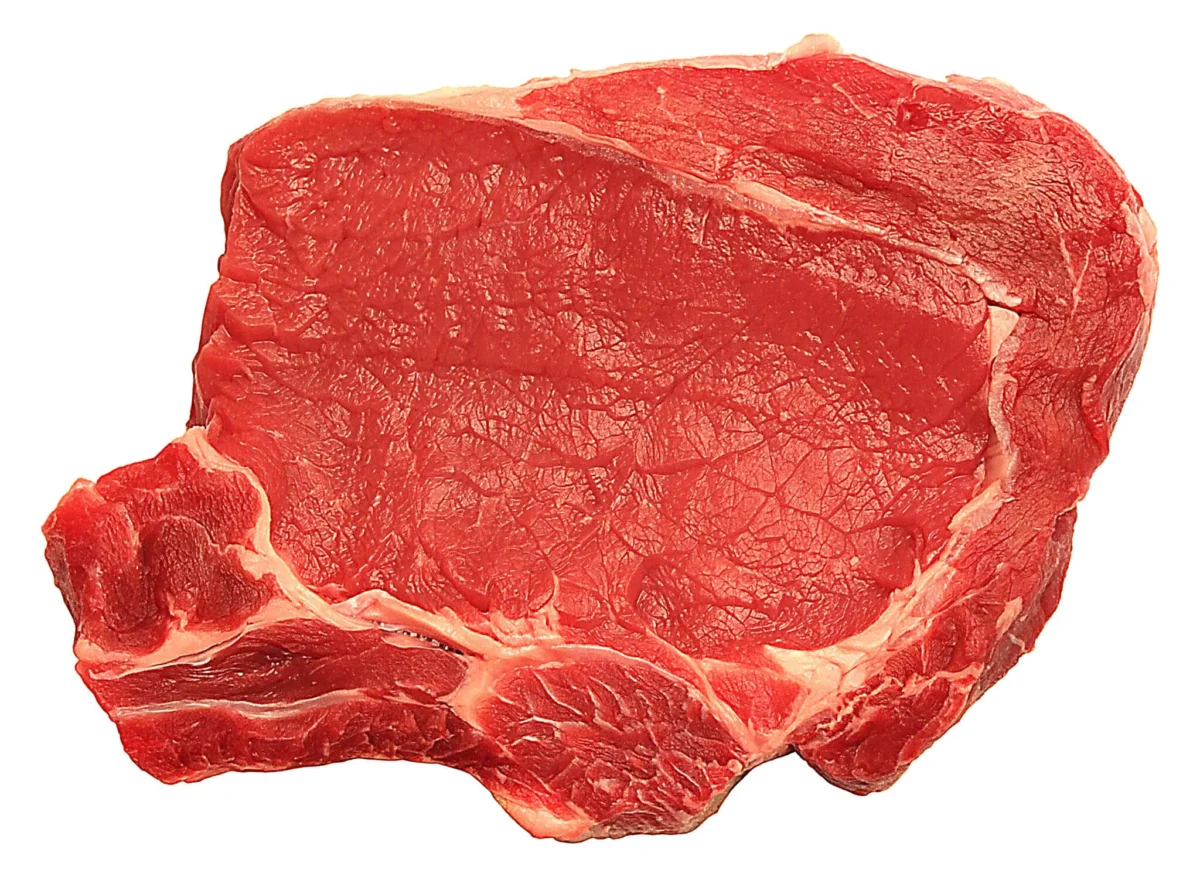
Furthermore, the ingestion of hormones through animal products remains a concern. Conventional livestock farming often utilizes growth hormones to increase yield. For a woman with an already disordered endocrine system, the addition of exogenous hormones through meat consumption can be counterproductive. Experts increasingly suggest that if meat is included in a PCOS-friendly diet, it should ideally be organic and pasture-fed to avoid synthetic hormones and antibiotic residues.
The Impact of Weight Management on Reproductive Restoration
Weight loss is often cited as the most challenging yet effective intervention for PCOS management. The relationship between adipose tissue and hormones is cyclical; excess weight increases insulin resistance, which promotes fat storage, particularly in the abdominal region. However, clinical data offers a beacon of hope: losing as little as 5% to 10% of total body weight has been shown to restore regular ovulation in a significant percentage of women with PCOS.
This modest weight loss helps to lower circulating insulin levels and reduce the production of androgens. It also increases the levels of Sex Hormone-Binding Globulin (SHBG), a protein that binds to excess testosterone in the blood, rendering it inactive. For many patients, achieving this weight loss requires a specialized "PCOS Diet" that accounts for the metabolic "resistance" common to the condition, rather than traditional calorie-counting methods that may not address insulin sensitivity.
Targeted Supplementation for Fertility Enhancement
Given the nutrient deficiencies often associated with PCOS and the side effects of certain medications, supplementation plays a vital role in a comprehensive fertility plan.
Chromium and Insulin Sensitivity
Chromium is a trace mineral essential for the metabolism of glucose. It works by enhancing the action of insulin, thereby helping to lower blood sugar levels and, by extension, testosterone. For women with PCOS, chromium supplementation can be a natural way to improve insulin sensitivity. However, medical professionals caution that chromium should not be taken in conjunction with insulin-sensitizing drugs like Metformin without strict supervision, as the combination could lead to hypoglycemia (dangerously low blood sugar).
Vitamin D and Calcium
A staggering percentage of women with PCOS—estimated between 67% and 85%—are deficient in Vitamin D. This deficiency is linked to insulin resistance and poor follicle maturation. Recent studies have demonstrated that supplementing with Vitamin D and Calcium can help regulate the menstrual cycle and increase the number of mature follicles, directly improving the chances of successful conception. Vitamin D also plays a role in mood regulation, which is vital for patients navigating the stress of infertility.
The B-Vitamin Complex and Folate
Vitamin B6 is instrumental in balancing progesterone levels and regulating blood sugar. A deficiency can lead to a shortened luteal phase (the period between ovulation and the start of a period), which prevents a fertilized egg from successfully implanting in the uterus. Perhaps most importantly, Vitamin B9 (folic acid) is a non-negotiable supplement for anyone attempting to conceive. It is critical for the development of the fetal neural tube and has been proven to prevent major birth defects such as spina bifida.
Omega-3 Fatty Acids
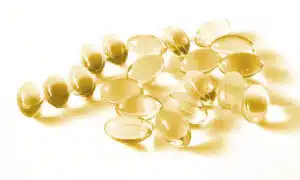
Essential fatty acids, particularly Omega-3s found in fish oil, are powerful anti-inflammatory agents. In the context of PCOS, Omega-3s have been shown to lower testosterone levels and improve the lipid profile of patients. By reducing systemic inflammation, these fats support overall hormonal health and improve the quality of the uterine environment.
Medical Guidelines and Professional Perspectives
Leading health organizations, including the American College of Obstetricians and Gynecologists (ACOG) and the Endocrine Society, emphasize that lifestyle modification should be the primary therapy for PCOS. While pharmacological interventions like Clomiphene citrate or Letrozole are frequently used to induce ovulation, their efficacy is significantly enhanced when the patient’s underlying metabolic health is optimized through diet.
Physicians stress that every PCOS case is unique. "There is no one-size-fits-all approach to PCOS," states one clinical summary. "A patient’s specific phenotype—whether they are lean PCOS or have classical insulin-resistant PCOS—will dictate the nuances of their dietary and supplemental needs." This underscores the necessity of consulting with reproductive endocrinologists and specialized nutritionists before embarking on a new regimen.

Broader Implications and Long-term Health
The management of PCOS and fertility is not merely about achieving a successful pregnancy; it is about long-term metabolic health. Women with PCOS are at a higher risk for developing Type 2 diabetes, cardiovascular disease, and endometrial cancer later in life. The dietary habits established during the journey to conception serve as a foundation for preventing these chronic conditions.
Furthermore, the "miracle" of conception for a PCOS patient often comes after months or years of disciplined lifestyle changes. The success stories within the PCOS community highlight a shift in the medical paradigm—from viewing the condition as an insurmountable barrier to seeing it as a manageable metabolic state. By addressing insulin levels, reducing androgen production, and correcting nutrient deficiencies, women with PCOS are increasingly finding that they can take control of their reproductive destinies.
As research continues to evolve, the focus remains on empowering patients with the data and tools they need to optimize their health. For the thousands of women currently navigating the complexities of PCOS and pregnancy, the message from the medical and advocacy communities is clear: through informed dietary choices and targeted care, the path to motherhood is more accessible than ever before.
