
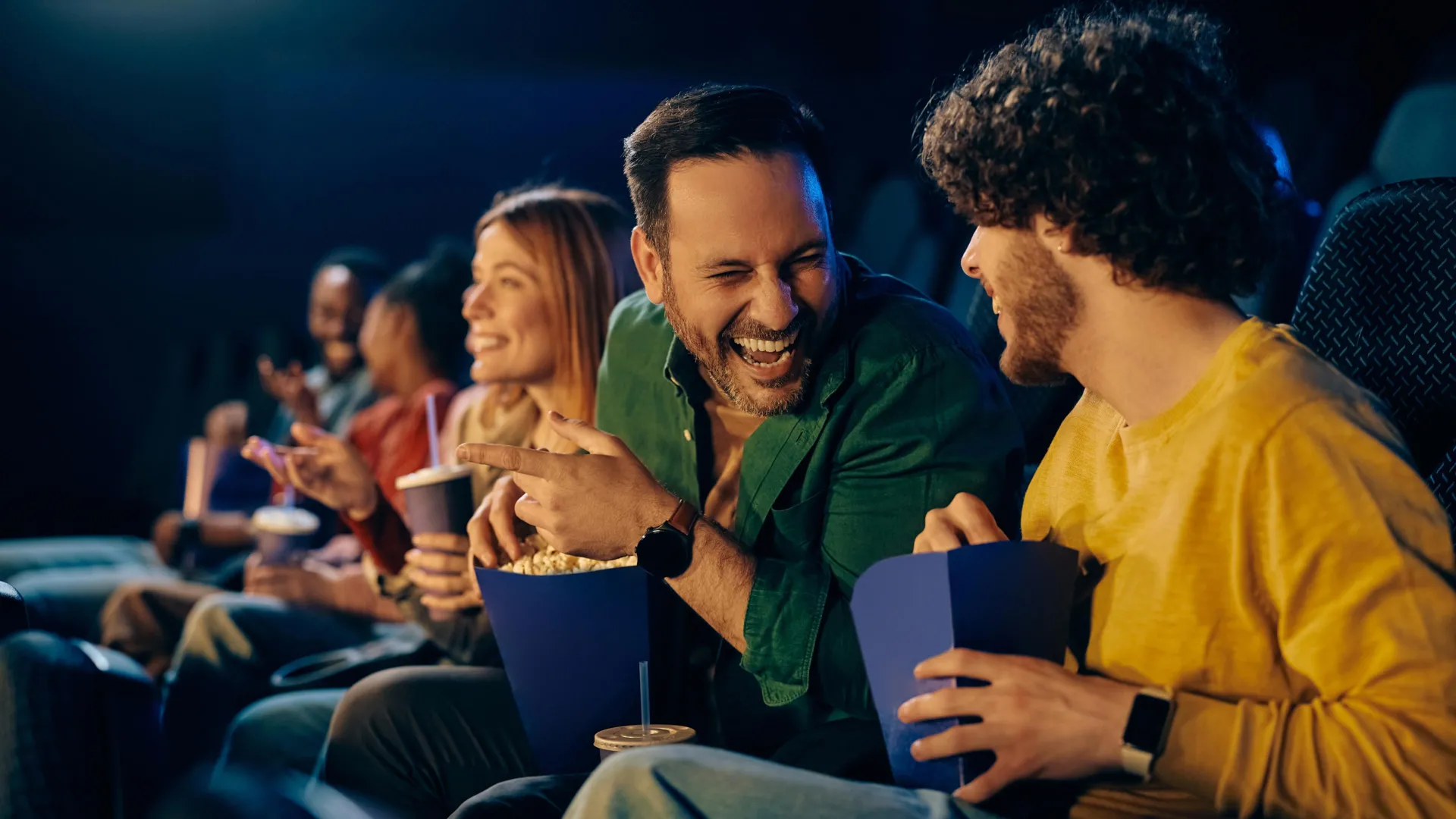
People who regularly immerse themselves in the enriching experiences of museums, theaters, concerts, and movie theaters may be unknowingly engaging in a powerful form of anti-aging. A groundbreaking new study suggests that participation in these cultural activities is significantly associated with a younger physiological age, indicating that the body may function more efficiently and robustly, akin to that of a younger individual. This research adds a compelling layer to the growing body of evidence supporting the notion that staying socially and culturally engaged is not merely a pleasant pastime but a crucial component of healthy aging.
Unveiling the Biological Benefits of Cultural Immersion
The findings, meticulously published in the prestigious Journal of Epidemiology and Community Health, delve into the intricate relationship between cultural participation and the biological processes of aging. While chronological age is an immutable marker of time passed, physiological age offers a more dynamic and nuanced perspective on an individual’s health and functional capacity. It reflects the actual condition of the body’s systems – how well organs are functioning, how resilient cells are, and the efficiency of metabolic processes. This biological age can, and often does, diverge from the number of years a person has lived.
Previous scientific inquiries have consistently highlighted the positive correlation between engaging in cultural activities and enhanced well-being among older adults. These studies have pointed towards improved mental health, reduced risk of depression, and a greater sense of life satisfaction. However, the specific connection between these activities and the very rate at which the body ages physiologically has remained a less explored, albeit highly significant, area of research.
Researchers at the esteemed Institute of Science Tokyo in Japan have now stepped forward to address this gap, undertaking what they describe as the first longitudinal study specifically designed to examine this relationship. Crucially, their methodology accounts for unmeasured factors that tend to remain consistent over time, offering a more robust and reliable assessment of the true impact of cultural engagement. This meticulous approach aims to isolate the effects of cultural activities from other stable, yet potentially confounding, lifestyle or genetic predispositions.
The Scientific Framework: Measuring Biological Aging
To quantify the impact of cultural engagement on physiological aging, the research team meticulously analyzed data drawn from a substantial cohort of 1,899 adults. These individuals were participants in the English Longitudinal Study of Ageing (ELSA), a comprehensive, ongoing population-based study that provides a nationally representative snapshot of adults aged 50 and over residing in England. The ELSA study, initiated in 2002, has been instrumental in tracking the health and well-being of an aging population, collecting data through regular survey waves.
The data utilized in this specific analysis spanned at least two survey periods, conducted between 2004/2005, 2006/2007, and 2008/2009. This longitudinal design is critical, allowing researchers to observe changes in physiological markers over time and correlate them with participants’ reported cultural habits.
The core of the study involved a sophisticated assessment of physiological age. Professional nurses conducted detailed measurements of ten key indicators of physical health. These indicators were carefully selected to represent a broad spectrum of bodily functions and health status, including:
- Pulse Pressure: The difference between systolic and diastolic blood pressure, reflecting arterial stiffness.
- Diastolic Blood Pressure: The lower number in a blood pressure reading, indicating the pressure in the arteries when the heart rests between beats.
- Forced Expiratory Volume (FEV1): A measure of lung function, specifically the amount of air a person can forcefully exhale in one second.
- Hemoglobin Concentration: The amount of hemoglobin in the blood, essential for oxygen transport.
- Fibrinogen: A protein involved in blood clotting, elevated levels of which can indicate inflammation and cardiovascular risk.
- Glycated Hemoglobin (HbA1c): Reflects average blood sugar levels over the preceding two to three months, a key indicator for diabetes risk.
- Low-Density Lipoprotein (LDL) Cholesterol: Often referred to as "bad" cholesterol, high levels are associated with increased risk of heart disease.
- Body Mass Index (BMI): A measure of body fat based on height and weight, used to categorize weight status.
- Grip Strength: An indicator of muscle mass and overall physical strength.
- Walking Speed: A simple yet effective measure of mobility, balance, and overall physical function.
These ten objective measurements were then mathematically combined into a single, comprehensive physiological age score. This score provided a standardized metric to represent the overall biological functioning of each participant’s body.
In parallel, participants were asked to report the frequency of their engagement in three specific cultural activities: attending the cinema, visiting museums or art galleries, and going to the theater, concerts, or the opera. Each activity was assigned a score ranging from 0 (indicating they never participated) to 5 (meaning they engaged in the activity twice a month or more). By summing these scores across the three categories, researchers generated a total "cultural engagement score," with a possible range from 0 to 15. This provided a quantifiable measure of each individual’s level of cultural participation.
The Findings: A Significant Age Discrepancy
The results of the analysis were striking and provided robust support for the hypothesis. Individuals who reported higher levels of cultural engagement – defined in the study as participating in cultural activities at least every few months – exhibited a significantly younger physiological age. On average, these highly engaged individuals had a physiological age of 66.9 years. In stark contrast, those with lower levels of cultural participation, meaning they engaged less frequently or not at all, had an average physiological age of 69.9 years. This represents a tangible difference of approximately three years in biological aging.
Furthermore, the study observed that participants with higher cultural engagement were also more likely to share certain demographic and socioeconomic characteristics. These included a higher likelihood of being female, possessing a higher socioeconomic status, being employed, and already reporting better overall health at the outset of the study. These factors, while noted, were carefully considered in the subsequent statistical analyses.
Crucially, after meticulously adjusting for a range of potentially confounding variables – including household income, employment status, and the presence of pre-existing chronic health conditions – the researchers identified a statistically significant association. Their analysis revealed that for every one-point increase in an individual’s cultural engagement score, there was a corresponding reduction of approximately 0.085 years, or about 31 days, in their physiological age. This suggests a dose-response relationship: the more culturally active one is, the more pronounced the effect on slowing biological aging.
Understanding the Mechanisms: Why Culture Matters for the Body
The researchers have proposed several plausible explanations for this observed association between cultural engagement and a younger physiological age. One primary mechanism suggested is the role of cultural activities in strengthening social connections. Visiting museums, attending concerts, or going to the theater often involves social interaction, whether with friends, family, or fellow attendees. Robust social networks are well-established contributors to better health outcomes and longevity, potentially by reducing stress, providing emotional support, and fostering a sense of belonging.
Moreover, engaging in cultural pursuits can act as a catalyst for healthier lifestyle habits. For instance, planning a trip to a museum or a concert might encourage individuals to maintain a more active lifestyle to prepare for the outing. Cultural experiences can also stimulate cognitive functions, keeping the mind sharp and engaged, which is often intertwined with overall physical health. Better mental health, fostered by the enjoyment and stimulation derived from arts and culture, can also play a significant role in mitigating the physiological toll of stress and promoting a more resilient bodily system. All these factors – enhanced social ties, cognitive stimulation, and improved mental well-being – are independently linked to slower physiological aging.
However, the authors are careful to acknowledge the observational nature of their research. This means that while a strong association has been identified, it is not possible to definitively conclude that cultural activities directly cause a slowing of aging. The possibility of reverse causation, where healthier individuals are inherently more inclined and able to participate in cultural events, cannot be entirely ruled out. For example, someone in excellent physical health might find it easier to travel to a concert venue or spend extended periods in a museum.
Despite this caveat, the researchers strongly advocate for the potential of cultural engagement as a modifiable behavior with significant public health implications. They boldly suggest that "the impact can be comparable to frequent physical activity," a widely recognized cornerstone of healthy aging. This comparison underscores the potential magnitude of the benefits derived from cultural participation.
Looking ahead, the researchers emphasize that making cultural events more accessible could unlock these benefits for a broader segment of the population. This includes addressing geographical barriers, ensuring cultural venues are within reach for diverse communities, and tackling financial constraints through affordable ticketing options and subsidies. Such initiatives could transform cultural engagement from a privilege into a widely accessible health promotion strategy.
While this study provides compelling evidence, further research is deemed necessary to ascertain whether actively encouraging greater cultural engagement leads to sustained improvements in health and a demonstrably healthier aging trajectory over the long term. Future longitudinal studies with even longer follow-up periods and potentially interventional designs could provide definitive answers regarding the causal pathways and the long-term efficacy of cultural participation as a strategy for enhancing healthspan. The findings, however, offer a promising new perspective, suggesting that the pursuit of art, music, and performance might be as vital for our bodies as it is for our souls.
