

Managing polycystic ovary syndrome (PCOS) often presents significant metabolic challenges, chief among them being refractory weight gain. Affecting an estimated 6 to 12 percent of reproductive-aged women globally, PCOS is a complex endocrine and metabolic disorder characterized by hyperandrogenism, chronic low-grade inflammation, and ovulatory dysfunction. For millions of diagnosed individuals, standard weight-loss interventions—such as caloric restriction and increased physical activity—frequently yield suboptimal results due to underlying physiological barriers. To address these systemic hurdles, clinical endocrinologists and researchers increasingly evaluate targeted nutritional supplementation. By addressing the root mechanisms of metabolic dysfunction, certain evidence-based compounds have demonstrated efficacy in supporting weight management and metabolic health in patients with PCOS.
Understanding the Metabolic Mechanics of PCOS-Related Weight Gain
The pathophysiology of weight retention in PCOS is multifaceted, driven primarily by insulin resistance, chronic systemic inflammation, and dysregulated sex hormone metabolism. Approximately 50 to 70 percent of women with PCOS exhibit insulin resistance, a condition wherein peripheral tissues fail to respond adequately to circulating insulin. In response, the pancreas secretes higher volumes of insulin to maintain normoglycemia. Chronically elevated insulin levels, or hyperinsulinemia, directly stimulate the ovarian theca cells to overproduce androgens such as testosterone.
This biochemical cascade creates a self-perpetuating cycle: excess androgens promote visceral adiposity—particularly stubborn abdominal weight gain—while the resulting adipose tissue exacerbates systemic inflammation and insulin resistance. Furthermore, hormonal imbalances disrupt appetite-regulating peptides, leading to heightened cravings and metabolic downregulation. Standard dietary protocols alone often fail to correct these deeply entrenched endocrine pathways, prompting clinicians to incorporate targeted supplementation into comprehensive medical nutrition therapy.
Inositol: Restoring Insulin Signaling and Hormonal Equilibrium

Among the most extensively studied nutritional interventions for PCOS is inositol, a carbocyclic sugar often referred to as Vitamin B8. Inositol exists in various stereoisomers, with myo-inositol (MI) and D-chiro-inositol (DCI) being the most biologically active in human metabolism. These compounds act as second messengers for insulin signaling, facilitating glucose uptake and utilization within peripheral tissues.
Clinical trials indicate that supplementation with inositol addresses the core defect of insulin resistance in PCOS patients. By enhancing receptor sensitivity, inositol reduces the systemic demand for excess insulin production. Consequently, circulating insulin levels decline, which downregulates ovarian androgen synthesis. Research published in peer-reviewed endocrinology journals demonstrates that myo-inositol supplementation—frequently administered in a physiological ratio of 40:1 with D-chiro-inositol—significantly improves metabolic profiles, restores ovulatory function, and facilitates reductions in body mass index (BMI). Side effects are generally mild, occasionally presenting as transient gastrointestinal discomfort or headaches during the initial phase of supplementation.
N-Acetylcysteine (NAC): Combating Oxidative Stress and Insulin Resistance

N-acetylcysteine (NAC), an acetylated precursor to the amino acid L-cysteine, functions as a potent antioxidant and a rate-limiting substrate for the synthesis of glutathione, the body’s master endogenous antioxidant. Beyond its traditional applications in hepatology and respiratory medicine, NAC has emerged as a valuable adjunctive therapy in reproductive endocrinology.
In the context of PCOS, NAC targets both oxidative stress and insulin resistance. Clinical evaluations suggest that NAC administration improves peripheral insulin sensitivity, subsequently lowering circulating insulin and free androgen levels. Furthermore, research indicates that NAC upregulates adiponectin, an adipose-derived hormone that regulates glucose levels, dampens systemic inflammation, and promotes lipid oxidation. Clinical trials assessing NAC dosages ranging from 600 mg to 1,200 mg daily have observed improvements in menstrual regularity, enhanced ovulation rates, and measurable reductions in waist circumference among participating cohorts. While generally well-tolerated, potential adverse effects include mild gastrointestinal distress and, rarely, bronchospasm in individuals with pre-existing respiratory conditions.
Omega-3 Fatty Acids: Modulating Inflammation and Lipid Profiles
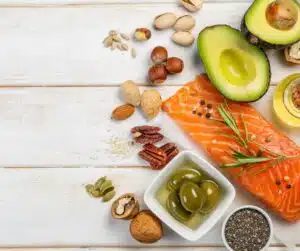
Essential polyunsaturated fatty acids, particularly omega-3s found in marine sources like cold-water fish and algae oil, play an indispensable role in mitigating the chronic inflammatory state associated with PCOS. Epidemiological and clinical data consistently reveal that women with PCOS frequently present with suboptimal omega-3 index levels, correlating with worsened lipid profiles and heightened cardiovascular risk markers.
Omega-3 supplementation—specifically eicosapentaenoic acid (EPA) and docosahexaenoic acid (DHA)—exerts anti-inflammatory effects by inhibiting the arachidonic acid pathway and downregulating pro-inflammatory cytokines such as tumor necrosis factor-alpha (TNF-alpha) and interleukin-6 (IL-6). In randomized controlled trials involving overweight women with PCOS, eight-week supplementation regimens demonstrated statistically significant improvements in fasting blood glucose, reductions in total testosterone, and favorable shifts in body composition, including decreased BMI and waist-to-hip ratios. Additionally, omega-3 fatty acids assist in modulating appetite-regulating hormones, supporting adherence to hypocaloric nutritional protocols.
Berberine: A Botanical Agent for Metabolic Regulation
Berberine, an isoquinoline alkaloid extracted from various plants of the Berberis genus, has garnered substantial attention in metabolic research for its pharmacologic profile, which parallels certain conventional insulin-sensitizing medications. Berberine operates primarily by activating adenosine monophosphate-activated protein kinase (AMPK), a master regulator of cellular energy homeostasis.
Through AMPK activation, berberine enhances insulin sensitivity, promotes glucose uptake in skeletal muscle, and reduces hepatic glucose production. For individuals with PCOS, these mechanisms translate to improved glycemic control, diminished carbohydrate cravings, and mitigated hyperandrogenism. Furthermore, clinical investigations highlight berberine’s capacity to modulate the gut microbiome, fostering a diverse and healthy microbial ecosystem that correlates with improved metabolic outcomes and weight loss efficacy. Gastrointestinal side effects, such as mild cramping or diarrhea, are occasionally reported but can typically be mitigated by titrating the dosage upward slowly under clinical supervision.
Vitamin D: Addressing Endocrine Deficiencies and Metabolic Efficiency
Vitamin D functions more as a secosteroid hormone than a traditional vitamin, influencing hundreds of downstream genetic pathways, including those governing insulin secretion, inflammatory responses, and adipogenesis. Epidemiological data indicate a high prevalence of vitamin D deficiency among women diagnosed with PCOS, independent of geographical location or seasonal sun exposure.
Low serum levels of 25-hydroxyvitamin D are strongly associated with exacerbated insulin resistance, increased adiposity, and more severe clinical manifestations of hyperandrogenism. Clinical supplementation aimed at restoring optimal vitamin D status has been shown to improve insulin sensitivity indices, reduce systemic inflammatory markers, and enhance the efficacy of weight loss interventions. Furthermore, adequate vitamin D repletion supports optimal serotonin synthesis, potentially mitigating the mood disturbances and depressive symptoms frequently comorbid with PCOS. Clinical guidelines emphasize the necessity of baseline serum testing prior to initiating high-dose supplementation to prevent potential toxicity.
Clinical Implications and Comprehensive Management Strategies
While targeted supplementation offers a scientifically validated adjunct for addressing the metabolic complexities of PCOS and facilitating weight loss, medical professionals emphasize that supplements cannot supersede foundational lifestyle modifications. Sustainable weight management in PCOS requires a comprehensive, multidisciplinary approach that integrates individualized medical nutrition therapy, structured physical activity regimens specifically tailored to manage cortisol and insulin levels, and evidence-based stress mitigation strategies.
Healthcare providers underscore the imperative that patients diagnosed with PCOS consult with qualified endocrinologists, gynecologists, or registered dietitians before initiating any new supplement regimen. Potential contraindications, interactions with prescription pharmaceutical therapies, and individual biochemical variations necessitate personalized clinical oversight to ensure both patient safety and therapeutic efficacy. As ongoing research continues to elucidate the intricate biochemical pathways linking endocrine disorders to metabolic regulation, the strategic integration of evidence-based supplementation remains a cornerstone of modern PCOS care.
