
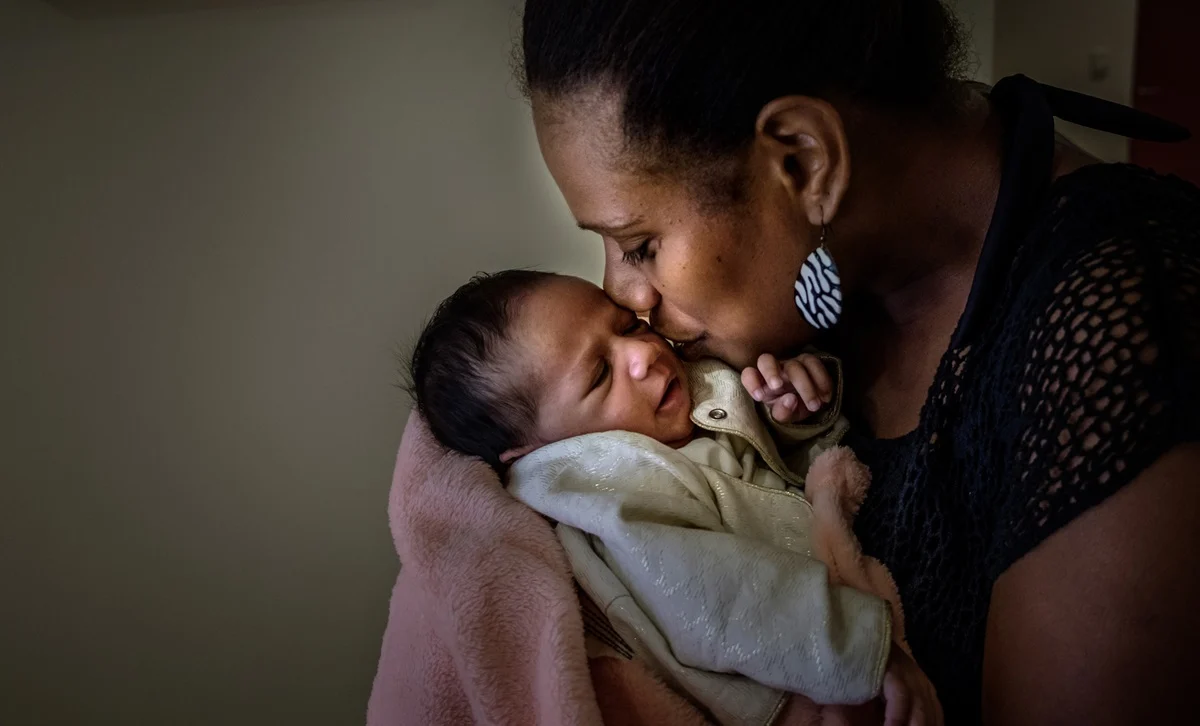
On the occasion of the World Health Day 2025, dedicated to the theme of Healthier beginnings, hopeful futures, over 100 global offices of the World Health Organization (WHO) have organized wide-ranging public advocacy actions in collaboration with Member States, communities, health workers, partner and donor agencies, and civil society organizations. This synchronized international effort serves as both a celebration of the WHO’s 77th anniversary and a dire warning regarding the fragility of recent progress in maternal and neonatal survival. As funding streams for public health face unprecedented scrutiny and contraction, the global health community is pivoting to address what UN agencies describe as a critical "backsliding" of essential services.
The State of Maternal and Newborn Health: A Crisis of Funding
The core of the World Health Day 2025 campaign is the urgent need to protect life-saving services that are currently under siege due to fiscal volatility. Recent data released by UN agencies indicates that the global trajectory toward meeting Sustainable Development Goal (SDG) 3.1—which seeks to reduce the global maternal mortality ratio to less than 70 per 100,000 live births by 2030—is currently faltering.
Funding challenges are not merely administrative hurdles; they represent a tangible threat to the front lines of obstetric care. In many low- and middle-income countries, the reduction in international aid and the redirection of national budgets toward debt servicing have led to severe shortages of essential medicines, skilled birth attendants, and emergency obstetric care facilities. The WHO’s advocacy push this year is designed to re-center these services as the bedrock of healthy families and resilient communities.
Chronology of the 2025 Mobilization
The mobilization began in the early hours of April 7, 2025, across diverse time zones. In Chile, for example, PAHO/WHO Country Representative Giovanni Escalante Guzmán participated in a high-level policy dialogue with Mapuche leader Juana Cheuquepan. This discussion, focused on the integration of traditional knowledge and modern clinical practices, highlighted the importance of culturally sensitive care in improving maternal health outcomes.
The events held globally follow a specific sequence of advocacy:
- Early April 2025: Launch of the "Healthier beginnings, hopeful futures" campaign, characterized by regional town halls, media briefings, and policy roundtables.
- April 7, 2025 (World Health Day): Simultaneous public advocacy events across 100+ WHO offices, ranging from immunization drives to the inauguration of new maternal health infrastructure.
- Post-April 2025: Commencement of a year-long monitoring and lobbying phase, aimed at holding governments accountable to the pledges made during the campaign.
Global Regional Perspectives
While the mission is global, the implementation varies by regional necessity, reflecting the unique health burdens faced by different populations.
The African Region
In sub-Saharan Africa, where maternal mortality rates remain the highest globally, WHO regional offices have focused on the "last mile" of care. Efforts are being directed toward rural health outposts where maternal mortality is often highest due to transport barriers and lack of emergency surgical capacity. Advocacy here is focused on the training and deployment of community midwives, who serve as the primary point of contact for prenatal and postnatal care.
The Americas and the Pan American Health Organization (PAHO)
In the Americas, the focus has shifted toward addressing health inequities exacerbated by economic instability. As evidenced by the dialogue in Chile, the regional approach emphasizes the intersectionality of indigenous health rights and universal health coverage. PAHO is lobbying for the integration of maternal health into national social protection schemes to ensure that financial hardship does not dictate birth outcomes.
Eastern Mediterranean, Europe, and Asia-Pacific
In the Eastern Mediterranean, advocacy efforts have been largely shaped by the challenges of providing maternal care in conflict-affected zones. European offices have prioritized the standardization of perinatal care quality, while South-East Asia and Western Pacific offices are concentrating on the digitalization of health records to better track maternal health trends and identify gaps in service delivery in real-time.
Supporting Data and Evidence of Stagnation
The urgency of this year’s campaign is underpinned by sobering statistics. According to the latest estimates from the WHO, UNICEF, and the World Bank, a woman dies every two minutes due to complications in pregnancy or childbirth. While global maternal mortality declined significantly between 2000 and 2015, the rate of improvement has plateaued—and in some regions, it has reversed—since 2016.
Key indicators of concern include:
- Antenatal Care Coverage: While global coverage for at least one antenatal visit is relatively high, the percentage of women receiving the recommended eight or more visits remains significantly lower, impacting early detection of high-risk pregnancies.
- Skilled Birth Attendance: In the world’s least developed countries, less than 60% of births are attended by skilled health personnel, a statistic that has seen little improvement in the last three years.
- Neonatal Mortality: Deaths within the first 28 days of life account for nearly half of all under-five deaths. The primary drivers—preterm birth, intrapartum-related complications, and neonatal infections—are all highly preventable with adequate, timely medical intervention.
Official Responses and Strategic Imperatives
The WHO leadership has been categorical in its messaging. During the commemorative events for the organization’s 77th anniversary, the Director-General emphasized that "the measure of a health system is found in its ability to support the most vulnerable during their most critical transitions."
Civil society organizations have echoed this sentiment, arguing that the "funding gap" is a misnomer; rather, it is a "priority gap." NGOs have called upon donor nations to fulfill their Official Development Assistance (ODA) commitments, arguing that the cost of inaction far exceeds the investment required to scale up maternal health services. Economists have long noted that maternal and newborn health is a high-return investment, yielding significant gains in long-term human capital and economic productivity for nations.
Broader Impact and Long-term Implications
The implications of failing to address the current crisis are profound. If the current trend of stagnation continues, millions of preventable deaths will occur by 2030. Furthermore, the health of the mother is intrinsically linked to the health of the infant and the broader family unit. Maternal death often leads to the disintegration of families, poverty cycles, and increased orphanhood, creating a ripple effect that hampers social development for generations.
The 2025 campaign is, therefore, not merely a call to action for a single day, but a strategic effort to reset the global health agenda. By linking maternal health to the concept of "hopeful futures," the WHO is attempting to elevate the issue from a technical health challenge to a fundamental human rights imperative.
Conclusion: A Pivot Point for Public Health
As the dust settles on the events of April 7, the focus for the WHO and its partners will shift to the long-term implementation of the commitments made during the campaign. The year-long focus on maternal and newborn health provides a roadmap for policy reform, urging governments to prioritize obstetric care in their national budgets, strengthen the health workforce, and ensure the resilience of supply chains for life-saving commodities.
The mobilization of 2025 represents a critical juncture. It is an acknowledgment that the progress achieved in the early 21st century is not guaranteed and that the current economic climate requires a more robust, vocal, and unified approach to health advocacy. Whether this global push succeeds in reversing the trends of maternal and newborn mortality will depend on the sustained political will of Member States and the continued engagement of the global health community in the months and years ahead. The future of maternal and newborn health rests on the ability of international institutions to translate this advocacy into tangible, sustainable change on the ground, ensuring that every birth is a safe and supported event regardless of geography or economic status.
