
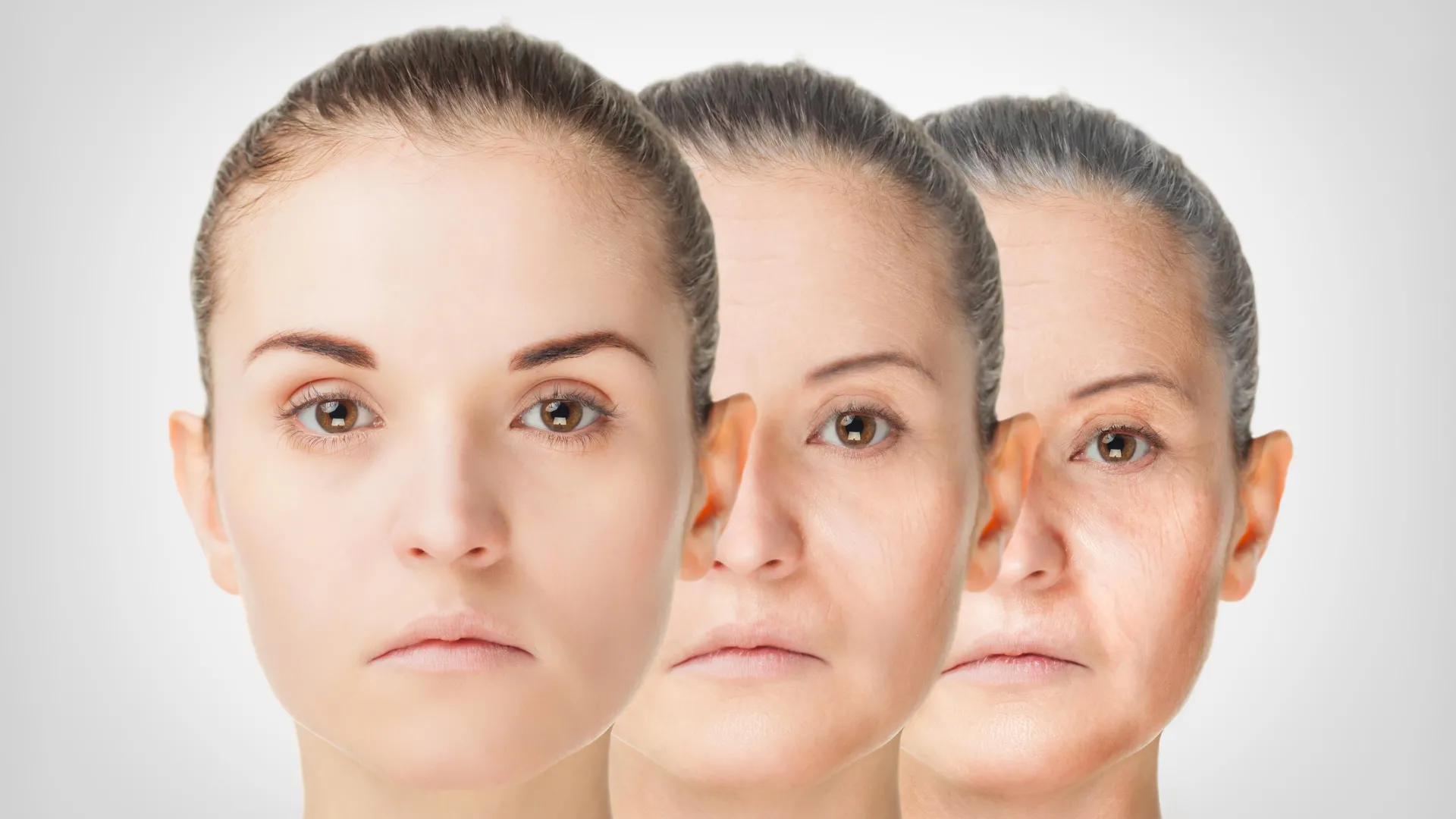
For generations, the scientific community has conceptualized biological aging as a decentralized, systemic process—a slow, inevitable accumulation of cellular wear and tear across disparate organs, tissues, and metabolic pathways. From skin elasticity degradation to osteoporotic bone mineral density loss and cognitive decline, senescence has long been treated as an intractable multi-organ failure. However, a growing body of neurobiological research is upending this paradigm. Scientists are increasingly looking inward, specifically toward the deep recesses of the brain, to investigate whether the master command centers of the central nervous system actively drive the physical manifestations of aging throughout the entire body.
At the epicenter of this paradigm shift is a small, almond-sized region located at the base of the brain: the hypothalamus. Responsible for orchestrating homeostatic regulation, the hypothalamus acts as the ultimate biological conductor, overseeing vital physiological parameters including core body temperature, systemic inflammation, metabolic rate, endocrine signaling, circadian rhythms, and sleep architecture. Because these automated systems exert profound downstream control over peripheral organs, any functional degradation within the hypothalamus can trigger a cascading deterioration throughout the organism. Recent investigations have demonstrated that this vulnerable neural region does not merely passively succumb to old age; rather, it may actively orchestrate it.
The Menin Discovery: Tracing the Root of Hypothalamic Senescence
The foundational breakthrough in this field emerged from a landmark study published in March 2023 in the journal PLOS Biology. Led by principal investigator Dr. Lige Leng of Xiamen University in China, a multidisciplinary team of neuroscientists and molecular biologists set out to investigate a previously unmapped nexus intersecting neuroinflammation, metabolic dysfunction, and centralized aging. Their research zeroed in on Menin, a multifunctional intracellular protein historically recognized for its tumor-suppressive properties in endocrine tissues.
Dr. Leng’s team discovered that under normal physiological conditions, Menin acts as a critical molecular brake within the hypothalamus, actively suppressing chronic, low-grade neuroinflammation—a pathological hallmark of aging characterized by the persistent activation of glial cells and the sustained release of pro-inflammatory cytokines. Furthermore, Menin regulates the transcription of a diverse array of genes governing cellular metabolism and synaptic integrity.
However, as organisms age, this protective mechanism begins to fail. Through rigorous histological and biochemical analyses, the researchers observed that Menin expression undergoes a marked, progressive decline specifically within hypothalamic neurons of aging mice. Notably, this reduction was absent in supporting glial populations such as astrocytes and microglia, pointing to a neuron-specific vulnerability.
To determine whether this depletion was merely a passive biomarker of aging or an active causal driver, the research team engineered conditional knockout mice in which Menin expression could be experimentally silenced. The phenotypic consequences were striking. Animals subjected to targeted Menin reduction exhibited accelerated systemic aging traits: they developed severe hypothalamic inflammation, displayed significantly thinned dermal layers, suffered measurable losses in bone mineral density, and experienced steep declines in motor balance and cognitive performance. Most notably, their overall lifespans were demonstrably shortened compared to wild-type controls.
Reversing the Clock: Thirty Days of Targeted Gene Restoration
Having established that the loss of Menin is sufficient to accelerate senescence, the Xiamen University team pivoted to a more ambitious investigative question: Could the restoration of this depleted protein actively reverse established age-related pathologies?
To test this hypothesis, the researchers employed an adeno-associated virus (AAV) vector—a standard molecular biology technique for targeted gene delivery—to artificially upregulate Menin production specifically within the ventromedial hypothalamus (VMH) of chronologically aged, 20-month-old mice. The ventromedial hypothalamus is a critical subregion known for its foundational role in coordinating metabolic homeostasis, energy expenditure, and autonomic nervous system regulation.
The physiological response to this localized gene therapy was remarkably rapid and comprehensive. Just 30 days post-intervention, the aged cohort demonstrated quantifiable anatomical and functional rejuvenation. Dermatological analysis revealed a thickening of the skin matrix, while micro-computed tomography scans confirmed significant restoration of trabecular bone mass. Furthermore, behavioral and cognitive assays—including maze navigation, novel object recognition, and rotarod tests—revealed profound enhancements in learning, spatial memory, and motor coordination. Accompanying these physical improvements were systemic metabolic corrections, marked reductions in neuroinflammatory markers, and, in parallel survival analyses, a statistically significant extension of lifespan compared to untreated control cohorts.
The Serine Connection: Unraveling the Metabolic Circuitry
Seeking to illuminate the precise downstream biochemical pathways through which Menin exerts its protective effects, Dr. Leng and his colleagues conducted comprehensive metabolomic profiling of the hypothalamus. Their investigations revealed a direct correlation: as Menin levels plummeted in aging brains, local concentrations of D-serine—a specialized, naturally occurring amino acid functioning as a critical endogenous neuromodulator—dropped precipitously.
Biochemically, D-serine is a stereoisomer of L-serine, an amino acid widely found in protein-rich dietary sources such as soybeans, eggs, fish, and nuts. However, D-serine plays a distinctly specialized role within the central nervous system. It acts as an obligatory co-agonist at N-methyl-D-aspartate (NMDA) receptors, specialized ionotropic receptors embedded in the membranes of postsynaptic neurons. Proper activation of NMDA receptors is an absolute physiological prerequisite for synaptic plasticity, long-term potentiation (LTP), neurocellular communication, and the encoding of episodic and spatial memories.
The research team discovered that Menin directly regulates the expression of phosphoglycerate dehydrogenase (PHGDH), the rate-limiting enzyme governing the cellular biosynthesis of serine. When Menin levels decline with age, the efficiency of this enzymatic pathway drops, creating a localized serine deficiency within the hippocampus and surrounding structures.
To test whether compensating for this metabolic bottleneck could independently rescue cognitive deficits, the researchers administered D-serine supplementation directly via the drinking water of aged mice for a duration of three weeks. The behavioral outcomes mirrored the cognitive gains observed during direct Menin gene therapy: treated mice exhibited marked enhancements in learning and memory retention assays.
However, a critical physiological dissociation emerged during this phase of the study. While direct genetic restoration of Menin rescued both systemic physical markers (bone density, skin thickness) and cognitive functions, D-serine supplementation selectively improved cognitive performance without altering bone mass or dermal thickness. This crucial pharmacological distinction established that Menin orchestrates aging through a multifaceted network of divergent biological pathways, with D-serine signaling accounting specifically for the preservation of neurological and cognitive integrity.
Chronology of Expanding Research: Validating the Brain-Aging Axis
The 2023 findings published in PLOS Biology catalyzed a broader, highly active wave of neurogerontological investigations across international laboratories, steadily reinforcing the hypothesis that the central nervous system acts as a master regulator of biological aging.
- March 2023: Lige Leng and colleagues publish their foundational findings regarding Menin depletion, VMH dysfunction, and D-serine deficits in PLOS Biology.
- Early 2024: A distinct research team at the Washington University School of Medicine publishes a study in Cell Metabolism identifying an entirely separate population of hypothalamic neurons that directly regulate peripheral adipose tissue. By stimulating this neural circuit, the researchers enhanced physical activity, optimized metabolic health, and extended murine lifespan.
- Mid-2024: Investigations published in the Journal of Physiology and Biochemistry provide further mechanistic validation regarding Menin’s neuroprotective profile, demonstrating that upregulating the protein shields cultured hippocampal neurons against inflammation-induced apoptosis triggered by the stress hormone corticosterone.
- January 2025: A massive single-cell transcriptomic atlas of approximately 1.2 million mouse brain cells is published in Nature. The analysis reveals that cellular populations most susceptible to chronological aging are heavily concentrated around the third ventricle within the hypothalamus, characterized by the downregulation of housekeeping neuronal genes and the pathological upregulation of immune-inflammatory cascades.
- Early 2026: Two high-profile studies further cement the brain’s role in longevity. Research published in Cell demonstrates that reinforcing daily circadian oscillations within specific hypothalamic nuclei improves systemic aging biomarkers and reduces epigenetic biological age scores. Concurrently, a Cell Metabolism study identifies Mimecan, a circulating protein facilitating biochemical cross-talk between skeletal muscle, brown adipose tissue, and the hypothalamus, showing that replenishing Mimecan extends lifespan in aged subjects.
Translational Challenges and the Human Context
As preclinical evidence mounts, the prospect of translating these murine discoveries into viable therapeutic interventions for human aging—particularly concerning cognitive preservation—has generated intense scientific and commercial interest. Yet, leading neuroscientists urge caution, emphasizing that the translational pathway from rodent models to human clinical applications is fraught with pharmacological and biochemical complexities.
The therapeutic utility of D-serine supplementation in humans remains a subject of ongoing debate. Clinical investigation into amino acid interventions has yielded mixed results. For instance, a small, randomized controlled trial involving 50 healthy older adults published in 2016 demonstrated modest improvements in spatial learning following D-serine administration, but failed to detect broad-spectrum enhancements across alternative cognitive domains or mood assessments.
Furthermore, the timing and pathological context of D-serine modulation appear to be critical determinants of efficacy. A compelling April 2025 study published in Cellular and Molecular Life Sciences examined D-serine dynamics in murine models engineered to express pathological features of Alzheimer’s disease. In stark contrast to normal chronological aging—where declining D-serine correlates with cognitive impairment—this pathological study revealed that early disease stages are accompanied by aberrant spikes in D-serine signaling that disrupt orderly synaptic transmission. Pharmacologically inhibiting the enzyme responsible for D-serine synthesis actually prevented subsequent cognitive declines in those transgenic disease models.
These divergent outcomes highlight a fundamental neurobiological nuance: D-serine homeostasis operates within a narrow physiological window. Both chronic deficiency (associated with normal hypothalamic aging) and pathological excess (associated with specific neurodegenerative disease cascades) can disrupt synaptic equilibrium. Additionally, long-term safety profiles regarding high-dose D-serine supplementation remain inadequately evaluated in humans, with preliminary toxicological observations noting potential renal stress in high-dose animal trials. Consequently, clinical pharmacologists categorize D-serine currently as an experimental research tool rather than an over-the-counter anti-aging prophylactic.
Broader Implications and Future Horizons
The discovery of the Menin-serine axis and its profound downstream influence on systemic aging represents a fundamental conceptual evolution within biogerontology. For decades, aging research was heavily compartmentalized, focusing primarily on peripheral mechanisms such as cellular senescence, telomere attrition, mitochondrial dysfunction, and stem cell exhaustion.
By demonstrating that localized molecular interventions deep within the hypothalamus can restore systemic bone mineralization, dermal integrity, metabolic balance, and cognitive agility, modern neuroscience has repositioned the central nervous system as a primary coordinator of the biological aging clock.
"We speculate that the decline of Menin expression in the hypothalamus with age may be one of the driving factors of aging, and Menin may be the key protein connecting the genetic, inflammatory, and metabolic factors of aging," Dr. Leng stated in an overview of the findings. "Ventromedial hypothalamus Menin signaling diminished in aged mice, which contributes to systemic aging phenotypes and cognitive deficits. The effects of Menin on aging are mediated by neuroinflammatory changes and metabolic pathway signaling, accompanied by serine deficiency in VMH, while restoration of Menin in VMH reversed aging-related phenotypes."
While significant hurdles remain—including mapping whether human hypothalamic aging mirrors murine models, developing safe and precise gene-delivery vectors capable of crossing the blood-brain barrier selectively, and resolving the complex pharmacokinetics of amino acid modulators—the path forward is clear. The traditional view of biological aging as an unalterable, uniform trajectory of decline is steadily giving way to an era where the intricate biochemical switches of the human brain may eventually be modulated to preserve health span and extend human vitality.
