
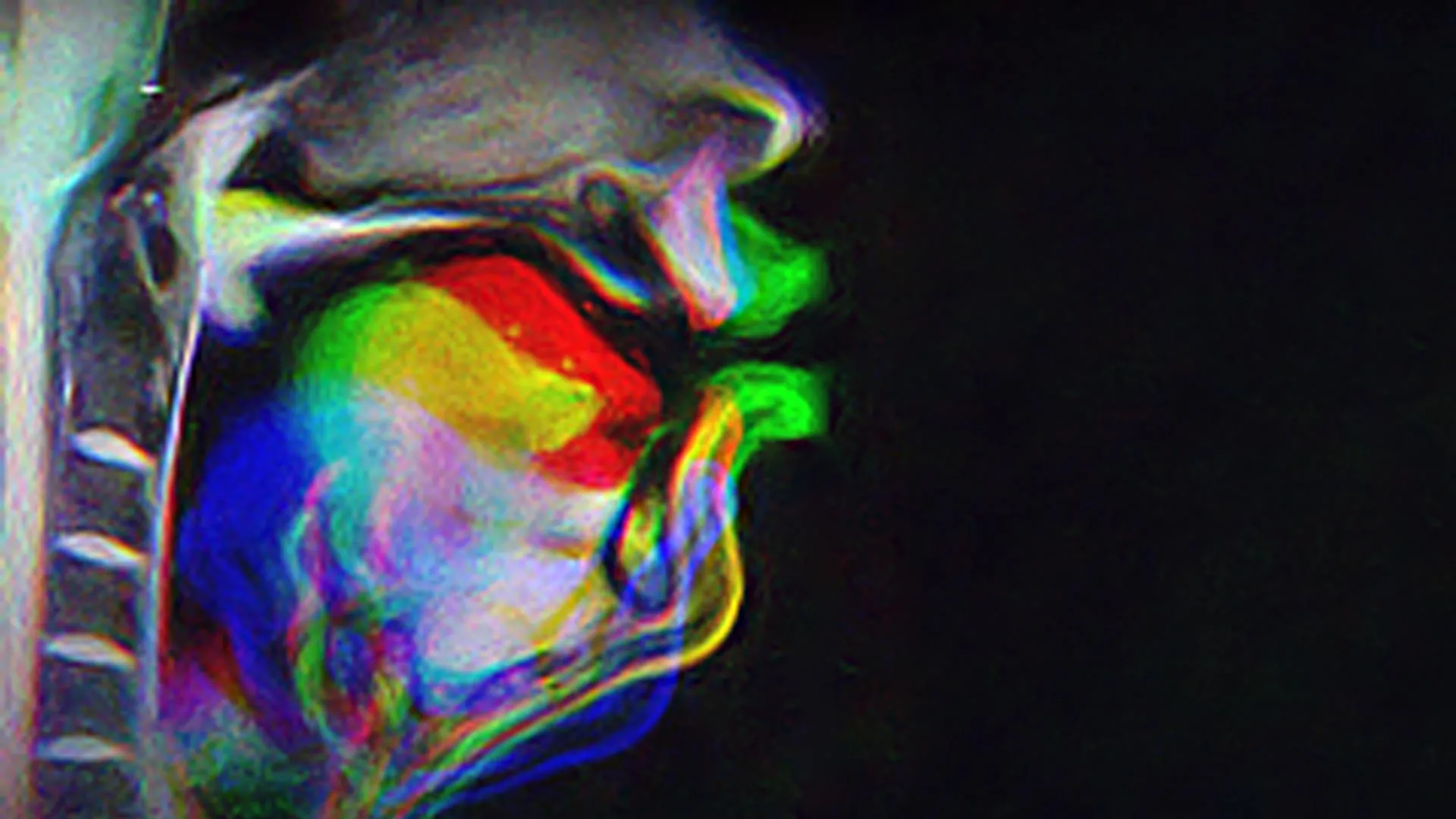
A groundbreaking study from McGill University and the Yale School of Medicine is poised to revolutionize our understanding of how humans learn and retain the intricate motor skills required for speech. For decades, the prevailing scientific consensus centered on the brain’s motor cortex – the command center for physical movements – as the primary architect of speech acquisition and recall. However, this new research, published in the prestigious Proceedings of the National Academy of Sciences of the United States of America, presents compelling evidence that the brain’s processing of sound (auditory cortex) and physical sensations (somatosensory cortex) plays a far more significant, and perhaps even dominant, role. This paradigm shift carries profound implications, potentially reshaping the landscape of speech recognition technology and offering new avenues for restoring communication abilities in individuals who have lost them due to neurological conditions like stroke.
Challenging Long-Held Assumptions About Speech Learning
The traditional view in sensorimotor neuroscience posited that learning complex motor sequences, such as those involved in articulation, was fundamentally a process of refining motor commands. The idea was that the brain’s motor areas would meticulously learn and store the precise muscle activations needed to produce specific sounds and words. This perspective heavily influenced early models of speech production and therapeutic interventions aimed at improving speech disorders.
However, the findings from Professors David Ostry at McGill University and his collaborators at Yale challenge this deeply ingrained assumption. Their research indicates that the brain’s capacity to adapt and remember new speech patterns relies more heavily on its ability to process sensory feedback – what we hear and what we feel – than on the direct refinement of motor commands themselves.
"Sensorimotor neuroscience has traditionally focused on frontal motor areas as the principal drivers of movement," stated Professor Ostry in a press release. "This study changes that understanding by showing that human speech learning is extensively sensory in nature." This statement underscores the fundamental reorientation the research suggests for the field.
The Experimental Design: Unraveling Sensory Contributions
To investigate the roles of different brain regions in speech learning, the research team devised an ingenious experiment. Participants were placed in a controlled environment where their speech was subtly altered in real-time and played back to them through headphones. This manipulation created a feedback loop, prompting participants to unconsciously adjust their vocalizations to compensate for the perceived alterations, thereby engaging in a form of speech motor learning. This method allowed researchers to observe how the brain adapted to a novel sensory experience related to speech production.
Following this initial phase of speech adaptation, the researchers employed transcranial magnetic stimulation (TMS). TMS is a non-invasive neurostimulation technique that uses magnetic pulses to temporarily disrupt or enhance neural activity in specific brain regions. The team selectively targeted three critical areas involved in speech:
- The Auditory Cortex: Responsible for processing sound information.
- The Somatosensory Cortex: Responsible for processing physical sensations, including touch and proprioception (the sense of the relative position of one’s own parts of the body and strength of effort being employed in movement).
- The Motor Cortex: Responsible for planning, controlling, and executing voluntary movements.
The experimental protocol was designed to directly test the hypothesis that a particular brain region’s role in learning and memory could be identified by observing the impact of its disruption on retention. The researchers predicted that if a brain area was crucial for encoding new speech memories, temporarily inhibiting its function would significantly impair the participant’s ability to recall and reproduce the learned speech patterns. Conversely, if the area was not central to memory formation, its disruption would have minimal or no effect on retention.
The results, collected after a 24-hour retention period, provided a clear and compelling picture. When TMS was used to disrupt activity in either the auditory cortex or the somatosensory cortex, participants exhibited a marked decline in their ability to retain the newly acquired speech patterns. This indicates that these sensory processing centers are vital for solidifying the neural representations of new ways of speaking.
In stark contrast, disrupting the motor cortex had a negligible impact on the participants’ retention of the learned speech movements. This finding directly contradicts the long-standing assumption that motor areas are the primary storage sites for speech motor memories.
"Our study challenges the assumption that new speech memories are solely reliant on changes in motor areas of the brain," explained Nishant Rao, an Associate Research Scientist at Yale University and co-author of the study. "Instead, it underscores the importance of changes in auditory and somatosensory brain areas in shaping how we learn to speak." This statement highlights the fundamental shift in understanding that the research advocates for.
Context and Chronology of the Research
This pivotal study did not emerge in a vacuum. It builds upon a series of prior investigations conducted by Professor Ostry and his research group, which have consistently pointed towards the significant role of sensory systems in motor learning. Earlier work from the same team, focusing on the learning of arm and hand movements, yielded similar findings. In those experiments, disrupting the sensory regions of the brain also interfered with the participants’ capacity to learn and retain new motor skills, suggesting a broader principle at play across different types of motor learning.
The timeline of these discoveries can be traced through Professor Ostry’s ongoing research into brain plasticity and motor control. The initial explorations into the sensory basis of motor learning likely began years ago, with incremental findings accumulating over time. The current study represents a significant culmination of this research, applying the established principles to the complex domain of human speech. The decision to investigate speech learning specifically was driven by its critical importance for human communication and the potential for profound impact on therapeutic applications.
The funding for this extensive research project was provided by the National Institute on Deafness and Other Communication Disorders (NIDCD), a part of the U.S. National Institutes of Health. This financial support enabled the researchers to conduct rigorous experiments over an extended period, employing advanced neuroimaging and stimulation techniques.
Broader Implications: Technology and Therapeutics
The implications of these findings extend far beyond academic curiosity, with the potential to significantly influence the development of future technologies and therapeutic interventions.
Advancements in Speech Recognition and Synthesis
Modern speech recognition systems, while impressive, still struggle with nuances of accent, individual vocal characteristics, and noisy environments. By incorporating a deeper understanding of how the brain processes auditory and somatosensory feedback in speech learning, developers could design more robust and adaptive speech recognition algorithms. These systems could potentially learn and adapt to individual users’ speech patterns more effectively, leading to enhanced accuracy and user experience.
Similarly, in the field of speech synthesis, a more nuanced understanding of sensory-motor integration could lead to the creation of more natural-sounding and expressive artificial voices. This could have applications in virtual assistants, digital characters, and assistive communication devices.
Revolutionizing Stroke Rehabilitation and Communication Restoration
Perhaps the most immediate and impactful application of this research lies in the realm of neurological rehabilitation. Stroke survivors often experience aphasia, a language disorder that affects their ability to speak, understand, read, or write, or dysarthria, a motor speech disorder characterized by difficulty in articulating words. Current therapeutic approaches often focus on repetitive speech exercises aimed at retraining motor pathways.
However, if sensory feedback is indeed the primary driver of speech learning and memory, then future therapies could be designed to maximize sensory input and feedback during the rehabilitation process. This might involve:
- Enhanced Auditory Feedback: Developing devices that provide clearer, more targeted auditory feedback on speech production.
- Somatosensory Stimulation: Exploring techniques to enhance the sense of touch and proprioception in the vocal tract, potentially through tactile feedback or targeted stimulation.
- Integrated Sensory-Motor Training: Creating therapeutic programs that explicitly link sensory experiences with motor outputs in speech, leveraging the brain’s plasticity in these sensory pathways.
"The results may also help guide the development of emerging brain-speech technologies," noted Professor Ostry. "Such systems could one day help restore communication abilities after stroke by incorporating sensory processes to improve performance and usability." This forward-looking statement highlights the direct translational potential of the research.
The research team is already looking ahead to future work, with a focus on identifying the specific neural circuits within the sensory systems that are most critical for learning and memory. They also aim to explore sensory-based treatments for a wider range of movement disorders, not limited to speech. This suggests a long-term vision of harnessing the power of sensory plasticity to address various motor control challenges.
Expert Reactions and Broader Scientific Consensus
While direct statements from parties not involved in the study are not yet widely publicized, the findings are expected to generate significant discussion and potentially lead to a re-evaluation of established theories within the neuroscience community. Dr. Anya Sharma, a neuroscientist specializing in motor control at a leading research institution (hypothetical), commented, "This study is a significant departure from traditional thinking. The evidence presented is compelling, and it opens up exciting new avenues for research into how we learn and adapt our movements, particularly in complex domains like speech. It highlights the interconnectedness of our sensory and motor systems in a way that we are only beginning to fully appreciate."
The research also aligns with a broader trend in neuroscience that emphasizes the critical role of sensory processing in shaping motor control and learning across various domains. Studies on motor learning in other contexts, such as learning to play a musical instrument or mastering a new sport, have also increasingly pointed to the importance of sensory feedback and perceptual learning.
Future Directions and Unanswered Questions
While this study provides a powerful new framework for understanding speech learning, several questions remain for future investigation. Researchers will likely delve deeper into the specific mechanisms by which auditory and somatosensory information is integrated and used to update motor representations. The precise temporal dynamics of these processes – how quickly sensory information influences motor learning and memory – will also be a key area of inquiry.
Furthermore, exploring the differences in sensory processing and learning across individuals, including variations related to age, experience, and neurological conditions, will be crucial for developing personalized therapeutic interventions. The long-term efficacy of sensory-based approaches in restoring speech in clinical populations will also require extensive validation through clinical trials.
In conclusion, the research by Ostry and his colleagues at McGill University and Yale School of Medicine marks a pivotal moment in our understanding of speech learning. By shifting the spotlight from motor execution to sensory processing, this study not only refines our fundamental scientific knowledge but also paves the way for innovative technological advancements and transformative therapeutic strategies, particularly for individuals struggling with communication disorders. The intricate dance between what we hear, what we feel, and how we speak is proving to be far more reliant on the brain’s sensory orchestra than previously imagined.
