

For many, acne is dismissed as a fleeting rite of passage during adolescence, but for a significant portion of the population, the condition evolves into a long-term, life-altering struggle that persists well into adulthood. A 40-year-old South Asian Canadian lawyer, who has requested anonymity to discuss the deeply personal nature of her experience, provides a stark look at the reality of living with severe, treatment-resistant acne scarring. Her narrative underscores a critical public health issue: the psychological, social, and economic burden of permanent facial disfigurement caused by chronic inflammatory skin conditions.
The Chronology of a Chronic Condition
The subject’s experience with acne began in her early twenties, a period often associated with academic pressure and the transition to professional life. While her initial symptoms were manageable, the condition underwent a dramatic and aggressive shift in her early thirties. Within a span of mere months, her skin—previously clear—was overtaken by cystic acne.
This rapid progression is not uncommon in dermatology, where hormonal fluctuations and environmental stressors can trigger "adult-onset" acne. However, for this individual, the physical manifestation was compounded by the physiological realities of her skin tone. As a woman of South Asian descent, she faced a heightened risk of post-inflammatory hyperpigmentation (PIH). PIH occurs when the skin produces excess melanin in response to inflammation, resulting in dark spots that can linger for months or even years after the active acne has subsided.

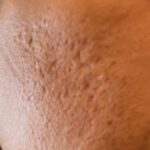
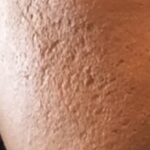
The transition from a manageable skin concern to a debilitating, visible condition created a traumatic pivot point in her life. The presence of large, painful cysts and the subsequent permanent scarring meant that the condition was no longer just a biological hurdle; it became a defining element of her daily existence, affecting her self-perception and her interaction with the public sphere.
The Psychological and Social Toll of Facial Scarring
The psychological impact of acne scarring is well-documented in medical literature, yet it is frequently minimized in clinical settings. Studies indicate that individuals with severe acne scars often report levels of depression, anxiety, and social avoidance comparable to those living with chronic medical conditions like epilepsy or diabetes.
For the lawyer interviewed, the impact is pervasive. She describes a daily routine dictated by the need to navigate lighting and cosmetic coverage, often choosing to avoid social settings entirely. The "weight" of these scars is not merely aesthetic; it is an internal struggle that clashes with societal pressures to maintain a youthful, flawless appearance.
This phenomenon is exacerbated by the prevalence of digital media. The rise of high-definition photography and social media filters has created an environment where skin texture is often erased, leaving those with actual scarring to feel further marginalized. The subject notes that her empathy now extends to those with more severe facial disfigurements, acknowledging that if she struggles with the social stigma of acne, the challenges faced by those with permanent, injury-related scarring must be exponentially more difficult.
The Intersection of Culture and Stigma
A significant dimension of this case is the intersection of skin health and cultural expectations. The subject identifies her South Asian background as a factor that intensified the isolation she felt. In many cultures, physical appearance is tied to societal standing, and skin conditions are sometimes met with unsolicited, insensitive, or "callous" commentary.
This cultural layer adds a burden of shame that clinical treatments cannot easily address. When a person is already dealing with the trauma of a physical change, the lack of support—or worse, the presence of public judgment—can lead to a cycle of withdrawal. The medical community has begun to recognize that "culturally sensitive" dermatology is essential, as the stigma attached to skin conditions varies significantly across different ethnic and social groups.
Dermatological Challenges for People of Color
The subject’s experience highlights a critical gap in dermatological care: the lack of accessible, effective treatment options for skin of color. Many traditional acne therapies, including certain lasers and chemical peels, carry a higher risk of adverse reactions, such as worsening hyperpigmentation or burning, when used on darker skin tones.
Clinical research into the treatment of acne in diverse populations is ongoing, but there remains a disparity in the availability of specialists who are highly trained in treating diverse skin types. For patients like the one profiled, the limited scope of "safe" treatments can lead to a sense of hopelessness, as the standard procedures recommended for lighter skin tones may not be viable options for their specific needs.
Supporting Data and Medical Context
Acne affects approximately 85% of people at some point in their lives, but severe, scarring acne is a distinct subset that requires aggressive, early intervention. According to the American Academy of Dermatology (AAD), early treatment is the most effective way to prevent permanent scarring. However, access to board-certified dermatologists remains an obstacle for many, and the financial cost of advanced scar revision therapies—such as subcision, microneedling, or fractional CO2 laser resurfacing—is often prohibitive, as these are frequently categorized as "cosmetic" rather than "medically necessary."
The financial implications of treating long-term acne and its sequelae are substantial. Patients often spend thousands of dollars out-of-pocket, navigating a labyrinth of over-the-counter products, prescription medications, and private clinical procedures, all while dealing with the emotional exhaustion that accompanies the condition.
Broader Implications for Public Health
The narrative provided by this lawyer serves as a case study for the broader need for a holistic approach to dermatology. Modern medicine is increasingly moving toward a model that views skin health as an integral component of mental health. The "skin-brain axis" is a recognized field of study, exploring how skin conditions influence the nervous system and psychological well-being.
As the medical community continues to evolve, there is a growing consensus that:

- Early Intervention is Paramount: Healthcare systems must prioritize the rapid referral of patients with cystic or inflammatory acne to specialists to prevent the onset of permanent scarring.
- Mental Health Integration: Dermatological treatment plans should ideally include access to counseling or support networks for patients experiencing significant psychological distress due to their condition.
- Diverse Clinical Training: Medical education must continue to prioritize training in the treatment of skin of color to ensure that patients do not face additional risks or barriers to care based on their ethnicity.
- Redefining Medical Necessity: There is an ongoing debate regarding whether treatment for severe acne scarring should be covered under public health plans, given the profound impact the condition has on an individual’s ability to function in their professional and social lives.
Moving Toward Acceptance and Resolution
The subject offers no simple platitudes regarding self-love, acknowledging that she is still "in the thick of it." This honesty is perhaps the most valuable contribution to the conversation. By rejecting the toxic positivity often directed at those with physical differences, she validates the experience of millions who feel that their internal struggle is not being heard.
Her advice to others is rooted in pragmatism: conduct thorough research and utilize the expanding array of resources available today. While she remains critical of the beauty standards that force individuals to feel "less than" because of their skin texture, she also suggests that the current era of accessible information provides more agency than in the past.
The experience of this Canadian lawyer highlights that acne is not merely a surface-level issue. It is a complex, multifaceted condition that touches upon mental health, systemic healthcare equity, and the sociology of beauty. As society continues to grapple with the pressures of perfection, the voices of those living with the realities of permanent skin change provide an essential reminder of the need for deeper compassion and more equitable medical solutions. Her journey, while deeply personal, reflects a systemic challenge that requires attention from the medical establishment, policymakers, and the public alike.
