
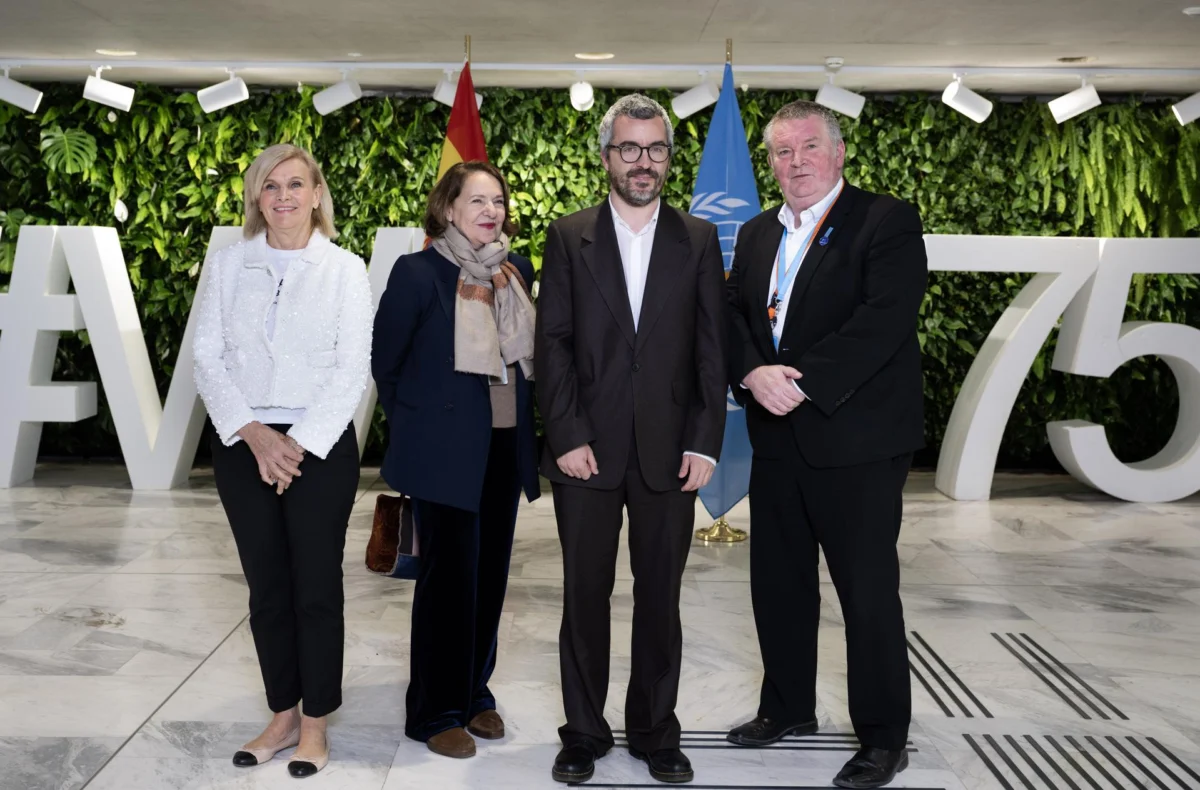
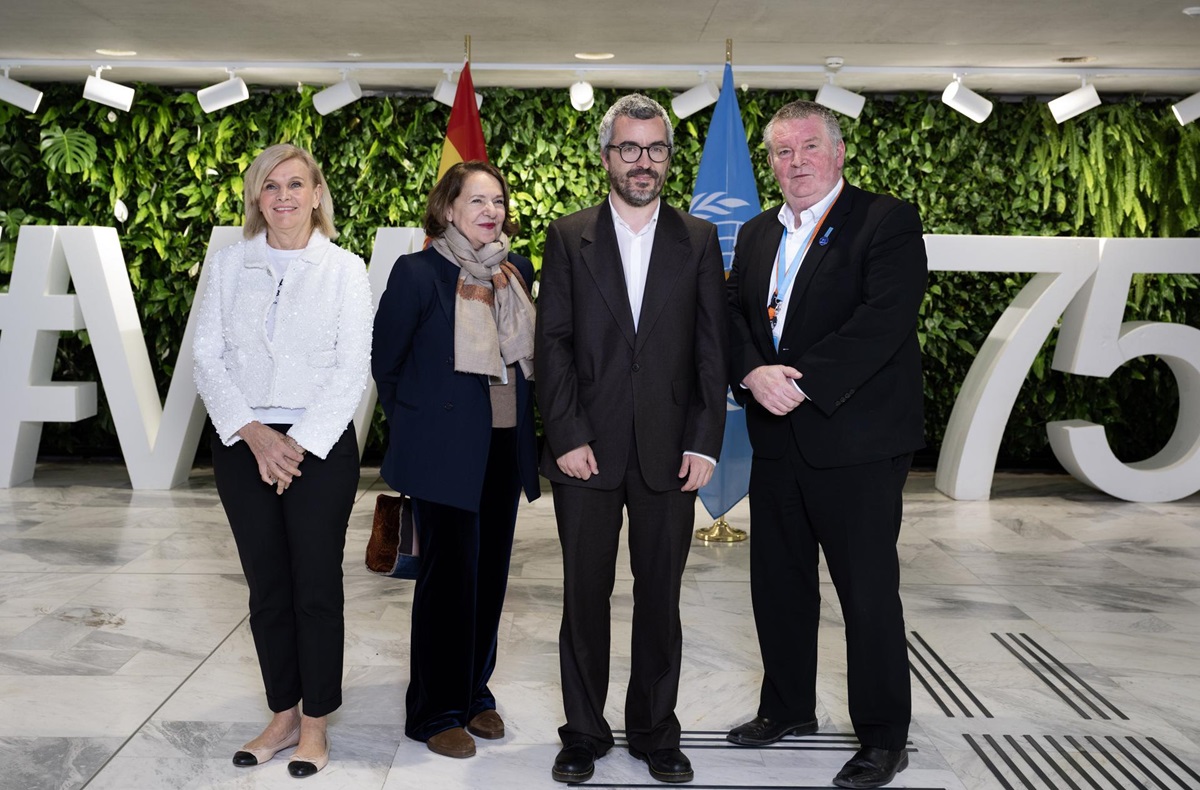
On April 23 and 24, 2024, the World Health Organization (WHO) hosted a high-level delegation from the Kingdom of Spain at its headquarters in Geneva, marking a significant milestone in the long-standing collaborative efforts between the two entities. Led by Mr. Javier Padilla Bernáldez, Spain’s Secretary of State for Health, the two-day summit served as a platform to align global health agendas, address emerging challenges in medical governance, and reinforce Spain’s role as a primary contributor to international health initiatives. The visit underscored a mutual commitment to addressing the multifaceted crises facing global health systems, ranging from the long-term impacts of the COVID-19 pandemic to the escalating threats posed by climate change and the resurgence of preventable infectious diseases.
Chronology of the Diplomatic Engagement
The engagement began on the morning of April 23, with a series of bilateral meetings between the Spanish delegation and senior WHO leadership. The delegation, which included key advisors such as Ms. Paola Cannata Molero, Director of the Cabinet of the Secretary of State for Health, and Mr. Jacobo Fernández Álvarez, Technical Secretary General, participated in intensive working sessions.
These discussions were designed to bridge the gap between Spain’s domestic health policy successes and the technical needs of the global health landscape. Throughout the two days, the delegation met with Dr. Ailan Li, Assistant Director General (ADG) for Universal Health Coverage, Dr. Catharina Boehme, ADG for External Relations and Governance, Dr. Yukiko Nakatani, ADG for Access to Medicines and Health Products, and Dr. Michael Ryan, Deputy Director-General and Executive Director for the WHO Health Emergencies Programme. The diplomatic presence of Spain’s Permanent Mission to the United Nations in Geneva—led by Ambassador H.E. Ms. A. Díaz-Rato Revuelta—facilitated the alignment of these technical discussions with broader geopolitical goals within the United Nations framework.
Strategic Priorities and Policy Focus
The discussions were structured around several core thematic pillars that reflect both Spain’s domestic priorities and the WHO’s current "Triple Billion" targets. Among the most prominent topics was the strengthening of universal health coverage (UHC) and the necessity of building resilient primary health care systems.
A significant portion of the dialogue was dedicated to organ and tissue transplantation. As a global leader in this field, Spain’s Ministry of Health has spent decades refining a sophisticated system that maximizes donor availability while maintaining stringent ethical oversight. During the meetings, Spanish representatives shared their expertise on how to scale these models internationally, with a focus on improving the safety, quality, and efficacy of transplant procedures in low- and middle-income countries. This knowledge transfer is viewed by the WHO as a critical component in building sustainable, self-sufficient health infrastructure globally.
Beyond transplantation, the talks delved into the social determinants of health. The delegation, including Mr. Héctor Tejero Franco—who serves as an advisor on health and climate change—placed particular emphasis on the intersection of environmental policy and public health. They examined the ongoing efforts to regulate tobacco and alcohol, improve nutrition standards, and ensure food safety, all of which are essential in reducing the burden of non-communicable diseases (NCDs) that currently account for nearly 74% of all deaths globally.
Supporting Data and the Impact of Spanish Contributions
Spain’s influence within the WHO is bolstered by consistent financial and technical support. In the previous biennium, Spain’s contributions were cited as instrumental in advancing several critical health agendas. Data suggests that Spain has been a stalwart supporter of the Global Polio Eradication Initiative, a program that has seen a 99.9% reduction in polio cases since its inception in 1988, though it remains a vital focus as the world nears total eradication.
Furthermore, Spain’s financial backing of the WHO Health Emergency Appeal has provided essential resources in volatile humanitarian zones. By funding the procurement of essential medicines and the deployment of emergency medical teams (EMTs), Spain has helped mitigate the impact of epidemics in regions with fragile healthcare infrastructure. According to WHO performance reports, Spain’s support in the last two years significantly bolstered data-driven innovation, allowing for more precise tracking of outbreaks and more effective allocation of health workers in underserved regions.
Analyzing the Global Health Landscape
The timing of this visit is critical. With the global health community still reeling from the structural weaknesses exposed by the COVID-19 pandemic, the discussions in Geneva focused heavily on "preparedness, readiness, and response." Dr. Michael Ryan and his team emphasized that the cycle of neglect and panic—a phenomenon where investment in health security wanes during stable periods only to spike during crises—must be broken.
The analysis presented during the summit suggests that sustainable financing, such as that provided by the Spanish government, is the only viable path to long-term stability. By integrating climate change mitigation into health programming, the WHO and its member states are acknowledging that the next major public health threat may well be driven by climate migration, heat stress, and the expansion of vector-borne diseases like malaria and dengue into previously unaffected regions.
Official Responses and Future Trajectories
While the summit was largely technical in nature, the atmosphere was marked by clear mutual appreciation. WHO management publicly acknowledged Spain not just as a donor, but as a strategic partner. "Spain’s partnership is vital to our mission," a spokesperson noted, highlighting that Spain’s expertise in organ transplantation provides a template for countries looking to develop their own complex medical systems.
For the Spanish government, the visit served to reinforce its commitment to the "Health for All" mantra. Mr. Padilla Bernáldez’s presence signaled a continuity in Spain’s foreign policy, which increasingly views global health security as synonymous with national security. The delegation left Geneva with a reinforced framework for collaboration that includes:
- Enhanced Capacity Building: Continued deployment of Spanish technical experts to assist WHO member states in health workforce training.
- Climate-Resilient Health Systems: A new focus on integrating environmental health metrics into primary care delivery.
- Governance Reform: Ongoing support for the WHO’s efforts to improve transparency and efficiency in its external relations and procurement processes.
Broader Implications for Global Health
The dialogue between Spain and the WHO serves as a microcosm for the necessary evolution of international health cooperation. The transition from purely reactive, crisis-based funding to proactive, system-strengthening investment is the primary goal of the current WHO leadership. Spain’s willingness to share its internal successes—particularly in organ donation and NCD prevention—provides a blueprint that can be adapted by other nations.
As the international community prepares for future negotiations on pandemic treaties and climate-health agreements, the alignment between Spain and the WHO suggests a unified front. The success of these initiatives will ultimately depend on whether such bilateral partnerships can be scaled and replicated across other member states. The visit concluded with a consensus that the current momentum must be maintained to address the structural inequalities that continue to prevent equitable access to health services across the globe.
In summary, the April 2024 visit was more than a routine diplomatic exchange; it was a strategic synchronization of health priorities. By grounding its global contributions in the same rigorous standards it applies to its own national health service, Spain remains a vital pillar of the WHO’s efforts to create a more resilient, equitable, and prepared world. As both parties look toward the next biennium, the focus remains clear: sustaining the progress made in disease eradication and universal access while aggressively adapting to the new realities of a warming and increasingly interconnected planet.
