
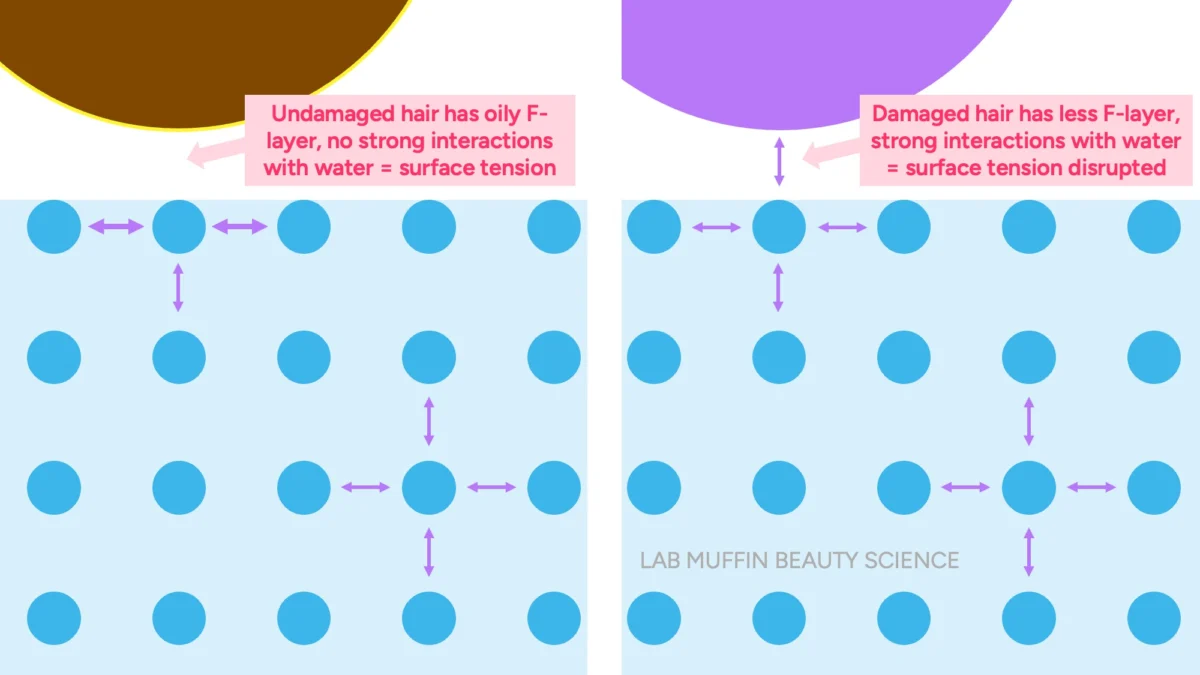
The global haircare industry has long relied on a foundational concept known as "hair porosity"—the measure of how well hair can absorb and retain moisture. For decades, beauty influencers, consumer blogs, and product manufacturers have instructed millions of consumers to diagnose their hair using simple home methods, most notably the "float test" and the "drop test." However, recent scientific analysis spearheaded by cosmetic chemist Michelle Wong of Lab Muffin Beauty Science reveals that these popular diagnostic tools are fundamentally flawed. Far from measuring internal structural porosity, these tests merely react to surface damage and basic principles of physical chemistry, specifically water surface tension.
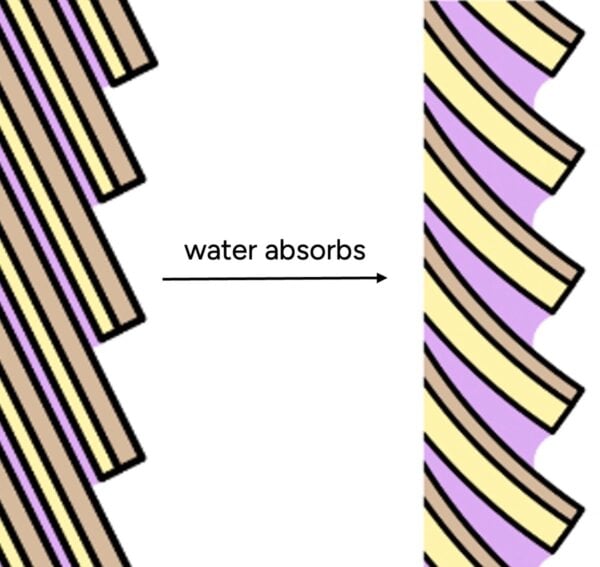
The pervasive belief that hair functions like a waterproof fabric or a sealed pipe sits at the center of these misconceptions. According to traditional advice, undamaged hair features a tightly sealed cuticle layer that repels water, whereas damaged hair develops gaps that allow moisture to flood inside uncontrollably. Conditioners are frequently marketed as temporary sealants designed to mimic this protective barrier. Yet, empirical data compiled in scientific literature paints a drastically different picture. Undamaged human hair is not waterproof; rather, it is naturally hygroscopic, capable of absorbing approximately 30 percent of its own dry weight in liquid water within a matter of minutes.
This rapid absorption occurs because the natural protective lipid layer of the hair—known as the F-layer—only coats the outer edges of the overlapping cuticle scales, leaving microscopic pathways exposed. Much like a pinecone reacting to atmospheric conditions, human hair continuously absorbs and releases moisture based on the relative humidity of its surrounding environment. Historical data from specialized hair science research demonstrates a direct correlation between ambient moisture and hair weight. At zero percent relative humidity, hair absorbs zero moisture; at 40 percent humidity, water absorption rises to 10.2 percent of the hair’s dry weight. This figure climbs steadily to 14.8 percent at 63 percent humidity, 22.6 percent at 86 percent humidity, and reaches an impressive 31.2 percent at 100 percent saturation.
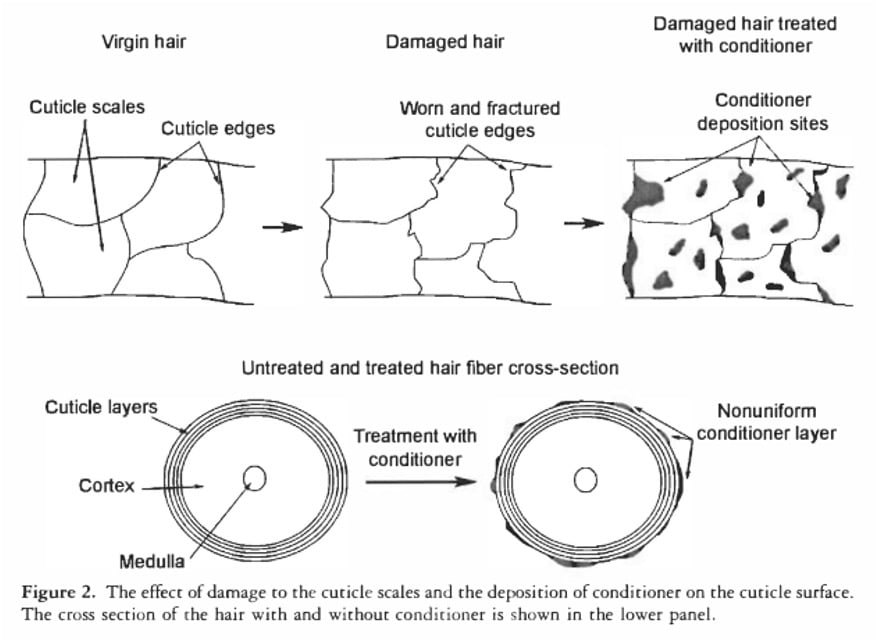
The timeline of these scientific revelations spans decades of dermatological and cosmetic research, though the mainstream consumer market has been slow to integrate these findings. Seminal works such as chemical physicist Clarence R. Robbins’ comprehensive text, Chemical and Physical Behavior of Human Hair, established the foundational parameters of hair fiber interaction as early as the late 20th century. Subsequent atomic force microscopy studies conducted by researchers such as C. La Torre and B. Bhushan in 2006 further elucidated how topical products, including silicones and conditioning agents, deposit onto the hair shaft. Their findings proved that conditioners do not form a seamless, waterproof membrane. Instead, they deposit in microscopic, isolated blobs that smooth the tactile feel of the hair fiber while remaining entirely porous to tiny individual water molecules.
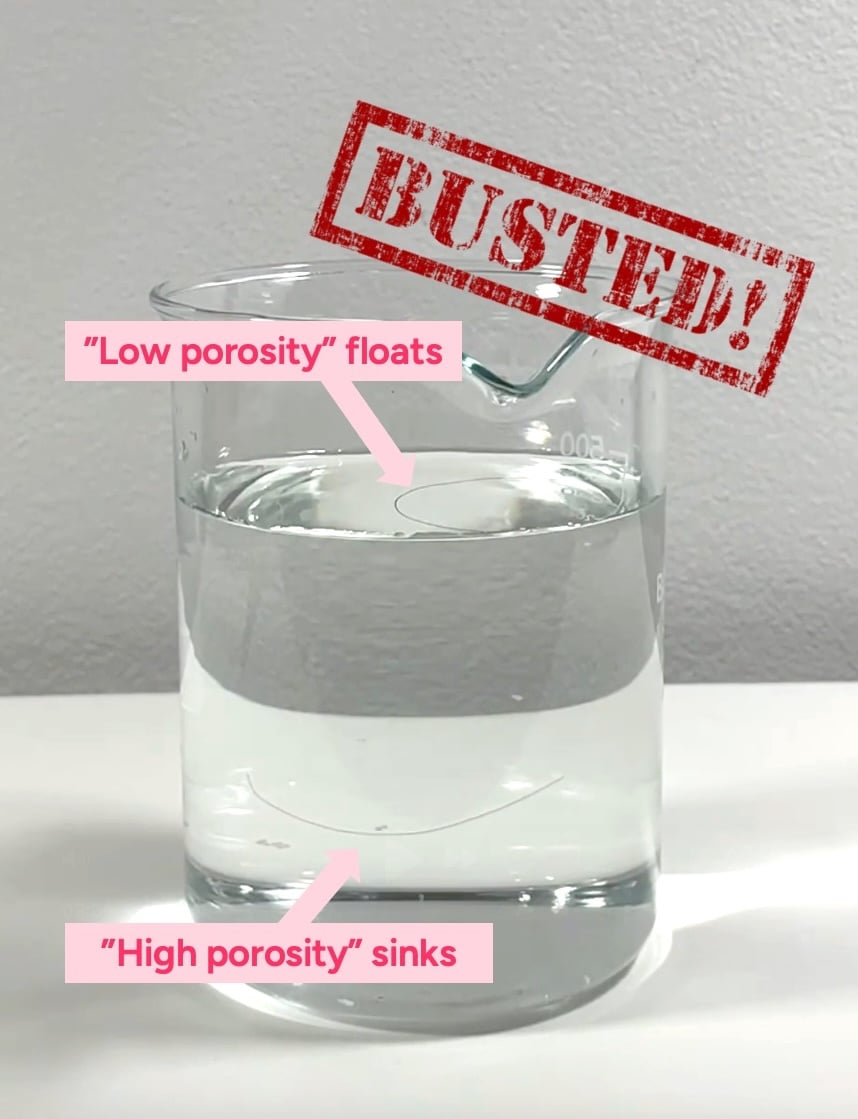
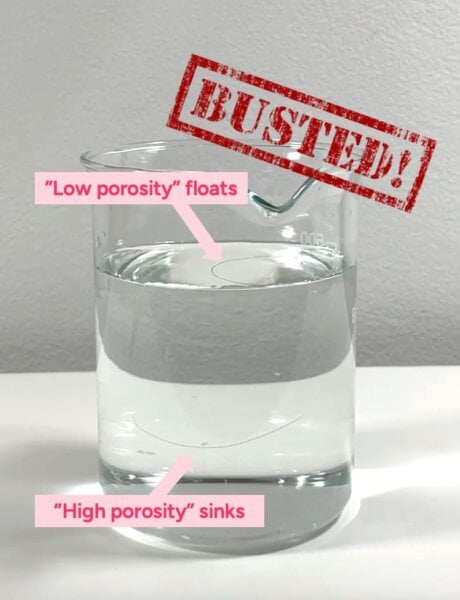
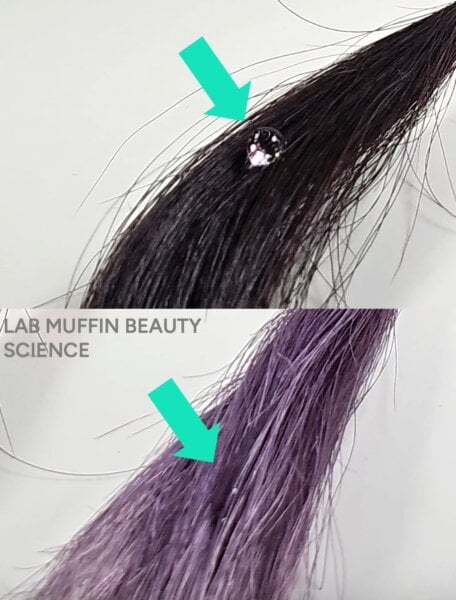
Despite these established scientific facts, viral beauty routines continue to promote the float test—where a strand of hair is dropped into a glass of water to see if it floats (signifying low porosity) or sinks (signifying high porosity)—and the drop test, which observes whether a water droplet beads up or flattens on a lock of hair. Proponents of these tests argue that sinking hair has absorbed excess water due to structural holes. In reality, these phenomena are entirely governed by surface tension and the condition of the hair’s outer surface.
Surface tension arises from hydrogen bonding among water molecules. Molecules located within the bulk liquid form strong bonds in all directions, whereas those at the surface experience an unbalanced inward pull, creating a resilient microscopic "skin" capable of supporting objects denser than water, such as steel paperclips or small insects. When a strand of hair is placed in water, it is fundamentally dense enough to sink on its own. It remains afloat only because the water’s surface tension supports it.
When hair is subjected to physical, chemical, or environmental damage, its protective F-layer is stripped away, exposing the underlying hydrophilic (water-loving) proteins. Upon contact with water, these exposed sites engage in hydrogen bonding with the liquid surface. This molecular interaction disrupts the surface tension holding the water together, causing the barrier to break down and allowing the dense hair strand to sink. Similarly, the drop test does not measure internal absorption capacity; damaged hair can absorb roughly 45 percent of its weight in water compared to 30 percent for undamaged hair—a marginal difference that fails to account for the dramatic spreading behavior observed in the test. The water simply spreads rapidly across the hydrophilic, damaged surface rather than sinking into internal cavities.
The broader implications of these flawed diagnostic tests extend far beyond consumer confusion regarding product selection. While the advice derived from porosity tests—such as recommending heavier moisturizers for damaged hair and lighter formulations for virgin hair—often leads consumers to satisfactory results by coincidence, the underlying diagnostic framework is scientifically inaccurate. Dermatologists and trichologists emphasize that diagnosing hair based on surface damage is generally harmless for routine consumer maintenance, but relying on these proxy tests for professional applications can lead to operational errors.
Industry experts and salon professionals have increasingly voiced concerns over the uncritical acceptance of porosity myths in professional settings. For instance, colorists and chemical treatment specialists who misinterpret surface damage as internal porosity risk miscalculating processing times for permanent waves, relaxers, or oxidative hair dyes. Chemical treatments rely on the diffusion of active molecules deep into the cortex of the hair fiber, a process governed by chemical kinetics rather than simple surface wettability. Consequently, relying on float or drop tests to predict how hair will process chemical agents can result in uneven development or unexpected hair damage. Professional consensus now strongly advises that the only reliable method for determining chemical processing behavior is direct strand testing on the individual client’s hair.
As the beauty industry moves toward greater transparency and science-backed consumer education, researchers continue to advocate for the elimination of pseudoscientific heuristics. Brands and educators are encouraged to pivot away from misleading terminology like "high and low porosity" diagnostics, replacing them with accurate discussions centering on structural integrity, cuticle health, and moisture equilibrium. By aligning consumer routines with actual polymer and physical chemistry, the haircare sector can foster a more realistic understanding of how hair interacts with water, humidity, and topical treatments in everyday life.
