

Polycystic Ovary Syndrome (PCOS) stands as one of the most common endocrine disorders affecting individuals of reproductive age, impacting an estimated 6 to 12 percent of women globally. Characterized by a complex interplay of hormonal imbalances, chronic low-grade inflammation, and metabolic disruptions such as insulin resistance, the condition often presents a formidable management challenge for both patients and healthcare providers. While conventional pharmaceuticals like metformin and oral contraceptives are frequently prescribed, a growing body of clinical research highlights natural therapeutic alternatives. Among these, berberine—a bioactive plant alkaloid—has emerged as a subject of intense scientific scrutiny, offering multi-faceted physiological benefits that address the root drivers of PCOS pathology.
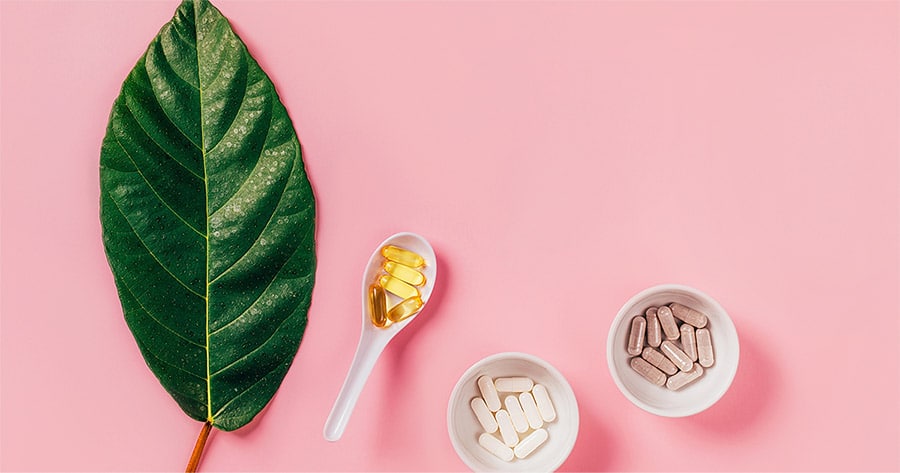
Originating from traditional botanical practices spanning millennia, particularly within Asian herbal medicine where certain barberry species have long been utilized for health preservation, berberine has steadily transitioned into modern clinical evaluation. As researchers uncover the molecular pathways through which this compound interacts with human metabolism, its clinical relevance to PCOS management becomes increasingly apparent. Below is an exhaustive analysis of twelve scientifically validated mechanisms and clinical outcomes supporting the integration of berberine into comprehensive PCOS care frameworks.
Understanding Berberine: Historical Roots and Modern Pharmacology
Berberine is classified chemically as an isoquinoline alkaloid extracted from the roots, rhizomes, and stem bark of various plants, most notably those belonging to the Berberis genus, such as Berberis vulgaris (barberry), as well as goldenseal, goldthread, and Oregon grape. Historically, traditional Chinese and Ayurvedic medicine leveraged these botanical extracts for their antimicrobial, gastrointestinal, and metabolic properties for over 3,000 years.

In contemporary biomedical research, berberine’s therapeutic profile is largely attributed to its activation of adenosine monophosphate-activated protein kinase (AMPK), a master regulator of cellular energy homeostasis. By turning on AMPK, berberine influences how the body handles glucose and lipids, mimicking the metabolic effects of exercise and caloric restriction at a cellular level. Furthermore, its pronounced anti-inflammatory and antioxidant properties position it as a potent agent against the systemic inflammation characteristic of metabolic syndromes, including PCOS.
1. Ameliorating Insulin Resistance
Insulin resistance is widely recognized as a central pathophysiological feature of PCOS, affecting up to 70 percent of women diagnosed with the condition, regardless of their body mass index. In an insulin-resistant state, peripheral tissues fail to respond adequately to circulating insulin, compelling the pancreas to hypersecrete the hormone to maintain normoglycemia. This hyperinsulinemia subsequently stimulates the ovaries to overproduce androgens, driving clinical manifestations such as hirsutism, acne, and ovulatory dysfunction.

Clinical trials evaluating berberine demonstrate its capacity to significantly improve insulin sensitivity. By upregulating glucose transporter proteins (such as GLUT4) and enhancing insulin receptor expression, berberine facilitates the cellular uptake of glucose. A prominent prospective randomized study published in Cureus demonstrated that women with PCOS who underwent a 12-week intervention involving berberine experienced marked improvements in insulin sensitivity indices, establishing its viability as a metabolic regulator.
2. Lowering Blood Glucose Levels
Closely tied to its impact on insulin signaling, chronic hyperglycemia and impaired glucose tolerance frequently accompany PCOS, elevating the long-term risk of developing type 2 diabetes mellitus. When insulin fails to efficiently clear glucose from the bloodstream, plasma glucose concentrations remain elevated, contributing to cellular damage, fatigue, cognitive impairment (often described as "brain fog"), and systemic vascular complications.

Berberine actively mitigates this hyperglycemia by suppressing hepatic gluconeogenesis (the liver’s production of glucose) and slowing carbohydrate breakdown in the intestine. By promoting enhanced glucose disposal into skeletal muscle tissue, berberine lowers fasting blood glucose and glycosylated hemoglobin (HbA1c) levels, thereby interrupting the vicious cycle of glucotoxicity inherent in untreated metabolic dysfunction.
3. Facilitating Clinically Significant Weight Loss
Weight management is notoriously difficult for individuals with PCOS due to underlying metabolic suppression and insulin dysregulation. Even with caloric restriction and physical activity, hormonal barriers often obstruct sustainable fat loss.

Systematic reviews and meta-analyses investigating berberine’s role in weight management—such as a 2020 evaluation published in Pathology and Oncology Research focusing on metabolic syndrome cohorts—reveal substantial reductions in body mass index (BMI) and total body weight following consistent supplementation. In specific clinical observations, participants utilizing berberine over a 12-week period saw average BMI figures drop significantly (for instance, from 31.5 to 27.4). Researchers attribute these outcomes to berberine’s ability to inhibit adipogenesis (fat storage), enhance mitochondrial energy expenditure, and optimize overall lipid oxidation.
4. Optimizing Lipid Profiles and Cholesterol
Cardiovascular disease risk is markedly elevated in women with PCOS, driven by a triad of atherogenic dyslipidemia, chronic inflammation, and insulin resistance. This lipid profile typically manifests as elevated serum triglycerides, high low-density lipoprotein (LDL) cholesterol, and depressed high-density lipoprotein (HDL) cholesterol.

Clinical investigations comparing berberine to standard pharmacological lipid-lowering agents have yielded promising results. A systematic review published in PubMed highlighted that berberine demonstrated efficacy comparable to conventional statins, such as simvastatin, in reducing circulating LDL cholesterol. Furthermore, a clinical trial featured in Nutrients reported that after eight weeks of berberine phospholipid administration, women with PCOS exhibited statistically significant reductions in triglycerides, total cholesterol, and atherogenic LDL particles, offering a dual metabolic and cardiovascular protective effect.
5. Regulating Menstrual Cycles and Ovulatory Function
Menstrual irregularities, ranging from oligomenorrhea (infrequent periods) to amenorrhea (complete absence of menstruation), are diagnostic hallmarks of PCOS and primary contributors to subfertility. These irregularities stem directly from chronic anovulation caused by arrested follicular development.

Clinical comparative studies, including those published in the Journal of Clinical Endocrinology & Metabolism, have evaluated berberine against standard insulin-sensitizing pharmaceuticals like metformin. Results indicate that berberine successfully restores ovulatory cycles and menstrual regularity comparably to pharmaceutical interventions. Crucially, trials noted that patients treated with berberine achieved higher circulating concentrations of sex hormone-binding globulin (SHBG) than those treated with metformin, which plays an essential role in binding free testosterone and mitigating hyperandrogenic symptoms.
6. Reducing Systemic Inflammation
Chronic, low-grade systemic inflammation is a foundational component of PCOS pathogenesis, closely intertwined with both insulin resistance and adiposity. Pro-inflammatory cytokines, such as tumor necrosis factor-alpha (TNF-α) and interleukin-6 (IL-6), are frequently elevated in patients with PCOS, perpetuating ovarian dysfunction and increasing long-term cardiovascular risks.
Berberine exerts potent anti-inflammatory effects by inhibiting nuclear factor kappa B (NF-κB), a master transcriptional regulator of inflammatory responses. By suppressing pro-inflammatory cytokine production and functioning as an endogenous antioxidant, berberine helps cool systemic inflammation. In reproductive biology, this anti-inflammatory and antioxidant action is also hypothesized to improve oocyte (egg) quality, a critical factor for successful reproductive outcomes.
7. Restoring Endocrine and Hormonal Balance
The clinical presentation of PCOS is fundamentally driven by hyperandrogenism—elevated levels of male sex hormones such as testosterone and androstenedione—alongside disrupted gonadotropin-releasing hormone (GnRH) pulse frequencies, which skew the luteinizing hormone (LH) to follicle-stimulating hormone (FSH) ratio.

By correcting the upstream metabolic abnormalities of insulin resistance, berberine indirectly dampens ovarian androgen production. Clinical trials evaluating hormone panels after berberine supplementation demonstrate significant declines in total and free testosterone levels, alongside a normalization of the LH/FSH ratio and an increase in protective progesterone levels during the luteal phase. Addressing these foundational hormonal imbalances promotes systemic wellness and alleviates downstream dermatological and physiological symptoms.
8. Enhancing Reproductive Outcomes and Fertility
For women navigating PCOS-related infertility, the primary hurdle is anovulation, compounded by impaired endometrial receptivity—the biological window during which the uterine lining is suitably prepared for embryo implantation.

Because berberine restores ovulation rates and improves metabolic markers, it directly enhances natural conception rates and supports assisted reproductive technologies (ART). Beyond merely stimulating ovulation, preliminary research suggests berberine positively influences endometrial gene expression, optimizing the microenvironment required for successful embryo implantation and early gestation.
9. Mitigating Depressive Symptoms and Mood Disorders
While the somatic and metabolic manifestations of PCOS receive the lion’s share of clinical attention, the psychological burden is profound. Women with PCOS experience significantly higher rates of clinical depression, generalized anxiety disorder, and diminished quality of life compared to the general population, driven by a combination of hormonal fluctuations, chronic illness distress, and systemic inflammation.

Emerging psychopharmacological research indicates that berberine possesses neuroprotective and anxiolytic properties. By modulating monoamine neurotransmitter systems (such as serotonin and dopamine) within the central nervous system and reducing neuroinflammation, berberine demonstrates a capacity to alleviate depressive and anxious symptoms, offering holistic support for mental well-being.
10. Combating Non-Alcoholic Fatty Liver Disease (NAFLD)
Non-alcoholic fatty liver disease (NAFLD) is an increasingly recognized comorbidity associated with metabolic dysfunction, insulin resistance, and PCOS. Epidemiological data indicate that women with PCOS are up to four times more likely to develop NAFLD than age-matched controls without the condition.

Berberine has been extensively studied for its hepatoprotective effects. By reducing hepatic lipid accumulation, dampening intrahepatic inflammation, and enhancing systemic insulin sensitivity, berberine effectively interrupts the progression of hepatic steatosis. Consequently, routine screening of liver enzymes is recommended for PCOS patients, and berberine serves as a targeted therapeutic option for mitigating hepatic fat accumulation.
11. Alleviating Metabolic Symptoms Associated with the Menopausal Transition
As women with PCOS approach perimenopause and menopause, the age-related decline in estrogen interacts with existing metabolic vulnerabilities, heightening risks for cardiovascular events, central adiposity, bone mineral density loss, and metabolic syndrome.
Because berberine functions as a robust insulin sensitizer and lipid-modifying agent, it addresses many of the high-risk metabolic shifts that accelerate during the menopausal transition. Clinical literature confirms that metabolic interventions targeting insulin pathways can effectively buffer postmenopausal women against rapid metabolic deterioration, extending protective benefits across the lifespan.
12. Improving Overall Body Composition
Weight scale metrics often fail to capture improvements in metabolic health, particularly regarding visceral adiposity—the dangerous fat tissue that surrounds internal abdominal organs. Clinical trials utilizing advanced body composition metrics have demonstrated that berberine supplementation can drive reductions in waist circumference and visceral fat deposits, even in instances where overall body weight remains stable. This favorable shift in body composition reflects a reduction in metabolically active, inflammatory fat stores, translating directly to improved long-term health outcomes.

Clinical Protocols, Dosage, and Safety Profile
For individuals considering berberine as part of an integrative management strategy, understanding appropriate dosing and administration protocols is essential.
- Recommended Dosage: Clinical studies typically utilize a dosage ranging from 900mg to 1,500mg daily, commonly divided into doses of 500mg taken two to three times per day.
- Bioavailability: Because berberine has relatively low systemic bioavailability when taken orally, selecting berberine hydrochloride (HCl) or formulations combined with absorption enhancers (such as phospholipids or piperine) is recommended to optimize therapeutic efficacy.
- Timing: Berberine should generally be taken alongside or immediately following meals to maximize its glucose-lowering effects and minimize potential gastrointestinal discomfort.
- Timeline for Results: Physiological adaptations and clinical improvements—such as regulated menstrual cycles and stabilized metabolic panels—typically manifest within three to six months of consistent supplementation.
- Side Effects and Safety: Berberine is generally well-tolerated, with a favorable safety profile for long-term use. The most frequently reported adverse effects are mild gastrointestinal symptoms, including transient nausea, cramping, diarrhea, or constipation. Individuals who are pregnant or breastfeeding should exercise caution and consult an endocrinologist or primary care physician prior to initiation, as berberine can influence bilirubin displacement and uterine contractions.
Conclusion
Polycystic Ovary Syndrome is a multifaceted condition that requires a comprehensive, individualized management approach. By targeting insulin resistance, suppressing chronic inflammation, balancing circulating androgens, and supporting hepatic and cardiovascular health, berberine offers a scientifically robust, natural adjunct to traditional therapies. As ongoing clinical research continues to illuminate its diverse mechanisms, berberine stands out as a valuable tool for empowering individuals to take control of their metabolic and reproductive health.
