
The transition from the height of the COVID-19 pandemic into the subsequent recovery period has fundamentally altered the relationship between American consumers and their dietary habits. As society shifts from the acute crisis management of 2020 to a nuanced "new normal" in 2022, data from the International Food Information Council (IFIC) and public health institutions, such as the Harvard T.H. Chan School of Public Health, indicate a complex recalibration of daily routines. This evolution is characterized by a regression toward pre-pandemic norms in some areas, while lingering challenges regarding food security and nutritional access remain as significant structural hurdles.
A Chronology of Behavioral Shifts (2020–2022)
To understand current health trends, one must first analyze the volatile landscape of the preceding two years. In 2020, the onset of global lockdowns triggered a sudden, reactive shift in consumer behavior. With restaurants shuttered and grocery supply chains strained, the household kitchen became the primary hub for nutrition. During this period, IFIC reports indicated that 60% of Americans reported cooking at home more frequently, while 32% admitted to increased snacking, and 20% reported higher overall food consumption, often driven by stress and a lack of access to traditional exercise facilities.
By 2021, as vaccination efforts gained momentum and businesses began the process of phased reopening, the data reflected a period of "pandemic fatigue." The compulsion to cook at home dropped to 47%, signaling a return to convenience-based dining. Simultaneously, the trend of emotional or boredom-driven snacking declined to 18%, suggesting that as structure returned to the workday, the impulsive dietary behaviors of the early lockdown era began to wane. However, this shift was not universal. Lower-income demographics continued to face the compounding pressures of rising food prices and the erosion of safety nets, highlighting a deepening divide in public health outcomes.
The Nutritional Landscape in a Post-Pandemic Context
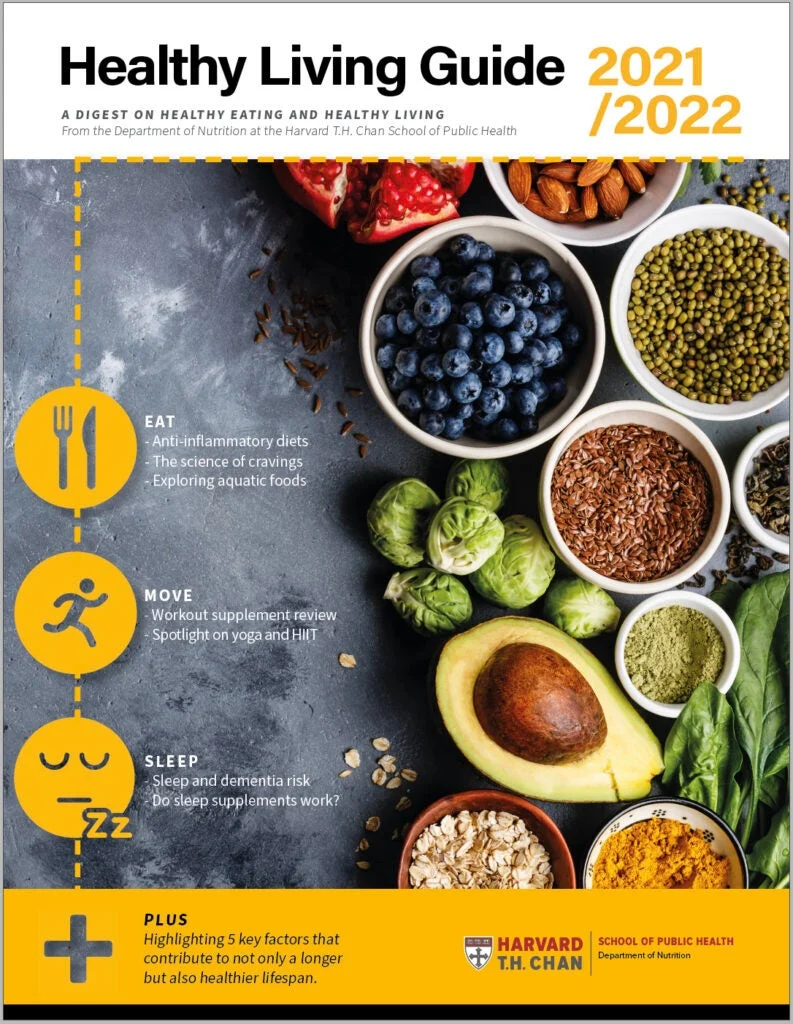
The Harvard T.H. Chan School of Public Health has synthesized these shifting realities into their latest Healthy Living Guide. The publication serves as an empirical response to the fluctuations observed over the last 24 months. The guide emphasizes that while consumer habits are volatile, the fundamental pillars of human biology—specifically the requirement for balanced nutrition, consistent physical activity, and restorative sleep—remain constant.
Research highlights within the guide focus on the "new normal" as an opportunity to solidify long-term preventative health measures. The implications of these findings are significant: individuals who maintained consistent sleep cycles and balanced nutrient intake throughout the pandemic demonstrated higher resilience to the psychological stressors associated with social isolation. As the global community moves forward, the focus is shifting from survival-based eating to intentional, health-conscious dietary planning.
Socioeconomic Disparities and Global Health Concerns
While the discourse often centers on individual lifestyle choices, a professional analysis of public health must acknowledge the systemic disparities that prevent equitable access to healthy living. The 2021-2022 period has been marked by significant gaps in food security. Inflationary pressures on grocery staples have disproportionately affected marginalized communities, making the "healthy living" recommendations of elite institutions difficult to implement for those in food deserts or those experiencing economic instability.
Furthermore, the global context remains inseparable from domestic health. The emergence of new COVID-19 variants serves as a sobering reminder that public health is an interconnected endeavor. The Harvard researchers note that the urgency for global vaccination, particularly in low- and lower-middle-income nations, is not merely a geopolitical objective but a prerequisite for regional and global health stability. Without a robust, vaccinated workforce, the global supply chains for nutritious, affordable food remain vulnerable to disruption, creating a feedback loop of health and economic insecurity.
Empirical Insights on Healthy Behaviors
The latest Healthy Living Guide provides a framework for addressing these challenges. By moving beyond the reactionary habits of 2020, the guide advocates for a structured approach to wellness:
- Dietary Intentionality: Moving away from the "snack-heavy" habits of the pandemic requires a return to whole-food staples. The guide suggests that consistent meal planning acts as a buffer against the convenience-oriented, high-sodium, and high-sugar diets that often accompany high-stress periods.
- Physical Activity: With the return to office environments and hybrid work models, the sedentary nature of remote work has become a primary target for public health intervention. The report emphasizes that even incidental movement—integrated into daily commutes or office routines—is vital for metabolic health.
- Sleep Hygiene: Chronic sleep deprivation, a common side effect of the digital hyper-connectivity observed during 2020 and 2021, is addressed as a critical factor in immune function. The guide provides updated research on how sleep quality directly influences the body’s ability to manage inflammatory responses.
Implications for Public Policy and Personal Wellness
The shift in data from 2020 to 2021 indicates that human behavior is highly adaptable, yet often prone to reverting to older, less healthy patterns when the immediate sense of crisis subsides. This observation poses a challenge for policymakers: how to maintain the positive aspects of the "home-cooking" trend while mitigating the stressors that lead to poor nutritional choices.
Analysis of the current data suggests that the "new normal" is not a static destination but a process of iterative improvement. Organizations and public health bodies are increasingly moving toward digital-first educational strategies, providing printable tip sheets and interactive modules to meet individuals where they are. By digitizing health guidance, these institutions are attempting to bridge the gap between high-level medical research and the practical, daily constraints of the average household.
Testing Knowledge and Future Readiness
To ensure the dissemination of this information is effective, experts suggest that active learning—such as self-assessment tests on nutritional literacy—is key. The Harvard Healthy Living Guide includes comprehensive resources that allow individuals to test their understanding of macronutrients, the impact of ultra-processed foods, and the latest cardiovascular health research.
This educational approach is intended to prepare the public for future health disruptions. By building "nutritional literacy," individuals become better equipped to make informed decisions when faced with limited choices or supply chain shortages. The goal is to move from a reactive posture, where health is treated as a commodity to be managed during emergencies, to a proactive posture, where health is integrated as a foundational element of daily existence.
Conclusion: Sustaining Health in an Unpredictable Era
As we navigate the ongoing waves of the pandemic, the synthesis of data from 2021 and 2022 provides a roadmap for sustainable living. The core themes—eating well, moving more, and resting properly—have not changed, but the environment in which we apply them has become more complex. The objective of the latest health initiatives is to provide the public with the tools necessary to navigate this complexity with agency and resilience.
While the fluctuations in home-cooking rates and snacking behaviors provide a window into the American psyche, the broader takeaway is the necessity of institutional support. The efforts of organizations like the Harvard T.H. Chan School of Public Health are essential in translating complex medical research into actionable lifestyle advice. As we look toward the remainder of the year and beyond, the focus must remain on equity in food access, the rigorous application of science to daily routine, and the recognition that personal health is inextricably linked to the health of the broader global community. By prioritizing these elements, individuals can foster a level of personal wellness that is capable of enduring the inevitable "twists and turns" of a rapidly changing world.
