
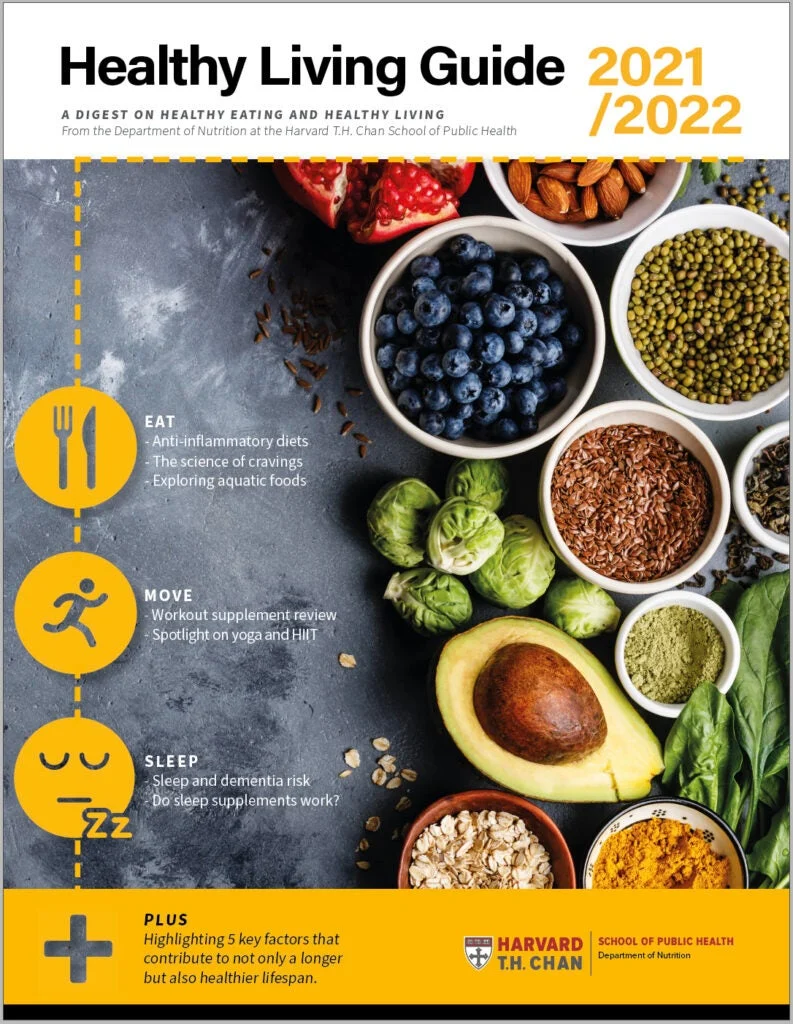
As the global community moves through the third year of the COVID-19 pandemic, the intersection of public health policy and individual lifestyle choices has become increasingly complex. The year 2021 served as a transitional period, characterized by a fluctuating "new normal" where the sudden, restrictive habits of 2020 began to wane, yet the underlying stressors of the pandemic persisted. Amid this backdrop, the Harvard T.H. Chan School of Public Health has released its latest Healthy Living Guide, a comprehensive resource designed to help individuals navigate the dual challenges of personal wellness and global health instability.
The Shifting Landscape of Consumer Behavior
Data collected by the International Food Information Council (IFIC) in their 2021 Food & Health Survey provides a clear snapshot of how American eating habits evolved as the initial shock of the pandemic subsided. During the early months of 2020, lockdowns and social distancing mandates forced a massive shift toward home-based consumption. By 2021, as vaccine rollouts expanded and businesses began to reopen, these behaviors began to recalibrate.
The survey indicates a significant reduction in stress-related eating patterns compared to the previous year. For instance, the percentage of respondents who reported "snacking more" dropped from 32% in 2020 to 18% in 2021. Similarly, those reporting an overall increase in food intake fell from 20% to 11%. While these figures suggest a return to more moderate dietary patterns, they are juxtaposed against a decline in home-cooking prevalence. In 2020, 60% of consumers reported cooking at home more frequently; by 2021, that figure had receded to 47%.
This decline in home cooking is a critical metric for public health experts, as the frequency of home-prepared meals is often positively correlated with higher diet quality and lower caloric intake. The retreat from the kitchen suggests that as individuals returned to offices and resumed pre-pandemic social activities, the convenience of processed or restaurant-prepared foods regained its dominance in the average diet.
Chronology of Nutritional Shifts (2020–2022)
The trajectory of public health during the pandemic can be viewed through three distinct phases that influenced consumer nutrition:
- The Lockdown Phase (March 2020 – December 2020): Characterized by extreme uncertainty, panic buying, and a surge in home baking and cooking. The "quarantine 15" became a cultural shorthand for the unintended consequences of sedentary lifestyles and increased consumption of comfort foods.
- The Adjustment Phase (January 2021 – December 2021): A period defined by the availability of vaccines, the reopening of the hospitality sector, and a conscious effort by many to reverse the weight gain and poor sleep habits acquired during the previous year. This phase saw the stabilization of dietary habits, though it also exposed the limits of individual behavioral change without broader structural support.
- The Persistent Instability Phase (January 2022 – Present): Marked by the emergence of variants such as Omicron, which introduced new anxieties regarding health. This period highlights the necessity for sustainable, long-term lifestyle habits that can withstand recurring waves of viral activity.
Addressing Socioeconomic Disparities in Nutrition
While data on consumer behavior provides a broad overview, it often masks the significant disparities in food security that were exacerbated by the pandemic. The Harvard T.H. Chan School of Public Health’s recent documentation emphasizes that while some segments of the population were able to focus on "healthy living," others were grappling with basic food access.
The pandemic-induced economic downturn created a "K-shaped" recovery in terms of nutrition. Higher-income households were largely able to prioritize organic, fresh, and nutrient-dense foods, whereas lower-income households—disproportionately affected by job losses and supply chain disruptions—faced rising food prices and reduced access to grocery stores. Food insecurity remains a structural barrier to healthy living, and public health experts argue that dietary advice must be paired with policy interventions, such as the expansion of nutritional assistance programs and the stabilization of local food supply chains.
Global Health and Vaccination Imperatives
The Healthy Living Guide is not merely a collection of dietary tips; it serves as a reminder that personal health is inextricably linked to global public health. The continued emergence of new COVID-19 variants serves as a sobering signal that the pandemic will not conclude until vaccination rates are significantly bolstered, particularly in low- and lower-middle-income countries.
Public health officials have noted that the "individual responsibility" narrative—the idea that health is solely a matter of personal choice—is insufficient when faced with a global pathogen. The disparity in vaccine access between wealthy nations and the Global South has resulted in a prolonged pandemic that affects global trade, food supply, and mental health. Consequently, the discourse around "healthy living" has expanded to include advocacy for global health equity as a prerequisite for communal stability.
Core Pillars of the 2022 Healthy Living Framework
The latest guide focuses on three primary pillars, supported by the latest clinical research:
1. Eating Well
Nutrition in 2022 is being reframed not as a series of restrictive diets, but as a sustainable approach to fueling the body. The focus is on plant-forward diets, the reduction of ultra-processed foods, and the importance of nutrient density. Research highlighted in the guide suggests that dietary patterns rich in whole grains, legumes, and lean proteins are essential for immune function, which remains a primary concern for the public.
2. Being Active
The sedentary nature of remote work and digital schooling has necessitated a re-evaluation of physical activity. The guide emphasizes "incidental exercise"—incorporating movement into the daily routine—rather than relying solely on structured gym workouts. With sedentary behavior linked to increased risks of chronic conditions like heart disease and type 2 diabetes, the guide promotes consistent, moderate movement as a vital countermeasure to modern work environments.
3. Getting Enough Sleep
Sleep has emerged as a cornerstone of the post-pandemic health conversation. Clinical data continues to show that chronic sleep deprivation impairs the immune system and increases susceptibility to viral infections. The 2022 guide provides actionable strategies for sleep hygiene, including the management of "blue light" exposure and the establishment of consistent circadian rhythms, which were severely disrupted during the height of the pandemic.
Scientific Analysis of Lifestyle Implications
The implications of these findings are profound. If the decline in home cooking observed in 2021 continues, there is a risk of a long-term uptick in diet-related chronic diseases. Analysts suggest that the "new normal" requires a hybrid approach: maintaining the positive health-seeking behaviors learned during the pandemic while adapting them to the time constraints of a post-lockdown lifestyle.
Furthermore, the data suggests that public health messaging needs to move beyond simple directives to address the psychological barriers to healthy living. The stress and trauma of the pandemic have lowered the "cognitive bandwidth" of the public, making it harder to sustain complex behavioral changes. Successful health interventions in 2022 and beyond will likely need to be low-friction, accessible, and culturally tailored to diverse populations.
Conclusion and Future Outlook
As the world continues to navigate the complexities of the pandemic, the Harvard T.H. Chan School of Public Health underscores that health is a lifelong project. The Healthy Living Guide for 2022 is intended to be a flexible tool, providing research-backed summaries that empower individuals to take control of their well-being. By integrating printable tip sheets and links to academic resources, the guide bridges the gap between complex nutritional science and daily application.
The road ahead remains uncertain, but the lessons of the past two years are clear: individual resilience is strengthened by informed choices, and collective health is the foundation upon which all other activities depend. As individuals move forward, the focus must remain on balanced nutrition, consistent physical activity, and adequate rest, while remaining mindful of the systemic inequalities that prevent equitable health outcomes globally.
For those looking to assess their own progress, the guide features interactive components that encourage readers to test their knowledge on nutrition and lifestyle science. By revisiting the core tenets of wellness, the public can better equip themselves for the ongoing challenges of the 2020s. For further information and access to the complete library of evidence-based articles, the full Healthy Living Guide remains available for digital download, offering a roadmap for a healthier and more resilient year ahead.
