
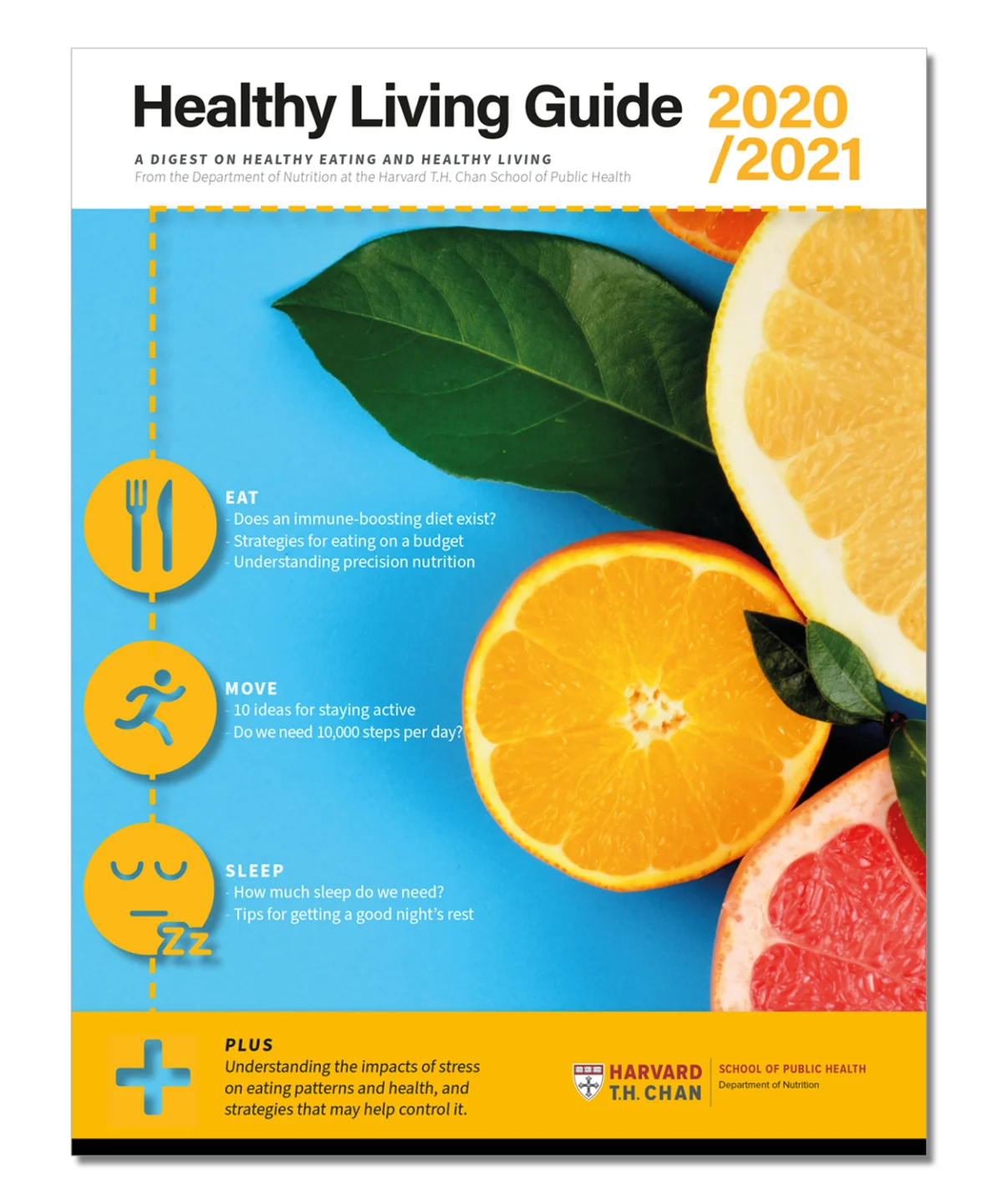
The Harvard T.H. Chan School of Public Health’s Department of Nutrition has released its fourth annual Healthy Living Guide, marking a significant shift in institutional focus toward the intersection of individual wellness and global mindfulness. This year’s publication arrives in the wake of the 2023 inauguration of the Thich Nhat Hanh Center for Mindfulness in Public Health, an academic initiative designed to bridge the gap between meditative practices and large-scale population health outcomes. By integrating the philosophical tenets of mindful consumption with rigorous nutritional science, the guide provides a comprehensive roadmap for navigating the complexities of modern dietary and lifestyle choices.
The Evolution of the Healthy Living Guide
The publication of the 2023-2024 Healthy Living Guide represents a multi-year effort by the Department of Nutrition to translate dense clinical data into actionable advice for the public. Since the inception of the series, the department has sought to address the "information fatigue" often associated with health news, where conflicting studies on nutrition and lifestyle can leave the public paralyzed by indecision.
The timeline of the initiative reflects a growing institutional emphasis on holistic health. In 2020, the department began prioritizing accessible, evidence-based literature as a direct response to the global health crises that forced a reconsideration of immune health and metabolic resilience. By 2022, the scope expanded to include mental health and environmental sustainability. Now, in 2024, the focus has shifted toward "mindful public health"—a methodology that examines how the simple act of awareness can influence food systems, agricultural sustainability, and the prevalence of chronic, diet-related diseases.
The Thich Nhat Hanh Center: Bridging Science and Spirit
A cornerstone of this year’s guide is the institutional incorporation of the Thich Nhat Hanh Center for Mindfulness in Public Health. Established in 2023, the center operates on the premise that chronic health issues are not merely biological, but are deeply influenced by behavioral patterns and societal stressors. The center’s research agenda is focused on three primary domains: the neurobiology of mindfulness, the social determinants of food choices, and the implementation of mindful interventions in educational and workplace settings.
Public health experts associated with the center have noted that traditional nutritional advice—centered on caloric intake and macronutrient ratios—often fails because it ignores the psychological component of eating. By advocating for "mindful eating," researchers are testing whether individuals who practice heightened awareness during meals exhibit improved glycemic control and reduced rates of emotional eating. This, they argue, has massive implications for the global burden of obesity and Type 2 diabetes.
Examining the Impact of Ultra-Processed Foods
Perhaps the most urgent section of the new guide addresses the rise of ultra-processed foods (UPFs). According to recent data cited by the Department of Nutrition, UPFs now account for over 50% of the daily caloric intake in many Western nations. The guide synthesizes current clinical evidence linking high consumption of these products to increased risks of cardiovascular disease, cognitive decline, and metabolic syndrome.
The Harvard research team highlights a critical distinction: while processed foods—such as canned beans or frozen vegetables—can be part of a healthy diet, "ultra-processed" products undergo extensive industrial refinement. These items are often formulated with additives, artificial sweeteners, and emulsifiers that may alter the gut microbiome and trigger inflammatory responses. The guide suggests that the solution is not merely dietary restriction but a shift in food environments that prioritize minimally processed, whole-food sources.
Physical Activity: From Sedentary Habits to Movement
In the realm of physical activity, the guide moves away from the traditional emphasis on high-intensity interval training (HIIT) as the only metric of success. Instead, it explores the psychological and physical benefits of varied movement, including dance-based exercise like Zumba and consistent, moderate aerobic activity.
Data presented in the guide emphasizes the "dose-response" relationship between exercise and mental health. Studies referenced indicate that even 150 minutes of moderate-intensity activity per week significantly reduces the incidence of depression and anxiety. By incorporating "turning up the tunes" as a therapeutic intervention, the authors argue that the barrier to entry for exercise is lower than many realize. The message is clear: the psychological benefit of movement is derived from consistency and enjoyment rather than the sheer intensity of the workout.
Chronobiology and the Science of Sleep
The guide also tackles the emerging field of chronobiology, specifically the role of "chronotypes" in health outcomes. A chronotype refers to an individual’s natural inclination to sleep at certain times—often referred to as "night owls" or "early birds."
Recent research suggests that forcing a rigid schedule that ignores one’s biological clock can lead to "social jetlag," a state of chronic misalignment that is associated with an increased risk of heart disease and obesity. The 2024 guide provides evidence-based strategies for optimizing sleep hygiene regardless of one’s chronotype. Key recommendations include consistent exposure to natural morning light, the strategic timing of caffeine consumption, and the creation of a "digital sunset" at least one hour before sleep to mitigate the disruptive effects of blue light on melatonin production.
Official Perspectives and Public Health Implications
The release of this guide is viewed by public health officials as a critical resource for policymakers and individuals alike. In a statement regarding the publication, department leads emphasized that individual health is inextricably linked to planetary health. The "apple in your hand is the body of the cosmos" quote by Thich Nhat Hanh serves as the central metaphor for the guide: every food choice is a vote for a specific agricultural system and a contribution to one’s own internal biological environment.
From a policy perspective, the implications are profound. If the public shifts toward more sustainable, mindful consumption, the demand for ultra-processed, environmentally taxing food products may decline. This could influence food industry manufacturing practices and, eventually, national dietary guidelines. The Harvard team maintains that systemic change begins with individual education, which is why the guide is provided as a free, printable resource.
Conclusion and Practical Application
The 2023-2024 Healthy Living Guide functions as more than just a summary of findings; it is an invitation to re-evaluate one’s relationship with the biological and environmental world. By weaving together the disparate threads of mindfulness, nutritional chemistry, chronobiology, and physical activity, the authors have created a cohesive framework for modern wellness.
As the new year progresses, the Department of Nutrition intends to monitor the efficacy of these guidelines through ongoing longitudinal studies. The inclusion of "knowledge tests" and printable tip sheets is a tactical choice to encourage active engagement rather than passive reading. For the public, the path forward is framed by the guide as one of intentionality: in a world of high-speed consumption and constant distraction, the most revolutionary act one can take for their health may be to slow down, pay attention, and align their daily habits with the physiological realities of the human body. The full 2023-2024 Healthy Living Guide is currently available for download, providing a comprehensive toolkit for those seeking to implement these evidence-based strategies in their own lives.
