
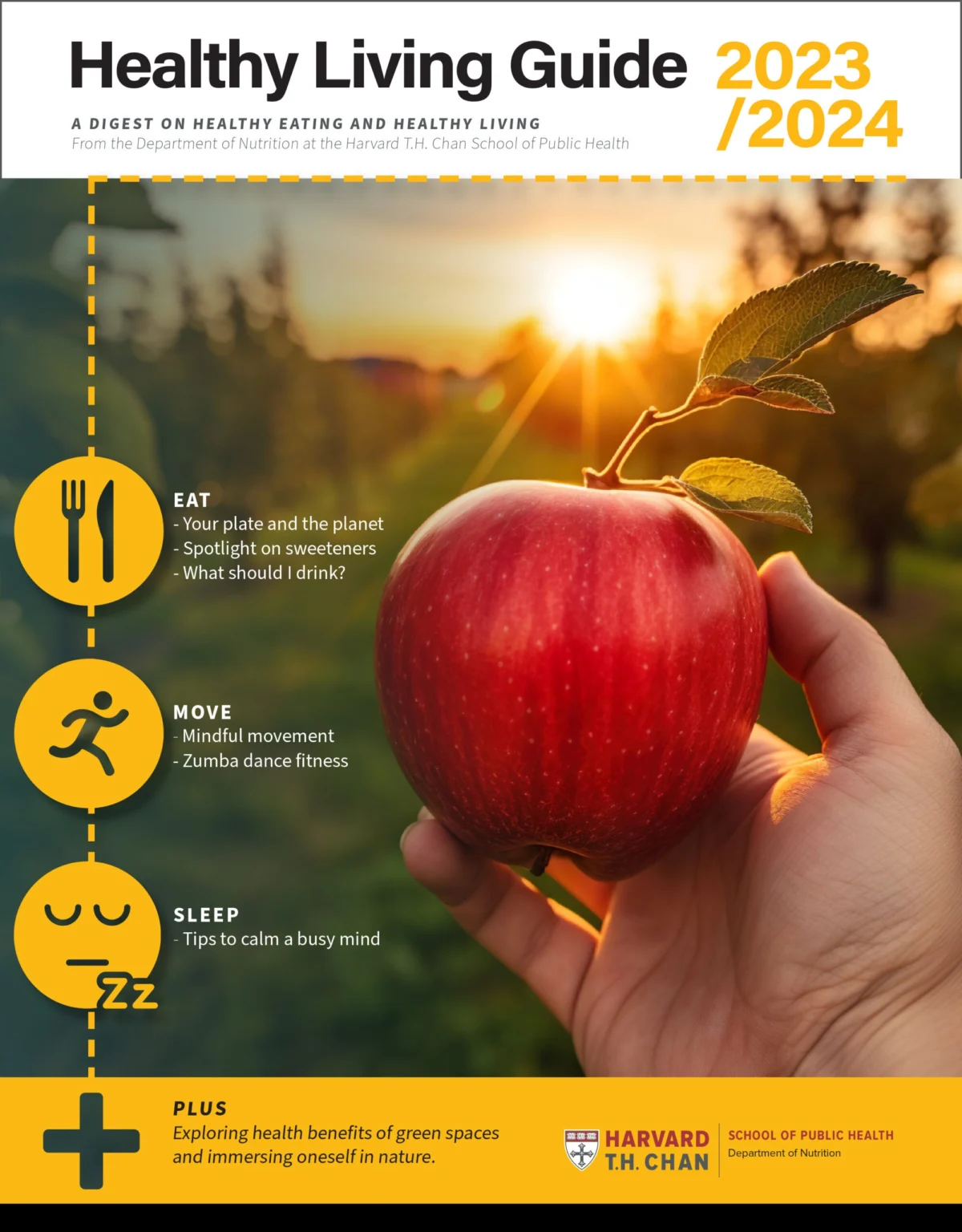
The launch of the fourth edition of the Healthy Living Guide by the Department of Nutrition marks a significant milestone, coinciding with an exciting year for the department and the establishment of the Thich Nhat Hanh Center for Mindfulness in Public Health. This comprehensive guide aims to empower individuals and communities with evidence-based strategies for optimal well-being, with a particular emphasis on the integration of mindfulness into public health initiatives.
New Horizons in Mindfulness and Public Health
The establishment of the Thich Nhat Hanh Center for Mindfulness in Public Health in 2023 represents a pivotal development in the pursuit of holistic well-being. Aligned with its namesake’s philosophy and its strategic location, the Center is dedicated to pioneering research that explores the application of mindfulness practices to enhance health outcomes at a population level. This extends beyond individual benefits, seeking to foster widespread improvements in well-being across diverse communities and global demographics.
A central tenet of the Center’s mission is the exploration of mindful eating and its profound impact on both personal health and the health of the planet. This theme is intricately woven throughout the latest edition of the Healthy Living Guide, reflecting a growing understanding of the interconnectedness between our dietary choices, our mental states, and the sustainability of our environment. The guide emphasizes that mindfulness in eating is not merely about what we consume, but also about how we consume it – fostering a deeper connection with our food, our bodies, and the natural world.
Key Research Highlights and Practical Guidance
The 2023-2024 Healthy Living Guide presents a wealth of current research and actionable advice across its established pillars of nutrition, physical activity, and sleep. Readers will find insightful updates on critical health topics, including:
-
Ultra-Processed Foods and Mental Health: Recent studies continue to illuminate the complex relationship between the consumption of ultra-processed foods (UPFs) and mental well-being. Research indicates a correlation between higher intake of UPFs and an increased risk of mental health conditions such as depression and anxiety. The guide delves into the potential mechanisms behind this link, such as the impact of UPFs on gut microbiota, inflammation, and nutrient deficiencies, offering practical strategies for reducing reliance on these often nutrient-poor, calorie-dense foods. Data from longitudinal studies, such as those tracking dietary patterns and mental health over several years, provide robust evidence for these associations. For instance, a meta-analysis published in JAMA Psychiatry in 2022 analyzed data from over 250,000 participants and found a significant association between high consumption of ultra-processed foods and an increased risk of developing depression.
-
The Power of Movement and Music: The guide explores the invigorating benefits of incorporating enjoyable physical activities into daily routines, highlighting initiatives like Zumba. This popular dance fitness program combines aerobic exercise with a fun, party-like atmosphere, making physical activity accessible and engaging for a wide range of individuals. Research consistently demonstrates that regular physical activity is crucial for maintaining cardiovascular health, managing weight, improving mood, and reducing the risk of chronic diseases. The guide likely elaborates on the physiological benefits, such as enhanced endorphin release, improved circulation, and strengthened musculoskeletal systems. Furthermore, the synergy between music and movement, as exemplified by Zumba, can significantly boost motivation and adherence to exercise regimens. A 2023 study published in the Journal of Sports Medicine and Physical Fitness found that participants engaging in Zumba reported higher levels of enjoyment and perceived exertion compared to traditional aerobic classes, leading to greater long-term participation.
-
Understanding Sleep Chronotypes and Health: The guide also sheds light on the concept of sleep chronotypes – an individual’s natural predisposition to sleep and wake at certain times. Recognizing whether one is an "early bird" (lark), a "night owl," or somewhere in between is crucial for optimizing sleep patterns and, consequently, overall health. The guide presents evidence detailing how aligning daily activities, including meal times and exercise, with one’s chronotype can lead to improved sleep quality, enhanced cognitive function, and better metabolic health. Disruptions to natural circadian rhythms, often associated with modern lifestyles, have been linked to increased risks of obesity, diabetes, and cardiovascular disease. Research published in Nature Sleep in 2021 highlighted that individuals whose sleep-wake patterns were misaligned with their chronotype experienced poorer sleep efficiency and reported higher levels of daytime fatigue and reduced alertness.
A Timeless Perspective on Healthy Living
The opening quote from Thich Nhat Hanh, "The apple in your hand is the body of the cosmos," serves as a profound reminder of the interconnectedness of all things. This philosophical underpinning resonates deeply with the guide’s emphasis on mindful eating and its broader implications for personal and planetary well-being. It encourages a shift in perspective, urging individuals to appreciate the origin of their food, the resources involved in its production, and the impact of their consumption choices on the environment.
The integration of mindfulness into public health is not a new concept, but its formalization through the Thich Nhat Hanh Center signifies a concerted effort to translate these principles into tangible, scalable interventions. The Center’s commitment to research aims to provide the scientific evidence needed to support the widespread adoption of mindfulness-based strategies in public health policies and programs. This approach acknowledges that individual health is deeply intertwined with the health of communities and the planet.
Background and Chronology of the Healthy Living Guide
The Healthy Living Guide has been a consistent resource for the Department of Nutrition, with the current edition being the fourth. Its annual release provides a structured timeline for disseminating the latest research and practical advice.
-
Inception and Evolution: The initial editions of the Healthy Living Guide likely focused on foundational principles of nutrition, physical activity, and sleep, building a strong base of knowledge for its readership. As scientific understanding has evolved, so too has the guide, incorporating emerging research and contemporary health challenges.
-
2023: A Landmark Year: The year 2023 was particularly significant due to the launch of the Thich Nhat Hanh Center for Mindfulness in Public Health. This event provided a renewed impetus for the Healthy Living Guide, allowing for a deeper exploration of mindfulness-related topics and their integration into established health paradigms. The Center’s establishment likely involved extensive planning, fundraising, and the recruitment of leading researchers and practitioners in the field of mindfulness and public health. This initiative builds upon decades of research into the benefits of mindfulness, which has demonstrated efficacy in stress reduction, improved emotional regulation, and enhanced focus.
-
The 2023-2024 Edition: This latest iteration of the guide represents the culmination of ongoing research and the strategic integration of the Center’s focus on mindfulness. It aims to provide a forward-looking perspective, guiding individuals towards healthier lifestyles in the year ahead.
Broader Impact and Implications
The Healthy Living Guide and the initiatives it represents have far-reaching implications for public health. By promoting evidence-based strategies and fostering a deeper understanding of the mind-body connection, these efforts can contribute to:
-
Reduced Burden of Chronic Diseases: By encouraging healthier dietary patterns, regular physical activity, and adequate sleep, the guide aims to mitigate the prevalence of lifestyle-related chronic diseases such as obesity, type 2 diabetes, cardiovascular disease, and certain types of cancer. The economic impact of these diseases is substantial, and preventive measures are crucial for healthcare sustainability.
-
Improved Mental Well-being: The increasing focus on mental health, particularly through the lens of mindfulness, signifies a recognition of its integral role in overall well-being. By equipping individuals with tools to manage stress, cultivate self-awareness, and make mindful choices, the guide can contribute to a reduction in mental health challenges and an improvement in quality of life.
-
Enhanced Environmental Sustainability: The emphasis on mindful eating and its connection to planetary health encourages a more conscious approach to food consumption. This can lead to reduced food waste, a preference for sustainably sourced foods, and a greater appreciation for the environmental footprint of our dietary choices, aligning with global efforts towards environmental conservation.
-
Empowered Communities: By providing accessible information and promoting evidence-based practices, the Healthy Living Guide empowers individuals to take an active role in their own health and well-being. This can foster a ripple effect within communities, inspiring collective action and the adoption of healthier lifestyles on a broader scale.
Accessing the Guide and Further Resources
The Healthy Living Guide is available for download as a printable PDF, offering convenient access to tip sheets and summaries. For those seeking more in-depth information, many of the full online articles referenced within the guide can be accessed through provided links. This dual approach ensures that the information is both readily digestible and thoroughly explored.
The guide also includes a section designed to test readers’ knowledge of healthy living principles, encouraging them to engage actively with the material. The answers to these quizzes are found within the previous year’s edition, promoting a continuous learning cycle and encouraging a review of past recommendations. This interactive element further solidifies the guide’s role as a dynamic educational tool.
The Department of Nutrition’s commitment to promoting healthy eating and healthy living, amplified by the establishment of the Thich Nhat Hanh Center for Mindfulness in Public Health, signals a promising future for public health initiatives. By embracing a holistic approach that integrates mindfulness, scientific evidence, and practical guidance, the Healthy Living Guide serves as an indispensable resource for individuals seeking to cultivate a healthier, more fulfilling, and mindful existence in 2024 and beyond.
