
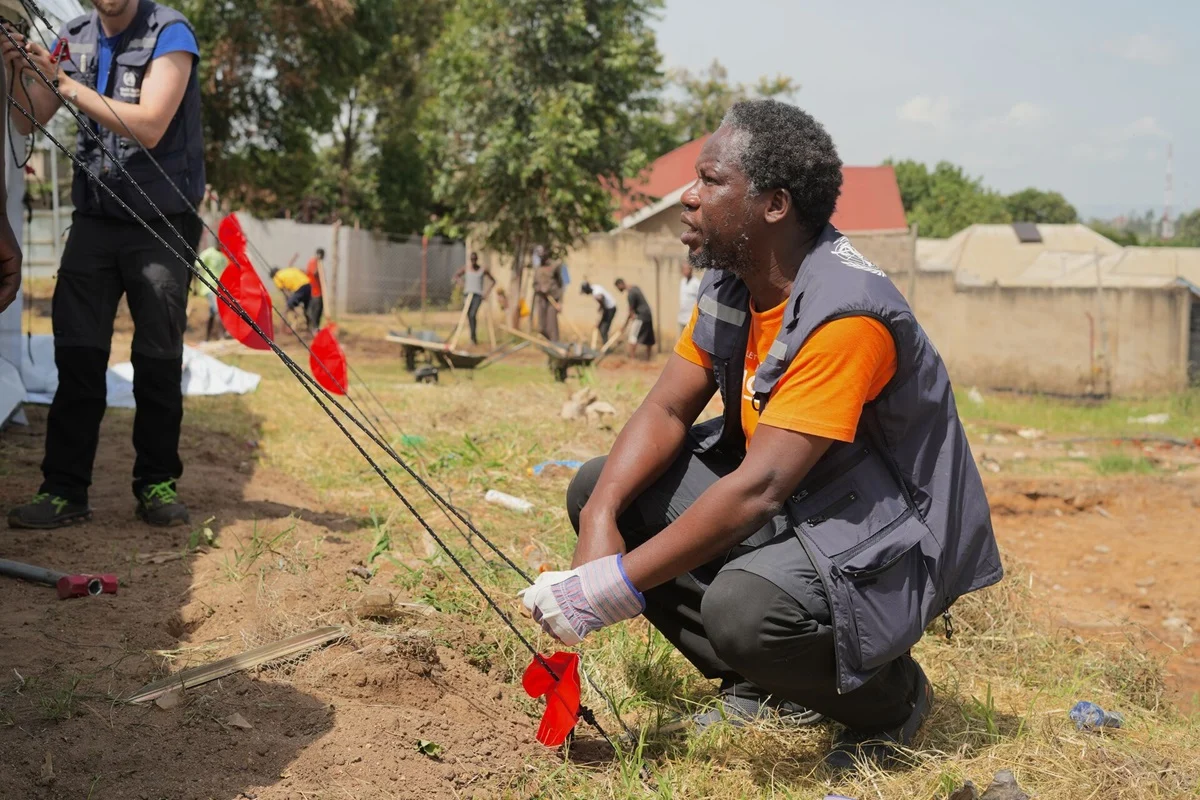
In a decisive move to address the escalating threat of Bundibugyo virus disease (BVD) in Central Africa, the World Health Organization (WHO) has convened its premier technical advisory bodies to evaluate and prioritize candidate vaccines and therapeutics. This mobilization follows reports of an active outbreak originating in the Democratic Republic of the Congo (DRC) with cross-border transmission reaching Uganda. Given that there are currently no licensed medical countermeasures specifically approved for the Bundibugyo strain of Ebola, the WHO’s expert groups have recommended a rigorous, trial-based approach to ensure that any experimental interventions are deployed safely, ethically, and in a manner that generates the high-quality data necessary for future regulatory approval.
The WHO’s response involves a multi-tiered consultation process, bringing together the R&D Blueprint technical advisory groups, the Strategic Advisory Group of Experts on Immunization (SAGE), and the Ebola vaccine working group. These entities are tasked with navigating the complex landscape of experimental medicine during a public health emergency. The central recommendation emerging from these high-level meetings is that all identified candidate products—both for prevention and treatment—should be used exclusively within the framework of clinical trials. This strategy aims to prevent the ad hoc use of unproven medicines, which can obscure clinical outcomes and potentially jeopardize patient safety.
The Nature of the Bundibugyo Virus and the Current Outbreak Context
Bundibugyo virus (BVD) is one of the six species within the genus Ebolavirus. While the Zaire ebolavirus is the most well-known due to the devastating 2014–2016 West Africa outbreak and subsequent large-scale events in the DRC, the Bundibugyo strain presents unique challenges. First identified in 2007 in the Bundibugyo District of Uganda, the virus has historically demonstrated a case fatality rate (CFR) ranging from 25% to 40%. While this is lower than the 60% to 90% CFR often associated with the Zaire strain, it remains a severe and highly fatal hemorrhagic fever.
The current epidemiological situation in the DRC and Uganda has sparked international concern due to the geographical overlap and the potential for rapid spread in regions with high population mobility. Previous outbreaks of BVD, such as the 2012 outbreak in the Orientale Province of the DRC, highlighted the difficulty of containment in remote areas with limited healthcare infrastructure. The current response seeks to apply lessons learned from those previous episodes, combining traditional public health interventions with the rapid introduction of cutting-edge scientific research.
Chronology of the WHO Response and Technical Consultations
The WHO’s activation of its R&D Blueprint marks a critical phase in the outbreak response. The R&D Blueprint is a global strategy and preparedness plan that allows the rapid activation of research and development activities during epidemics. The timeline of the current intervention began shortly after the initial cases were laboratory-confirmed in the DRC.
Upon notification of the outbreak, the WHO R&D Blueprint team immediately screened the existing pipeline of candidate vaccines and therapeutics. In the weeks that followed, a series of technical consultations were held to assess the "readiness" of these products. Parallel to this, SAGE and its Ebola vaccine working group were engaged to determine if existing licensed vaccines—such as Ervebo (indicated for Zaire ebolavirus)—could offer any cross-protection. The consensus among experts remained that because the genetic divergence between the Zaire and Bundibugyo strains is significant, strain-specific research is the only viable path forward.
By the time the advisory groups concluded their primary assessments, they had identified a shortlist of candidate products that showed promise in preclinical studies or early-phase human safety trials. The transition from laboratory assessment to field-based clinical trials is now the primary focus of the WHO and its regional partners.
Prioritizing Clinical Trials for Treatment and Prevention
The recommendation to use candidate products exclusively within clinical trials is a cornerstone of the WHO’s "science-first" approach. This policy serves two primary purposes: protecting the rights and safety of patients and ensuring that the global health community learns whether these interventions actually work.
For the treatment of active cases, the expert groups reviewed several monoclonal antibodies and antiviral compounds. While some of these have shown efficacy against other ebolaviruses, their performance against the Bundibugyo strain remains an unknown variable. For prevention, the focus is on candidate vaccines that use various platforms, including viral vectors and potentially mRNA technology.
The implementation of these trials requires a high degree of coordination between the WHO, the governments of the DRC and Uganda, and international research agencies like the ANRS Emerging Infectious Diseases. These organizations are currently working to finalize protocols that are "trial-ready," meaning they can be deployed quickly as new cases arise. This includes establishing "ring vaccination" protocols or randomized controlled trials (RCTs) that can operate effectively even in the challenging environment of an active outbreak.
Supporting Data: The Landscape of Ebola Countermeasures
To understand the urgency of the WHO’s mission, one must look at the current state of Ebola therapeutics. While the world celebrated the licensure of the Ervebo vaccine and treatments like Inmazeb and Ebanga, these are specifically designed for the Zaire strain.
Data from the 2022 Sudan ebolavirus outbreak in Uganda further underscored the "strain gap." During that outbreak, there were no ready-to-use vaccines, and the international community had to scramble to move candidates into the field. The current BVD response aims to avoid those delays. The WHO’s data-driven approach involves:
- Genomic Surveillance: Continuous sequencing of the virus to ensure that the candidate products match the circulating strain.
- Pre-clinical Efficacy: Reviewing non-human primate (NHP) data, which has historically been a strong predictor of success in human Ebola trials.
- Safety Profiles: Prioritizing candidates that have already cleared Phase I safety trials in humans, even if those trials were for different indications.
By leveraging this data, the WHO R&D Blueprint ensures that only the most viable candidates consume the limited resources available for field research.
Regional Cooperation and the Role of Africa CDC
The success of any clinical trial in a crisis zone depends on local leadership and community trust. The WHO is working in lockstep with the Africa Centres for Disease Control and Prevention (Africa CDC) to ensure a unified continental response. This partnership is vital for navigating the regulatory and ethical hurdles inherent in cross-border clinical research.
The Africa CDC has emphasized the "New Public Health Order" for Africa, which advocates for local manufacturing of diagnostics and medicines, as well as African-led research. The involvement of the DRC and Ugandan governments is not merely administrative; they are the lead authorities in determining how research is conducted within their borders. National health authorities are responsible for ethical oversight, ensuring that participants provide informed consent and that the trials provide tangible benefits to the affected communities.
Official statements from regional health ministers have echoed the WHO’s call for "accelerated access" to supplies. This includes not only the experimental drugs themselves but also the "cold chain" infrastructure required to transport and store sensitive biological products in tropical climates.
Traditional Containment: The Foundation of Outbreak Management
While the push for new vaccines and medicines is a priority, the WHO remains clear that experimental tools are not a substitute for proven public health measures. Until a vaccine is proven effective and made widely available, the primary defense against BVD remains the "tried and true" methods of epidemic control.
These methods include:
- Disease Surveillance and Rapid Testing: Identifying cases early to prevent the "silent" spread of the virus.
- Contact Tracing: Meticulously tracking every individual who may have been exposed to a confirmed case.
- Isolation and Specialized Care: Providing supportive care (rehydration, electrolyte monitoring) in Ebola Treatment Units (ETUs), which significantly improves survival rates even without specific antivirals.
- Infection Prevention and Control (IPC): Ensuring healthcare workers have the necessary Personal Protective Equipment (PPE) to prevent nosocomial transmission.
- Safe and Dignified Burials: Managing the highly infectious bodies of the deceased in a way that respects local customs while preventing further transmission.
The WHO emphasizes that community engagement is the thread that holds these strategies together. Without the trust of the local population, contact tracers cannot do their jobs, and patients may hide their symptoms, leading to further community spread.
Analysis of Broader Impact and Global Health Security
The WHO’s strategy for the Bundibugyo outbreak has implications far beyond the borders of the DRC and Uganda. It represents a standardized model for how the world responds to "Pathogen X" or other neglected tropical diseases. By insisting on clinical trials rather than compassionate use alone, the WHO is building a global repository of scientific knowledge that will shorten the response time for the next outbreak.
Furthermore, this event highlights the ongoing need for "multi-valent" Ebola vaccines—products that could protect against Zaire, Sudan, and Bundibugyo strains simultaneously. The current fragmented landscape, where a new outbreak requires a new research cycle, is a vulnerability in global health security. The investment in BVD research today is an investment in a more resilient future.
The economic impact of Ebola outbreaks is also a significant factor. Beyond the tragic loss of life, these events disrupt trade, travel, and agriculture. Rapidly containing an outbreak through a combination of science and traditional public health is the most effective way to mitigate these secondary shocks.
Looking Forward: Science as the Foundation of Health
As the WHO moves forward with its partners, the focus remains on the "Together for health. Stand with science" theme, which will be the centerpiece of World Health Day 2026. This campaign underscores the organization’s commitment to scientific rigor as the only path to sustainable health outcomes.
The effort to evaluate Bundibugyo virus countermeasures is a testament to the evolution of global emergency response. From the chaotic early days of past outbreaks to the coordinated, expert-led mobilization seen today, the goal remains the same: to promote health, keep the world safe, and serve the vulnerable. The coming months will be critical as the first clinical trial protocols are implemented on the ground, potentially marking a historic turning point in the fight against one of the world’s most challenging pathogens.
