
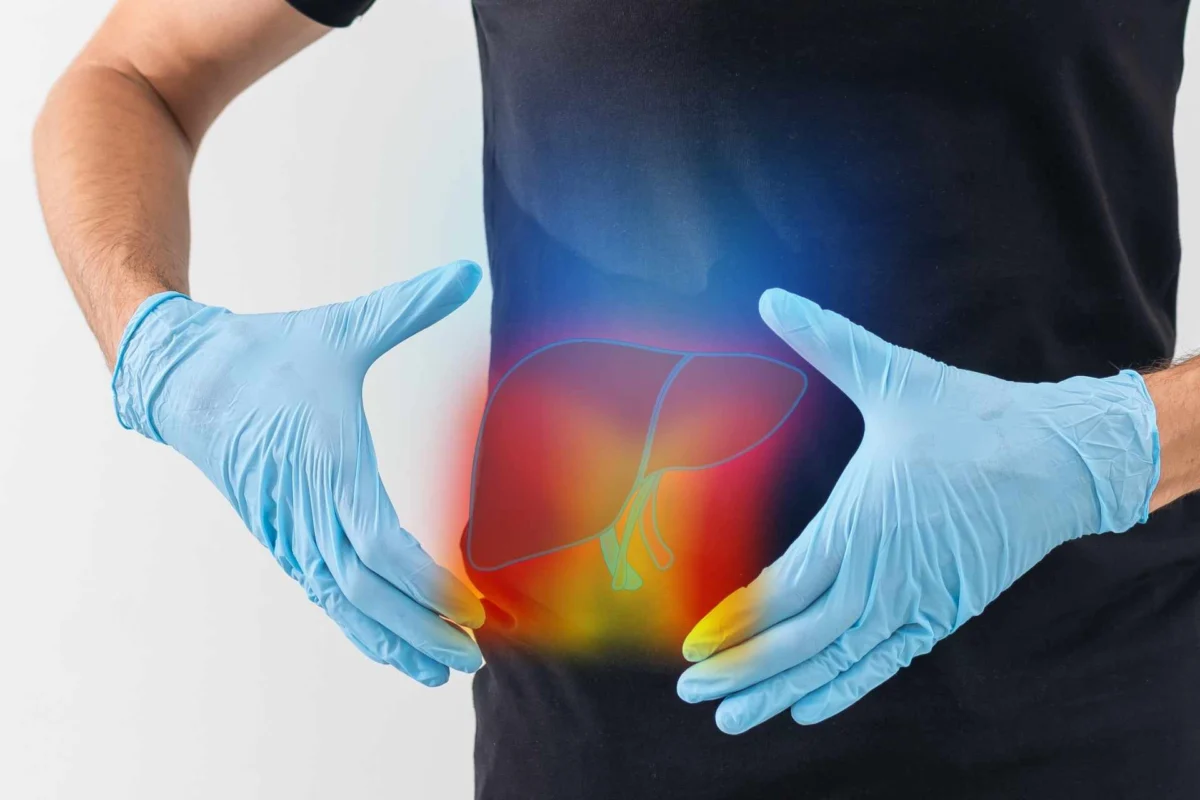
Metabolic dysfunction-associated steatohepatitis (MASH) represents one of the most significant and rapidly escalating challenges to global public health, characterized by liver inflammation and cellular damage that can lead to irreversible scarring and organ failure. Recent scientific investigations have uncovered a critical link between high sugar consumption, gut microbiota alterations, and the progression of this disease. Specifically, researchers have identified that certain gut bacteria, when exposed to high levels of dietary sugar, produce acetaldehyde—a toxic chemical typically associated with alcohol metabolism. This endogenous production of acetaldehyde triggers a cascade of inflammatory responses in the liver, primarily mediated by the protein MMP7, which accelerates the formation of scar tissue. In a breakthrough development, a specific strain of probiotic bacteria, Ligilactobacillus salivarius, has been identified and engineered to break down this toxic byproduct, offering a promising new avenue for microbiota-based therapies designed to prevent the transition from simple fatty liver to severe MASH.
The Global Burden of Metabolic Liver Disease
To understand the significance of this discovery, it is essential to examine the broader context of liver health in the 21st century. Metabolic dysfunction-associated steatotic liver disease (MASLD), formerly known as non-alcoholic fatty liver disease (NAFLD), is currently estimated to affect approximately 30% to 33% of the global population. This condition is characterized by the accumulation of excess fat in the liver of individuals who drink little to no alcohol. While MASLD itself can often be managed through lifestyle interventions, it is the precursor to the more aggressive MASH.
Statistical data indicates that roughly 16% of individuals diagnosed with MASLD will eventually progress to MASH. The transition is marked by the presence of liver cell "ballooning" and inflammation, which significantly increases the risk of developing cirrhosis, hepatocellular carcinoma (liver cancer), and the eventual need for liver transplantation. The progression from simple fat accumulation to inflammatory damage is not uniform; it is influenced by a complex interplay of genetics, sedentary lifestyles, and most notably, the Western diet, which is high in saturated fats and refined sugars, particularly fructose.
The Gut-Liver Axis: A New Frontier in Hepatology
The concept of the gut-liver axis has become central to modern hepatology. The liver receives approximately 70% of its blood supply from the portal vein, which drains directly from the gastrointestinal tract. This anatomical connection means the liver is constantly exposed to nutrients, toxins, and microbial byproducts originating in the gut.
In a healthy individual, the gut barrier remains intact, and the microbiota exists in a state of homeostasis. However, high sugar intake—prevalent in processed foods and sweetened beverages—disrupts this balance. The recent study conducted in murine models demonstrates that excessive sugar consumption alters the composition of the gut microbiome, favoring the growth of bacteria that metabolize sugar into acetaldehyde. While acetaldehyde is well-known as the primary toxic metabolite of ethanol (alcohol), its production by gut microbes in the absence of alcohol consumption provides a missing link in explaining how "non-alcoholic" fatty liver disease can mirror the damage seen in chronic alcoholism.
Uncovering the Role of Microbial Acetaldehyde and MMP7
The research team observed that in mice fed high-sugar diets, the accumulation of microbe-derived acetaldehyde in the liver acted as a potent pro-inflammatory stimulus. This chemical does not merely damage cells directly; it alters the expression of specific proteins within the liver tissue. One of the most significant findings was the identification of Matrix Metalloproteinase-7 (MMP7).
MMP7 is an enzyme involved in the breakdown of extracellular matrix components, but in the context of chronic liver stress, its overproduction is linked to pathological remodeling and the formation of fibrous scar tissue. The study found that acetaldehyde directly triggers the upregulation of MMP7. As the levels of this protein rise, the liver’s natural healing processes are overwhelmed, leading to the deposition of collagen and the eventual onset of fibrosis. This pathway highlights a specific biochemical target for therapeutic intervention: if the acetaldehyde can be neutralized before it reaches the liver, the downstream activation of MMP7 and the resulting scarring might be prevented.
Engineering a Biological Solution: Ligilactobacillus salivarius
Recognizing the destructive role of microbial acetaldehyde, researchers turned toward a probiotic solution. Ligilactobacillus salivarius (L. salivarius) is a species of lactobacillus known to inhabit the gastrointestinal tracts of humans and other animals, often associated with maintaining oral and intestinal health.
The research team identified and further engineered specific strains of L. salivarius capable of producing high levels of aldehyde dehydrogenase—an enzyme that breaks down acetaldehyde into acetate, a harmless substance that the body can use for energy. By introducing this "precision probiotic" into the gut environment, the researchers aimed to create a biological filter that intercepts acetaldehyde at its source.
In experimental trials, mice were placed on a "Western-style" diet, characterized by high fat content and water supplemented with high concentrations of fructose. One group of mice received the L. salivarius treatment, while the control group did not. The results were stark: the mice treated with the probiotic exhibited significantly lower levels of liver enzymes (markers of liver damage), reduced inflammation, and a marked decrease in the expression of MMP7. Most importantly, histological examinations showed a substantial reduction in liver scarring compared to the untreated group.
Chronology of the Research and Development
The journey to this discovery followed a rigorous scientific timeline:
- Initial Observation: Researchers noted that patients with MASH often had gut microbiome profiles that resembled those of patients with alcoholic hepatitis, despite the MASH patients consuming no alcohol.
- Metabolic Mapping: Using mouse models, the team mapped the metabolic pathways of common gut bacteria when exposed to high-fructose environments, identifying acetaldehyde as a significant byproduct.
- Protein Identification: Through transcriptomic analysis, the team identified MMP7 as the primary driver of fibrosis in response to microbial acetaldehyde exposure.
- Probiotic Screening: Scientists screened hundreds of bacterial strains to find one that was both safe for human consumption and naturally capable of metabolizing aldehydes. L. salivarius emerged as the leading candidate.
- Engineering and Testing: The strain was optimized for maximum enzymatic activity and tested in controlled trials, leading to the current findings that suggest its efficacy in preventing disease progression.
Supporting Data and Statistical Analysis
The data supporting the use of L. salivarius is compelling. In the study’s murine models, the following observations were recorded:
- Liver Fat Content: Mice treated with the probiotic showed a 25-30% reduction in hepatic steatosis (fat accumulation) compared to the high-sugar control group.
- Inflammatory Markers: Levels of Tumor Necrosis Factor-alpha (TNF-α) and Interleukin-6 (IL-6), which are key drivers of liver inflammation, were reduced by nearly 40% in the probiotic-treated group.
- Fibrosis Scores: Using the Kleiner fibrosis scale, the treated mice consistently scored lower, indicating that the progression to advanced stages of scarring was effectively halted or significantly slowed.
- Acetaldehyde Neutralization: Blood tests from the portal vein showed that the concentration of acetaldehyde reaching the liver was reduced by over 50% in the presence of L. salivarius.
Official Responses and Scientific Perspectives
While the results are currently limited to animal models, the medical community has reacted with cautious optimism. Hepatologists emphasize that while lifestyle changes—such as reducing sugar intake—remain the first line of defense, they are often difficult for patients to maintain long-term.
"The identification of a specific microbial metabolite like acetaldehyde as a driver for MASH is a game-changer," stated a leading gastroenterologist not involved in the study. "It allows us to move away from general ‘gut health’ advice and toward targeted, precision medicine. If we can supplement the gut with L. salivarius, we might be able to provide a safety net for patients who are at high risk of progression."
Other experts have pointed out that this research reinforces the need for stricter dietary guidelines regarding fructose. Because the liver processes fructose differently than glucose, it is more prone to being converted into fat and, as this study shows, providing the raw materials for microbial toxins.
Broader Implications and Future Outlook
The implications of this research extend far beyond the laboratory. If L. salivarius is proven effective in human clinical trials, it could revolutionize the treatment landscape for MASH, a disease for which there are currently very few FDA-approved pharmacological treatments.
Furthermore, this study highlights the potential for "designer probiotics." Rather than using generic supplements, the future of medicine may involve identifying specific enzymatic deficiencies in a patient’s microbiome and "filling the gap" with engineered bacteria. This approach could be applied to various metabolic disorders, including type 2 diabetes and obesity, which often co-occur with liver disease.
The economic impact is also noteworthy. With the costs of liver transplants and chronic care for cirrhosis reaching billions of dollars annually, a relatively low-cost probiotic intervention could save healthcare systems significant resources.
Conclusion: A Paradigm Shift in MASH Management
The discovery that L. salivarius can neutralize the toxic byproducts of sugar metabolism marks a paradigm shift in our understanding of metabolic liver disease. It moves the focus from the liver in isolation to the complex ecosystem of the gut-liver axis. By targeting the microbial production of acetaldehyde and the subsequent activation of the MMP7 protein, researchers have identified a clear pathway to intervene in the progression of MASH.
As the scientific community moves toward human trials, the message for the public is clear: the health of the liver is inextricably linked to the health of the gut. While the development of a microbiota-based therapy offers hope for those already suffering from liver disease, it also serves as a stark reminder of the biological consequences of high sugar consumption. The potential for L. salivarius to act as a shield against liver damage represents a significant milestone in the quest to conquer one of the modern era’s most pervasive health crises.
