
As the world navigated the profound and persistent impacts of the COVID-19 pandemic throughout 2020 and into 2021, individuals and communities faced unprecedented challenges. The health crisis, far from being solely a medical emergency, rippled through the fabric of daily life, disrupting food access, destabilizing incomes, and contributing to widespread emotional distress. In this complex landscape, the importance of maintaining a robust immune system and overall well-being has become more apparent than ever. While direct dietary interventions to prevent COVID-19 remain a subject of ongoing research, a substantial body of evidence underscores the critical role of healthy lifestyle choices in fortifying the body’s natural defenses and promoting longevity.
Research consistently highlights the transformative power of adopting foundational healthy habits. A landmark study, referenced by Harvard’s T.H. Chan School of Public Health, indicated that individuals who consistently adhere to five key lifestyle practices—consuming a healthy diet, engaging in regular physical activity, maintaining a healthy body weight, moderating alcohol consumption, and abstaining from smoking—can anticipate living more than a decade longer than their counterparts who do not. This extended lifespan, however, is not merely a matter of duration but also of quality. Further analysis revealed that adults who embrace these five principles during middle age are significantly more likely to experience a greater number of years free from chronic, debilitating diseases. These include prevalent conditions such as type 2 diabetes, cardiovascular disease, and various forms of cancer, diseases that often impose substantial burdens on individuals and healthcare systems.
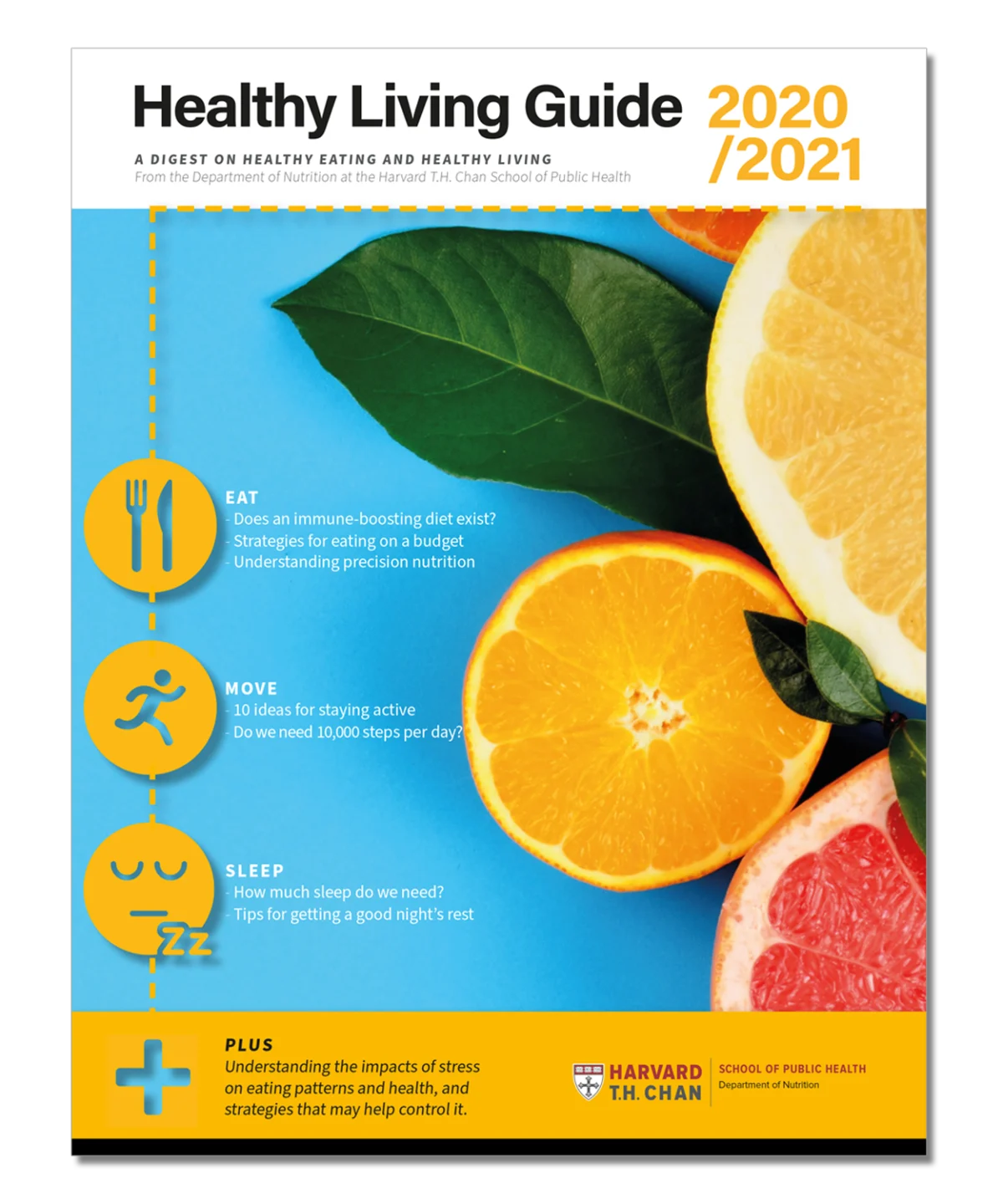
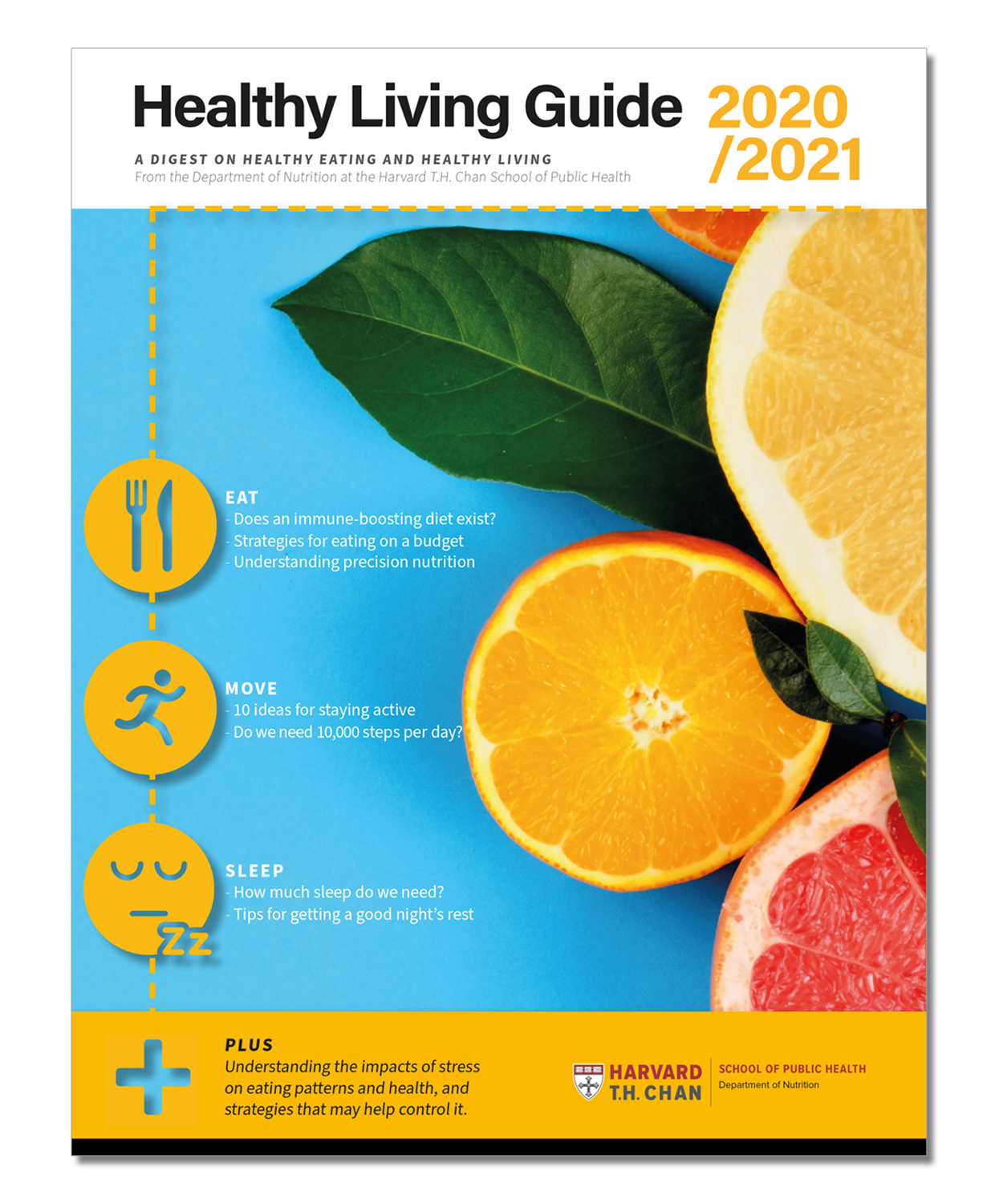
Recognizing the inherent difficulty in sustaining healthy habits, especially during times of heightened stress and uncertainty, the "Healthy Living Guide" was developed. This initiative aims to provide practical tips, actionable strategies, and accessible resources to support individuals in their pursuit of well-being. The guide, presented as a downloadable PDF and accessible through a series of linked online articles, serves as a comprehensive toolkit for navigating the complexities of healthy eating and living. It encourages individuals to embrace small, manageable changes, such as experimenting with new recipes, incorporating more physical activity into their routines, or pursuing fulfilling hobbies, with the hope that these efforts not only contribute to better health but also foster a sense of enjoyment and personal growth amidst challenging circumstances.
The initiative acknowledges that the pandemic’s effects were not uniform. For some, the disruption led to immediate food insecurity, forcing difficult choices between essential needs. For others, economic instability triggered significant stress, impacting mental and physical health. This guide, therefore, is positioned not as a prescriptive mandate, but as a supportive resource designed to empower individuals with the knowledge and tools to make informed decisions about their health, tailored to their unique circumstances.
The Foundation of Well-being: Key Lifestyle Pillars
The scientific consensus is clear: a holistic approach to health, encompassing nutrition, exercise, weight management, and the avoidance of harmful substances, forms the bedrock of a long and healthy life. This perspective is not new, but its urgency has been amplified by recent global health events.
1. Healthy Eating: Fueling the Body and Mind
A balanced and nutrient-rich diet is fundamental to supporting all bodily functions, including a robust immune system. This involves prioritizing whole foods such as fruits, vegetables, lean proteins, and whole grains, while limiting processed foods, excessive sugars, and unhealthy fats. The microbiome, the complex ecosystem of microorganisms residing in the gut, plays a pivotal role in immunity and overall health, and is significantly influenced by dietary choices. Research published in journals like Nature has demonstrated a strong correlation between dietary diversity and a healthy, resilient gut microbiome. For instance, a diet rich in fiber from plant-based foods promotes the growth of beneficial bacteria, which can help regulate inflammation and bolster immune responses. Conversely, diets high in processed foods and saturated fats have been linked to dysbiosis, an imbalance in gut bacteria, which can contribute to increased susceptibility to infections and chronic diseases.
The COVID-19 pandemic highlighted existing vulnerabilities in food systems, exacerbating issues of access and affordability for many. This has underscored the need for resilient and equitable food environments. Public health initiatives have increasingly focused on promoting food literacy, encouraging home gardening, and supporting local food networks to improve access to nutritious options. The "Healthy Living Guide" offers practical advice on meal planning, smart grocery shopping, and simple recipe ideas to make healthy eating more attainable, even under constraints.
2. Regular Physical Activity: More Than Just Exercise
The benefits of regular physical activity extend far beyond cardiovascular health. Exercise plays a crucial role in immune function, helping to reduce inflammation and promote the circulation of immune cells throughout the body. Studies, including those published in the Journal of Sport and Health Science, have shown that moderate-intensity exercise can enhance immune surveillance, allowing the body to detect and respond more effectively to pathogens. Furthermore, physical activity is a potent stress reliever, a critical factor in maintaining immune resilience, as chronic stress can suppress immune function.
The pandemic led to widespread closures of gyms and recreational facilities, prompting a shift towards home-based and outdoor exercise. This period saw a surge in popularity for online fitness classes, virtual challenges, and increased utilization of parks and public spaces for physical activity. The guide encourages individuals to find activities they enjoy, whether it’s brisk walking, cycling, dancing, or yoga, and to integrate them consistently into their weekly routines. The emphasis is on making movement a sustainable habit, rather than a chore.
3. Maintaining a Healthy Body Weight: A Balancing Act
A healthy body weight is intrinsically linked to overall health and the prevention of chronic diseases. Excess body fat, particularly visceral fat surrounding internal organs, is associated with chronic inflammation and impaired immune function, increasing the risk of complications from infections, including COVID-19. Research from institutions like the Centers for Disease Control and Prevention (CDC) has consistently demonstrated a correlation between obesity and increased severity of illness and mortality from respiratory infections.
Achieving and maintaining a healthy weight is a complex interplay of diet, physical activity, and metabolic factors. It requires a balanced approach that avoids extreme dieting and focuses on sustainable lifestyle changes. The guide advocates for mindful eating practices, portion control, and regular physical activity as key strategies for weight management. It also acknowledges the psychological aspects of weight management, encouraging self-compassion and a focus on progress rather than perfection.
4. Moderating Alcohol Consumption: A Measure of Health
Excessive alcohol consumption can significantly weaken the immune system, making individuals more vulnerable to infections. Alcohol interferes with the function of various immune cells, including white blood cells, and can impair the body’s ability to fight off pathogens. Chronic heavy drinking also increases the risk of liver damage, cardiovascular disease, and certain cancers. Public health recommendations generally advise moderation, with guidelines often specifying limits for daily and weekly intake.
The pandemic’s isolation and stress may have led some individuals to increase their alcohol consumption. Public health bodies have responded by raising awareness about the risks of excessive drinking and promoting resources for support. The "Healthy Living Guide" reinforces the importance of moderation, suggesting non-alcoholic beverage alternatives and strategies for managing cravings and reducing intake.
5. Abstaining from Smoking: A Clear Path to Better Health
Smoking is one of the most significant preventable causes of disease and premature death worldwide. Beyond its well-established links to lung cancer, heart disease, and respiratory illnesses, smoking profoundly compromises the immune system. The toxic chemicals in tobacco smoke damage lung tissue, impair the function of immune cells, and increase susceptibility to respiratory infections. Individuals who smoke are at higher risk of severe illness and complications from infections like influenza and COVID-19.
Quitting smoking, regardless of age, yields immediate and long-term health benefits, including a significant strengthening of the immune system. Public health campaigns and resources dedicated to smoking cessation have been instrumental in helping individuals break free from addiction. The guide reiterates the critical importance of quitting smoking as a cornerstone of a healthy lifestyle, emphasizing that it is never too late to quit and that support is available.
A Timeline of Health Awareness and Adaptation
The journey towards a healthier lifestyle is often a continuous process, marked by evolving knowledge and personal adaptation. The COVID-19 pandemic served as a significant inflection point, accelerating existing trends and highlighting new priorities in public health.
- Pre-Pandemic Era: Decades of research had already established the strong link between healthy lifestyle habits and longevity, as evidenced by numerous studies from institutions like the Harvard T.H. Chan School of Public Health. Public health campaigns focused on educating the population about the benefits of balanced diets, regular exercise, and the risks of smoking and excessive alcohol. However, adherence remained a challenge for many, influenced by socioeconomic factors, access to resources, and ingrained habits.
- Early 2020: The emergence of COVID-19 shifted the global focus to immediate health concerns. Initial public health messaging emphasized hygiene, social distancing, and mask-wearing. The connection between underlying health conditions and severe COVID-19 outcomes began to emerge, indirectly highlighting the importance of pre-existing healthy habits.
- Mid-2020 – Early 2021: As the pandemic persisted, the profound impact on daily life became undeniable. Disruptions to food supply chains, increased stress levels, and altered routines challenged individuals’ ability to maintain healthy lifestyles. Simultaneously, there was a surge in interest in home-based fitness, mindful eating, and mental well-being. This period saw a greater appreciation for the role of a strong immune system and the foundational importance of healthy living. Initiatives like the "Healthy Living Guide" were developed in direct response to these evolving needs, aiming to provide accessible and practical support.
- Ongoing Adaptation: The long-term implications of the pandemic are still unfolding. However, the heightened awareness of health and well-being is likely to persist. The "Healthy Living Guide," with its downloadable resources and links to comprehensive articles, represents an effort to provide sustained support for individuals seeking to make lasting changes. The integration of tools like the "Healthy Living Bingo Challenge," a gamified approach to encouraging habit formation, exemplifies innovative strategies to promote engagement and adherence.
Supporting Data and Scientific Validation
The recommendations embedded within the "Healthy Living Guide" are not arbitrary but are grounded in extensive scientific research.
- Longevity Studies: As previously mentioned, research has quantified the life-extending benefits of healthy habits. Studies have indicated that individuals adhering to these five pillars can live, on average, 10-14 years longer than those who do not. For instance, a 2018 study published in the BMJ analyzed data from over 120,000 participants and found that adopting a healthy lifestyle was associated with a significantly lower risk of all-cause mortality.
- Chronic Disease Prevention: The impact of healthy habits on reducing the burden of chronic diseases is substantial. Data from the World Health Organization (WHO) estimates that at least 80% of premature heart disease, stroke, and type 2 diabetes could be prevented through a healthy diet, regular physical activity, and avoidance of tobacco and harmful use of alcohol. Similarly, lifestyle factors are implicated in a significant proportion of cancer cases.
- Immune System Function: The scientific literature provides robust evidence for the immune-boosting effects of healthy living. Research in immunology journals consistently demonstrates that well-nourished individuals with regular physical activity have more effective immune responses. For example, studies on exercise immunology have shown that moderate exercise can increase the number and activity of natural killer cells and T-cells, crucial components of the immune system. Conversely, nutritional deficiencies and chronic stress are known to suppress immune function.
- Mental Health Benefits: Beyond physical health, healthy lifestyle choices have profound positive impacts on mental well-being. Regular exercise is a well-established mood enhancer, often recommended as a complementary treatment for depression and anxiety. A balanced diet rich in omega-3 fatty acids and antioxidants has also been linked to improved cognitive function and a reduced risk of mental health disorders.
Broader Impact and Implications
The emphasis on healthy eating and healthy living, particularly amplified during the COVID-19 pandemic, carries significant implications for individuals, communities, and public health systems.
- Individual Empowerment: By providing accessible information and practical tools, initiatives like the "Healthy Living Guide" empower individuals to take greater control of their health. This fosters a sense of agency and can lead to improved self-efficacy in managing well-being.
- Reduced Healthcare Burden: A population that embraces healthy lifestyle habits is likely to experience lower rates of chronic diseases. This translates into a reduced demand for healthcare services, lower healthcare costs, and a more productive workforce. The economic impact of chronic diseases on national economies is immense, and preventative measures are widely recognized as a cost-effective strategy.
- Resilience in Health Crises: As demonstrated by the pandemic, individuals with stronger immune systems and fewer underlying health conditions are better equipped to withstand health crises. This enhances individual resilience and, by extension, societal resilience in the face of future public health emergencies.
- Addressing Health Disparities: While the guide offers general advice, its broader implications extend to addressing health disparities. By making information accessible and encouraging practical, often low-cost, lifestyle changes, such initiatives can play a role in mitigating health inequities, although systemic factors such as socioeconomic status and access to healthy food remain critical determinants of health outcomes.
- Long-Term Public Health Strategy: The sustained focus on healthy eating and living signals a shift towards a more proactive and preventative approach in public health. This aligns with global efforts to achieve sustainable development goals related to health and well-being.
The "Healthy Living Guide," therefore, represents more than just a collection of tips; it is a testament to the enduring importance of fundamental health principles, especially in times of global challenge. By providing a roadmap for healthier choices, it aims to equip individuals with the knowledge and motivation to not only survive but thrive, building a foundation for a longer, healthier, and more fulfilling life. The inclusion of downloadable resources like the bingo challenge further underscores a commitment to making health promotion engaging and accessible, fostering a culture of proactive well-being for individuals and communities alike.
