
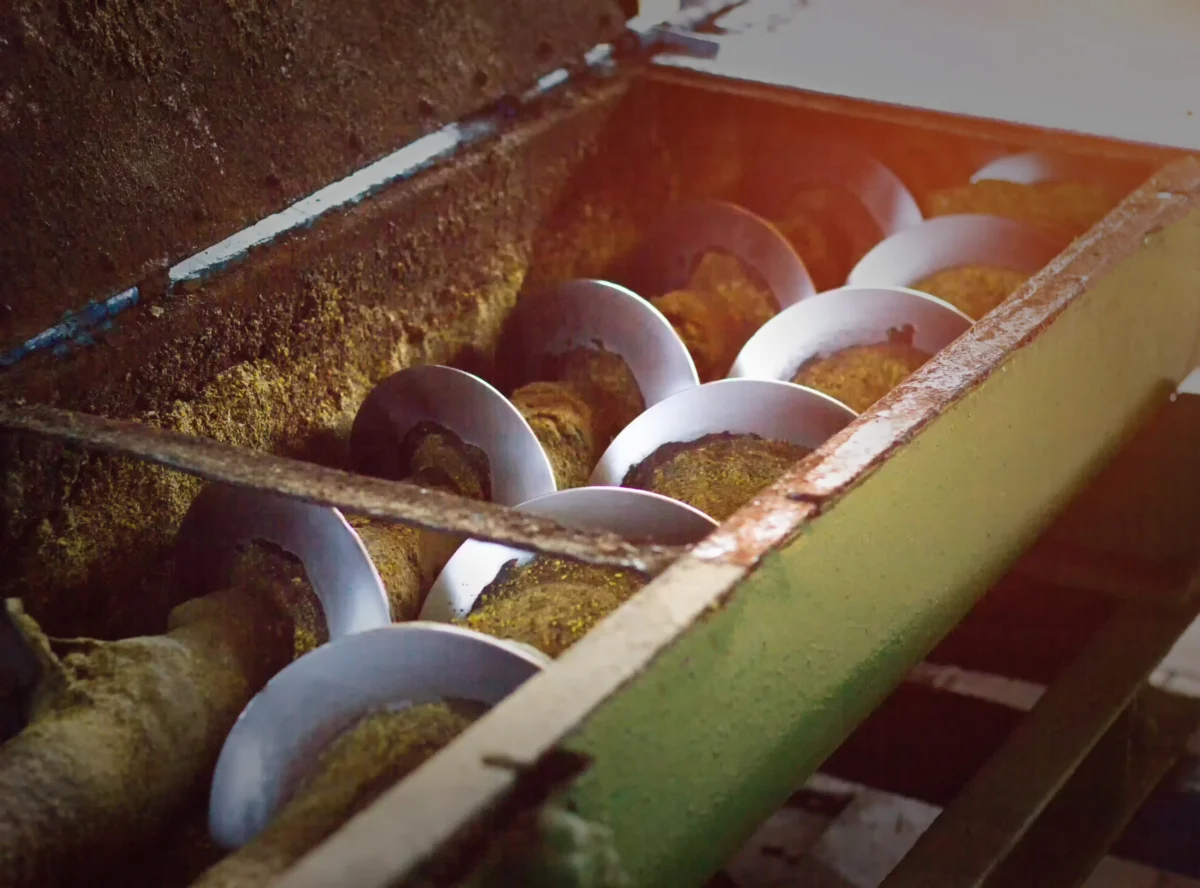
Scientists at the University of Copenhagen, with crucial backing from the Novo Nordisk Foundation, have achieved a significant breakthrough in unlocking the potential of rapeseed oil press cake. This underutilized byproduct of the oil industry, rich in valuable proteins, is now being explored as a sustainable source for developing next-generation meat and dairy alternatives. The research, part of the ambitious €8.17 million Seedfood project, aims to address the ever-growing global demand for protein in a manner that is both environmentally conscious and economically viable.
The core of this innovation lies in the successful extraction and modification of napin, one of the primary storage proteins found in rapeseed. Researchers have devised a method to transform napin into a versatile ingredient capable of forming yoghurt-like gels. This development opens up a promising avenue for a protein-rich byproduct that has historically been relegated to animal feed, thereby diverting it towards human consumption and contributing to a more sustainable food system. The Novo Nordisk Foundation, renowned for its significant contributions to healthcare through its pharmaceutical arm, is strategically investing in this future-oriented food science initiative.
Unlocking the Protein Power of Rapeseed Press Cakes
Rapeseed, also known as canola, stands as the second most significant oilseed crop globally, trailing only soybeans. Its cultivation spans across vast regions, with the European Union emerging as the leading producer, harvesting an impressive annual yield of approximately 17 megatonnes. The vast majority of this crop, close to 80%, is processed for its oil. This intensive processing generates a substantial quantity of rapeseed press cake, a nutrient-dense residue that, until now, has predominantly served as animal feed. However, this byproduct boasts a favorable essential amino acid profile, making it an attractive candidate for higher-value applications. Rapeseed proteins are primarily composed of two major storage proteins: cruciferin, which constitutes around 60% of the mature protein content, and napin, making up approximately 20%.
The groundbreaking work at the University of Copenhagen’s Department of Food Science has specifically focused on napin. The research team successfully developed a novel enzymatic process to modify the protein’s structure. By strategically replacing one amino acid with another, they were able to alter napin’s charge. This subtle yet crucial modification enables the protein to form stable gels under acidic conditions, a property that significantly enhances its utility as a food ingredient.
Shivani Karalia, the lead author of the study, explained the scientific rationale behind their approach. "Napin is a really interesting protein with good nutritional value, but its use for food is often challenged by its properties," she stated. "This protein is highly rich in the amino acid, glutamine, so we converted the glutamines to glutamates." This targeted enzymatic conversion fundamentally alters the protein’s behavior. "An impactful outcome was that napin, which is known for its poor gelation properties, can now form a gel at food-relevant pH values. For sure, this is incredibly fascinating to see how tailoring the proteins can help in developing the future of food."
The implications of this achievement are far-reaching. The ability of modified napin to form gels at typical food pH levels significantly expands its potential as a functional ingredient in a wide array of plant-based food products. This includes the development of more texturally appealing plant-based meats and the creation of dairy-free yogurts that mimic the desirable consistency of their traditional counterparts. By transforming rapeseed cake from animal feed into a valuable human food ingredient, this project is poised to accelerate the global protein transition, a critical shift needed to build a more sustainable and resilient food system.
The Seedfood Project: A Deep Dive into Rapeseed’s Protein Potential
The Seedfood project, initiated in 2022, is a comprehensive five-year initiative funded by a substantial grant from the Novo Nordisk Foundation’s Challenge Programme. The project is built upon a bold thesis: the conversion of global rapeseed cake production into protein isolates could potentially satisfy the protein requirements of an estimated 700 million people. This ambitious undertaking is exploring multiple facets of rapeseed protein utilization, aiming to overcome existing limitations and unlock its full potential for human consumption.
The project’s objectives are multifaceted. A primary goal is to effectively remove antinutrients from rapeseed protein, which can hinder digestibility and palatability. Concurrently, the research focuses on developing food-grade protein modifications that exhibit improved functionality and enhanced palatability. Furthermore, the Seedfood project is delving into the complex interactions between plant proteins and other food molecules to precisely tailor the required functional properties for diverse food applications.
The research efforts are structured around four key thematic areas, showcasing a collaborative and interdisciplinary approach. The University of Denmark leads the initial two themes. The first focuses on employing gentle extraction technologies to produce native napin and cruciferin isolates. These isolates are characterized by reduced levels of unpalatable and antinutritional compounds, making them more suitable for direct human consumption. The second theme leverages advanced techniques, including enzymatic modification and the application of UV light, to alter rapeseed protein structures. These modifications aim to enhance key physical properties, such as solubility, thereby improving their overall functionality in food formulations.
A parallel stream of research, spearheaded by the Technical University of Denmark (DTU), is dedicated to a thorough investigation of the structural properties, stability, solubility, and molecular interactions of the two native rapeseed proteins. This in-depth analysis is crucial for understanding how these proteins behave in different food matrices and for designing them to achieve desired functionalities and enhance their appeal for various food applications.
The final thematic area, led by the University of Le Mans, concentrates on the development of functional protein building blocks. This involves exploring how native and modified rapeseed protein isolates contribute to the creation of complex food structures, such as gels, emulsions, and highly stable colloidal protein-rich solutions. A critical aspect of this research is also understanding how these proteins influence flavor profiles, particularly bitterness, and developing strategies to enhance palatability.
Protein Diversification: A Key to Achieving Climate Goals
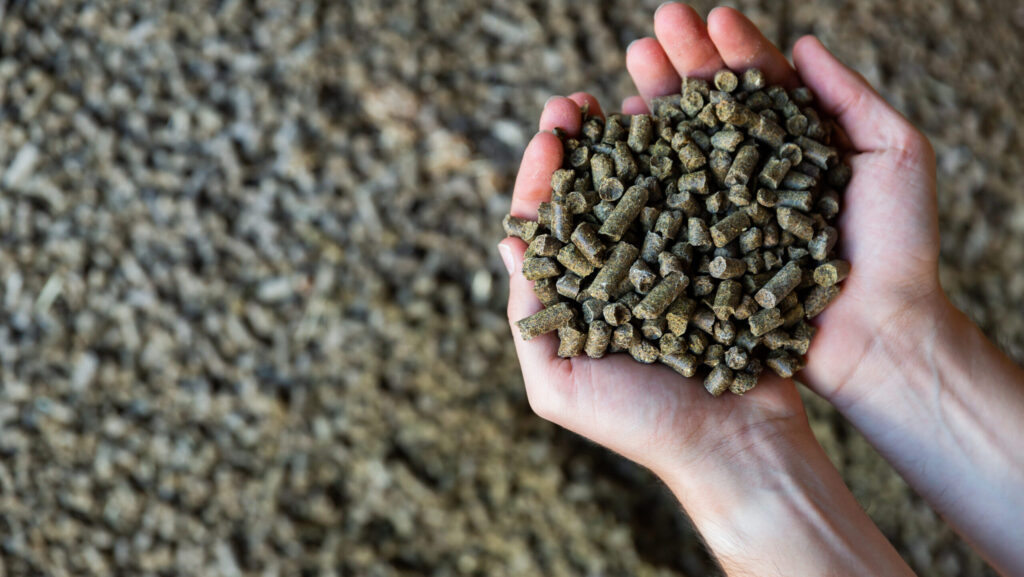
The commercialization of rapeseed cake as a food ingredient is already gaining traction. Danish startup Ferm Food, for instance, received novel food approval last year to market innovations derived from rapeseed cake. These ingredients are being incorporated into a variety of plant-based products, including bread, pâtés, sausages, and other processed foods. This existing market entry demonstrates the tangible progress being made in transforming rapeseed byproducts into commercially viable food options.
Marianne Nissen Lund, a senior author on the new study, acknowledged the long-term nature of this research. "We’re not bringing a product to the market tomorrow. This is fundamental research," she stated. "But it’s an important step towards making plant-based proteins that are sustainable, functional and appealing, and in different products." This statement underscores the foundational nature of the current work while highlighting its potential to shape the future of the food industry.
The University of Denmark’s latest breakthrough arrives at a critical juncture, amidst mounting calls for protein diversification within the European Union. The environmental impact of animal agriculture is a significant concern, with livestock farming accounting for an estimated 81-86% of food-related greenhouse gas emissions in the EU, despite providing only 32% of calories and 64% of protein intake. This stark imbalance highlights the urgent need for alternative protein sources.
In response to these pressing environmental challenges, the EU’s scientific advisory board has urged policymakers to actively promote a transition from meat-heavy diets to plant-rich eating patterns. Such a shift is deemed essential for achieving the EU’s ambitious climate goals. The board has also advocated for measures such as a tax on farm pollution and the elimination of subsidies that perpetuate planet-harming livestock agriculture. Reflecting this growing awareness, the European Commission made a commitment last year to develop a dedicated protein diversification strategy, signaling a significant policy shift towards sustainable food systems.

Denmark has emerged as a leader in this transition. The country has actively promoted meat reduction in favor of plant-based diets within its updated dietary guidelines. Furthermore, it has established a substantial $96 million fund specifically to advance the plant-based sector. Denmark was also the first country globally to implement a national action plan dedicated to promoting plant-based foods. In a landmark move, the Danish parliament passed a Green Deal that introduced the world’s first carbon tax on meat and dairy farming, while simultaneously allocating an additional $60 million to its plant-based fund.
The Novo Nordisk Foundation’s commitment to fostering innovation in the food sector extends beyond the Seedfood project. The foundation has been a significant investor in the future of food, co-funding the Acetate Consortium with the Gates Foundation, a joint initiative totaling nearly $55 million. Additionally, it has established the Novo Nordisk Foundation Biotechnology Research Institute for the Green Transition at DTU. This institute is collaborating with industry leaders such as Novonesis and LanzaTech on separate projects aimed at converting waste carbon into high-value products, further demonstrating a broad commitment to sustainable innovation across various sectors. These concerted efforts underscore a growing recognition of the critical role that scientific advancement and strategic investment play in building a more sustainable and protein-secure future.
