
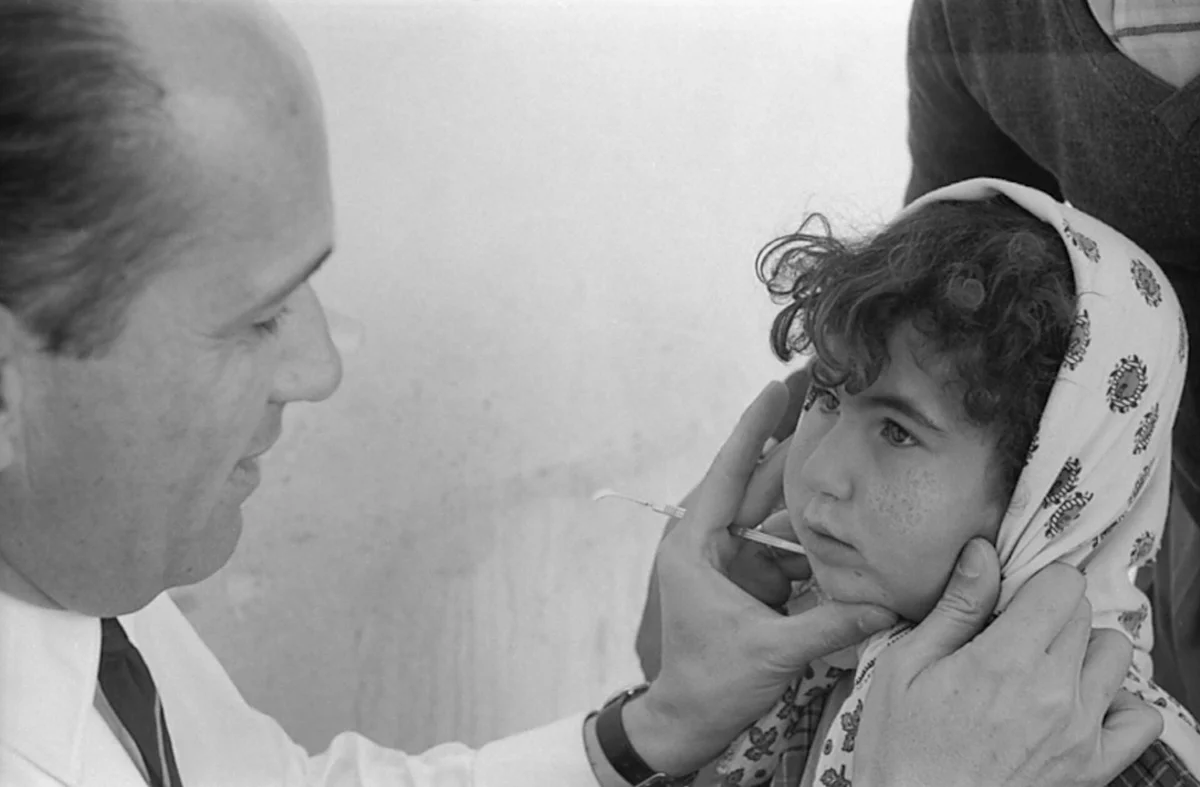
Tunisia has officially been recognized by the World Health Organization (WHO) for eliminating trachoma as a public health problem, marking the culmination of a multi-generational struggle against the leading infectious cause of blindness worldwide. This validation represents a monumental achievement for the North African nation, which once saw nearly half of its population suffering from the debilitating eye disease. The announcement, confirmed by the WHO in late 2024, positions Tunisia as the 31st country globally and the 14th in the WHO Eastern Mediterranean Region to reach this specific milestone in the fight against neglected tropical diseases (NTDs).
The validation is not merely a symbolic gesture but a rigorous certification of Tunisia’s public health infrastructure and its ability to maintain disease prevalence below critical thresholds. According to WHO standards, elimination as a public health problem is defined by specific clinical metrics: a prevalence of trachomatous trichiasis (the advanced, blinding stage of the disease) of less than 0.2% in adults aged 15 and older, and a prevalence of trachomatous inflammation-follicular in children aged 1 to 9 of less than 5% in every formerly endemic district. Tunisia’s success in meeting and sustaining these targets follows decades of targeted interventions, social development, and international cooperation.
The Biological and Social Architecture of Trachoma
Trachoma is an ancient disease caused by the bacterium Chlamydia trachomatis. It is transmitted through direct contact with eye or nose discharges from infected individuals, as well as through contaminated towels or clothing. In many endemic regions, the disease is also spread by eye-seeking flies, particularly Musca sorbens, which breed in areas with poor sanitation and human waste management.
The disease progression is particularly cruel. It begins as a simple bacterial conjunctivitis, often in early childhood. However, repeated infections over years lead to severe scarring on the inside of the eyelid. This scarring eventually causes the eyelid to turn inward, a condition known as trichiasis. In this state, the eyelashes rub against the eyeball (the cornea), causing intense pain, permanent scarring, and eventually irreversible blindness. Because the disease is closely linked to lack of water and sanitation, it disproportionately affects the most impoverished and marginalized communities, trapping families in a cycle of disability and poverty.
A Historical Struggle: Tunisia’s Mid-Century Crisis
In the early to mid-20th century, Tunisia faced a public health crisis of staggering proportions. Historical data indicates that trachoma was endemic across the country, with infection rates exceeding 50% in the general population. The burden was particularly acute in the southern governorates, where the arid climate, limited water resources, and socio-economic challenges created an ideal environment for the bacterium to thrive.
During this era, blindness was a common sight in Tunisian villages, impacting the workforce and placing an immense strain on family units. Following the country’s independence in 1956, the Tunisian government identified eye health as a national priority. The burgeoning Ministry of Health recognized that treating the infection alone would not suffice; a systemic overhaul of the nation’s hygiene, education, and primary care sectors was required. This realization set the stage for one of the most successful long-term public health campaigns in the region’s history.
The SAFE Strategy: A Blueprint for Eradication
Tunisia’s victory over trachoma is attributed to the disciplined and scaled-up implementation of the WHO-recommended SAFE strategy. This four-pronged approach addresses both the immediate medical needs of the infected and the underlying environmental factors that facilitate transmission.
Surgery for Advanced Cases
The first pillar of the strategy focused on the "backlog" of patients suffering from trichiasis. Tunisia deployed mobile surgical teams and trained ophthalmic nurses and surgeons to perform lid rotation surgeries even in remote rural areas. By correcting the inward-turning eyelids, health officials were able to prevent immediate blindness in thousands of citizens, preserving their sight and quality of life.
Antibiotics to Clear Infection
Mass drug administration (MDA) played a critical role in breaking the chain of transmission. Tunisia utilized antibiotics—specifically tetracycline eye ointment in the early years and later oral azithromycin—to treat active infections. These campaigns were often conducted at the school and community levels, ensuring that asymptomatic carriers were treated alongside those showing clinical signs of the disease.
Facial Cleanliness to Reduce Spread
Recognizing that transmission is fueled by the presence of discharge on the faces of children, Tunisia launched extensive public health education campaigns. These programs, integrated into the national school curriculum and community centers, emphasized the importance of regular face-washing. By reducing the "fly-load" on children’s faces, the country significantly lowered the rate of re-infection.
Environmental Improvement
Perhaps the most sustainable element of Tunisia’s success was its investment in infrastructure. The government prioritized the expansion of access to clean water and the improvement of sanitation facilities (WASH). As water became more readily available in the southern regions, hygiene practices improved naturally, and the breeding grounds for disease-carrying flies were diminished.
Institutional Commitment and Official Responses
The validation has drawn praise from the highest levels of global health leadership. Dr. Tedros Adhanom Ghebreyesus, WHO Director-General, characterized the achievement as "historic," noting that it demonstrates the power of long-term political commitment and strong primary healthcare. "Tunisia has proven that even the world’s leading infectious cause of blindness can be overcome," Dr. Tedros stated, emphasizing that the victory belongs to the generations of health workers who remained focused on the goal.
Dr. Hanan Balkhy, WHO Regional Director for the Eastern Mediterranean, highlighted the consistency of Tunisia’s efforts. She noted that the achievement reflects what is possible when a country remains focused on addressing preventable causes of blindness despite shifting global health priorities.
From the national perspective, Dr. Mustapha Ferjani, Tunisia’s Minister of Health, framed the validation as a testament to the country’s dedication to health equity. He noted that the milestone was the result of "coordinated national efforts, with the dedication of generations of health-care professionals and local communities." He further emphasized that the government remains committed to sustaining these gains and ensuring that trachoma never returns as a public health threat.
Economic Impact and the Alleviation of Poverty
The elimination of trachoma carries profound economic implications for Tunisia. Blindness and visual impairment are not just health issues; they are economic burdens. According to global health economists, the productivity loss associated with trachoma-related blindness and visual impairment costs the global economy billions of dollars annually.
By eliminating the disease, Tunisia has effectively removed a significant barrier to education and employment for its rural populations. Children who are no longer plagued by repeated eye infections can attend school more regularly and perform better academically. Adults who are spared from trichiasis remain active members of the workforce, contributing to the agricultural and local economies of the southern regions. The "return on investment" for the SAFE strategy is thus measured not just in health outcomes, but in the long-term socio-economic resilience of the nation.
Regional Leadership and Global Context
Tunisia’s success serves as a beacon for other nations still grappling with the disease. Within the WHO Eastern Mediterranean Region, Tunisia joins a prestigious list of countries, including Morocco, Oman, Saudi Arabia, and Egypt, that have successfully tackled trachoma. This regional momentum is vital for the WHO Alliance for the Global Elimination of Trachoma by 2030 (GET2020/2030), which seeks to replicate these successes in the remaining endemic countries across Africa and Asia.
The validation also contributes to the broader goals of the 2021–2030 Roadmap for Neglected Tropical Diseases. This roadmap aims to reduce the number of people requiring interventions for NTDs by 90% and to eliminate at least one NTD in 100 countries by the end of the decade. Tunisia’s achievement provides a concrete case study in how to integrate NTD programs into the general health system, ensuring that specialized care reaches the "last mile" of the population.
Sustaining the Victory: Post-Validation Surveillance
While the validation is a cause for celebration, the WHO and the Tunisian Ministry of Health have emphasized that "elimination" does not mean "eradication." The bacterium remains present in the global environment, and the risk of re-introduction persists.
To protect its status, Tunisia has established a robust post-validation surveillance system. This system includes:
- Ongoing Case Management: Ensuring that any new cases of trichiasis that arise—potentially from infections contracted years ago—are identified and treated promptly by the surgical system.
- Training of Health Professionals: Continued education for primary care physicians and nurses to recognize the signs of trachoma, ensuring that the disease does not "fade from memory" and go undiagnosed.
- Community Monitoring: Maintaining the high standards of water and sanitation infrastructure that were instrumental in reducing transmission in the first place.
Dr. Ahmed Zouiten, the Acting WHO Representative in Tunisia, noted that this milestone stands as a demonstration of how science and evidence-based programming can overcome neglected diseases. He reiterated that the WHO would continue to provide technical support to ensure that the surveillance systems remain vigilant.
A Legacy of Health Equity
The story of trachoma in Tunisia is a story of national transformation. It began with a country where half the population lived in fear of a "silent thief of sight" and ended with a modern healthcare system capable of eradicating an ancient scourge. This journey underscores the importance of the Sustainable Development Goals (SDGs), particularly Goal 3 (Good Health and Well-being) and Goal 6 (Clean Water and Sanitation).
As Tunisia moves forward, the elimination of trachoma will be remembered as the first neglected tropical disease to be officially conquered in the country. It sets a high bar for future public health initiatives, proving that with political will, community engagement, and scientific rigor, even the most entrenched health challenges can be defeated. The lessons learned in the dusty villages of southern Tunisia decades ago now serve as a global blueprint for a world free of preventable blindness.
