
The global health landscape, profoundly reshaped by recent pandemics, has spurred a significant public interest in proactive strategies for mitigating illness, particularly those transmitted through airborne routes. Beyond traditional vaccination efforts, a growing body of scientific understanding and practical tools are empowering individuals to reduce their exposure to pathogens and maintain better health. This article explores an evidence-based approach to minimizing infection risk, drawing on insights from environmental science, public health research, and practical applications.
Understanding Airborne Pathogen Transmission
A fundamental shift in epidemiological understanding occurred during the early 2020s, challenging long-held assumptions about how respiratory viruses primarily spread. Initially, public health guidance heavily emphasized droplet transmission, suggesting that pathogens were primarily spread through larger respiratory droplets that quickly fall to surfaces, necessitating measures like handwashing, surface disinfection, and maintaining a two-meter (six-foot) distance. However, rigorous scientific investigation, particularly by a dedicated cohort of environmental engineers and aerosol scientists, thoroughly debunked the predominance of droplet transmission for many common respiratory illnesses, including SARS-CoV-2.
By early 2021, a consensus began to emerge that airborne transmission, involving much smaller aerosol particles that can remain suspended in the air for extended periods and travel significant distances, was the primary mode of spread for COVID-19 and numerous other respiratory diseases like influenza, tuberculosis, and the common cold. This revelation had profound implications for public health interventions, rendering many early pandemic control measures, such as plexiglass barriers, cloth masks, and extensive surface wiping, largely ineffective against airborne pathogens, though they retain utility for other types of germ transmission. The prevailing analogy now posits that airborne germs behave much like smoke, dispersing throughout an enclosed space and indicating that the critical focus for prevention must be on breathing less of other people’s exhaled air.
Revisiting Immunity and Infection
A common misconception, often perpetuated through folk wisdom, is that "getting sick builds your immune system." While exposure to various environmental microbes is indeed beneficial for developing a robust immune system (a concept explored by the hygiene hypothesis), the pathogens that cause acute illness, such as viruses and bacteria responsible for colds, flu, or COVID-19, are not the beneficial microbes contributing to immunity development. On the contrary, evidence suggests that serious infections, particularly COVID-19, can temporarily impair or dysregulate the immune system, potentially making individuals more susceptible to subsequent infections. This debunks the notion of "immunity debt" and underscores the importance of avoiding illness rather than passively accepting it as a necessary evil.
Furthermore, the variability of symptoms across different viral variants and individual physiologies means that self-diagnosis is often unreliable. What might be dismissed as a "common cold" or "just feeling off" could, in fact, be a more serious infection, including COVID-19, often with minimal or atypical symptoms. The accuracy of rapid diagnostic tests also depends heavily on correct sampling techniques, further complicating self-assessment.
Ventilation Assessment: The Role of CO2 Monitors
Given the primacy of airborne transmission, quantifying and improving indoor air quality becomes paramount. Portable carbon dioxide (CO2) monitors have emerged as a practical and accessible tool for assessing ventilation effectiveness. CO2 is a metabolic byproduct exhaled by humans; therefore, higher concentrations of CO2 in an indoor environment serve as a reliable proxy for the accumulation of exhaled air, and consequently, the potential concentration of airborne pathogens.
Outdoor CO2 levels typically hover around 400-450 parts per million (ppm). In well-ventilated indoor spaces, levels should ideally remain below 800 ppm, indicating a good exchange of fresh air. Levels between 800-1000 ppm suggest moderate ventilation, while anything above 1000 ppm signals poor air exchange and significantly elevated risk of airborne disease transmission. Public health bodies like ASHRAE (American Society of Heating, Refrigerating and Air-Conditioning Engineers) recommend specific ventilation rates to maintain acceptable indoor air quality and reduce airborne infection risk.
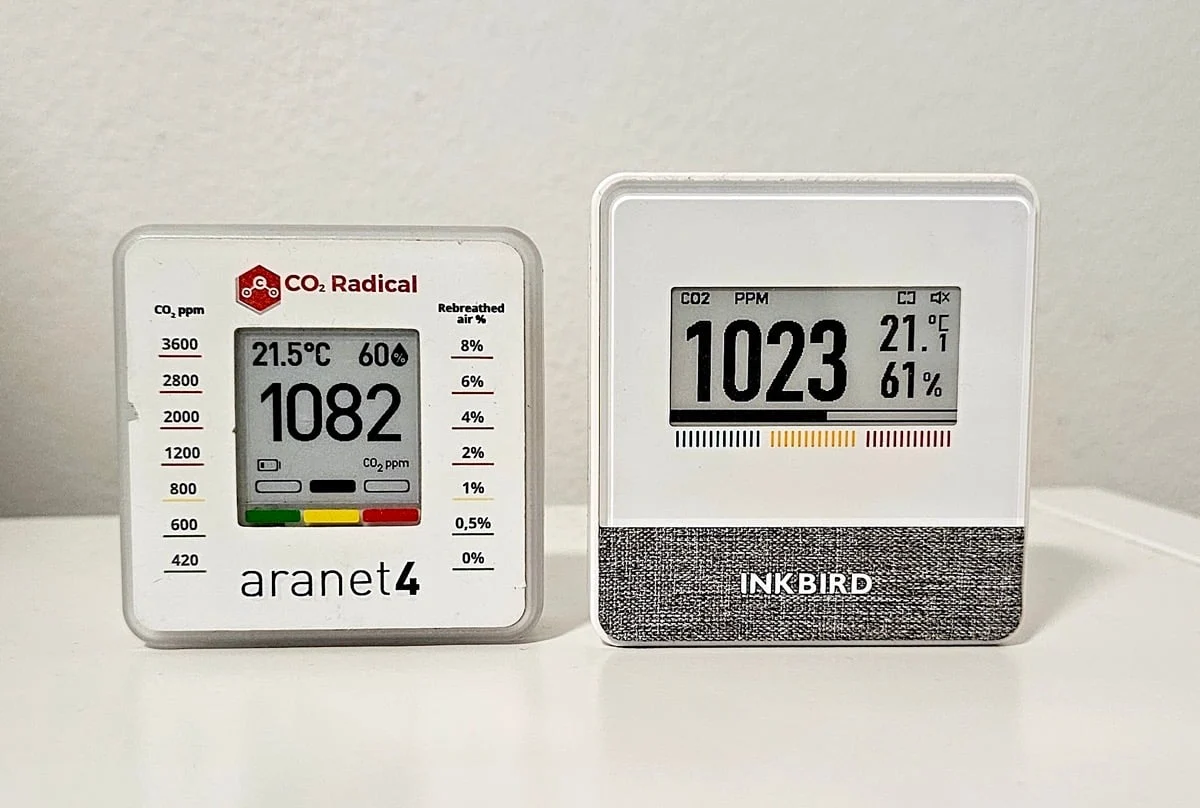
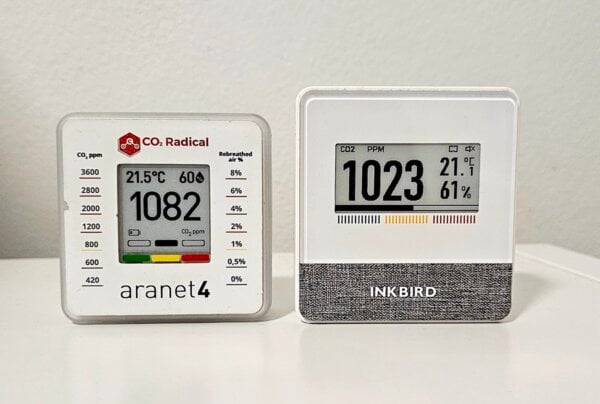
Carrying a portable CO2 monitor, such as models like the Aranet4 Home or Inkbird, allows individuals to make informed decisions about their environment. While some high-risk settings like crowded buses or planes (when filtration systems are not fully active on the ground) and low-risk outdoor gatherings are intuitively understood, many indoor spaces present ambiguous ventilation profiles. For instance, a gym with powerful air conditioning might feel cool but could still have stagnant, recirculated air, leading to high CO2 levels if not properly ventilated with fresh air. Conversely, some restaurants or public spaces might surprise with excellent air exchange due to effective HVAC systems or natural cross-breezes.
For personal risk management, a general guideline suggests that CO2 levels below 600 ppm indicate a relatively low risk, primarily confined to direct, face-to-face interactions. Above 1000 ppm, mitigation strategies such as donning a respirator or limiting exposure time become advisable. Beyond pathogen monitoring, CO2 monitors have broader benefits for indoor air quality, revealing instances of poor ventilation that can lead to drowsiness (e.g., in bedrooms overnight) or impact other activities like 3D printing, which requires controlled humidity. It is crucial to note that while CO2 levels reflect exhaled air concentration, the presence of air purifiers or HEPA filters can reduce pathogen load even in spaces with higher CO2, as these systems actively remove particles.
Personal Protective Equipment: The Efficacy of Respirators
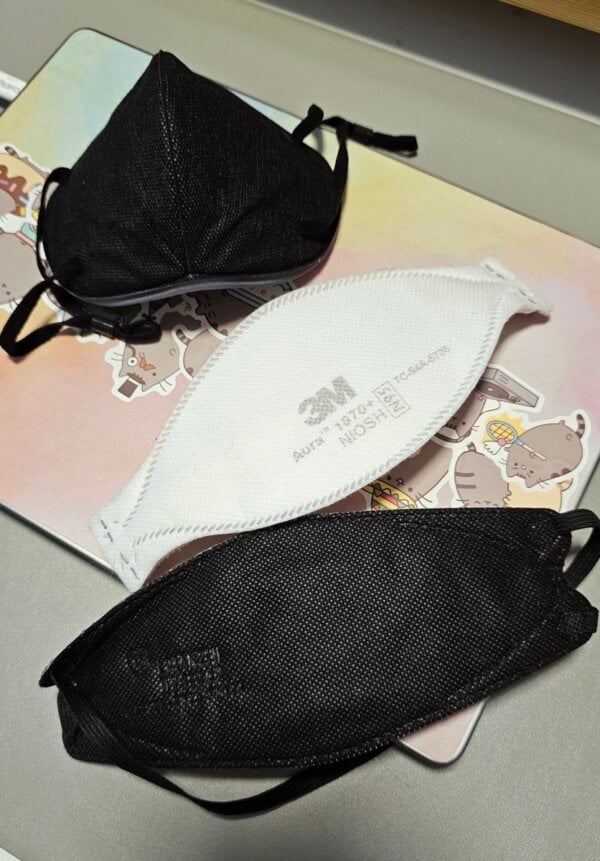
Respirators, such as N95, P2, FFP2, or KN95 masks, offer superior protection against airborne particles compared to surgical or cloth masks. Their design and materials are engineered to filter out at least 95% (for N95/P2/FFP2/KN95 standards) or 99% (for N99/P3/FFP3/KN100 standards) of airborne particles 0.3 microns in size, which includes most viral aerosols. The effectiveness stems from a combination of mechanical filtration and electrostatic attraction.
Key characteristics for optimal respirator performance include:
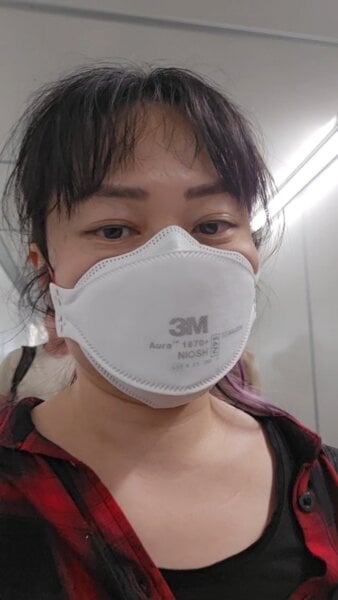
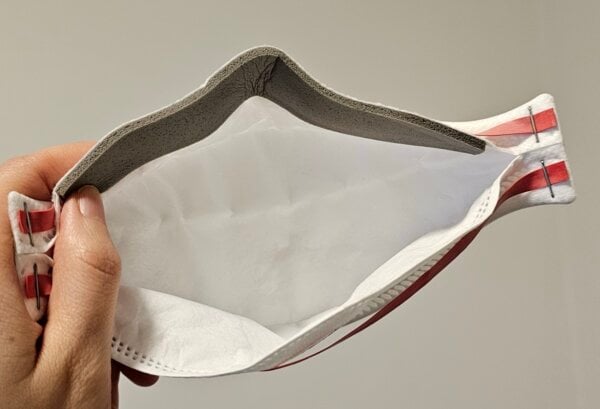
- Fit: A proper seal around the face is paramount. Soft, boat-shaped designs like the 3M Aura often provide a better fit for a wider range of face shapes compared to cup-style respirators. Headstraps generally offer a more secure and consistent seal than ear loops. While occupational fit testing provides the highest assurance, a simple user seal check (inhaling and exhaling sharply to feel for air leakage around the edges) can confirm adequate protection for general use.
- Material and Design: Modern respirators utilize advanced filter media that maintain high efficiency without significantly impeding breathability. Some models feature exhalation valves, which can improve comfort during physical activity but do not protect others from the wearer’s exhaled breath.
- Reusability: Contrary to early pandemic guidelines, respirators are not single-use items for non-healthcare settings. They can be reused until the filter material becomes noticeably difficult to breathe through or the mask no longer maintains a good seal to the face.
Respirators are particularly recommended in high-risk indoor environments with poor ventilation or where vulnerable populations may be present, such as hospitals, pharmacies, crowded public transport (especially when vehicles are stationary and filtration systems are less active), and educational settings during peak infection seasons. Beyond infection prevention, respirators can enhance personal comfort, such as preventing nosebleeds on planes by maintaining higher humidity in nasal passages.
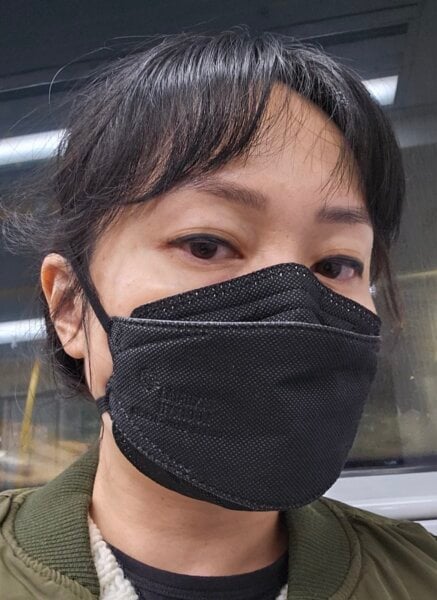
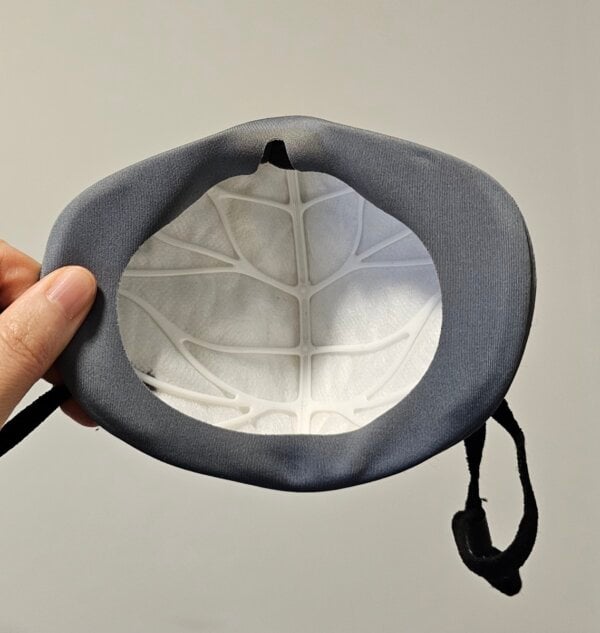
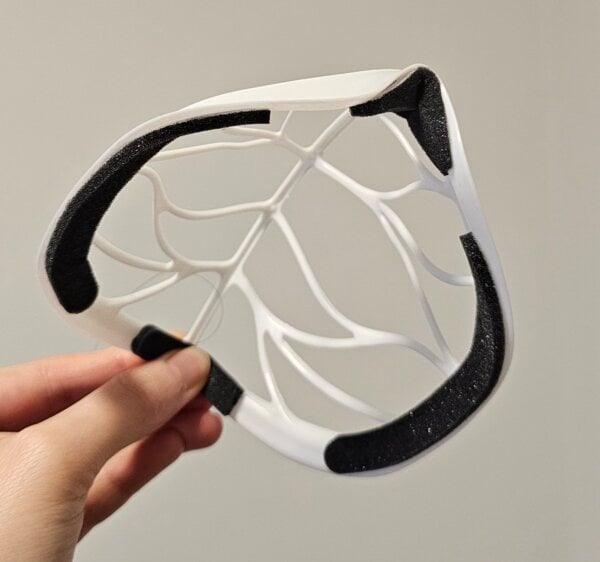
Innovative designs are also emerging, such as the Zimi Air mask, which integrates a reusable frame and internal gasket with disposable filters. This design aims to improve seal and comfort, reducing facial marks often associated with tight-fitting masks, while maintaining high filtration efficiency. Such advancements reflect a growing demand for effective yet user-friendly personal protective equipment.
Advanced Air Purification Technologies
Beyond personal respirators, technologies for purifying ambient air play a crucial role in broader infection control.
-
HEPA Air Purifiers: High-Efficiency Particulate Air (HEPA) filters are the gold standard for room air purification. They are designed to capture 99.97% of airborne particles 0.3 micrometers in diameter, effectively removing allergens, pollutants, and viral aerosols. The effectiveness of a HEPA purifier in a given space is determined by its Clean Air Delivery Rate (CADR), which indicates how quickly it can clean a room of a specific size. Deploying HEPA purifiers in classrooms, offices, hotel rooms, or homes significantly reduces airborne pathogen concentrations, supplementing ventilation efforts.
-
Laminar Air Flow Purifiers: Most conventional air purifiers emit turbulent airflow, meaning the clean air rapidly mixes with surrounding ambient air. Laminar air flow purifiers, such as the AirFanta 4Lite, are designed to create a more directed, coherent stream of clean air that maintains its integrity over a longer distance. This allows for the creation of a "clean air zone" directly in front of the user, making it theoretically possible to breathe clean air even while temporarily unmasked (e.g., when eating). Smaller, wearable versions are also being developed, although their localized clean air zone is typically smaller and not a substitute for a well-fitted respirator.
-
Far-UVC Light (222 nm): Far-UVC is an emerging technology that holds significant promise for airborne pathogen inactivation. Unlike conventional germicidal UVC (typically 254 nm), which is harmful to human skin and eyes, Far-UVC at 222 nm appears to effectively kill viruses and bacteria in the air and on surfaces with minimal to no harm to exposed human tissue. This is because the 222 nm wavelength has limited penetration into the outer dead layer of skin and the tear layer of the eye. While research on its long-term safety and efficacy is ongoing, and product specifications require careful scrutiny to ensure genuine 222 nm emission, devices like the Nukit torches exemplify responsible development. Far-UVC could be particularly useful in shared indoor spaces, public transport, dental offices, or event venues, providing continuous air disinfection.
Ancillary Protective Measures
While not primary barriers against airborne transmission, certain ancillary practices can offer supplementary protection:
-
Nasal Rinses: Regularly rinsing nasal passages with saline solutions, using devices like a Neilmed bottle, has been primarily studied for reducing the duration and severity of common colds and allergies. The theoretical benefit in pathogen prevention lies in physically washing away viruses and bacteria trapped in nasal mucus before they can establish a full infection. While not a substitute for clean air, it is a low-risk practice that can be integrated after potential high-exposure situations.
-
Nasal Sprays: Certain nasal sprays contain active ingredients, such as carrageenan or xylitol, that are hypothesized to either physically trap viruses, create a barrier preventing viral binding to nasal cells, or possess direct antiviral properties. The effectiveness of these sprays is variable and dependent on consistent application and specific formulations. Like nasal rinses, they should be considered a complementary measure rather than a primary defense.
Epidemiological Awareness: Monitoring Disease Levels
Staying informed about community disease levels is another critical component of a proactive health strategy. Just as one might check the UV index before going outdoors, understanding the local prevalence of respiratory viruses allows for adjusting personal risk mitigation efforts. This involves monitoring public health dashboards that track indicators such as:
- Wastewater Surveillance: Analyzing wastewater for viral fragments provides an early and unbiased indicator of community-level infection trends, often preceding clinical case reporting.
- Hospitalization and ICU Admissions: These metrics reflect the severity and burden of disease within a population.
- Test Positivity Rates: While less reliable with widespread home testing, aggregated data can still provide insights.
When community viral loads are high, individuals can choose to amplify their precautions, such as avoiding crowded indoor spaces, increasing respirator use, or enhancing personal air purification.
Broader Public Health Implications
The collective adoption of these strategies represents a paradigm shift towards greater individual and collective responsibility for airborne disease prevention. Moving forward, a comprehensive approach to public health will likely integrate:
- Improved Building Standards: Mandates for better indoor ventilation and filtration in public and commercial buildings.
- Personal Empowerment: Educating the public on effective personal protective measures and environmental monitoring tools.
- Technological Innovation: Continued development and responsible deployment of advanced air purification and disinfection technologies.
By understanding the true mechanisms of germ spread and utilizing available tools, individuals can significantly reduce their risk of illness, contributing to a healthier and more resilient society capable of navigating future public health challenges. This proactive stance, combining personal vigilance with scientific understanding, is essential for mitigating the impact of respiratory pathogens in the long term.
Affiliate Disclosure: This article may reference products that are available through commercial channels. The inclusion of such references is for informational purposes and does not constitute an endorsement or a direct recommendation to purchase specific items. Readers are encouraged to conduct their own research and compare options from various suppliers.
