
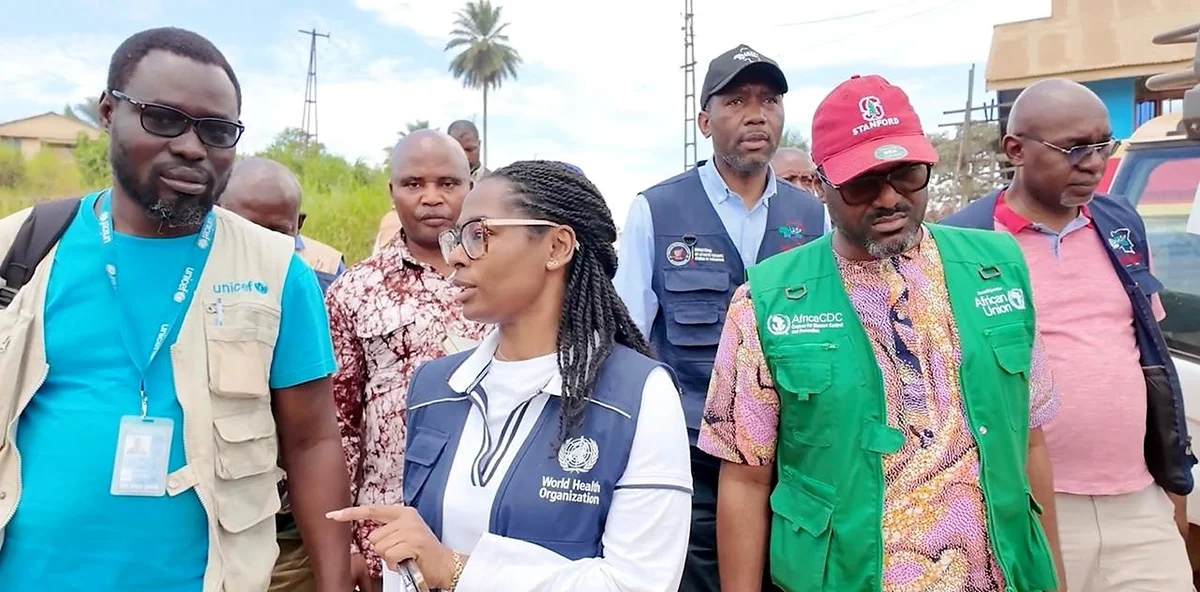
The Africa Centres for Disease Control and Prevention (Africa CDC) and the World Health Organization (WHO) have officially initiated a comprehensive joint continental preparedness and response plan to address the escalating Ebola virus outbreak driven by the Bundibugyo strain. This strategic framework, unveiled today, seeks to mobilize US$ 518 million in international and domestic funding to fortify African nations against the viral threat. The plan is designed to bridge gaps in rapid detection, emergency response, and healthcare infrastructure, ensuring that the continent can contain the virus before it reaches a catastrophic regional scale.
Spanning a critical six-month window from June to November 2026, the initiative adopts a unified “One Response” approach. This methodology integrates the efforts of national governments, international partners, and local communities under a single operational banner. By aligning resources and strategies, the Africa CDC and WHO aim to eliminate the fragmented responses that have occasionally hindered past health emergencies. The plan focuses on several high-priority pillars, including emergency coordination, enhanced disease surveillance, laboratory diagnostic capacity, infection prevention and control (IPC), clinical care, and the logistical support necessary to maintain essential health services during a crisis.
Strategic Framework of the One Response Approach
The "One Response" strategy is predicated on the principle of "one plan, one budget, one team." This concept, championed by global health leaders, is intended to streamline the flow of resources and information. In previous outbreaks, multiple NGOs and international agencies sometimes operated with overlapping or conflicting mandates, leading to inefficiencies. The 2026 plan seeks to rectify this by placing the leadership firmly in the hands of the affected Member States, supported by the technical expertise of the WHO and the Africa CDC.
The US$ 518 million budget is earmarked for a wide array of interventions. A significant portion will be dedicated to strengthening laboratory systems, as the Bundibugyo virus (BDBV) requires specific diagnostic protocols that differ from the more common Zaire Ebola virus. Furthermore, the funds will support the training of thousands of frontline health workers in infection prevention and control, providing them with the necessary Personal Protective Equipment (PPE) and clinical guidelines to treat patients safely.
Beyond the clinical aspect, the plan emphasizes the importance of community engagement. Historically, Ebola outbreaks have been exacerbated by misinformation and a lack of trust in medical authorities. By placing communities at the center of the response, the Africa CDC and WHO aim to ensure that contact tracing is conducted effectively and that "safe and dignified burials"—a critical component in breaking the chain of transmission—are performed with the cooperation and understanding of the bereaved families.
Contextualizing the Bundibugyo Ebola Virus
The Bundibugyo Ebola virus is one of the six species within the genus Ebolavirus. It was first identified in 2007 during an outbreak in the Bundibugyo District of western Uganda. While it typically exhibits a lower case fatality rate than the Zaire Ebola virus—which can reach up to 90%—the Bundibugyo strain remains highly lethal and unpredictable, with fatality rates historically ranging between 25% and 50%.
One of the most significant challenges facing the current response is the lack of licensed vaccines or therapeutics specifically approved for the Bundibugyo species. While the Zaire strain has benefited from the development of the Ervebo vaccine and various monoclonal antibody treatments, these medical countermeasures do not offer cross-protection against BDBV. Consequently, the response must rely heavily on traditional public health measures: early identification, isolation of cases, rigorous contact tracing, and high-quality supportive care. This technological gap underscores the necessity of the current US$ 518 million plan, which prioritizes the strengthening of health systems to manage the disease through clinical management and containment rather than pharmaceutical intervention.
Chronology of the 2026 Outbreak and Current Status
The 2026 outbreak emerged in the early months of the year, with initial cases reported in the Democratic Republic of the Congo (DRC). Due to the high mobility of populations across the porous borders of the Great Lakes region, the virus quickly crossed into neighboring Uganda. The Governments of both the DRC and Uganda were quick to launch national response plans, but the regional nature of the threat necessitated a broader, continental strategy.
In June 2026, as case numbers began to climb and the risk of cross-border transmission increased, the Africa CDC and WHO accelerated their collaborative efforts. The launch of the Joint Continental Preparedness and Response Plan marks a pivotal moment in this timeline, shifting the focus from localized containment to a synchronized regional defense. Currently, implementation is already underway in the most affected regions, with specialized teams deployed to assist local health authorities in mapping transmission chains and setting up isolation units.
The plan identifies 10 "priority countries" that are at high risk due to their geographical proximity to the epicenters or their status as major regional transport hubs. In these nations, measures are being intensified to enhance public health emergency preparedness, ensuring that if the virus crosses their borders, it can be detected and suppressed within the first 48 hours of arrival.
Official Responses and Leadership Perspectives
The leadership of the global health community has been vocal about the necessity of this coordinated effort. Dr. Tedros Adhanom Ghebreyesus, WHO Director-General, highlighted the importance of unity and community trust in his address regarding the plan’s launch.
"The only way to beat this outbreak is through close partnership, working together under the leadership of the affected countries in one coordinated effort," Dr. Tedros stated. He emphasized that without the participation of the communities themselves, even the most well-funded medical interventions are likely to fail. "Containing Ebola depends on political commitment, sustained financing, and the trust and engagement of communities. This plan places communities at the centre, because without their participation, contact tracing falters, safe care is delayed, and transmission continues."
Echoing these sentiments, Dr. Jean Kaseya, Director-General of Africa CDC, stressed the need for speed and African-led solutions. "Ebola moves fast. Africa must move faster," Dr. Kaseya remarked. He pointed out that the joint plan provides a clear roadmap for the continent to act with unity. "With Member States, WHO and partners, Africa CDC is turning commitment into action and resources into response for the communities at risk."
The statements from both leaders reflect a broader shift in global health governance, where African institutions like the Africa CDC are taking a more prominent, autonomous role in managing crises on the continent, moving away from a model of total dependence on Western aid agencies.
Broader Implications for African Health Systems
The launch of the US$ 518 million plan comes at a time when many African nations are already grappling with multiple concurrent health emergencies. The continent is currently managing outbreaks of mpox, cholera, and measles, all of which have strained the capacity of national health systems. One of the strategic objectives of the new Ebola plan is to ensure that the response to the Bundibugyo virus does not come at the expense of these other critical health efforts.
The Africa CDC and WHO have integrated a "resilience" component into the plan, aiming to use the Ebola response as a vehicle to strengthen the overall health infrastructure. By improving laboratory networks and surveillance systems for Ebola, countries are simultaneously enhancing their ability to monitor and respond to other infectious diseases. This "dual-use" approach to health funding is seen as essential for building long-term health security in Africa.
Furthermore, the plan underscores the importance of cross-border collaboration. In the past, border closures have often been a reflex reaction to outbreaks, sometimes hindering the movement of essential medical supplies and personnel. The 2026 plan encourages Member States to maintain open but screened points of entry, using evidence-based public health measures rather than blanket restrictions. This approach aims to protect both public health and the regional economy, which is vital for the livelihoods of millions in the affected areas.
Data and Resource Allocation
The US$ 518 million requirement is a reflection of the high costs associated with managing a high-consequence pathogen in logistically challenging environments. Key data points regarding the allocation include:
- Surveillance and Contact Tracing: Approximately 25% of the budget is expected to be directed toward digital surveillance tools and the deployment of field epidemiologists.
- Clinical Management: Funding for the establishment of Ebola Treatment Centres (ETCs) and the procurement of supportive care medications.
- Laboratory Capacity: Investment in mobile labs and regional reference centers to reduce the "turnaround time" for test results from days to hours.
- Infection Prevention and Control (IPC): Large-scale procurement of PPE and sanitization supplies for hospitals and clinics across the 10 priority countries.
- Research and Development: While no vaccine is currently licensed, a portion of the plan supports clinical trials and research into potential therapeutics for the Bundibugyo strain.
The Path Forward: Lessons and Future Preparedness
The joint plan is not merely a reactive measure but a proactive attempt to apply lessons learned from the 2014-2016 West Africa Ebola epidemic and the subsequent outbreaks in the DRC. Those crises demonstrated that delayed international response and a lack of local coordination can lead to thousands of preventable deaths and billions of dollars in economic losses.
By launching this plan in the early stages of the 2026 outbreak, the Africa CDC and WHO are signaling a new era of proactive health diplomacy. The success of the initiative will ultimately depend on the timely disbursement of funds by international donors and the continued political will of African heads of state to prioritize health security.
As the campaign for "World Health Day 2026" continues under the theme "Together for health. Stand with science," this continental response serves as a litmus test for the global health community’s ability to stand by science and act with solidarity. The goal is clear: to control the Bundibugyo outbreak within the six-month window, protect vulnerable populations, and ensure that Africa emerges from this crisis with a more resilient and capable health system than before.
The Africa CDC and WHO remain committed to transparency throughout this process, promising regular updates on the epidemiological situation and the progress of the response activities. As the world watches, the "One Response" approach represents a bold attempt to redefine how humanity confronts one of its most feared viral adversaries.
