
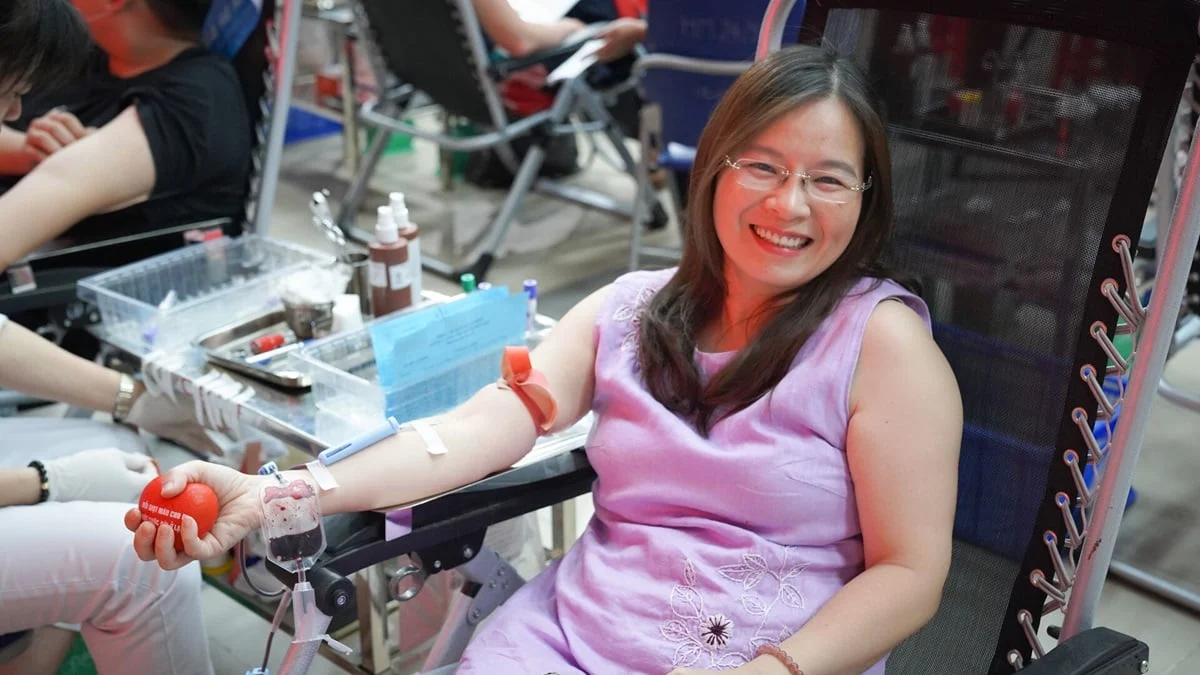
New data released by the World Health Organization (WHO) indicates a decade of sustained growth in global blood collection, yet the organization warns that a widening chasm remains between high-income and low-income nations regarding the safety, availability, and governance of blood supplies. The findings, central to the Global status report on blood safety and availability 2025, highlight that while total donations have risen by nearly 19% between 2013 and 2023, the infrastructure required to deliver life-saving transfusions to the world’s most vulnerable populations remains precariously fragile. With data spanning 168 countries and covering 97% of the global population, the report provides the most comprehensive assessment to date of how blood is collected, tested, and utilized across the globe.
According to the WHO Global Database on Blood Safety (GDBS), the total number of blood donations reached an estimated 120 million in 2023. This growth is largely attributed to the efforts of voluntary, unpaid donors, who now account for over 85% of all donations worldwide. This shift toward voluntary donation is considered a critical metric for blood safety, as unpaid donors are statistically less likely to provide blood under duress or conceal health conditions compared to paid or family-replacement donors. However, the aggregate success masks a troubling reality: the geographical distribution of these resources is heavily skewed toward wealthy nations, leaving millions of patients in developing regions at risk of death from preventable causes.
A Decade of Growth and the Challenge of Geographic Disparity
The 19% increase in global blood collections over the last ten years reflects a significant mobilization of public health resources, yet the disparity in collection rates remains stark. High-income countries, which represent a mere 15% of the global population, currently command 36% of the world’s blood supply. This imbalance creates a landscape where the availability of a transfusion is often determined more by a patient’s ZIP code than by their clinical need.
The report highlights that blood donation rates per 1,000 people vary wildly. In some high-income nations, the rate is as high as 53 donations per 1,000 population. Conversely, 24 countries reported fewer than five donations per 1,000 population. This lower threshold is often insufficient to meet even the most basic surgical and emergency needs of a national healthcare system. The WHO emphasizes that for a country to maintain a stable supply, a consistent base of voluntary donors is required, yet in low-income countries, only 63.4% of donations are voluntary and unpaid. This stands in sharp contrast to the 98.4% voluntary rate seen in high-income nations.
The consequences of these shortages are most acutely felt in maternal and pediatric care. In lower-income regions, blood is most frequently used to treat complications related to pregnancy and childbirth, as well as severe childhood anemia often caused by malaria or malnutrition. In higher-income countries, the demographic shift toward an aging population means blood supplies are more frequently directed toward cardiovascular surgery, transplant procedures, and trauma care.
Clinical Necessity and the Human Cost of Shortages
The inability to access safe blood is a leading factor in maternal mortality. Post-partum hemorrhage remains a primary cause of death for women during childbirth in sub-Saharan Africa and parts of South Asia. Without immediate access to compatible, screened blood, a patient experiencing severe bleeding can die within hours. Similarly, children suffering from severe anemia—a condition where the body lacks enough healthy red blood cells to carry adequate oxygen to tissues—depend on transfusions as a primary life-saving intervention.
Beyond emergency care, the WHO report identifies several patient groups whose lives depend on a reliable blood supply chain. These include individuals living with chronic blood disorders such as sickle-cell disease, thalassaemia, and haemophilia. Furthermore, patients undergoing chemotherapy for cancer or those with primary immune deficiencies require regular access to blood products and plasma-derived medicinal products (PDMPs).
"No one should die because safe blood is unavailable when it is needed," stated Dr. Tedros Adhanom Ghebreyesus, WHO Director-General, in response to the findings. He noted that while the growth in voluntary donations is the "cornerstone" of a sustainable system, the data serves as a stark reminder that "where a person lives can still determine whether they have access to the blood transfusion they need."
Governance, Regulation, and the Safety Gap
The WHO analysis goes beyond simple volume metrics to scrutinize the regulatory frameworks that ensure blood is safe for transfusion. The report reveals significant "weaknesses in governance, financing, and regulation" that threaten the integrity of national health systems. One of the most concerning findings is that nearly one-third of the surveyed countries still lack specific legislation to oversee the safety and quality of blood and blood products.
The absence of legal frameworks often results in a lack of standardized testing for transfusion-transmitted infections (TTIs), such as HIV, hepatitis B, hepatitis C, and syphilis. While high-income countries have near-universal screening protocols, many low-income countries struggle with the cost and logistics of consistent testing. The report notes that:
- Only 64% of countries have systems for the regular inspection of blood services.
- Just 62% have implemented formal licensing systems for blood facilities.
- A mere 40% of countries report that at least some of their blood transfusion services are accredited by international or national bodies.
These gaps in quality assurance suggest that even when blood is available, its safety is not always guaranteed. The WHO is calling for a global push toward "accredited" blood services, which would ensure that every unit of blood collected undergoes rigorous testing and is handled within a cold chain that prevents spoilage.
Financial Sustainability and Infrastructure Barriers
Sustainability remains a primary hurdle for developing nations. The report found that more than one in seven countries have no dedicated government budget for blood services and lack cost-recovery mechanisms (such as insurance reimbursement). This financial vacuum makes it nearly impossible for these nations to invest in the infrastructure required for modern blood banking, such as specialized refrigeration, automated testing equipment, and mobile collection units.
Logistical barriers also play a significant role. In rural areas of low-income countries, the "cold chain"—the temperature-controlled supply chain required to keep blood viable—is frequently interrupted by power outages or poor road infrastructure. This leads to high wastage rates, where blood that was donated in good faith must be discarded because it was not stored at the correct temperature.
The WHO’s 2025 report urges a shift in how governments view blood services, moving from a model of "emergency response" to one of "systemic investment." This includes training specialized staff in donor recruitment, laboratory technology, and clinical transfusion practices to ensure that the right patient receives the right blood product at the right time.
Timeline of Global Blood Policy Evolution
The 2025 report is the latest milestone in a decades-long effort by the WHO to standardize global blood safety.
- 2004: The WHO establishes World Blood Donor Day (June 14) to raise awareness of the need for safe blood and to thank voluntary donors.
- 2009: The Melbourne Declaration is adopted, setting a goal for all countries to obtain all blood supplies from voluntary unpaid donors by 2020.
- 2013-2023: Global blood collections increase by 19%, though the 2020 goal remains unmet in many low-income regions.
- 2020-2022: The COVID-19 pandemic causes a significant dip in global donations due to lockdowns and fear of infection, highlighting the vulnerability of the supply chain.
- 2025: The current report highlights that while volumes have recovered post-pandemic, the regulatory and equity gaps have widened.
Looking Ahead: World Blood Donor Day and the Path to Equity
The release of this data precedes World Blood Donor Day 2024, which will be observed under the slogan "One Drop of Humanity. Give Blood. Save Lives." The campaign aims to humanize the data by focusing on the individual impact of each donation. The WHO is using this platform to advocate for universal access to quality-assured blood products, regardless of a nation’s economic status.
Furthermore, the WHO has linked these efforts to the theme of World Health Day 2026, "Together for health. Stand with science." This year-long campaign will emphasize science-based policy as the foundation for health equity. In the context of blood safety, this means utilizing data systems to track donation trends and using evidence-based clinical practices to reduce unnecessary transfusions, thereby preserving scarce resources.
To address the documented inequities, the WHO recommends a multi-pronged approach:
- Strengthening Legislation: Governments must enact laws that define blood as a biological medicinal product, requiring strict oversight.
- Sustainable Funding: Establishing dedicated national budgets to move away from donor-funded or ad-hoc financing.
- Expanded Quality Assurance: Implementing mandatory screening for TTIs and pursuing international accreditation for laboratories.
- Clinical Stewardship: Training physicians on the "appropriate use of blood" to ensure that transfusions are only given when medically necessary, reducing the strain on the supply.
The 2025 report serves as both a celebration of the millions of voluntary donors who sustain the global health system and a call to action for the international community. While the 19% increase in donations is a testament to human generosity, the "significant gaps in the safe blood supply chain" remain a barrier to achieving Universal Health Coverage. As the WHO concludes, the resilience of a health system is only as strong as its most basic components—and there is no component more fundamental to life than a safe and accessible supply of blood.
