
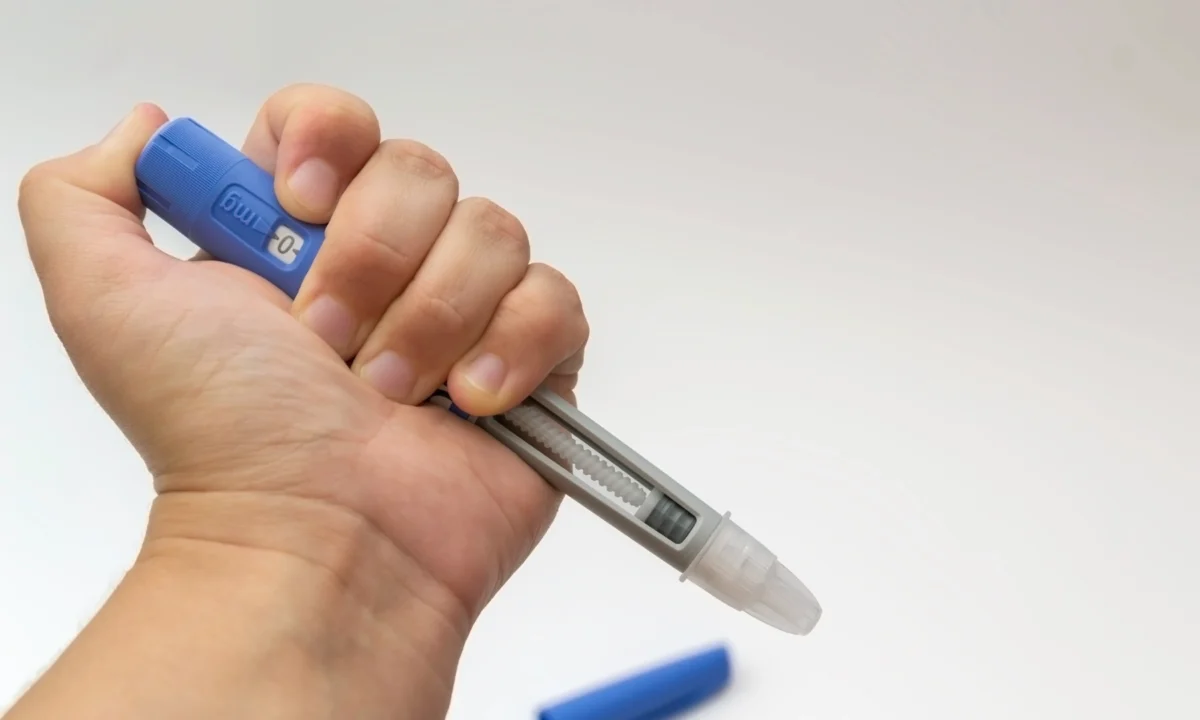
The landscape of metabolic medicine is currently undergoing a seismic shift, driven largely by the advent and mass adoption of glucagon-like peptide-1 (GLP-1) receptor agonists. However, new data presented at the European Congress on Obesity (ECO) has introduced a critical caveat to the success stories of rapid weight loss. Researchers from the University of Copenhagen have released findings indicating that individuals utilizing weight-loss injections experience a disproportionately high loss of lean body mass—specifically muscle and bone—when compared to those who lose weight through conventional lifestyle interventions. The study, which analyzed a diverse cohort of over 1,300 individuals, suggests that while the scale may show a significant decrease in total poundage, the quality of that weight loss may pose long-term health risks, including metabolic slowdown and increased skeletal fragility.
Core Findings from the University of Copenhagen
The research team, led by specialists in endocrinology and metabolism, conducted a comprehensive analysis of data involving 1,334 individuals. These participants were categorized based on their primary method of weight reduction: pharmacotherapy (weight-loss injections such as semaglutide or liraglutide), bariatric surgery, or a combination of intensive diet and exercise. The primary objective was to determine the composition of the weight lost, distinguishing between adipose tissue (fat) and lean mass (muscle and bone).
The results were stark. In the group that relied on traditional diet and exercise protocols, lean mass loss accounted for approximately 14% of the total weight shed. In contrast, those utilizing GLP-1 receptor agonists saw their lean mass loss skyrocket to 32% of their total weight reduction. This nearly 2.3-fold increase in the loss of non-fat tissue has sparked a rigorous debate among clinicians regarding the "cost" of rapid pharmaceutical weight loss. While bariatric surgery patients also showed higher rates of lean mass loss than the exercise group, the pharmacological group’s data was particularly concerning given the ease of access and the surging popularity of these medications in outpatient settings.
The Biological Importance of Lean Mass
To understand the implications of these findings, it is necessary to examine the physiological roles of muscle and bone. Muscle is not merely a tool for locomotion; it is a highly active metabolic organ. It is responsible for the vast majority of glucose disposal in the body and is the primary driver of the resting metabolic rate (RMR). When an individual loses a significant portion of their muscle mass, their body’s daily caloric requirement drops precipitously.
The Copenhagen researchers emphasized that this loss of "metabolic currency" creates a dangerous feedback loop. As muscle mass diminishes, the body becomes more efficient at storing fat and less efficient at burning energy. This phenomenon explains why many individuals who cease GLP-1 therapy experience rapid weight regain—often referred to as the "rebound effect." Because they have lost the muscle that previously supported a higher metabolism, their "new" body requires far fewer calories to maintain its weight, making it statistically more likely that they will surpass their original body fat percentage during the regain phase.
Furthermore, the loss of bone mineral density (BMD) associated with these injections introduces a secondary public health concern. Bone loss, particularly in older populations or post-menopausal women, significantly increases the risk of fractures and osteoporosis. The study suggests that the rapid caloric deficit induced by GLP-1 medications, combined with potentially reduced physical activity due to fatigue or nausea—common side effects of the drugs—may be accelerating skeletal degradation.
Chronology of the GLP-1 Revolution and Emerging Skepticism
The timeline of GLP-1 development explains how the medical community arrived at this juncture. Originally developed in the early 2000s to treat Type 2 diabetes, medications like liraglutide (Victoza) were found to have significant weight-loss side effects. By 2014, the FDA approved higher doses specifically for obesity. The true "explosion" occurred with the approval of semaglutide (Wegovy) in 2021, followed by tirzepatide (Zepbound) shortly thereafter.
- 2021–2022: Initial clinical trials (STEP trials) focused primarily on total weight loss percentages, where semaglutide showed unprecedented results of 15% to 20% body weight reduction.
- 2023: As the drugs entered the mainstream, anecdotal reports of "Ozempic face" (haggard appearance due to facial fat loss) and muscle weakness began to surface.
- Early 2024: Researchers began shifting focus from "how much" weight is lost to "what kind" of weight is lost.
- May 2024: The European Congress on Obesity becomes a pivotal forum for presenting the Copenhagen data, marking a transition toward more nuanced, "body composition-focused" obesity management.
Comparative Analysis: Diet, Surgery, and Injections
The University of Copenhagen study provides a critical comparison between different weight loss modalities. Traditional dieting, while often slower and harder to maintain, appears to preserve the highest ratio of lean mass. This is largely because lifestyle interventions typically involve a more moderate caloric deficit and are often accompanied by increased physical activity, which signals the body to retain muscle tissue.
Bariatric surgery, though invasive, often involves a structured post-operative nutritional program that emphasizes high protein intake and supplement regimens, which may mitigate some lean mass loss. However, GLP-1 users often experience a "silent" loss of muscle. Because the medication suppresses appetite so effectively, many users may unknowingly enter a state of severe malnutrition, consuming insufficient protein to maintain their muscular and skeletal integrity.
Clinical and Industry Reactions
The presentation at the ECO has prompted a wave of responses from the medical community and pharmaceutical industry. Dr. Signe Sørensen Torekov, a professor at the University of Copenhagen and a lead researcher on the study, noted that while these drugs are "game-changers" for weight management, the medical community must be "more vigilant about the quality of weight loss."
Inferred reactions from the pharmaceutical sector suggest a shift in marketing and R&D strategy. Companies like Novo Nordisk and Eli Lilly have already begun exploring "co-therapies"—drugs that can be taken alongside GLP-1s to protect muscle mass. For instance, some firms are investigating myostatin inhibitors, which prevent muscle breakdown.
Clinicians on the ground are also adjusting their protocols. Many obesity specialists are now mandating resistance training and high-protein diets as a prerequisite for prescribing GLP-1 medications. There is a growing consensus that "the drug alone is not the solution," but rather one component of a broader lifestyle strategy that must prioritize the preservation of lean tissue.
Broader Implications for Public Health and Policy
The findings presented at the ECO have significant implications for long-term healthcare costs. If a generation of weight-loss patients develops premature sarcopenia (muscle wasting) or osteoporosis, the burden on healthcare systems could shift from treating obesity-related heart disease to treating frailty-related injuries and metabolic dysfunction.
- Sarcopenic Obesity: There is a rising concern regarding "sarcopenic obesity," a condition where an individual has a high body fat percentage but very low muscle mass. This condition is often more dangerous than standard obesity, as it is linked to higher rates of disability and mortality.
- Economic Impact: The cost of GLP-1 medications is already a point of contention for insurance providers and national health services. If these drugs necessitate additional treatments for bone density and muscle loss, the cost-benefit analysis of long-term pharmacological intervention may need to be reassessed.
- Regulatory Oversight: Regulatory bodies like the EMA (European Medicines Agency) and the FDA may eventually require more robust data on body composition in future clinical trials for weight-loss medications.
Recommendations for Patients and Practitioners
In light of the University of Copenhagen’s research, the path forward for obesity treatment is becoming clearer. The "weight-loss-at-any-cost" mentality is being replaced by a "body-composition-first" approach.
For practitioners, this means incorporating regular DEXA scans or bioelectrical impedance analysis (BIA) to monitor the ratio of fat to lean mass loss in patients. For patients, the message is one of balance. The rapid weight loss afforded by injections must be anchored by a rigorous commitment to resistance training—lifting weights or performing bodyweight exercises at least three times a week—and a dietary focus on lean proteins to provide the building blocks necessary for muscle and bone maintenance.
The ECO findings serve as a vital reminder that in the human body, the speed of change is often less important than the quality of change. As the medical community continues to refine its understanding of GLP-1 receptor agonists, the goal remains the same: achieving a healthier weight without sacrificing the fundamental tissues that sustain metabolic and skeletal health.
