
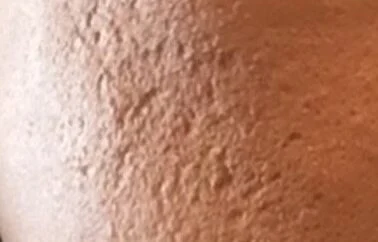
A Canadian lawyer, whose identity remains anonymous, openly describes the profound and debilitating impact of severe acne scarring on her daily life, stating, "Every day is a struggle, and the emotional wounds feel just as raw as the physical ones." This candid admission underscores a pervasive yet often underestimated health challenge that extends far beyond the surface of the skin, delving into the intricate complexities of mental well-being, social interaction, and personal identity. The 40-year-old South Asian woman articulates the immense pressure of societal expectations, noting, "It is easy to say ‘accept yourself, love yourself’ but the reality is that we carry many scars with us, and when you also carry them on your face, that weight becomes very heavy." Her experience highlights a critical intersection of dermatological condition, psychological distress, and cultural nuances that affect millions globally.
The Deepening Struggle: A Personal Chronology
The lawyer’s journey with acne began around the age of 20, coinciding with her entry into university, a period often marked by significant life transitions and increased stress. While initially manageable, her condition dramatically worsened in her early 30s, escalating rapidly into severe cystic acne accompanied by pronounced scarring and hyperpigmentation. She recalls this period with palpable distress: "The progression of my acne was swift and relentless. Within months, my face was covered in painful, cystic acne." This rapid deterioration was not merely a physical inconvenience but a deeply traumatic and emotionally devastating ordeal. The sudden transformation of her once-clear skin into a landscape of "large, dark and pus-filled hills" shattered her confidence, leading to feelings of helplessness and profound embarrassment.
The physical manifestations of her acne, particularly the deep scarring and uneven texture, have persistent repercussions. She admits, "To date, there are days when I won’t go out in public." Specific lighting conditions and makeup applications can accentuate the damage, making social interactions a source of acute anxiety. As she ages, the natural loss of skin elasticity further emphasizes the scars, creating a perpetual reminder of her past struggles. Consequently, she actively limits her engagement with social media and in-person socialization, a significant concession for someone in a professional field that often demands public interaction. Her empathy extends to the younger generation, whom she feels face even greater pressure due to "unrealistic beauty expectations" pervasive in contemporary society, noting that "scars likely could last a lifetime and that is a hard thing to accept."
Understanding Acne Vulgaris and Scarring: A Medical Perspective
Acne vulgaris is a chronic inflammatory skin condition affecting the pilosebaceous unit, comprising a hair follicle and its associated sebaceous gland. It is characterized by the presence of comedones (blackheads and whiteheads), papules, pustules, nodules, and cysts. Its pathogenesis is multifactorial, involving increased sebum production, follicular hyperkeratinization (clogging of pores), proliferation of Cutibacterium acnes bacteria (formerly Propionibacterium acnes), and inflammation. While commonly associated with adolescence, adult acne, as experienced by the lawyer, is increasingly prevalent, affecting up to 50% of women in their 20s and 30s.
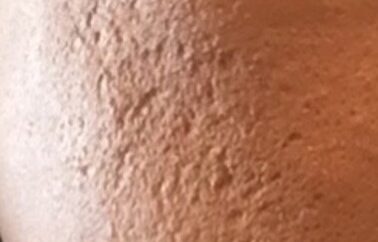
Acne scarring represents a permanent textural change in the skin resulting from deep inflammatory lesions that damage collagen and elastic tissue. These scars are broadly categorized into atrophic (depressed) and hypertrophic (raised) scars. Atrophic scars, which are more common, include:
- Ice pick scars: Narrow, deep, pitted scars resembling puncture marks.
- Boxcar scars: Round or oval depressions with sharp, vertical edges.
- Rolling scars: Broad, shallow depressions with undulating edges, giving the skin a wavy appearance.
The lawyer’s description of "deep scarring, uneven texture" suggests a combination of these atrophic types, which are particularly challenging to treat and can significantly alter facial topography. Hypertrophic scars and keloids, while less common on the face, are raised scars that occur due to excessive collagen production during healing, and are more prevalent in individuals with skin of color.
The Psychological Toll: Beyond the Physical
The emotional and psychological impact of acne, especially severe and scarring acne, is well-documented and often underestimated by those who have not experienced it. Research consistently demonstrates a strong correlation between acne and various mental health issues, including depression, anxiety, social phobia, body dysmorphic disorder, and even suicidal ideation. A meta-analysis published in the British Journal of Dermatology found that individuals with acne had a significantly higher risk of developing major depression, particularly in the first year after diagnosis. The chronic, visible nature of acne means that sufferers often feel constantly judged and scrutinized, leading to profound self-consciousness and withdrawal.
The Canadian lawyer’s experience exemplifies this psychological burden. "The sudden change was not just a physical burden – it was deeply traumatic and emotionally devastating," she recounts. Her narrative of feeling "helpless and shattered my confidence immensely," becoming "extremely sensitive both emotionally and physically," and "flinching at the pain and the sight of my reflection" paints a vivid picture of the internal turmoil. The embarrassment she felt was "overwhelming," leading her to avoid mirrors and dread social interactions. This avoidance behavior is a common coping mechanism, yet it often exacerbates feelings of isolation and can negatively impact personal and professional relationships. The societal emphasis on flawless skin, amplified by filtered images on social media, creates an environment where individuals with visible skin conditions may feel increasingly marginalized and inadequate.
Cultural Nuances and Disparities: A South Asian Context
The lawyer’s South Asian background adds another critical layer to her experience, highlighting how cultural factors can intensify the distress associated with skin conditions. She explains, "My cultural background (South Asian) added another layer of pain as insensitive comments about skin conditions are unfortunately common and something I experienced regularly which made the experience even more isolating." She further elaborates on the frequency of "cruel and unsolicited comments… thrown my way with callous disregard to my situation."
In many South Asian cultures, fair and clear skin is often equated with beauty, purity, and social status. Skin imperfections, particularly hyperpigmentation and scarring, can carry significant social stigma, leading to increased pressure on individuals to conform to idealized beauty standards. This cultural emphasis can result in a lack of empathy and a propensity for unsolicited, often hurtful, remarks from family members, friends, and even strangers. Such comments, rooted in cultural norms, can profoundly deepen feelings of shame, inadequacy, and isolation, making the healing process not only physical but also social and emotional.
Furthermore, individuals with skin of color, including those of South Asian descent, face specific dermatological challenges. "Being a person of colour meant I was at a higher risk for hyperpigmentation, which indeed occurred alongside my acne, leaving me with significant dark spots and further complicating my condition and leaving me with even less treatment options," she notes. Post-inflammatory hyperpigmentation (PIH) is a common sequela of acne in skin of color, where inflammation triggers an overproduction of melanin, leading to dark spots that can persist for months or even years. These spots often exacerbate the visible impact of acne, making the skin appear uneven and discolored, and can be more distressing than the acne lesions themselves for some individuals. The treatment of PIH also requires careful consideration, as aggressive approaches can sometimes worsen pigmentation or lead to hypopigmentation (light spots).
Navigating Treatment and Resources: Challenges and Opportunities
The journey to managing severe acne and its scarring is often long, arduous, and costly, involving various treatments, sometimes with limited success. For active acne, treatment options range from topical retinoids and antibiotics to oral antibiotics, hormonal therapies, and isotretinoin (Accutane). Isotretinoin, a powerful retinoid, is often reserved for severe, cystic acne due to its effectiveness in clearing lesions and preventing scarring, though it carries a profile of potential side effects.
Treating established acne scars is even more complex and typically requires a multi-modal approach. Common treatments include:
- Laser Resurfacing: Ablative and non-ablative lasers can improve skin texture and stimulate collagen production.
- Microneedling: Uses fine needles to create micro-injuries, stimulating collagen and elastin.
- Chemical Peels: Can improve superficial scars and hyperpigmentation.
- Dermal Fillers: Used to elevate depressed scars.
- Subcision: A technique to release fibrous bands that tether scars to underlying tissue.
- Punch Excision/Grafting: Surgical methods for specific, deep scars.
However, the efficacy of these treatments varies, and they often require multiple sessions, are expensive, and may not be suitable for all skin types, particularly darker skin tones where there’s a higher risk of dyspigmentation. The lawyer’s comment about having "even less treatment options" due to hyperpigmentation underscores this challenge, as some laser treatments or peels need to be used cautiously or avoided altogether in darker skin. The financial burden of these treatments can be substantial, and many cosmetic procedures are not covered by public health insurance, creating a significant barrier to access for many individuals.
Despite her personal struggle, the lawyer acknowledges the evolving landscape of dermatological care: "If there’s one thing I can say, it is that today there are many more resources available and do your research thoroughly." This speaks to advancements in medical understanding, technological innovations in treatments, and increased awareness. However, the sheer volume of information, coupled with the proliferation of unverified claims on social media, makes thorough research and professional guidance more crucial than ever.

The Broader Societal Impact and Expert Perspectives
The narrative of the Canadian lawyer is not an isolated incident but a powerful microcosm of a widespread issue. Dermatologists and mental health professionals consistently advocate for a more holistic approach to acne care, one that integrates physical treatment with psychological support. Dr. Lisa Kellett, a Toronto-based dermatologist, often emphasizes that "acne is not just a cosmetic issue; it’s a medical condition with profound psychological consequences. Early and effective treatment is crucial, not only to prevent scarring but also to protect mental health." Similarly, mental health experts highlight the importance of cognitive-behavioral therapy (CBT) and support groups for individuals struggling with the emotional impact of skin conditions, helping them to develop coping strategies and challenge negative self-perceptions.
Organizations like Acne Action Canada play a vital role in raising awareness, providing resources, and advocating for improved patient care. Their efforts aim to destigmatize acne and ensure that individuals receive comprehensive support. The lawyer’s story underscores the need for greater societal empathy and understanding. Her ability to draw a "positive" from her experience – developing "deep compassion and empathy for people who have had injuries to their face and others who have suffered facial disfigurement" – is a testament to the transformative power of personal struggle. She concludes, "If this is how intense I feel about pitted acne scars, my heart, compassion and love go out to them even more to their extremely difficult challenges."
This sentiment is a powerful call to action, urging a broader recognition of facial disfigurement, whether from acne, injury, or other conditions, as a significant public health concern with far-reaching implications for quality of life. It highlights the urgent need for:
- Integrated Healthcare: Collaboration between dermatologists, psychologists, and social workers to address both the physical and mental aspects of acne.
- Public Education: Campaigns to raise awareness about the psychological impact of skin conditions and combat stigma, especially in culturally diverse communities.
- Accessible Treatment: Efforts to make effective acne and scar treatments, including psychological support, more accessible and affordable.
- Media Literacy: Promoting critical engagement with beauty standards presented in media and social platforms, fostering a more inclusive definition of beauty.
The Canadian lawyer’s ongoing struggle serves as a poignant reminder that while skin conditions may appear superficial, their impact can penetrate to the deepest layers of self-worth and identity. Her honest reflection that she is "not there" in terms of fully accepting herself, and still "grapple[s] with self-esteem issues," is a powerful statement of vulnerability and authenticity, urging society to look beyond the surface and recognize the profound human experience behind every scar.
