
The year 2022 placed a significant emphasis on food and nutrition, a trend underscored by the landmark White House Conference on Hunger, Nutrition, and Health. This pivotal event, the first of its kind since 1969, culminated in the unveiling of a comprehensive national strategy with ambitious goals: to eradicate hunger and substantially increase healthy eating and physical activity by the year 2030. The strategy, detailed in an official executive summary, outlines a multi-pronged approach to tackling these pervasive issues.
At the forefront of the administration’s plan are initiatives aimed at bolstering nutrition assistance programs, ensuring more individuals and families have access to adequate and nutritious food. Furthermore, the strategy proposes covering medically tailored meals under Medicare, a crucial step towards integrating dietary interventions into healthcare for individuals with specific health conditions. This recognizes the profound impact that diet has on managing chronic diseases and improving overall health outcomes.
However, experts from Harvard’s Department of Nutrition, including prominent figures like Drs. Frank Hu, Walter Willett, and Lilian Cheung, have voiced critical observations regarding certain omissions within the national strategy. In a reflective piece, they highlighted key areas that, if addressed, could significantly amplify the strategy’s impact. Among these were the urgent need to protect children from the pervasive influence of unhealthy food marketing and the imperative to transform the global food system in a manner that proactively responds to the escalating challenges posed by climate change.
The experts emphasized that achieving a truly transformative effect necessitates a collaborative effort. They articulated the necessity of bringing together diverse stakeholders, including the public and private sectors, philanthropic organizations, academic institutions, and individual citizens. This collective action, they argue, is essential for developing genuinely sustainable food systems that not only promote public health but also contribute to the well-being of the planet. The sentiment expressed is that fragmented approaches will not suffice; a holistic and integrated strategy is paramount for long-term success.
The challenges ahead are substantial. The work required extends beyond merely ensuring sufficient food production to sustain current and future populations. It critically involves creating an environment where optimal dietary choices are not only readily available but also affordable and accessible to all segments of society. This addresses the systemic inequities that often make healthy eating a privilege rather than a universal right.
In the interim, while systemic changes are being deliberated and implemented, the call to action for individuals remains clear: to integrate healthy behaviors into daily life, recognizing that even the smallest changes can contribute to significant positive outcomes. This inclusive philosophy empowers individuals to take agency over their well-being, fostering a sense of personal responsibility alongside the pursuit of broader policy reform.
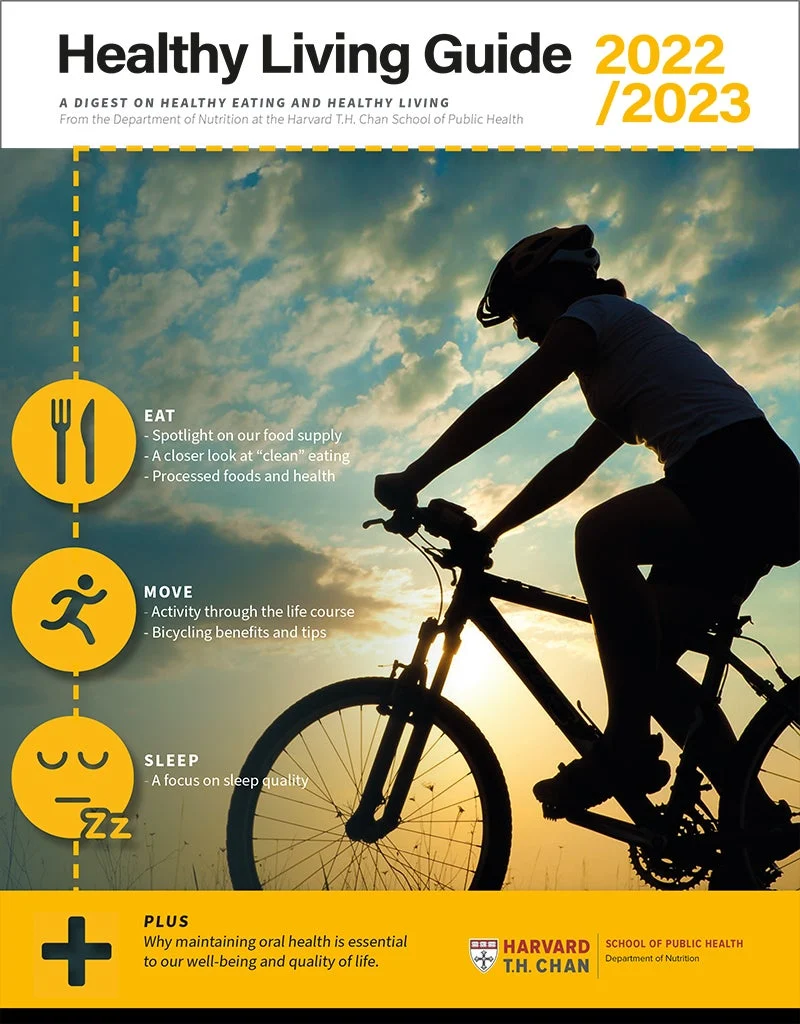
The release of the "Healthy Living Guide" for 2022-2023 serves as a timely resource, offering practical guidance and accessible information. This downloadable PDF, featuring printable tip sheets and summaries, aims to equip individuals with the knowledge and tools to make healthier choices. For those seeking deeper insights, many of the full online articles referenced within the guide are readily accessible through provided links, offering a comprehensive repository of information on nutrition and healthy living.
Background: The White House Conference on Hunger, Nutrition, and Health
The White House Conference on Hunger, Nutrition, and Health, held on September 28, 2022, marked a significant moment in the nation’s ongoing efforts to combat food insecurity and promote healthier lifestyles. The conference brought together a diverse array of stakeholders, including government officials, health experts, food industry leaders, non-profit organizations, and individuals with lived experience of hunger and diet-related diseases. The primary objective was to develop a roadmap for ending hunger and improving nutrition and health in the United States by 2030.
The conference built upon the legacy of the first White House Conference on Food, Nutrition, and Health, convened by President Richard Nixon in 1969. That earlier event laid the groundwork for important policy changes, including the expansion of food stamp programs and the establishment of WIC (Women, Infants, and Children) nutrition programs. The 2022 conference aimed to address the evolving landscape of food insecurity and diet-related diseases, which have been exacerbated by factors such as economic inequality, climate change, and the increasing prevalence of processed foods.
Timeline of Key Developments
- 1969: The first White House Conference on Food, Nutrition, and Health is held, leading to significant policy advancements in nutrition assistance and public health.
- Early 2022: Discussions and planning intensify for a new White House Conference on Hunger, Nutrition, and Health, signaling a renewed federal focus on these critical issues.
- September 28, 2022: The White House Conference on Hunger, Nutrition, and Health convenes, bringing together a broad coalition of stakeholders to address contemporary challenges.
- September 2022 (Post-Conference): The Biden-Harris Administration releases its National Strategy on Hunger, Nutrition, and Health, outlining key policy recommendations and goals.
- January 2023: Harvard’s Department of Nutrition releases its "Healthy Living Guide" for 2022-2023, offering practical advice and reflecting on the outcomes of the White House Conference.
Supporting Data and Context
The urgency of the national strategy is underscored by stark statistics. According to the U.S. Department of Agriculture (USDA), in 2021, an estimated 33.8 million people, including 9 million children, lived in food-insecure households. This means they lacked consistent access to enough food for an active, healthy life. Furthermore, diet-related chronic diseases continue to be a major public health crisis. The Centers for Disease Control and Prevention (CDC) reports that heart disease, cancer, and diabetes are leading causes of death and disability in the United States, and poor diet is a significant contributing factor to all three.
The economic implications of food insecurity and diet-related diseases are also substantial. A study published in the journal Health Affairs estimated that food insecurity cost the U.S. healthcare system billions of dollars annually in avoidable medical expenditures. Similarly, the economic burden of chronic diseases linked to poor nutrition is estimated to be in the hundreds of billions of dollars each year, impacting productivity and overall economic growth.
The inclusion of medically tailored meals under Medicare addresses a critical gap in healthcare. These are meals designed to meet the specific nutritional needs of individuals with certain medical conditions, such as diabetes, kidney disease, or heart failure. Research has consistently shown that adherence to medically tailored diets can lead to better health outcomes, reduced hospitalizations, and lower healthcare costs for patients. For instance, a pilot program in Massachusetts found that providing medically tailored meals to individuals with advanced HIV reduced hospitalizations by 57% and emergency room visits by 43%.
Official Responses and Expert Analysis
The release of the National Strategy on Hunger, Nutrition, and Health was met with a mix of commendation and constructive criticism. Many organizations and individuals lauded the administration’s commitment to addressing these pressing issues and acknowledged the potential impact of the proposed policy changes.
However, as highlighted by Drs. Hu, Willett, and Cheung, certain aspects of the strategy have drawn specific attention. Their critique regarding the omission of measures to protect children from unhealthy food marketing is particularly relevant. Children are highly susceptible to persuasive marketing tactics, which often promote sugary drinks, processed snacks, and fast food. This exposure can shape lifelong eating habits and contribute to the rising rates of childhood obesity and related health problems. According to the American Academy of Pediatrics, children aged 2 to 11 are exposed to an average of over 7,000 food advertisements per year, with a significant portion of these promoting unhealthy options.
The call to transform the food system in response to climate change also resonates deeply within scientific and environmental communities. Agriculture is a significant contributor to greenhouse gas emissions, and unsustainable farming practices can lead to deforestation, soil degradation, and water pollution. Conversely, a shift towards more sustainable food production, reduced food waste, and plant-forward diets can mitigate these environmental impacts and contribute to a healthier planet. The Intergovernmental Panel on Climate Change (IPCC) has repeatedly emphasized the interconnectedness of food systems, climate change, and public health, urging for systemic transformations.
Broader Impact and Implications
The implications of the National Strategy, if fully realized, are far-reaching. Ending hunger and improving nutrition can lead to a healthier, more productive population, reducing healthcare costs and enhancing economic well-being. Increased physical activity, a key component of the strategy, is associated with numerous health benefits, including reduced risk of chronic diseases, improved mental health, and enhanced cognitive function.
The emphasis on systemic change, encompassing both public and private sectors, suggests a recognition that isolated interventions are insufficient. Creating truly sustainable food systems requires a holistic approach that considers environmental, social, and economic factors. This includes promoting equitable access to healthy foods, supporting sustainable agricultural practices, reducing food waste, and fostering food literacy among the public.
The "Healthy Living Guide" serves as a critical bridge between national policy aspirations and individual action. By providing practical, evidence-based advice, it empowers individuals to make informed choices that align with broader public health goals. The guide’s accessible format, including printable tip sheets, ensures that this information can reach a wide audience, fostering a culture of health and well-being.
The ongoing dialogue surrounding the national strategy, including expert feedback and public engagement, is crucial for its success. As the administration works to implement its ambitious goals, continuous evaluation, adaptation, and a commitment to addressing the identified gaps will be essential to achieving a future where hunger is eradicated and healthy living is a reality for all Americans. The journey towards a healthier nation and a more sustainable food system is a long-term endeavor, requiring sustained commitment and collaborative action from all stakeholders.
