
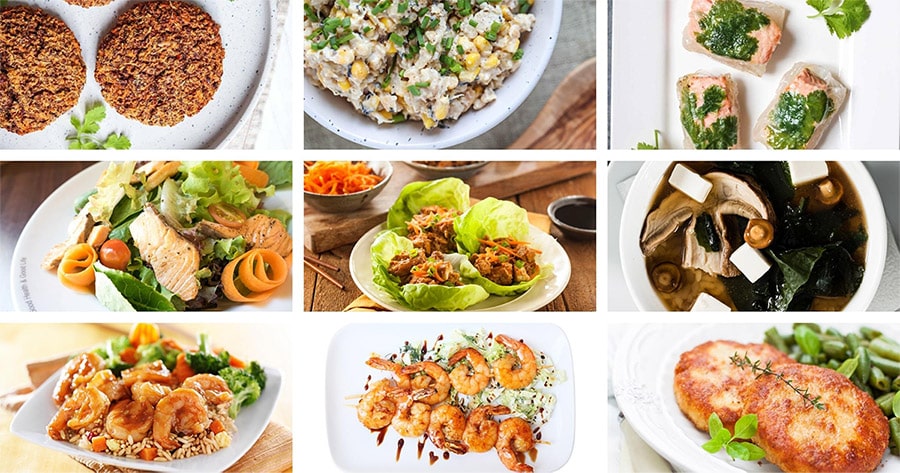
The following comprehensive guide examines twelve specific lunch strategies designed to harmonize hormonal health and maintain cognitive energy throughout the afternoon. These recipes move beyond simple calorie counting, focusing instead on the glycemic index (GI), anti-inflammatory fats, and the micronutrient density required to mitigate the systemic inflammation often associated with PCOS.
The Clinical Importance of Dietary Management in PCOS
According to the World Health Organization (WHO), up to 70% of women with PCOS remain undiagnosed, often struggling with symptoms like weight gain, hirsutism, and fatigue without realizing the underlying metabolic cause. The primary driver in many cases is hyperinsulinemia. When a patient consumes high-glycemic carbohydrates, the resulting insulin spike triggers the ovaries to produce excess testosterone. This biochemical pathway necessitates a diet rich in complex fibers, lean proteins, and Omega-3 fatty acids.
A landmark study published in the Iranian Journal of Reproductive Medicine (2013) demonstrated that Omega-3 supplementation significantly reduced testosterone levels and regulated menstrual cycles in women with PCOS. By integrating whole foods rich in these nutrients, patients can manage their symptoms through "food as medicine."
1. Salmon Caesar Salad with Mushrooms, Tomato, and Avocado
The traditional Caesar salad is often criticized for its high sodium and preservative content when sourced from commercial outlets. However, a modified version serves as a nutritional powerhouse. By utilizing grilled salmon as the primary protein, the meal introduces essential Omega-3 fatty acids.
Nutritional Mechanics:
Salmon provides the anti-inflammatory base necessary to lower androgen levels. The addition of avocado introduces monounsaturated fats, which improve insulin sensitivity.
Preparation Strategy:
To maintain a low glycemic load, the dressing must be prepared manually. Using a food processor, blend garlic, lemon juice, and anchovies, slowly emulsifying with avocado oil. The salad base should avoid refined croutons, replacing them with antioxidant-rich mushrooms and tomatoes. Cook the salmon on medium-high heat for 10 minutes in an aluminum foil packet with thyme and lemon to preserve moisture and nutrient integrity.
2. Pomegranate, Chickpea, and Broccoli Salad
Plant-based protein is essential for diversifying the gut microbiome, which is often compromised in women with PCOS. This salad focuses on high-fiber legumes and cruciferous vegetables.
Nutritional Mechanics:
Chickpeas provide a slow-release carbohydrate source, preventing the insulin spikes associated with white flour products. Broccoli contains indole-3-carbinol, a compound that assists the liver in metabolizing excess estrogen.
Preparation Strategy:
Macerate red onions in cold water for 10 minutes to reduce their pungency. Whisk a dressing of tahini, lemon juice, and Greek yogurt—providing probiotics—and toss with steamed broccoli and pomegranate seeds. The pomegranate adds polyphenols, which combat oxidative stress.
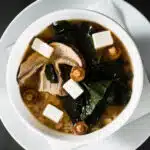
3. Avocado and Brown Rice Salmon Sushi with Miso Soup
Standard sushi often utilizes white rice seasoned with high-sugar vinegar. Transitioning to brown rice sushi significantly lowers the glycemic index.
Nutritional Mechanics:
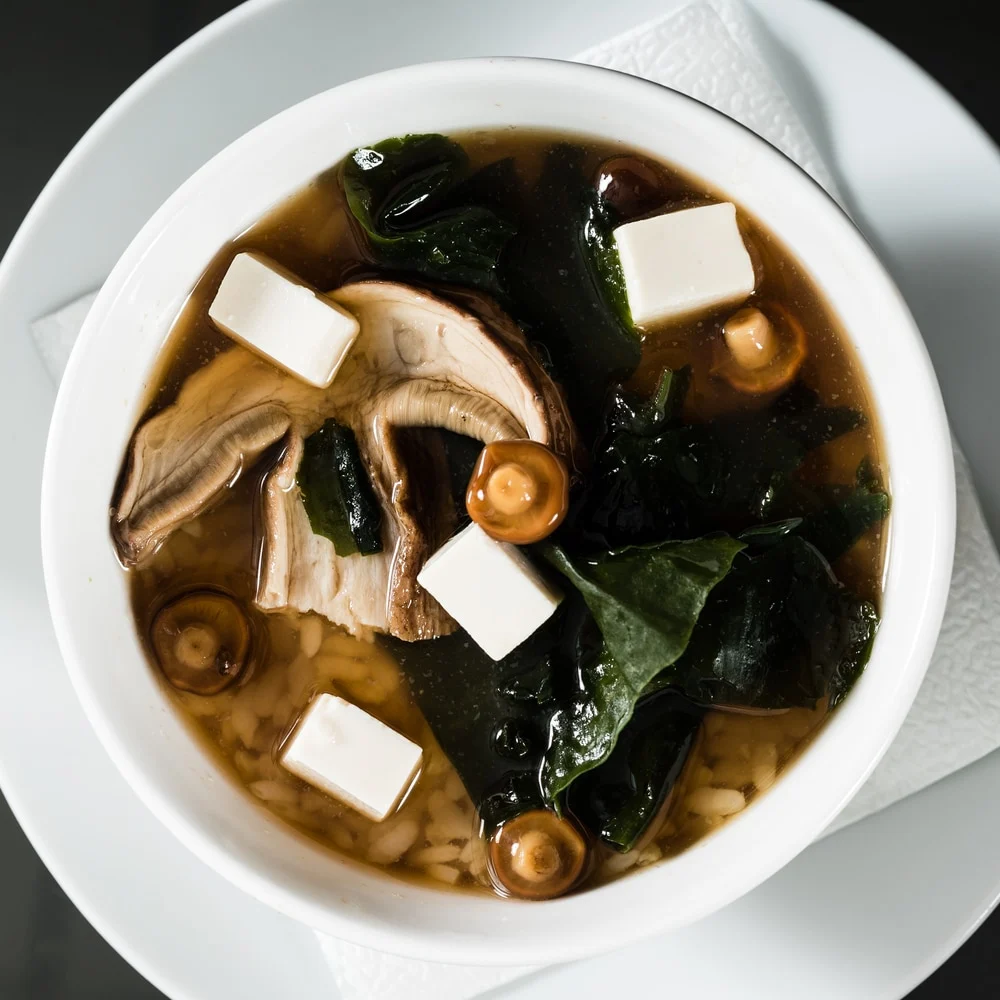
Brown rice retains its bran and germ, providing B vitamins and fiber. Miso, a fermented soybean paste, supports gut health. Research suggests that a healthy gut-brain axis can help regulate the cravings often reported by women with hormonal imbalances.
Preparation Strategy:
Construct rolls using nori (seaweed), which provides iodine for thyroid support. Incorporate raw, sushi-grade salmon and fresh avocado. Pair the meal with a miso soup enriched with ginger root, fennel, and kelp (arame or wakame) to stimulate digestion and provide a mineral-dense side dish.
4. Turkey Burger with Side Salad
Lean poultry is an excellent source of protein without the high saturated fat content found in some red meats. For women with PCOS, the "bunless" or "gluten-free" approach is often recommended to reduce systemic inflammation.
Nutritional Mechanics:
Turkey contains tryptophan, a precursor to serotonin, which can help stabilize mood fluctuations associated with hormonal shifts.
Preparation Strategy:
Combine ground turkey with herbs and grill until the internal temperature reaches 165 degrees Fahrenheit. Serve on a bed of greens or a gluten-free bun. Avoid commercial ketchups high in high-fructose corn syrup, opting instead for mustard or avocado mash.
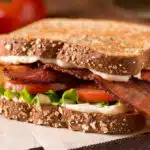
5. BLT Gluten-Free Sandwich with Avocado and Tempeh Bacon
The inclusion of tempeh—a fermented soy product—provides a probiotic boost and a high-fiber alternative to processed pork products.
Nutritional Mechanics:
Tempeh is a complete protein source. Despite historical misconceptions regarding soy and hormones, clinical evidence suggests that moderate consumption of non-GMO, fermented soy can actually help balance estrogen levels due to its isoflavone content.
Preparation Strategy:
Marinate thin slices of tempeh in a mixture of soy sauce (or coconut aminos), liquid smoke, and maple supported by olive oil. Pan-fry for two minutes per side. Assemble using gluten-free bread, which, when paired with the healthy fats of avocado, results in a lower overall glycemic load.
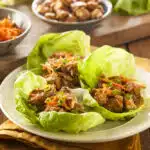
6. Lettuce Wrap with Grilled Chicken and Mixed Greens
For those requiring a portable, low-carbohydrate option, lettuce wraps provide the crunch of a sandwich without the insulin-triggering refined grains.
Nutritional Mechanics:
Using butter lettuce as a vessel reduces the caloric density of the meal while increasing water intake.
Preparation Strategy:
Marinate chicken breast in lemon and garlic for several hours before grilling. Use hummus or Tzatziki as a spread to add healthy fats and protein. This meal is particularly effective for those following a "low-carb" approach to PCOS management.
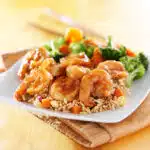
7. Shrimp Fried Rice with Brown Rice and Veggies
Recreating takeout favorites at home allows for the elimination of monosodium glutamate (MSG) and excessive seed oils, which can be pro-inflammatory.
Nutritional Mechanics:
Shrimp is a low-calorie protein rich in selenium and zinc, both of which are vital for reproductive health and skin clarity.
Preparation Strategy:
Sauté green onions and brown rice in a small amount of olive oil. Add scrambled eggs, peas, and carrots. Use coconut aminos as a lower-sodium, gluten-free alternative to traditional soy sauce. Ensure the rice is "day-old" or well-chilled before frying to maintain the structure of the grain and improve resistant starch content.
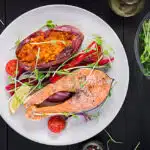
8. Baked Salmon with a Baked Potato
This classic combination provides a balance of protein, fat, and complex carbohydrates.
Nutritional Mechanics:
While white potatoes are often avoided in PCOS diets due to their high GI, sweet potatoes or smaller portions of skin-on potatoes provide potassium and fiber.
Preparation Strategy:
Bake the salmon filet at 375 degrees Fahrenheit for 15 minutes alongside asparagus. For the potato, opt for a sweet potato, sliced and coated in coconut oil and rosemary, baked until tender. The fiber in the potato skin is essential for slowing glucose absorption.
9. Vegan “Tuna” Salad (Black Bean Patties)
This recipe utilizes legumes to mimic the texture of a salad while providing a massive dose of plant-based fiber.
Nutritional Mechanics:
Black beans are rich in anthocyanins—antioxidants that protect cells from damage. High fiber intake is directly correlated with lower levels of circulating androgens in women.
Preparation Strategy:
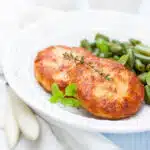
Dry black beans in the oven to achieve a "meaty" texture before pulsing them in a food processor with sauteed onions, peppers, and garlic. Form into patties and bake. Serve as a salad topper or on a gluten-free bun with sweet potato fries.
10. Sweet Potato, Quinoa, and Bean Burger
Quinoa is one of the few plant foods that contain all nine essential amino acids, making it a "complete" protein.
Nutritional Mechanics:
The combination of sweet potato and quinoa provides a sustained energy release, making this an ideal lunch for preventing the "3 PM crash."
Preparation Strategy:
Mash baked sweet potato with cooked quinoa and black beans. Season with chili flakes and rosemary to boost metabolic rate. These burgers can be prepped in batches, making them a sustainable choice for busy professionals.
11. Salmon Spring Rolls
Rice paper wraps provide a light, gluten-free alternative to traditional flour-based spring rolls or wraps.
Nutritional Mechanics:
By focusing on raw vegetables and cooked salmon inside the roll, the meal remains high in micronutrients and healthy fats.
Preparation Strategy:
Soften rice paper in warm water and fill with fresh coriander and grilled salmon. Pan-fry briefly in a light coating of oil to achieve a crisp texture without deep-frying.
12. Cilantro Lime Shrimp Skewers with Cauliflower Rice
Cauliflower rice has revolutionized the PCOS diet by providing a high-volume, low-carb substitute for traditional grains.
Nutritional Mechanics:
Cauliflower is a cruciferous vegetable that supports liver detoxification. Shrimp provides a lean protein source that pairs perfectly with the citrus notes of lime, which aids in iron absorption.
Preparation Strategy:
Marinate shrimp in lime zest, garlic, and cilantro. Grate fresh cauliflower (or use a food processor) and sauté in olive oil for 8 minutes until tender. This meal is exceptionally low in calories but high in satiety.
Analysis of Broader Health Implications
The transition toward a PCOS-specific diet has implications that extend far beyond weight management. Women with PCOS are at a significantly higher risk for developing Type 2 diabetes, cardiovascular disease, and endometrial cancer later in life. By adopting a lunch routine that prioritizes insulin stability, women are effectively engaging in long-term disease prevention.
Furthermore, the mental health aspect of PCOS cannot be ignored. The "brain fog" and fatigue often reported by patients are frequently the result of blood sugar fluctuations. A structured lunch featuring the ingredients listed above—such as Omega-3s from salmon and complex fibers from quinoa—can stabilize neurotransmitter function, leading to improved focus and reduced anxiety.
In conclusion, managing PCOS through nutrition requires a shift from restrictive dieting to "functional eating." These twelve lunch ideas provide a framework for a lifestyle that supports endocrine health, reduces systemic inflammation, and empowers women to take control of their hormonal well-being through informed, delicious, and scientifically-backed culinary choices.
