
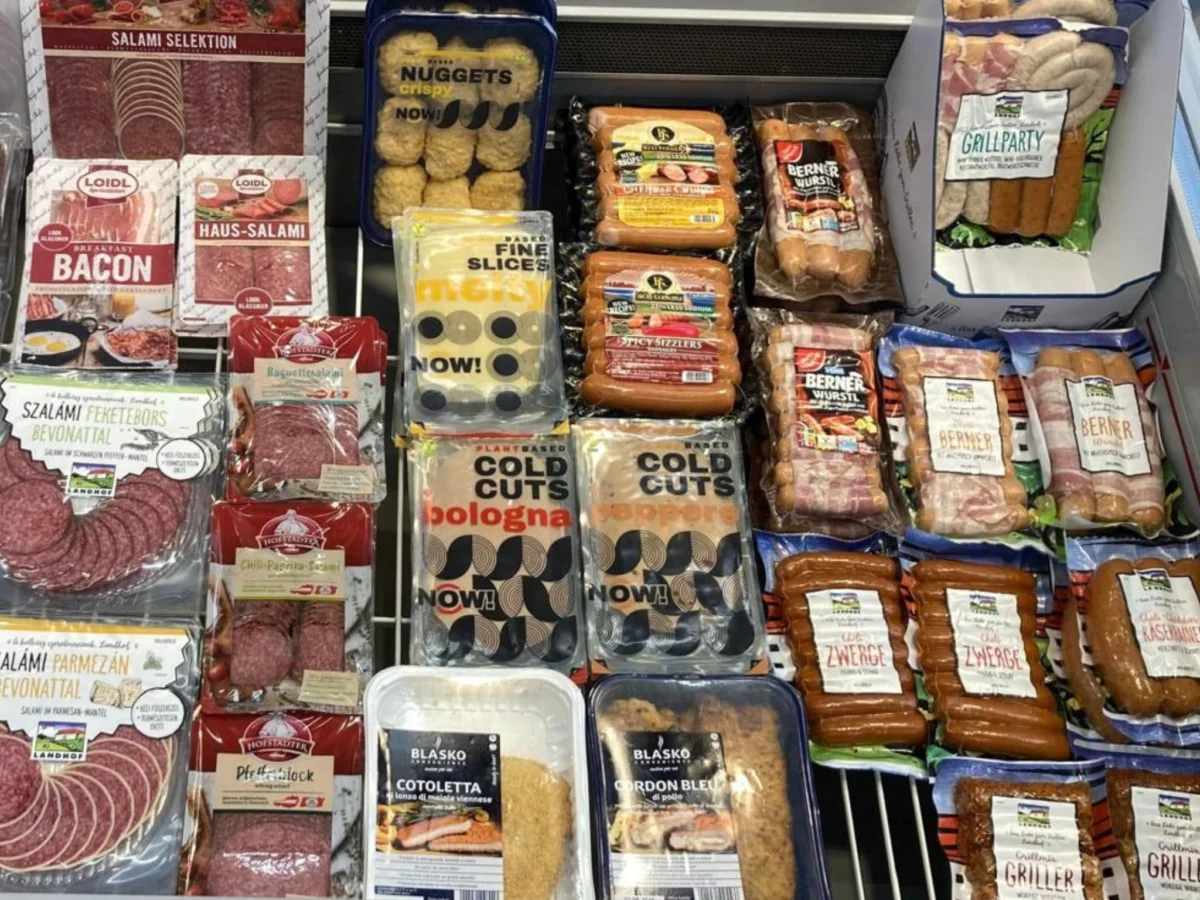
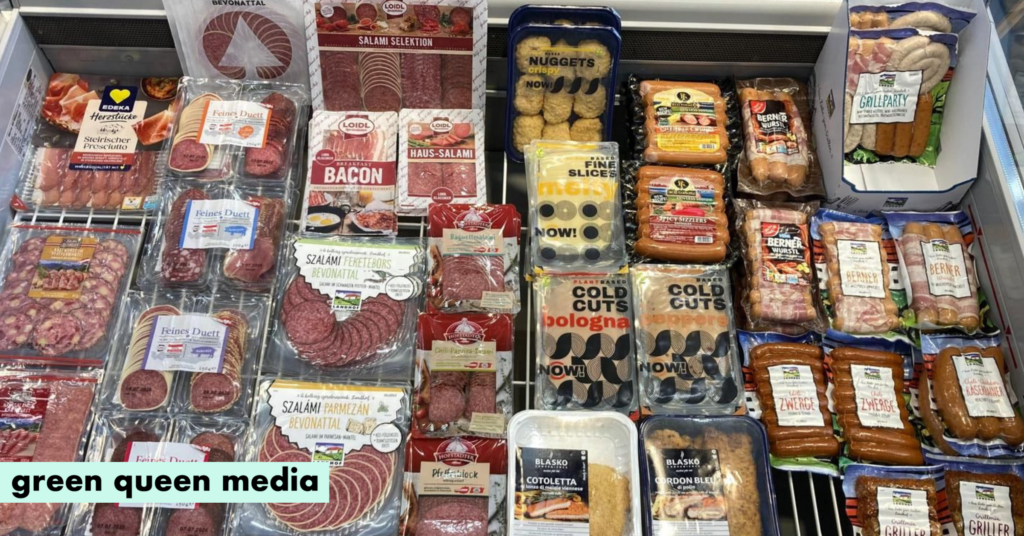
Marcher Fleischwerke, a venerable Austrian meat producer with a nearly century-long legacy, has strategically expanded its footprint in the burgeoning alternative protein market with the introduction of "Now!". This innovative new brand signifies a deliberate pivot, uniting 100% plant-based meat alternatives with a growing portfolio of blended protein products. The move underscores a significant industry trend where established meat players are actively seeking to cater to a diverse range of consumer preferences, acknowledging the growing momentum of hybrid protein solutions.
The "blended meat" category, which combines animal-derived proteins with plant-based ingredients or other novel protein sources, is rapidly gaining traction across Europe. This approach aims to offer consumers a "best-of-both-worlds" solution, potentially delivering familiar taste and texture profiles while offering enhanced nutritional benefits and a reduced environmental footprint compared to traditional meat products. Marcher Fleischwerke’s introduction of "Now!" follows a pattern observed among various supermarkets that have launched their own private-label blended meat options, signaling a broader industry shift.
Markus Fahrnberger-Schweizer, managing director of Marcher Fleischwerke, articulated the strategic vision behind the "Now!" brand. "With the development brand Now!, a platform has been created under which future trends can be perfectly presented, and with which Marcher will now appear at trade fairs and in B2B interactions," he stated. This positions "Now!" not merely as a product line but as a strategic vehicle for Marcher Fleischwerke to engage with the evolving food landscape, showcase innovation, and foster business-to-business relationships in the alternative protein space.
A Strategic Evolution for a Legacy Meat Producer
Marcher Fleischwerke’s foray into the meat alternative sector began in 2018 with the acquisition of Landhof and its subsidiary, Die Ohne. This initial step led to the launch of their first meat-free cold cuts. The company subsequently refined its offerings, transitioning the vegetarian recipes to a 100% plant-based formulation. The rebranding under "Now!" represents a consolidation and expansion of these efforts. By transferring its existing plant-based meat products from the Die Ohne brand to the new "Now!" umbrella, Marcher Fleischwerke aims to present a more cohesive and contemporary image, aligning its business strategy with observable shifts in consumer behavior and dietary trends.
The decision to embrace blended proteins alongside 100% plant-based options is informed by a nuanced understanding of the Austrian market and broader European dietary patterns. Surveys indicate a significant portion of the Austrian population is reducing meat consumption. A 2023 poll revealed that approximately one in ten Austrians adhere to a vegan or vegetarian diet, and crucially, only 48% of consumers identified as frequent meat-eaters. The remainder follow flexitarian, pescetarian, or entirely meat-free diets. This demographic shift is particularly pronounced among younger consumers under the age of 25, who are increasingly exploring plant-based and hybrid protein options.
These dietary shifts are also being encouraged by official recommendations. Austria’s latest dietary guidelines, based on a "plate model," advocate for a move away from excessive animal protein consumption. The model suggests a balanced diet comprising 50% fruits and vegetables, 25% whole grains and potatoes, and the remaining 25% from protein sources, with a strong emphasis on plant-based options. This governmental endorsement provides a supportive framework for companies like Marcher Fleischwerke to innovate in the alternative protein space.
However, the Austrian market also presents a complex picture regarding meat consumption. Despite a widespread acknowledgment that the public consumes too much meat (59% of consumers believe this), a smaller proportion (46%) actively desires to reduce their intake. This paradox is reflected in market data, which showed a slight increase in per capita meat consumption of 0.4 kg in 2024. This suggests that while awareness of health and environmental concerns related to meat is high, the transition to significantly reduced meat consumption for a substantial segment of the population may be gradual. It is within this context that Marcher Fleischwerke’s strategic inclusion of blended meats becomes particularly pertinent. These "balanced proteins" offer a potential bridge for consumers who are not ready to fully eliminate meat but are seeking ways to mitigate its impact. By incorporating plant-based ingredients, blended meats can reduce saturated fat and cholesterol content while introducing beneficial fiber, thereby enhancing the nutritional profile of familiar meat products.
"Now!" Unveiled: A Comprehensive Alternative Protein Portfolio
The "Now!" brand made its debut at the Private Label Manufacturers Association (PLMA) trade show in Amsterdam on May 19-20, presenting a comprehensive array of alternative protein products designed to cater to a wide spectrum of consumer preferences. The brand’s portfolio is broadly divided into two main categories: 100% plant-based alternatives and blended protein products.
The 100% vegan range under "Now!" is extensive and aims to replicate or offer appealing alternatives to traditional meat products. This includes:
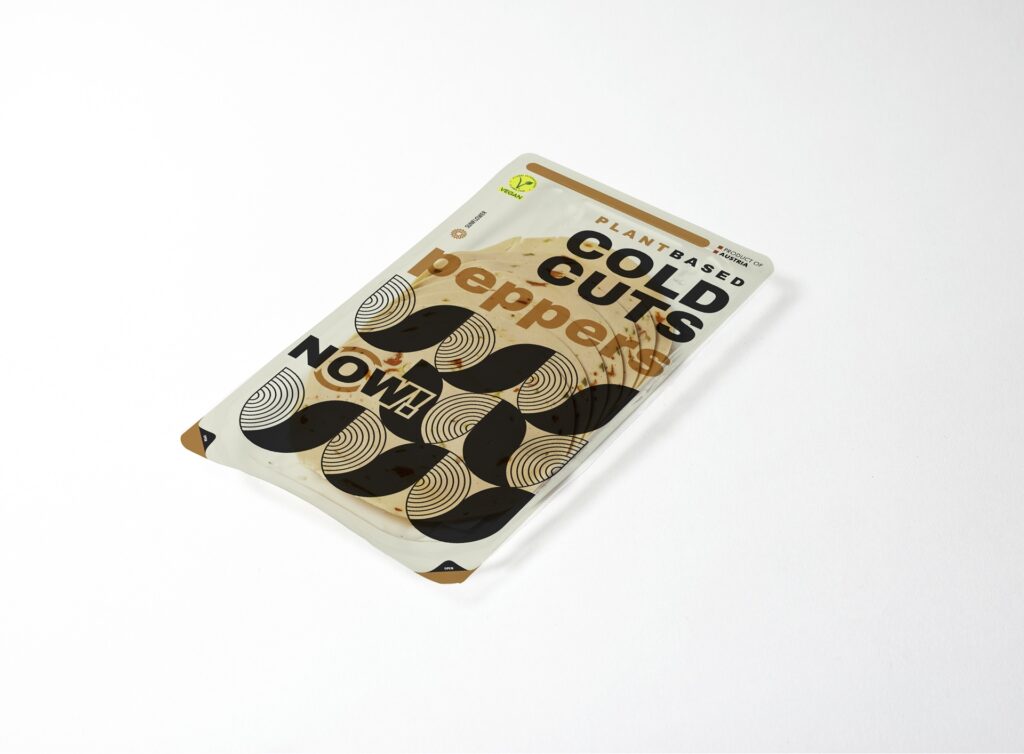
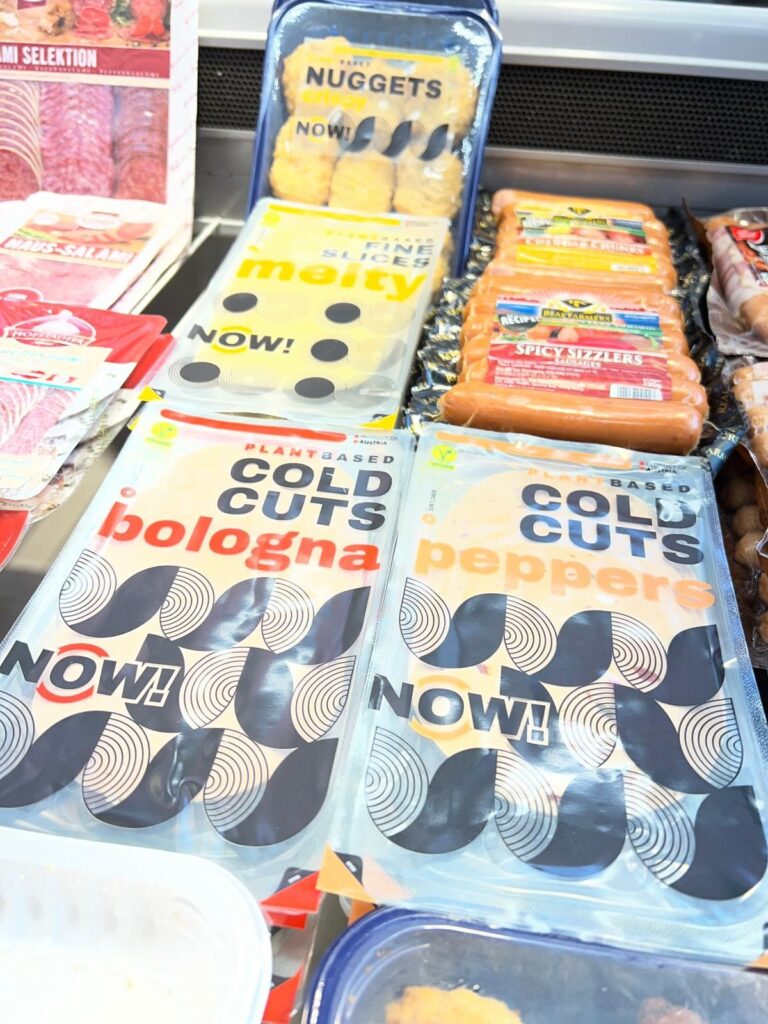
- Cold Cuts: Available in classic, cucumber, and chili flavors, these are likely formulated using plant-based proteins such as soy, pea, or wheat, often combined with starches and flavorings to mimic the texture and taste of deli meats.
- Sausages, Burgers, and Meatballs: These vegan staples are developed using ingredients like sunflower protein or a blend of wheat and pea protein, aiming to deliver the satisfying mouthfeel and flavor profiles expected of these popular items. Mushroom-based versions are also included, leveraging the inherent savory qualities of fungi.
- Schnitzel and Nuggets: These convenience products are also formulated from plant-based protein sources, offering familiar formats for consumers seeking meat-free options.
- Dairy-Free Cheese Slices: Expanding beyond meat alternatives, "Now!" also features non-dairy cheese alternatives derived from ingredients like locust bean protein, catering to the broader plant-based food market.
In parallel, Marcher Fleischwerke is launching its blended meat offerings under the "Now!" brand, focusing on creating hybrid products that retain a significant portion of animal protein while incorporating plant-based elements. The initial offerings in this category include:
- 50/50 Beef Burgers: These burgers combine equal parts beef and plant-based ingredients, likely mushrooms, to reduce the meat content while maintaining a familiar burger experience.
- Pork Sausages: Similar to the burgers, these sausages blend pork with plant-based components, aiming for a balanced nutritional profile and potentially a more sustainable production method.
The company’s extensive experience in meat production is a cornerstone of its strategy in developing these new products. As stated on the "Now!" website, "We have spent decades proving that we know how meat and sausage should taste, what texture products need, which spices harmonise, and what flavour should be achieved. Equipped with this expertise, we can confidently explore new paths, experiment, create new foods, and think in a contemporary way." This emphasizes their commitment to leveraging traditional culinary knowledge to innovate in the alternative protein space. The brand’s philosophy, as articulated on its website, suggests a harmonious fusion: "Recipes based on new proteins are exciting experiments in which the familiar and the traditional merge into something new. The result is a product world that doesn’t have to choose between tradition and the future, but instead shows its strengths in the here and now."
The Broader European Landscape of Blended Meats
Marcher Fleischwerke’s strategic move into blended proteins aligns with a significant and accelerating trend across the European continent. Retailers and food manufacturers in major markets are increasingly embracing hybrid meat products, recognizing their potential to attract a broad consumer base.
In Germany, major supermarket chains such as Rewe Group, Lidl, and Aldi are actively stocking blended protein products. The foodservice sector is also seeing innovation, with Nosh.bio developing a beef mince blended with koji protein for restaurants. Sweden’s largest supermarket, ICA Gruppen, has also entered the market by stocking meatballs made from a beef-mycoprotein blend by Smaqo.
The Netherlands is often cited as the most advanced market in Europe for hybrid proteins. Retail giants like Lidl, Aldi, Albert Heijn, and Colruyt Group have introduced blended meat products to their shelves. Market data from the Netherlands indicates a compelling economic advantage for these hybrid options, with the average cost of blended meat and dairy products being approximately 4.4% lower than their 100% animal-based counterparts. This price competitiveness is a significant factor in driving consumer adoption, particularly in a climate of rising food prices.
The growing presence of blended meats across Europe suggests several implications for the food industry and consumers:
- Market Diversification: Established meat companies are demonstrating a willingness to diversify their product portfolios beyond traditional meat, recognizing the long-term sustainability of their business models.
- Consumer Choice Expansion: Consumers have an increasing array of protein options that cater to different dietary preferences, ethical considerations, and health goals, without necessarily requiring a complete abandonment of familiar food experiences.
- Environmental and Health Benefits: The widespread adoption of blended proteins could contribute to a reduction in the overall environmental impact of meat production by decreasing reliance on 100% animal-based products. Furthermore, the enhanced nutritional profiles of blended meats offer potential public health benefits by reducing saturated fat and cholesterol intake.
- Innovation in Food Science: The development of blended proteins spurs innovation in food science and technology, leading to new ingredient sourcing, processing techniques, and product formulations.
Marcher Fleischwerke’s "Now!" brand, with its dual focus on 100% plant-based and blended protein offerings, is strategically positioned to capitalize on these evolving market dynamics. By leveraging its deep-rooted expertise in meat production and embracing contemporary food trends, the Austrian company is charting a course for continued relevance and growth in the rapidly transforming global food landscape. The success of "Now!" will likely be a key indicator of how traditional meat companies can effectively navigate the complex and dynamic world of alternative proteins.
