

The Evolution of Polycystic Ovary Syndrome Diagnosis and the Emergence of At-Home Hormonal Screening represents a significant shift in how the medical community and patients approach the most common endocrine disorder among women of reproductive age. Polycystic Ovary Syndrome (PCOS) affects an estimated 8% to 13% of women worldwide, yet it remains one of the most underdiagnosed and misunderstood health conditions. Recent clinical research has highlighted a troubling "diagnostic odyssey" for many patients, with studies indicating that it can take upwards of two years and a minimum of three separate physician consultations before a definitive diagnosis is reached. This delay is particularly concerning given that PCOS is a leading cause of ovulatory infertility and is associated with significant long-term health risks, including Type 2 diabetes and cardiovascular disease.
The Diagnostic Challenge: Understanding the Rotterdam Criteria
The complexity of PCOS stems from its heterogeneous nature; it is a syndrome defined by a collection of symptoms rather than a single physiological marker. Since 2003, the medical community has largely relied on the Rotterdam Criteria to standardize diagnosis. To be diagnosed with PCOS under these guidelines, a patient must present with at least two of the following three conditions: oligo-ovulation or anovulation (irregular or absent menstrual cycles), clinical or biochemical signs of hyperandrogenism (excess male hormones), and the presence of polycystic ovaries as identified via ultrasound.

Irregular menstrual cycles are often the first red flag, typically defined as having fewer than eight periods per year or experiencing cycles that last longer than 35 days. Hyperandrogenism manifests clinically through symptoms such as hirsutism—excessive hair growth on the face, chest, or back—as well as severe acne or androgenetic alopecia (thinning scalp hair). Biochemically, this is confirmed through elevated levels of free testosterone or dehydroepiandrosterone sulfate (DHEA-S). The third pillar, polycystic ovaries, refers to the presence of 12 or more follicles in at least one ovary, or increased ovarian volume, though it is a common clinical misconception that one must have "cysts" to have the syndrome. In fact, nearly 20% of women in the general population may have polycystic-appearing ovaries on an ultrasound without meeting the hormonal or ovulatory criteria for the syndrome itself.
The Role of Differential Diagnosis in Clinical Settings
A critical component of the PCOS diagnostic process is the exclusion of other endocrine disorders that mimic its symptoms. Before a physician can confirm PCOS, they must rule out several high-stakes conditions. These include Cushing’s syndrome, characterized by excess cortisol; Congenital Adrenal Hyperplasia (CAH), a genetic disorder affecting the adrenal glands; and androgen-secreting tumors, which can cause a rapid onset of virilization.
Furthermore, thyroid dysfunction (hypothyroidism) and hyperprolactinemia (excess prolactin) can both cause irregular cycles and must be eliminated through blood testing. The necessity of these exclusions explains, in part, why the traditional diagnostic path is so arduous. Patients often find themselves shuffled between primary care physicians, gynecologists, and endocrinologists, undergoing a battery of tests that can be both time-consuming and financially taxing.

Advancements in Laboratory Medicine: The Rise of At-Home Testing
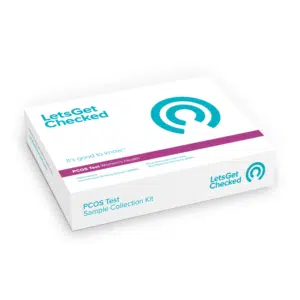
In response to the barriers of traditional clinical pathways, the healthcare industry has seen a surge in decentralized diagnostic tools. One of the most prominent developments is the introduction of comprehensive at-home hormonal screening kits, such as the PCOS Home Test from Let’s Get Checked. These services utilize capillary blood sampling—a simple finger prick—to collect specimens that are then analyzed in CLIA-certified and CAP-accredited laboratories.
These at-home solutions are designed to streamline the "biochemical" portion of the Rotterdam Criteria. By measuring a specific panel of hormones, these tests provide a snapshot of a woman’s endocrine health. The typical panel includes:
- Luteinizing Hormone (LH) and Follicle-Stimulating Hormone (FSH): An elevated LH-to-FSH ratio is often observed in women with PCOS.
- Testosterone and Sex Hormone Binding Globulin (SHBG): These metrics help calculate the Free Androgen Index (FAI), a key indicator of hyperandrogenism.
- Prolactin: Used to rule out pituitary issues that could cause cycle irregularities.
- Anti-Müllerian Hormone (AMH): Often elevated in women with PCOS due to the high number of small follicles, AMH is also a critical marker for assessing ovarian reserve and fertility potential.
Methodology and Chronology of Hormonal Assessment
The accuracy of any hormonal test is heavily dependent on timing. For women with regular cycles, clinical guidelines suggest testing on days 3, 4, or 5 of the menstrual cycle. This "baseline" period is when hormone levels are most stable and informative. However, for the millions of women with PCOS who suffer from irregular or absent periods, this timing is impossible to follow.

Modern diagnostic services have adapted to this reality. For those with irregular cycles, testing is recommended over three consecutive days. This longitudinal approach allows laboratory experts to interpret results within the context of the patient’s specific cycle irregularities. It is also a standard clinical recommendation that patients cease hormonal birth control for at least three months prior to testing, as synthetic hormones suppress the natural endocrine system, rendering the results of a PCOS screen medically invalid.
Analyzing the Accuracy and Validity of Remote Diagnostics
A common point of contention within the medical community is the validity of at-home testing compared to traditional venous blood draws. However, the laboratories used by leading telehealth firms are the same facilities utilized by hospitals and private practices. These labs undergo rigorous quality control and are monitored by regulatory bodies to ensure that capillary samples provide results equivalent to those of traditional methods.
The value proposition of these tests is not necessarily to replace the physician, but to provide a "probable diagnosis" backed by clinical data. This allows the patient to enter a doctor’s office with evidence in hand, potentially bypassing the "wait and see" approach that contributes to the two-year diagnostic delay. Once an abnormal result is flagged, clinical teams typically provide a follow-up consultation to discuss the implications and recommend specialized care, such as a referral to a reproductive endocrinologist.
Public Health Implications of Delayed Diagnosis
The implications of delaying a PCOS diagnosis extend far beyond reproductive health. PCOS is fundamentally a metabolic disorder, often rooted in insulin resistance. When left unmanaged, the chronic hormonal imbalance can lead to a cascade of systemic issues. Women with PCOS are at a significantly higher risk for:
- Type 2 Diabetes: Up to 50% of women with PCOS develop pre-diabetes or diabetes by age 40.
- Cardiovascular Health: The syndrome is linked to high blood pressure, elevated LDL (bad) cholesterol, and an increased risk of stroke.
- Endometrial Cancer: Irregular periods lead to a buildup of the uterine lining, which increases the risk of malignancy over time.
- Mental Health: There is a documented correlation between PCOS and increased rates of anxiety, depression, and eating disorders, often exacerbated by the physical symptoms of the condition.
By providing earlier access to diagnostic data, at-home testing can facilitate earlier interventions, such as lifestyle modifications, metformin therapy, or hormonal management, which can mitigate these long-term risks.
Economic and Social Impact of Diagnostic Innovation
From an economic perspective, the traditional diagnostic path for PCOS is inefficient. The cost of multiple co-pays, lost wages for doctor appointments, and expensive imaging like ultrasounds adds up. At-home tests, which often cost between $100 and $150, represent a cost-effective entry point into the healthcare system.

Socially, the democratization of diagnostic tools empowers patients. For decades, women’s health concerns—particularly those involving menstruation and hair growth—have been dismissed or minimized. Providing women with the tools to quantify their hormonal health shifts the power dynamic in the patient-provider relationship. It moves the conversation from anecdotal symptoms to clinical data.
Conclusion: A New Era for Women’s Endocrine Health
The landscape of PCOS diagnosis is undergoing a necessary transformation. The historical standard of a multi-year, multi-doctor journey is increasingly viewed as a failure of the traditional healthcare model. As at-home diagnostic technology matures and becomes more integrated with clinical practice, the "diagnostic odyssey" may soon be a thing of the past.
The integration of at-home hormonal screening, such as the Let’s Get Checked PCOS test, provides a vital bridge between the onset of symptoms and the commencement of treatment. While a home test is a preliminary step, it is a powerful one—offering clarity, saving time, and potentially preventing the long-term metabolic consequences of one of the world’s most prevalent hormonal disorders. For the millions of women currently navigating the complexities of PCOS, these advancements represent not just a medical convenience, but a critical improvement in the standard of care.
